Wovember: Fibre Library Part 3

A continuation of last years Fibre Library parts 1 & 2 with some newly discovered books and magazines.

Disclaimer: I am not affiliated with any of the publishers, authors etc. of any books or magazines mentioned in this post. All books mentioned are my personal copies which have been purchased either new or secondhand. This list is not exhaustive, so if a book isn’t listed here it doesn’t mean it’s bad – I just haven’t discovered it yet.

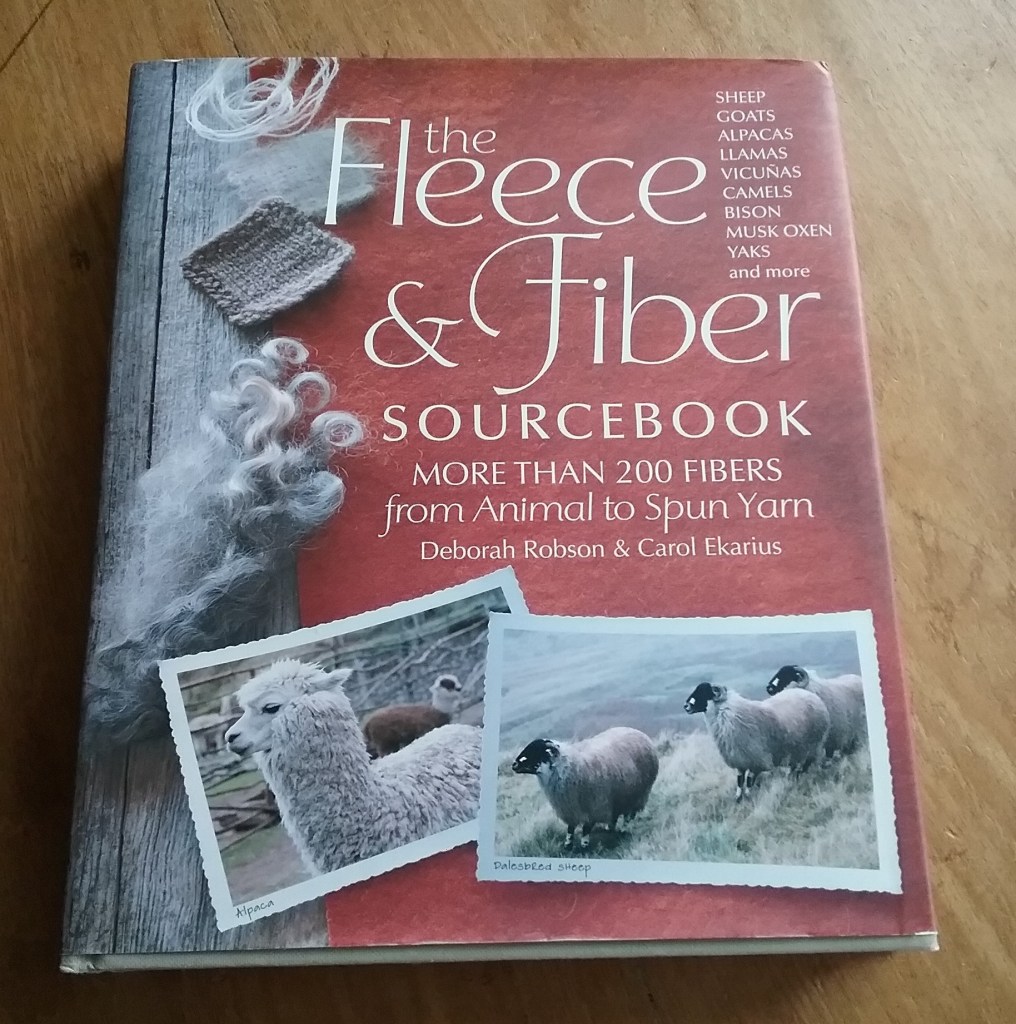
The Fleece & Fiber Source Book

Author/s: Deborah Robson & Carol Ekarius

ISBN: 9781603427111

This is an up-scaled version of The Field Guide to Fleece and is written by the same authors. It contains further information about each sheep breed alongside other animals that produce fibre (goats, alpacas, yaks etc.). Each breed is arranged in it’s group with a history, facts and figures, advice on preparation and using the wool, broken up nicely with images. Unlike the Field Guide which is pocket sized, this book is heavy, so is probably not advisable to travel with!

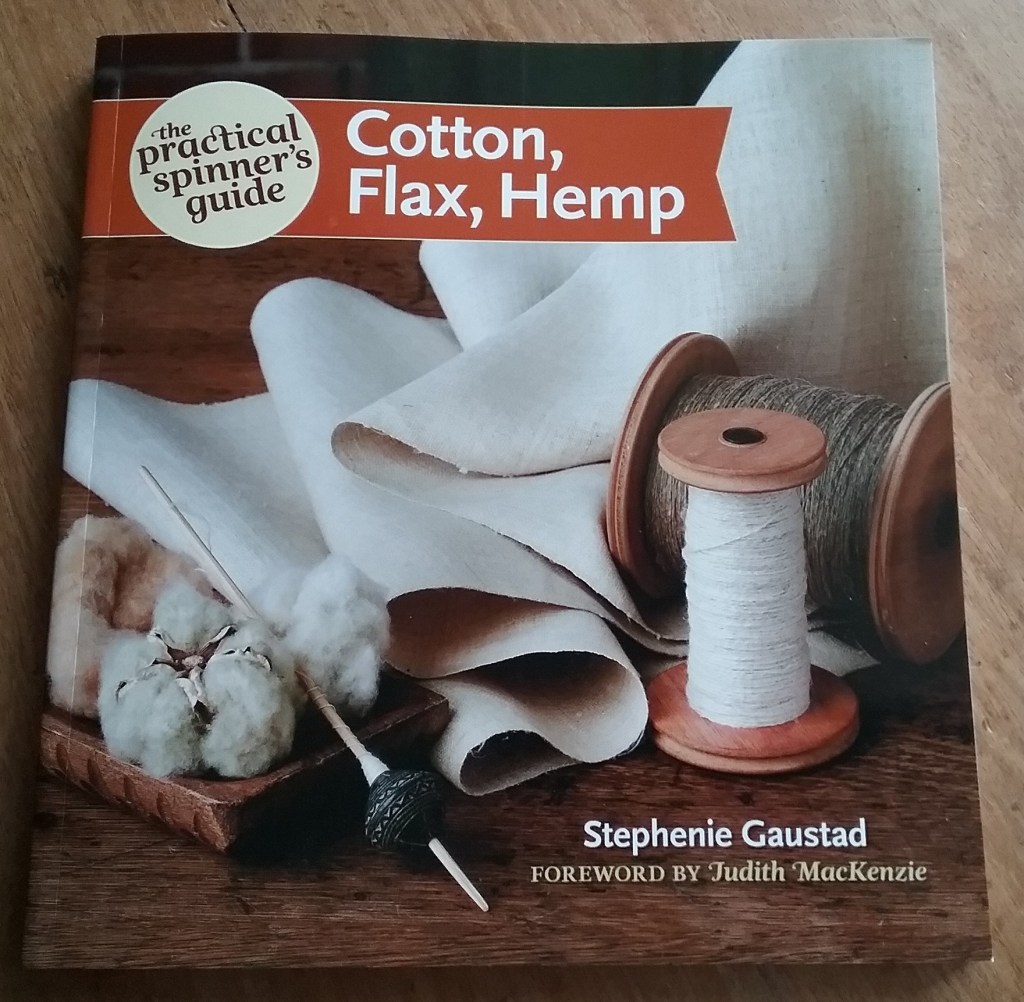
The Practical Spinners Guide: Cotton, Flax, Hemp

Author/s: Stephanie Gaustad

ISBN: 9781596686694

I have not found many books that are specific to these three fibres and working with them is quite different to working with wool. The book explains for each fibre everything from harvesting, preparation, spinning on both spindle and wheel and finishing. There are clear easy to follow diagrams and pictures with lots of hints and tips. There are also other books in the series focused on working with wool and silk, which I imagine would be written in the same manner.

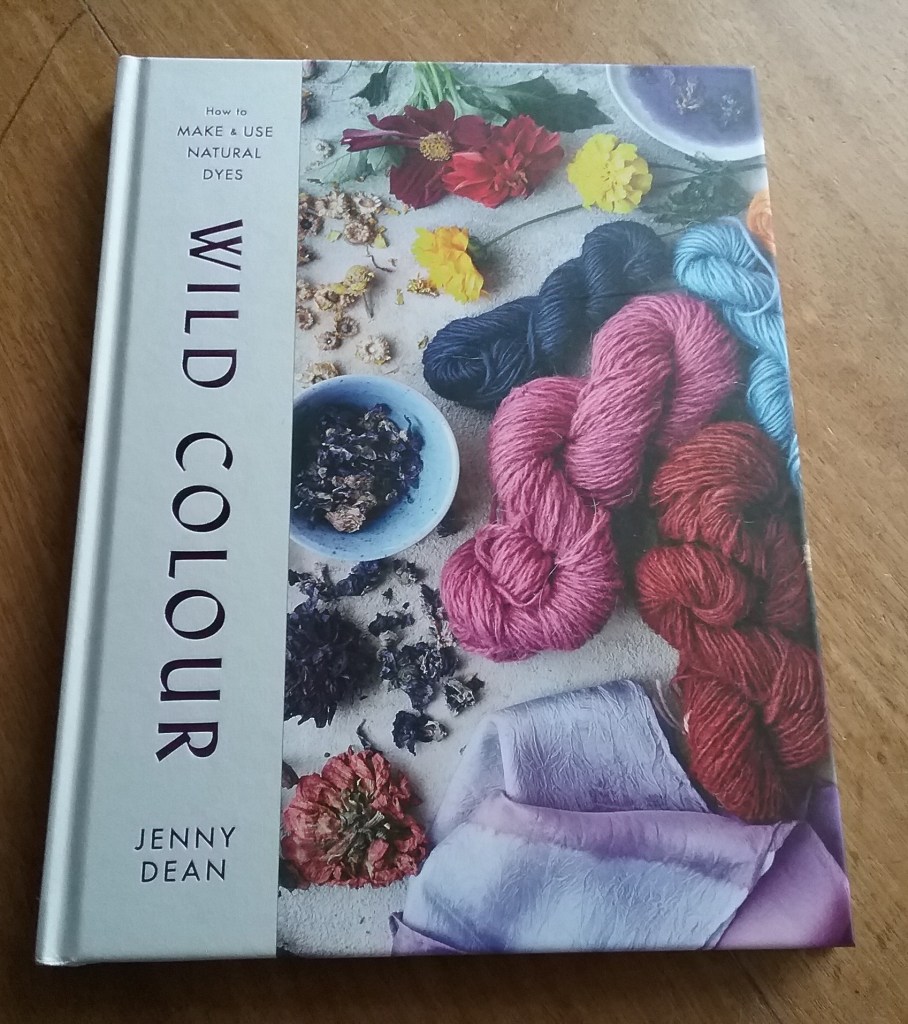
Wild Colour

Author/s: Jenny Dean

ISBN: 9781784725532

Clear and concise, this book contains a short history of natural dyeing, methods for dyeing and handy colour charts in the dye plant section showing which parts of the plant give which dyes and the effects of modifiers on these colours. It also has information on planting and harvesting dye plants, which some other books tend to emit.

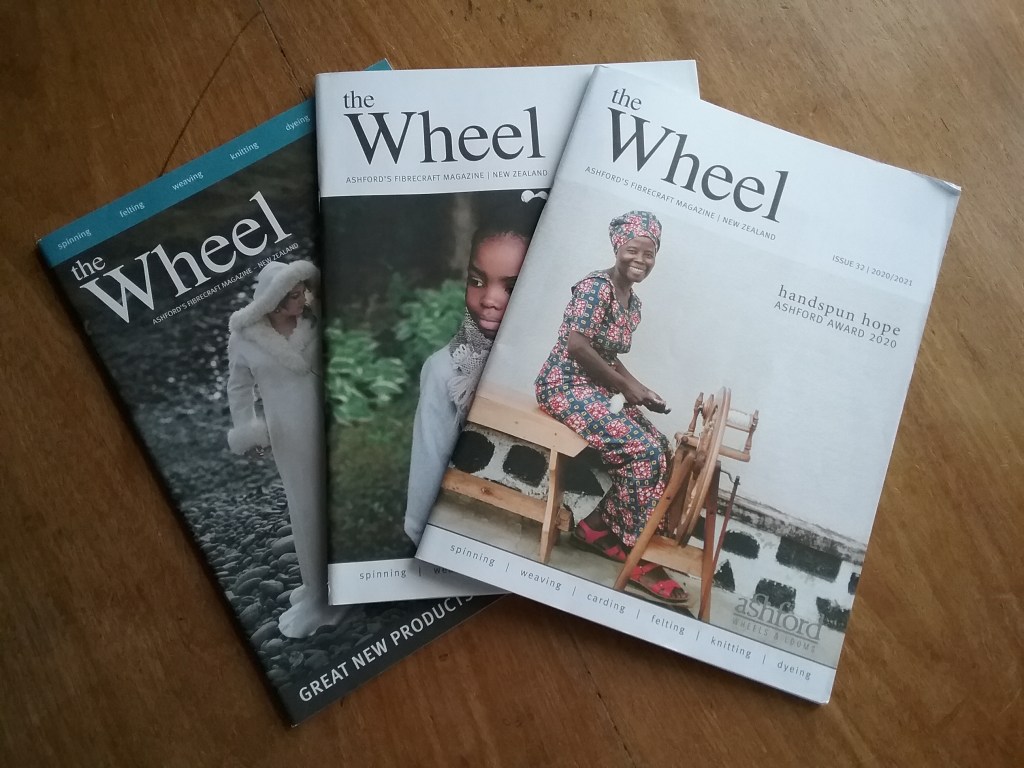
The Wheel Magazine

Author/s: Ashford Wheels & Looms

ISBN: N/A

Ashford’s annual magazine contains a variety of interesting articles written by fibre artists from all over the world. There are usually some weaving patterns, felting, knitting and spinning techniques alongside articles exploring lesser known elements of fibre craft. Although usually sourced from a subscription, Ashford also publish a non-glossy version (known as the newsprint version – pictured right) which is available free from stockists (though postage charges may apply).

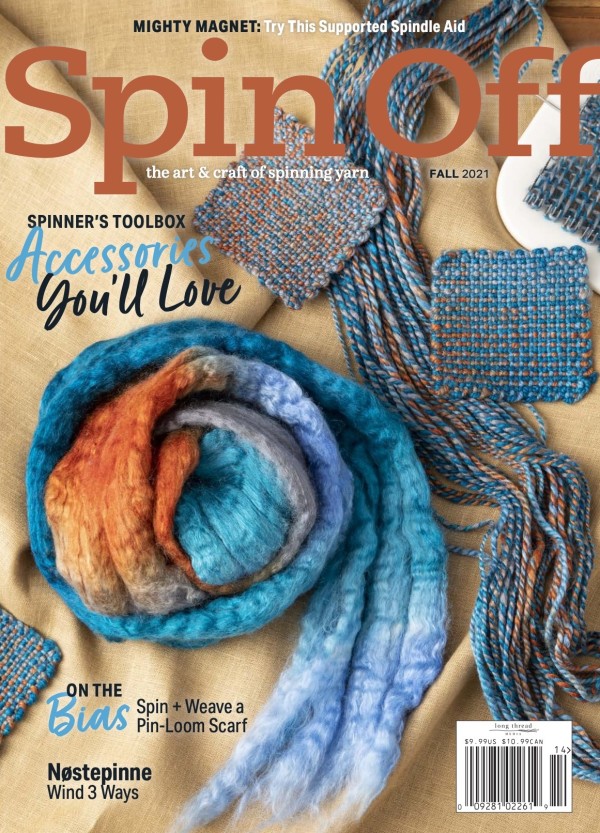
Spin Off Magazine

Spin off magazine is another magazine available by subscription, but I am lucky that my local library has many issues available to borrow for free online. Like Ashford’s The Wheel it has a variety of articles from spinning to crochet, but is a bit advert heavy. Spin off do however have some interesting articles written by fibre artists on their website (image opposite is a stock image from Spin Off’s website).

The library is a good (and free!) place to look through books and some magazines can be borrowed as well. I believe many libraries now have the option of borrowing e-book/magazine copies of titles too, so you don’t even have to venture out.

If you are looking to purchase a fibre book, then please do consider supporting an independent bookshop or craft store. If you’re in the UK or America there is a website called Bookshop.org where you can purchase books online, but support an indie bookshop of your choice (I’m not affiliated – this isn’t an ad).

I would love to know if there are any fibre books that should be on my reading list, please leave me any sugestions in the comments below.

Happy Crafting!
Optimising the Suint Fermentation Process

I first started experimenting with suint fermentation last year and it quickly became my preferred fleece washing method. I’ve made a few improvements to the process since then to make it more efficient and a little easier to manage which I thought I would share. I won’t be going into detail about how suint fermentation works as I have a dedicated post for that here.

Improvement 1 – Reducing Evaporation

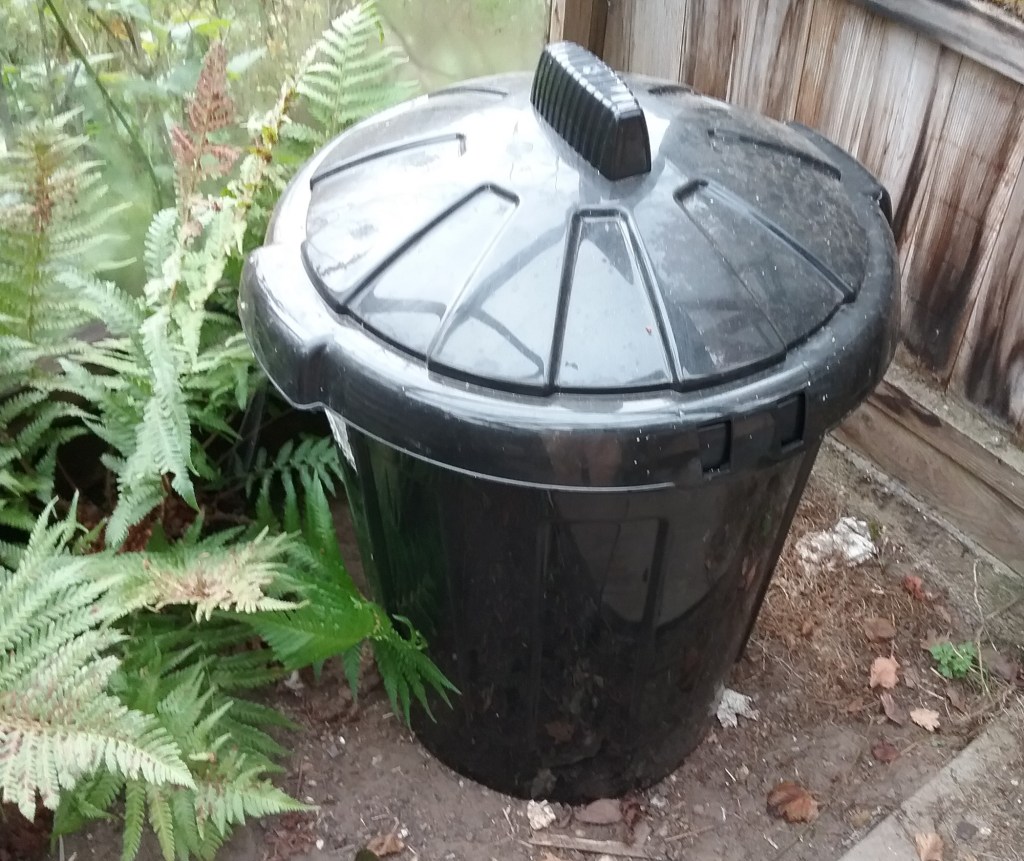
I began my suint bath in a plastic tub that I had seen others use (although I prefer not to use plastic, it is easy to clean and using some metals can affect how the wool looks if dyed). It worked, but I found if using the bath more than once that I needed to keep topping it up with rainwater which diluted the concentration of the bath. I also found that there was an added issue of insects falling in and not being able to climb out. Knowing that the suint bath was going to be a permanent fixture I decided to invest in a black plastic bin with a lid.

The lid fixes the insect issue and significantly reduces the evaporation – I only had to do a small top up once over the summer. The black plastic also absorbs and holds the heat well, which speeds up the process a bit. I’ve also located my suint bath in the greenhouse to help with keeping it warm.

Improvement 2 – Not Losing Fleece

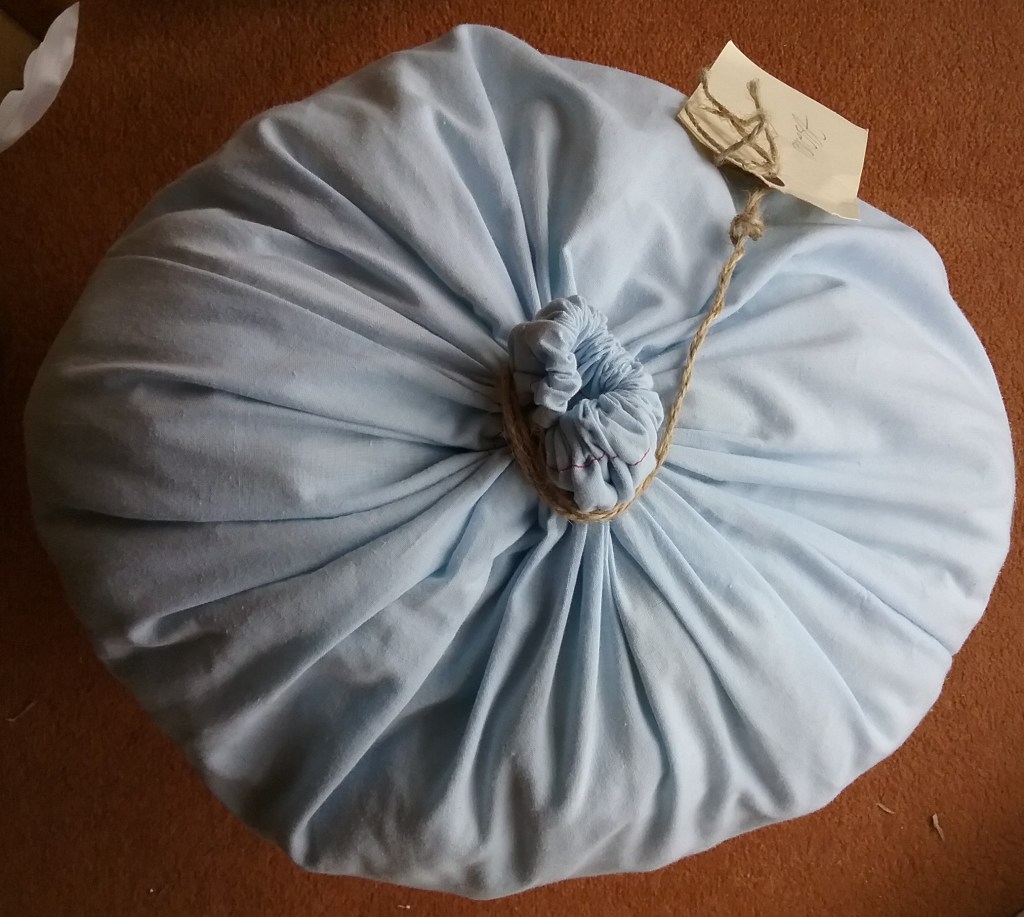
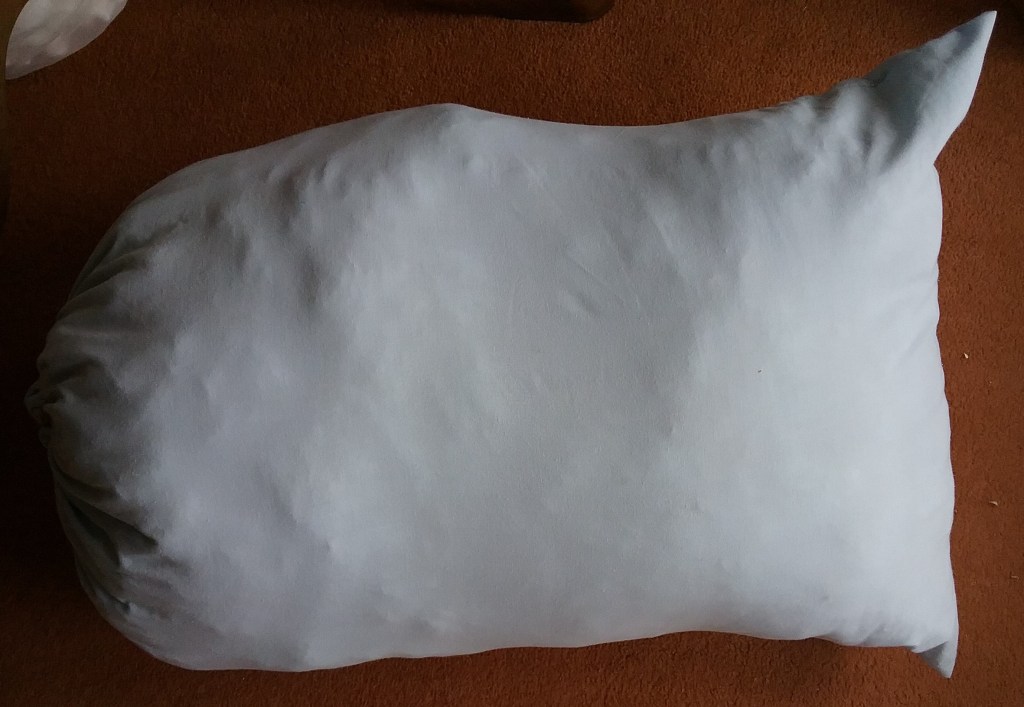
The second issue I faced was that it was difficult to remove the fleece when it had finished washing. Fleece tends to separate out in water so smaller bits would get left behind in the suint bath and the colour of the water meant it was difficult to see them. I had made some simple drawstring sacks out of an old sheet to store fleeces indoors after washing and had a couple to spare, so wondered if this might work. If using a sack for suint baths make sure that the fabric doesn’t have a dye that will run onto the fleece and make sure it’s old fabric – the sack will get very dirty.

I put the fleece to be washed into the bag before submerging it in the suint bath as usual. Although you have to undo the sack to check if the wool is clean, it was much easier to remove the fleece from the bath and it also protected it from collecting the scum that forms on the surface. A word of caution though – make sure that there isn’t too much fleece in the sack at once, as wool can absorb around 30% of its weight in water. So, if the sack is hard to lift before going into the bath it will be very difficult coming out!

Experimenting with Rinsing

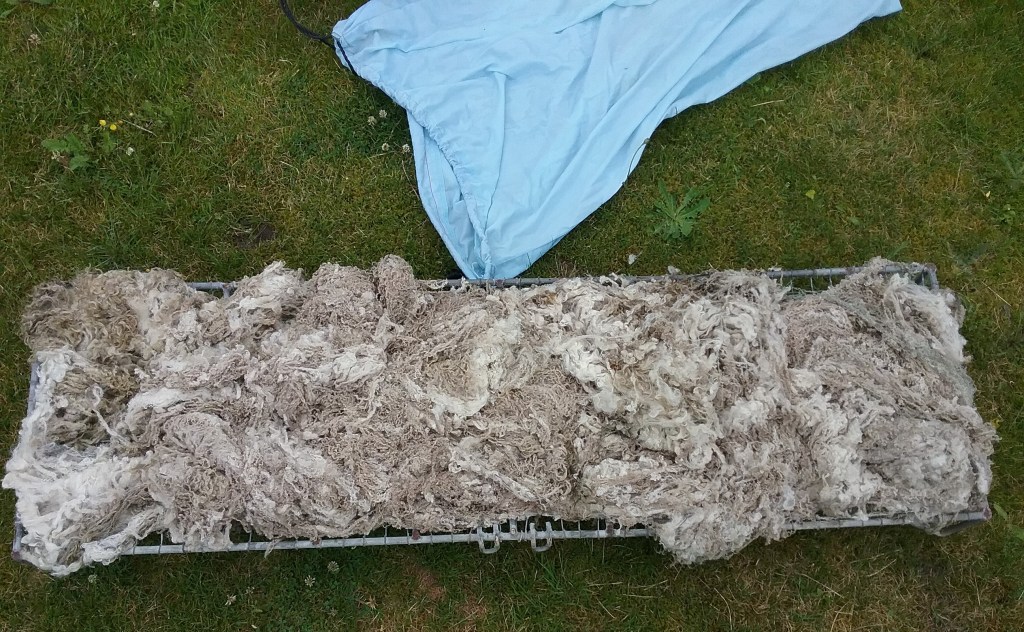
After a fleece has come out of the suint bath it needs to be rinsed in fresh rainwater. One fleece came out of the suint bath just before rain was forecast and I wondered if there would be any improvements in rinsing if I spread the fleece out on a rack and let the rain wash through it instead of rinsing it in a tub with rainwater collected in a water butt. It was difficult to tell if this was any better or not; the fleece still smelt until it dried and it was difficult to make a visual comparison, but it was definitely easy if short on time or stored rainwater.

Blue Faced Leiscter fleece after rinsing with rain

Let me know in the comments if you have used suint fermentation. I’m always glad of any advice.

Happy Crafting!
Wovember 2021 – Week 1 WIP’s

Wovember Logo

Happy Wovember! It’s been a while since my last blog post; when I haven’t been working over the summer I’ve been washing fleece ready to store over winter. Over the past few months I’ve finished some Tour de Fleece spins and have spent quite a lot of time making Christmas presents (which unfortunately I can’t show yet!). This has left me with quite a few WIP’s at various stages, which I thought I would share to start off Wovember, alongside some sneak peaks of the Christmas projects. As a bit of fun, I’m also doing this years Wovember daily word prompt challenge over on instagram.

Knitting

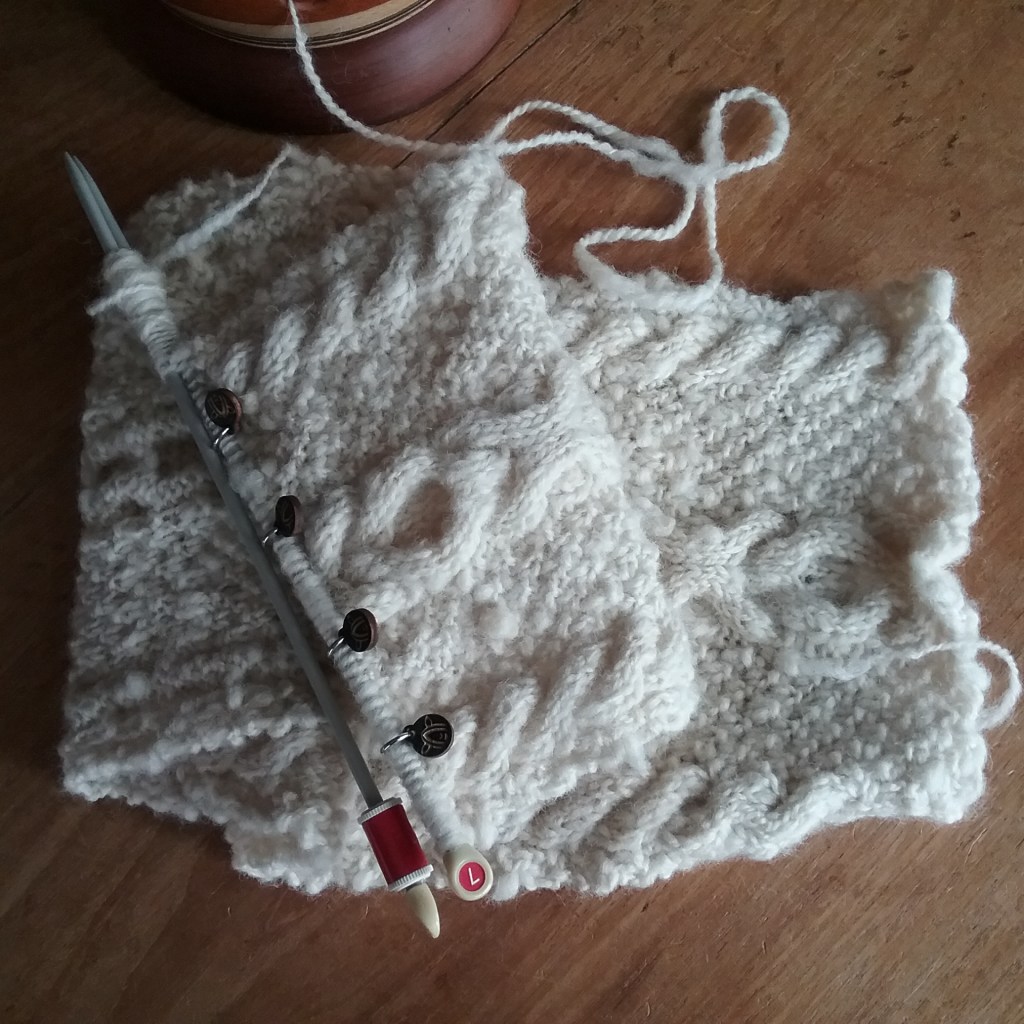
I’ve started two Romney knitting projects with the wool that I had spun. I started with a cabled cowl which is very nearly finished, but finding the right buttons proved difficult so it has been on hold over the summer. I have now decided to make my own, so hopefully this will be finished quite soon.

Romney Cowl

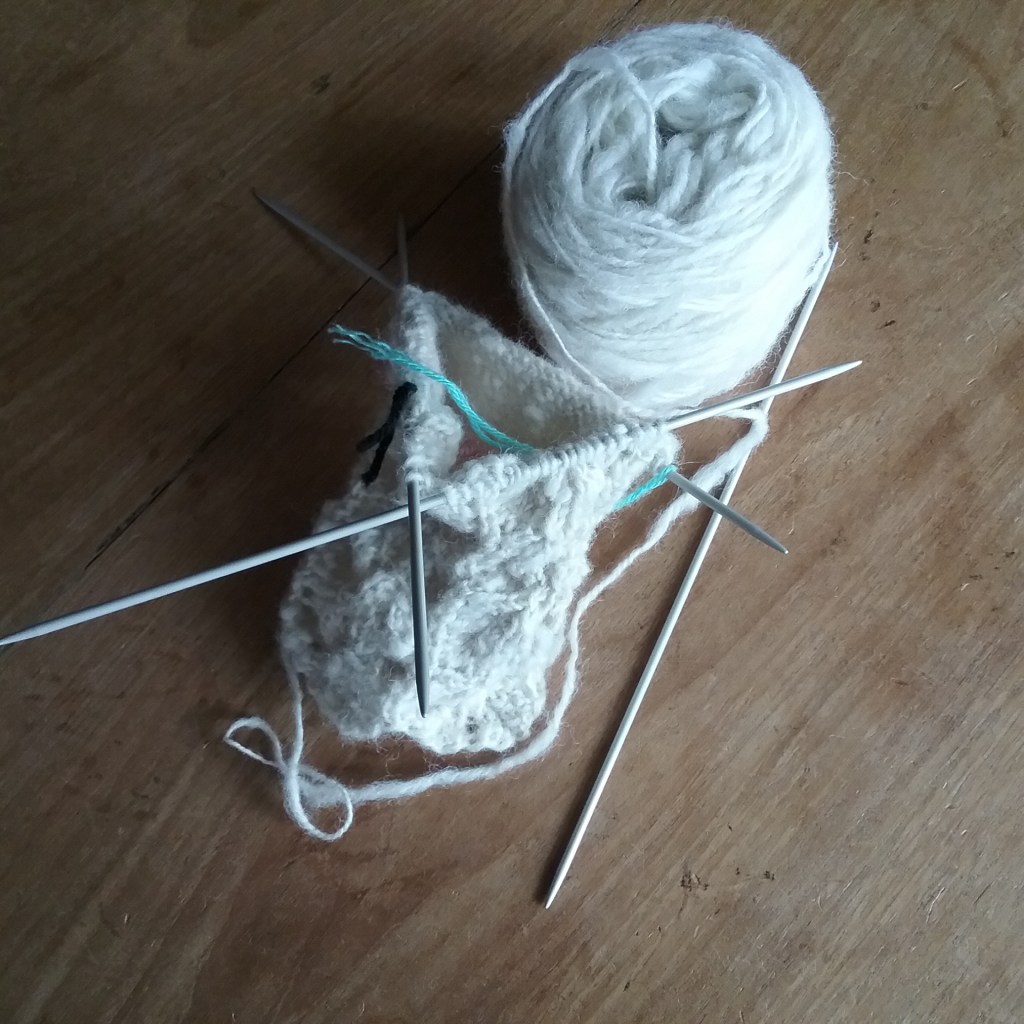
Whilst the cowl sat on the needles I decided to start knitting a pair of fingerless mittens from a book a friend kindly gifted me for Christmas. This is my first attempt at lace knitting and following a chart rather than written instructions, but the first mitten is coming along well, albeit it quite slowly.

Romney Fingerless Mittens

Weaving

I have several weaving projects on the go, most of which are for presents so below are some very small sneak peaks of those!

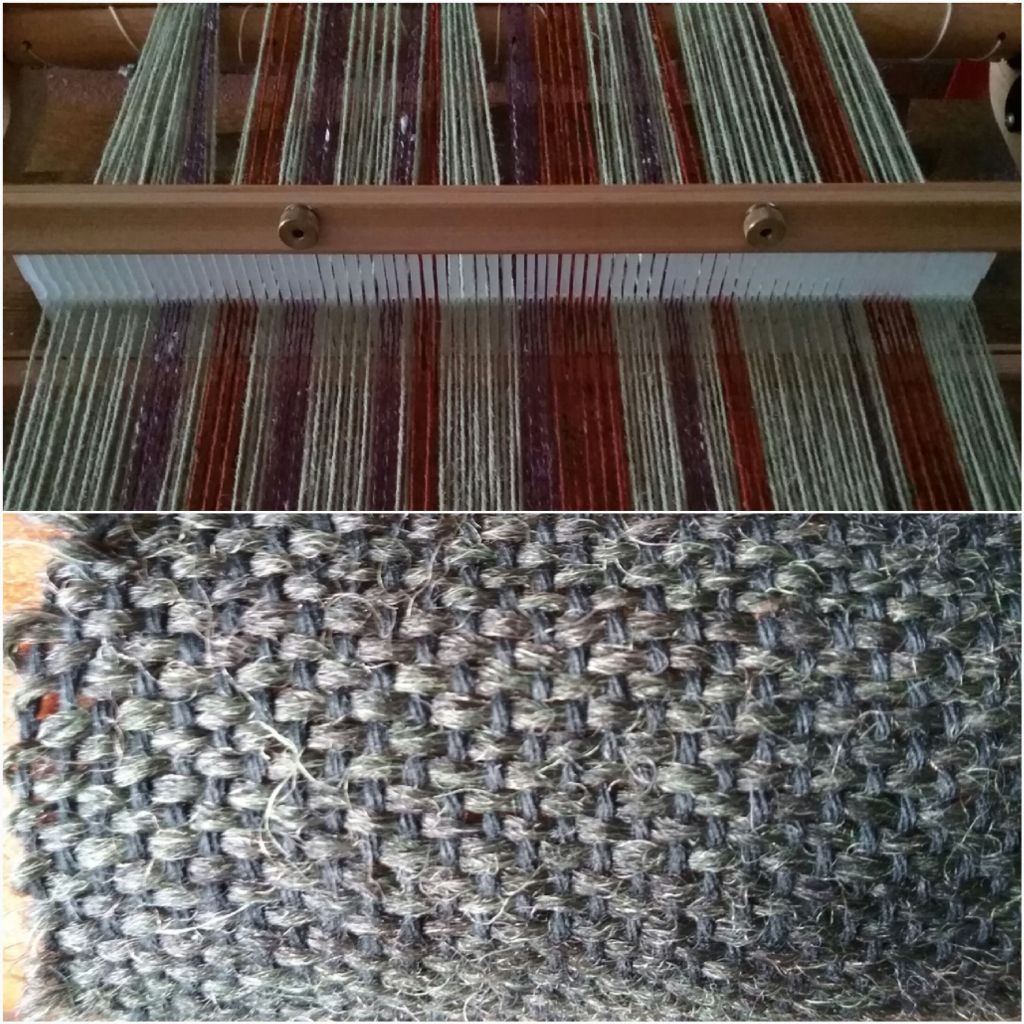
I’ve been pondering the Ryeland weave conundrum for a while. My intention was to turn the woven cloth into some kind of jumper, but it is quite springy so I haven’t yet found a shape that it holds well without looking to bulky or cutting the fabric (the weave is too open for that). It’s been sitting folded on a chair for a time and the more I look at it, the more I think it would make an amazing blanket instead.

Washing Fleece

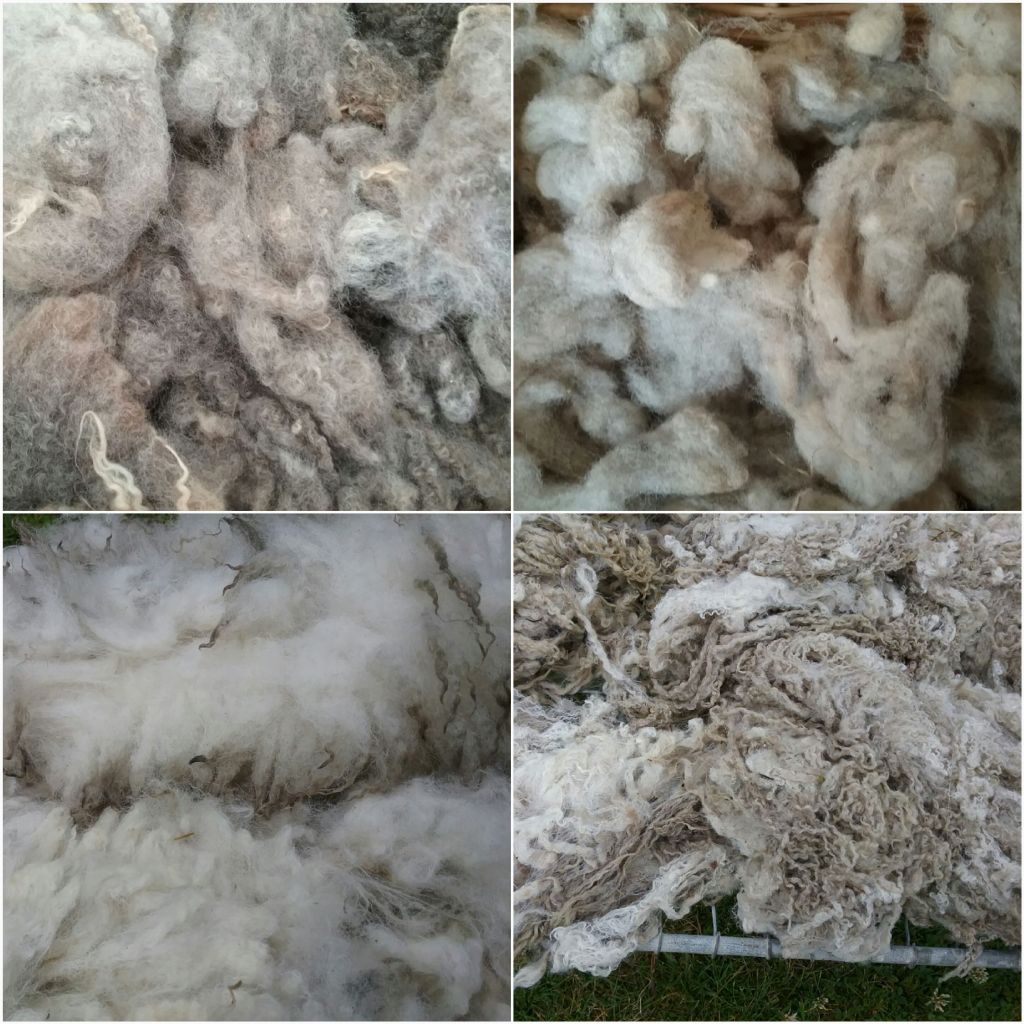
The suint bath has been in full flow over the summer months, I’ve washed a BFL, Hampshire Down, a sample of Shetland fleece and a large Clun Forest fleece (I was a bit overenthusiastic in washing this one and didn’t split it in half before washing it – it was a struggle to lift it out of the tub even with two people!). I’ve been optimising my suint method over the past year and I will do an updated post with all my modifications shortly.

From top left to bottom right: Shetland, Hampshire Down, Clun Forest, BFL

Spinning

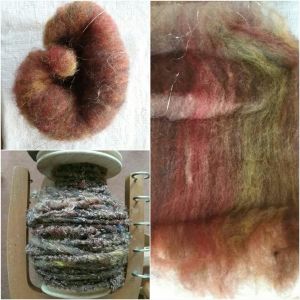
I have finished some of my tour de fleece spins (I will be doing a write up of my linen yarn after Wovember) and I’ve been continuing to spin Clun Forest – it’s a long process as there’s a lot of fleece and it’s being spun thinly. I have also been customising some yarn for a present knitting project.

Spinning up more clun forest

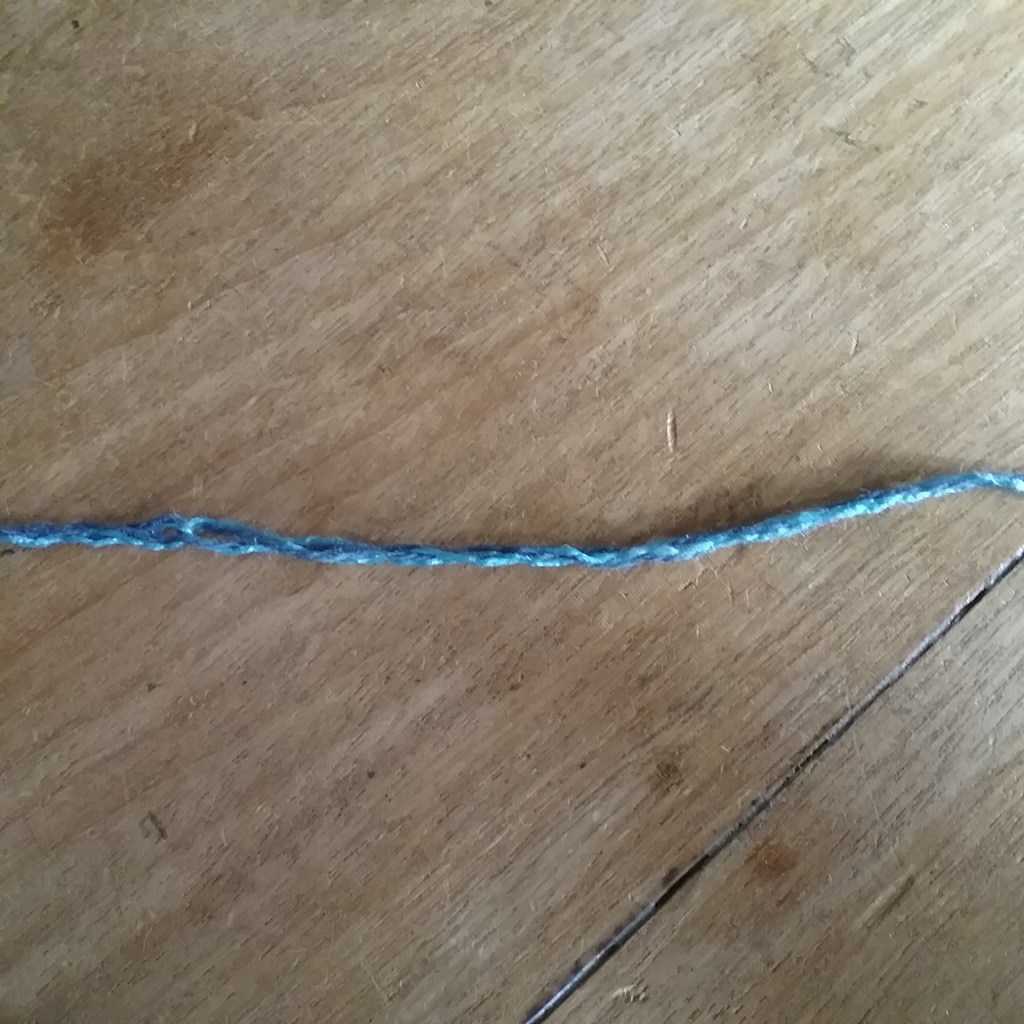
Sample of spun yarn for knitting project

That’s about all of my current WIP’s, many of them are quick finishes, so once I’ve finished making Christmas presents I will hopefully be doing full posts for them soon. I’ve linked more information about Wovember and my Wovember posts from last year below.

Happy Crafting!
Wovember was an annual blog campaign running from 2011-2017 centred on celebrating natural wool throughout the month of November. It was started to raise awareness of the importance of labelling commercial fabrics correctly (i.e. not using the term ‘made with wool’ for something made from a fluffy synthetic fibre). You can read more about Wovember and lots of other woolly information on the website.

Wovember Blog Posts from 2020:

Combating Plastic Waste: Spinning Sweet Wrappers

It is difficult in today’s society to avoid plastic entirely; particularly when it comes to packaging made from single use plastic which consumers often have little choice over. Whilst some companies are beginning to use recyclable/biodegradable packaging, I often find, particularly with large companies at least part of the packaging is not recyclable or compostable (I recently ordered some recycled cardboard folders from a large stationary company that arrived well protected in a cardboard box with paper packaging, so why did the company decide to wrap them in individual plastic sleeves first?!).

Further examples of this can be found in food packaging. About 3 years ago I had eaten some chocolate truffles – a gift at Christmas, when I looked into how the packaging could be recycled. Whilst the cardboard box could be recycled, the individual chocolate wrappers made from a non-recyclable plastic bonded to aluminium foil could not. I realised that this was the case for many individually wrapped sweets, so wondered what I could use them for instead of putting them into landfill. I considered how each wrapper is twisted around the sweet at either end and wondered if I could spin them into yarn…

Quick disclaimer – although I am aware that certain brands can probably be identified from my photographs, this post is not an attack on any brand or company (nor am I affiliated with them). Photographs are used to illustrate one method of re-use I have found for non-recyclable sweet wrappers, should you also wish to reduce your plastic waste.

Prepping the Wrappers

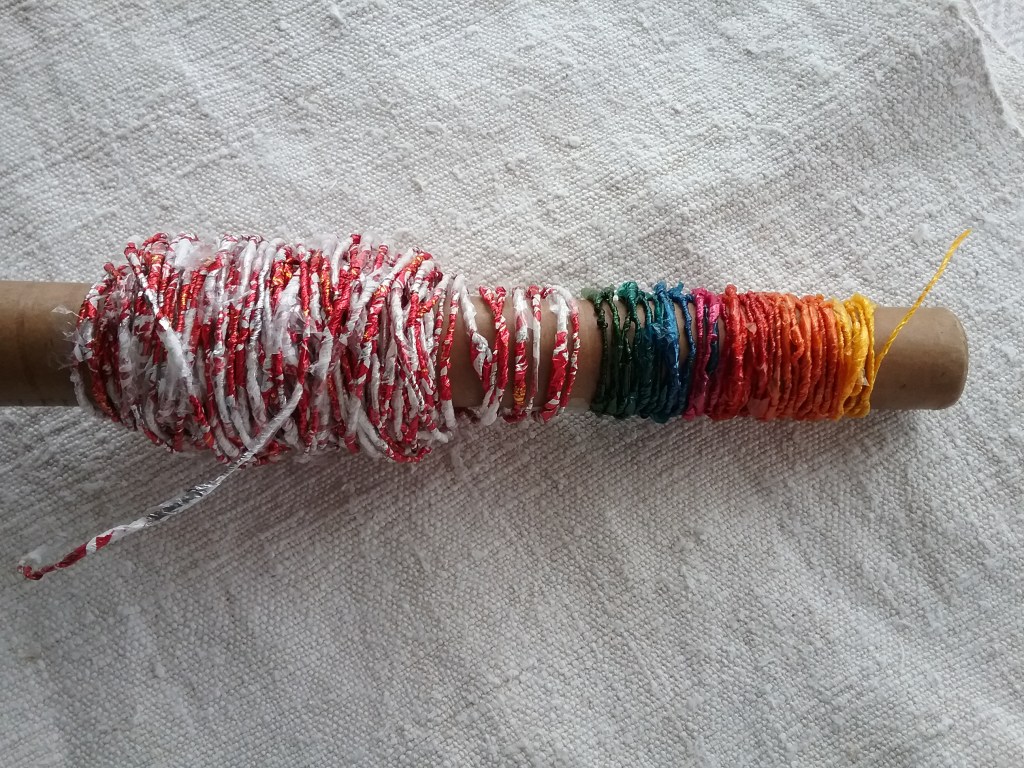
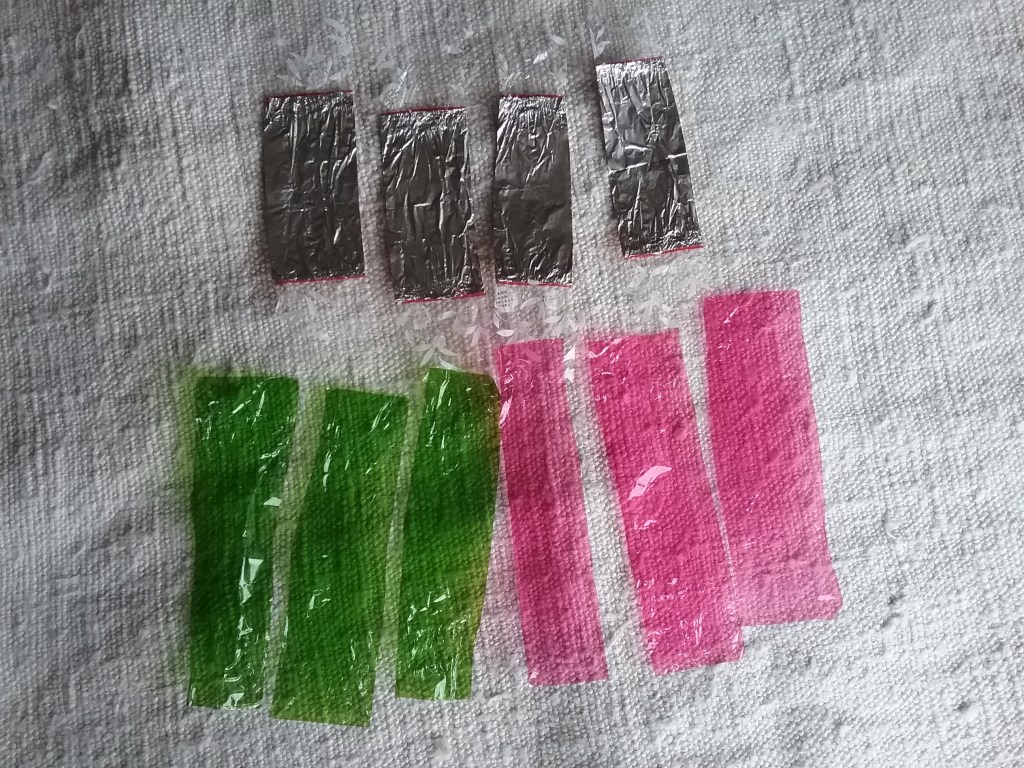
I attempted to spin the wrappers individually, but found that the twist did not travel through well enough, so I decided to cut each wrapper into strips about 1.5-2cm wide as shown below. Please also note that to produce the amount of yarn above, I asked my family to straighten and save their wrappers for the following two Christmases – it drove them mad, but stopped the wrappers going to landfill!

Spinning the Wrappers

Spinning a solid material is very different to spinning fibre. The wrappers twist, but cannot be drafted and the yarn did not get taken up onto the bobbin – I had to stop every 3-4 strips and wind it on manually. Treadling needs to be very slow and you don’t need much twist to spin with. Also as a quick safety note, please be aware that both the plastic and the foil edges on the wrappers can be sharp when handled in this way.

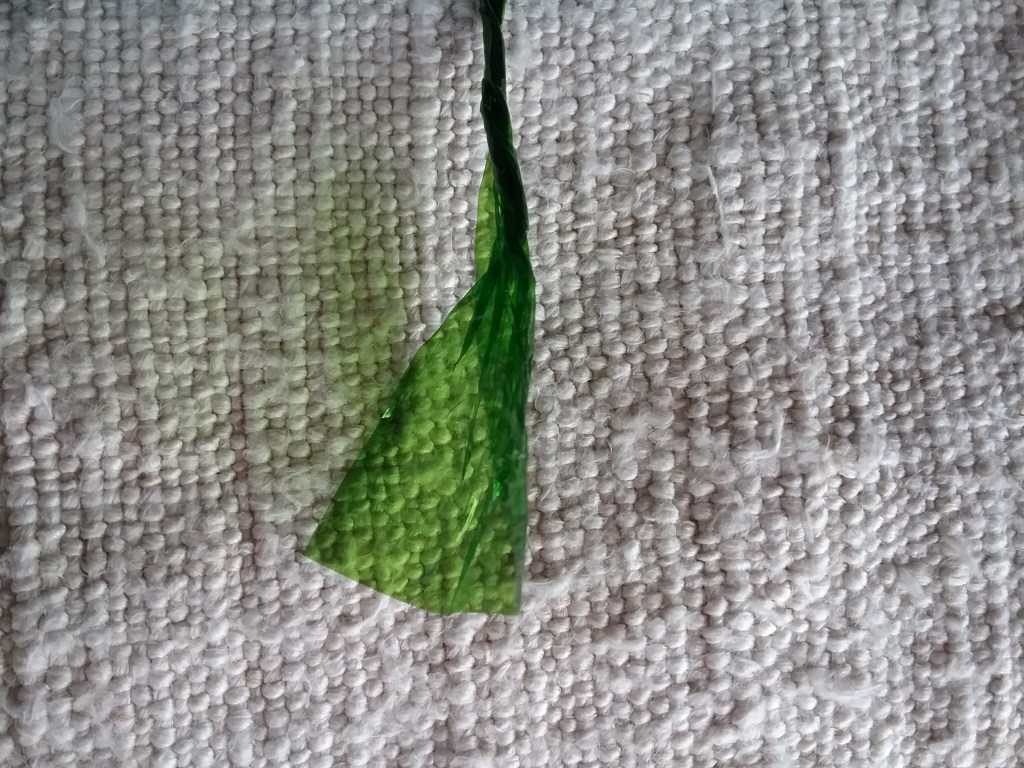
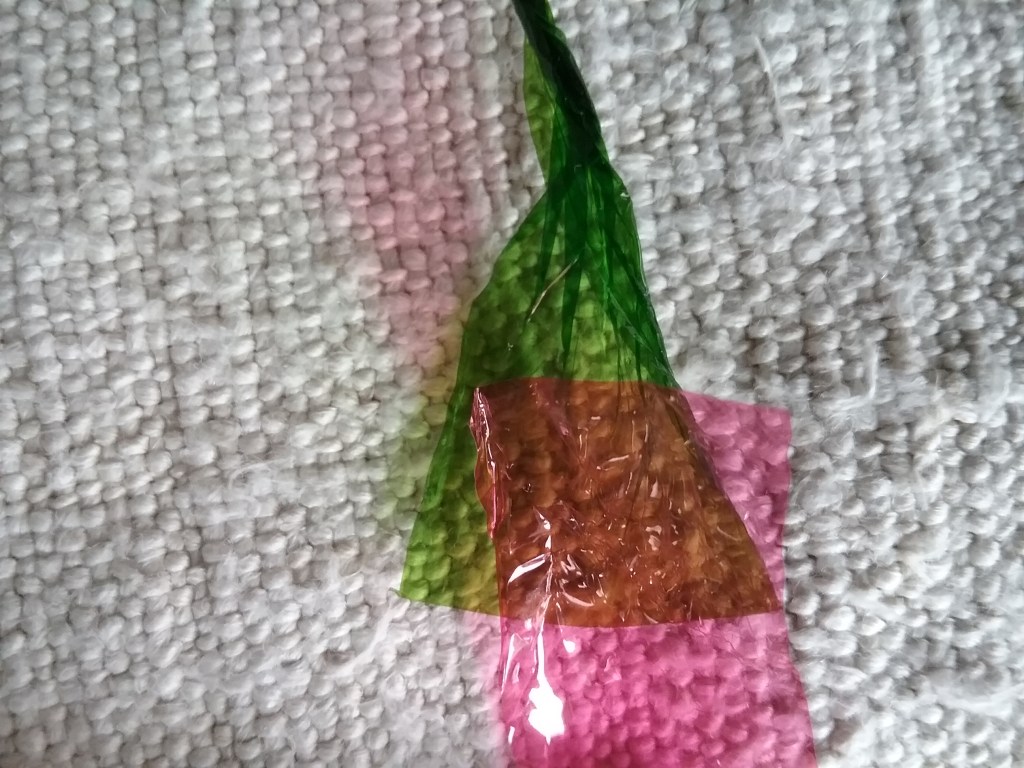
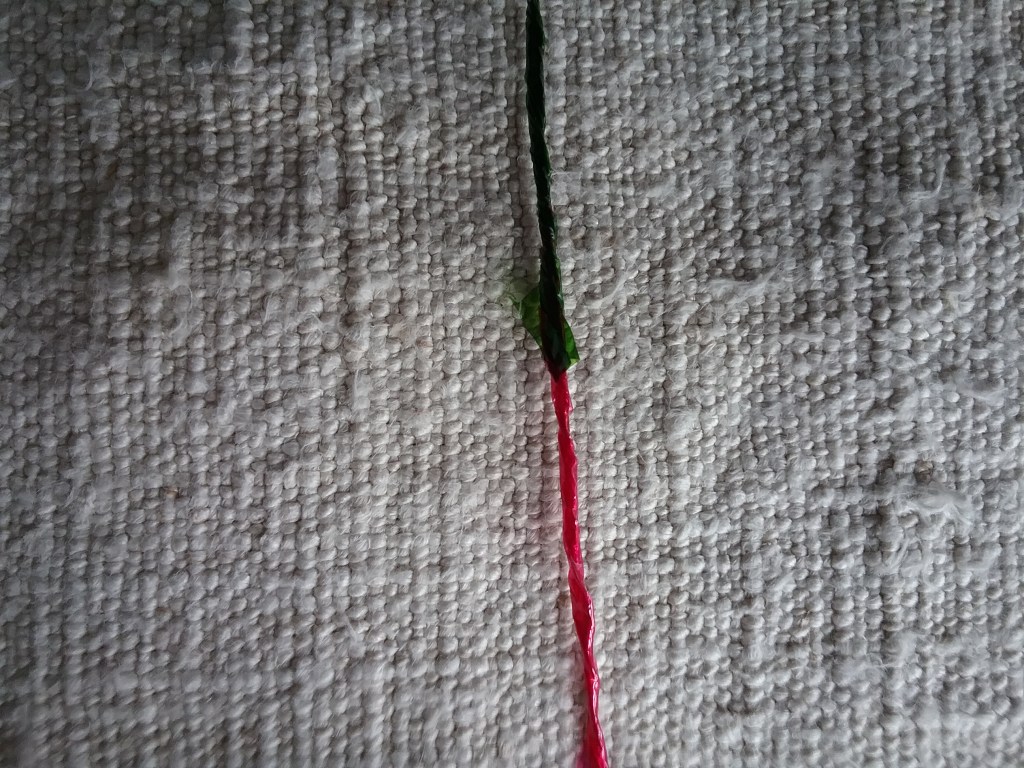
Spinning will always twist the ‘fibre’ in a diagonal direction, so to get the most length out of each strip (if you are spinning with the wheel clockwise) it is best to start in the top left corner and allow the twist to move down to the bottom right (fig.1). Upon reaching the bottom 1-2cm another strip needs to be attached. To do this I overlapped the top left corner of the new strip on top of the bottom right corner of the old strip (fig.2). To begin with I found it useful to stop the wheel whilst positioning the strips. Continue spinning and let the twist travel down catching the new strip in the last 1-2cm of the old strip (fig.3). The process then begins again.

It’s quite a simple process, but does require practice, perseverance and some trial and error. The ‘yarn’ itself is rigid and very rough, but is surprisingly sturdy. I haven’t decided if I’m going to try knitting or weaving with it or what I will turn it into (please feel free to leave any ideas in the comments!) This method should work with any kind of plastic sweet wrapper (with or without foil – I’ve tested it with both) and I imagine that a modified method would work with newspaper and possibly fabric scraps (perhaps I’ll try that another day!).

Let me know if you think you’ll attempt spinning sweet wrappers in the comments below, or if you’ve done any unconventional spinning lately.

Happy Crafting!
Tour De Fleece 2021 – Week 3 Wrap-up

Tour de Fleece 2021 Wool Spins

Today was the final day of Tour de Fleece 2021 and like most people; I thought I could do more in 23 days than I would normally do in 3 months! This week’s spinning has been a bit more varied with some project finishing, stash busting and experimenting. Below are my daily progress photos from days 16-23 (11th July – 18th July).

How did my experience compare to my initial challenge?

I wrote a blog post at the start of tour de fleece to set out a general list of aims/projects for my challenge, so which of those did I manage to achieve?

Timing – I fluctuated around my 1 hour time guide, some days I spent much longer, others much shorter and I wrote off day 6 due to bereavement. Even with limited time I still managed to get quite a lot done and kept up the daily photos & weekly updates.

Fibre Crafts – 23 days seemed a long time when I started TDF so I gave myself a list of 5 fibre crafts that would ‘count’ in my challenge. Based on my photos (excluding day 6) here was the percentage breakdown of what I did each day:

  • Spinning – 82%
  • Carding/Combing – 14%
  • Fleece Washing – 0% (although un-documented, I did put a fleece into the suint bath)
  • Weaving – 0%
  • Knitting – 4%

Spinning ended up being the focus (although I didn’t expect it to be) and I didn’t get any WIP’s finished. I did however do quite a lot of stash spinning which I can now use in projects and I started on the Clun Forest spin (I have a big weaving project planned for this, but need to do some sampling to see how suitable the fleece will be, so I can now make a start on that). I spent the rest of my time experimenting with different techniques and fibres, which has been incredibly useful in helping me decide how I want to process other raw fleeces in my stash and has given shape to future projects (I have plans to try growing some flax next year to process).

Will I do it again? – I will definitely be joining in with Tour de Fleece again, I may change my strategy next time and attempt just one or two larger projects instead of lots of smaller ones, or I might devote it to learning/trying out a new technique each day, depending on what I have in my stash at the time.

The links to all my Tour de Fleece 2021 blog posts are below:

Did you join in with Tour de Fleece 2021? Are you hoping to join in next year? Feel free to share your thoughts in the comments section below and let me know if there is anything from my Tour de Fleece that you would like more information about.

Happy Spinning!

Tour De Fleece 2021 – Week 2 Wrap-up

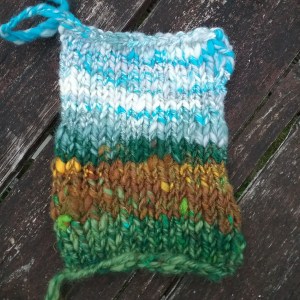
Tour de Fleece week 2 has been a little less varied than week 1. I began the week by experimenting with turning a landscape into yarn inspired by Ashford’s blog. The rest of the week was devoted to Clun Forest spinning. I have a weaving project in mind for this which will require thin warp threads, so I’m spinning thinner singles than I have spun before. Although I get more length this way, it means the bobbin takes longer to fill, so I haven’t got round to plying yet – hopefully next week. Below are my daily progress photos from days 9-15 (4th July – 10th July).

For more information about my tour de fleece challenge my introductory blog post is here and my week 1 wrap up is here. I’m also posting my progress photos daily on my instagram.

If you are also joining in with Tour de Fleece (whether part of a group or going it alone like me!) I’d love to hear how you’re get on – feel free to share your progress/goals in the comments section.

Happy Spinning!

Tour De Fleece 2021 – Week 1 Wrap-up

Week 1 of Tour De Fleece got off to a good start, but I called day 6 a write off after losing my beloved pet and spinning companion. Although I don’t feel very creative at the moment, I’m too stubborn to give up, so am doing my best to pick up where I left off. This week has mainly been devoted to stash busting with a little fibre prep for my breed studies (full posts as usual on those in due course). Below are my daily progress photos from days 1-8 (26th June – 3rd July).

For more information about my tour de fleece challenge my introductory blog post is here. I’m also posting my progress photos daily on my instagram.

If you are also joining in with Tour de Fleece (whether part of a group or going it alone like me!) I’d love to hear how you’re get on – feel free to share your progress/goals in the comments section.

Happy Spinning!

Tour De Fleece 2021

This year I have decided to participate in Tour de Fleece. This is an annual spinning event where crafters spin on every day the cyclists of the Tour de France ride. This year the dates are 26 June 2021- 18 July 2021. Although there are official Tour De Fleece groups on social media (Facebook and Ravelry I believe), you don’t have to be signed up to them to join in the fun.

Although Tour de Fleece is about spinning; the idea is to set yourself a challenge and have fun, so I’ve decided to adapt it for myself to include any of the following activities:

  • Spinning
  • Carding/Combing
  • Fleece Washing
  • Weaving
  • Knitting

This is because most of my wool stash is raw fleece and I can’t spin it until it has been processed. I’ve also included knitting and weaving so I can hopefully finish some WIP’s. In order to keep a focus on spinning, I am hoping to fit in some experiments with plant fibres and spin up some of the roving in my stash that has been waiting for my bobbins to be free.

I aim to spend about 1 hour a day on Tour de Fleece, but I’m not going to be too strict about this.

To hold myself accountable I will be taking progress photos and will be posting these daily on my newly created instagram and also in a blog post at the end of each week.

If you are also joining in with Tour de Fleece (whether part of a group or going it alone like me!) I’d love to hear how you get on – feel free to share your progress/goals in the comments section.

Happy Spinning!

Spinning: Romney

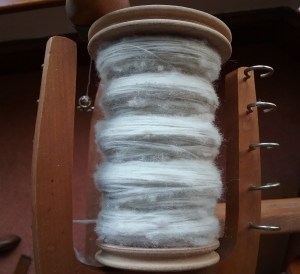
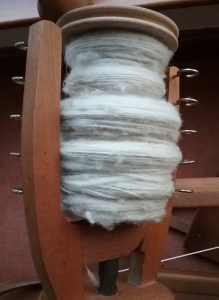
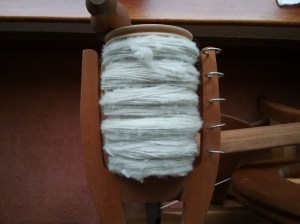
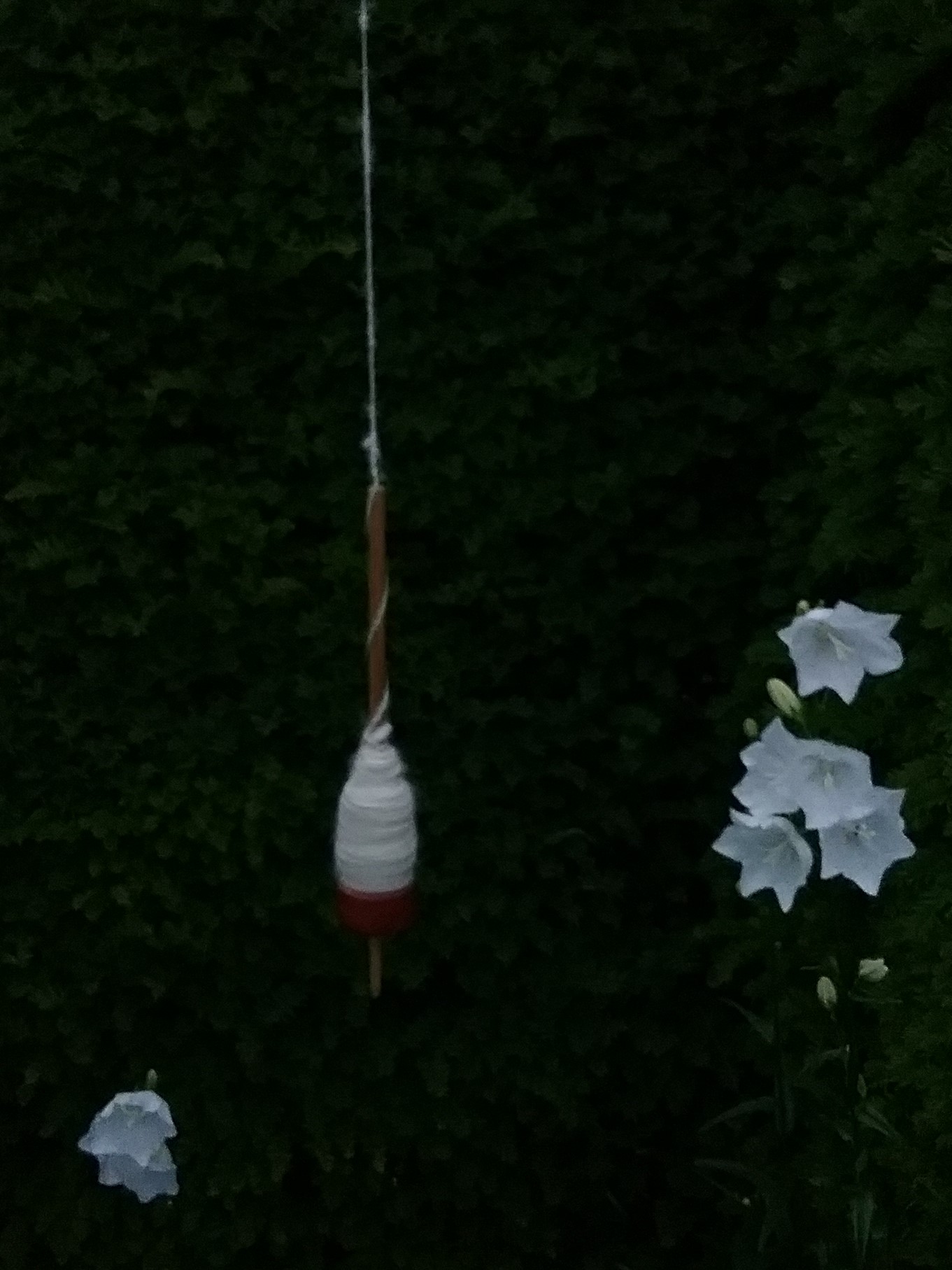
Romney Singles on the lazy kate

Spinning Singles

As the fleece had been carded into rolags I began by spinning woollen (long draw) as is convention. Due to the length of the fibres however, I found I had less control over how fast the twist was entering the drafting zone and found that spinning with a full long draw was allowing twist to get into the un-drafted fibres. I decided to spin using a short draw instead which gave me more control when spinning and seemed to show off the natural lustre of the wool much better.

Romney fleece being drafted directly from the carder

At the moment I have no wool combs to compare the differences between the preparation types, but I had read about spinning directly from hand carders also facilitated worsted spinning. Spinning in this way means the fibres are aligned straight much like they would be on combs, so I thought I would give it a try. I carded the wool as usual, but left it on one carder without making a rolag. I then attached the fibre on the left hand side to my leader and started spinning, drafting the wool directly from the carder, gradually moving across the carder until reaching the right side, upon which I moved back again (in a similar way to how you would use a diz). This method produced a yarn with slightly less ‘halo’, so was probably quite similar to if the fleece had been combed. I have saved a small sample of fleece, so when I get round to DIYing some combs I will update this post with a proper comparison. Spinning directly from the carder felt quite strange to me, as I would normally use both hands for short draw, but with this method one hand had to hold the carder while my non dominant hand had to hold tension and draft at the same time. With more practice I’m sure this is something I would get used to.

Romney yarn with less ‘halo’ drafted directly from the carders

Plying

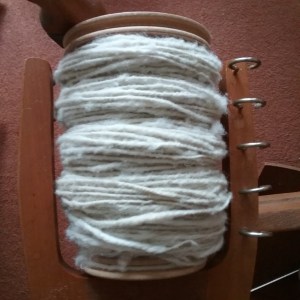
I believe the Romney singles are the thinnest I have so far spun, so although the lack of nepps/additional texture made for easy plying, it seemed to take quite a long time for the bobbin to fill with 2-ply. The wool plied quite neatly and seemed to naturally even out any thicker areas in the singles rather than accentuating them. The total length of plied yarn from 1kg of Romney fleece was approximately 1044m.

Setting the Twist

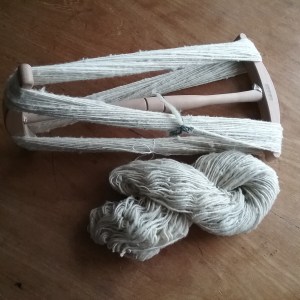
After plying I washed the wool in warm water with some pure soap just to set the twist. The yarn was quite stiff coming off the niddy noddy, but had much more drape after drying. Quite by accident I was also able to see the felting point of Romney fibre. During one wash I forgot to add some cold water to the bowl and after drying the fibres had started to felt together (thankfully I was able to separate them gently). I imagine with more agitation the fibres would have felted irreversibly.

Skein of Romney Wool

Comparing my spinning experience with my initial research the yarn does indeed have a very pearly lustre which should show up nicely in the final project/s. The woollen preparation method seems to have given the yarn a nice spring but the worsted spinning has given it more drape than the other fleeces I have worked with. My Romney yarn feels soft enough to wear next to the skin so I think my final project will probably be another accessory/garment with some sort of homage to the smuggling history of Romney Marsh. I also plan to cover spindle spinning with the small amount of Romney I have saved to comb, so I will update this post then.

Happy Crafting!
Fibre Prep: Romney

Romney Fleece

The Fleece

I purchased this fleece from Romney Marsh Wools during virtual Fibre East last year. Romney Marsh sell fleece in either 500g or 1kg amounts rather than as full fleeces and the fleece is pre-skirted with all dags etc. removed. This meant that all of the really dirty work was already done for me, as apart from a couple of bits of straw, there was very little other VM and I couldn’t see much kemp. I would definitely recommend purchasing fleece in this way if you want to have a go at processing raw fleece, but don’t want to get too messy and want to be sure of the quality.

Quick disclaimer – This is not an ad, links are provided for reference only.

The fleece itself was incredibly soft and was greasier than I expected it to be from my research (see the yellowish tinge to the fleece in the above photos). The crimp was well defined and it had a very bouncy quality and a gorgeous lustre.

Washing

As has been my method most of last year, I decided to put it in the suint bath. Last autumn, I decided to optimise my suint method and found myself a large lidded bin to submerge fleeces in (this prevented the water from evaporating and also stopped insects falling in). The Romney fleece was the first to go into this new bath, so I left it in there for a week before rinsing it in clean rainwater and hanging it out to dry. The suint bath left it very soft and maintained its crimp and lustre. There was still a little grease in the fleece and I could have spun it as it was, but as I was going to be storing it indoors for a while before any further prep, I opted to give it a wash using some gentle soap to remove the rest of the grease.

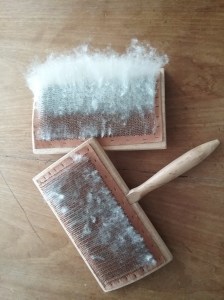
Romney locks spread on hand carders

Carding

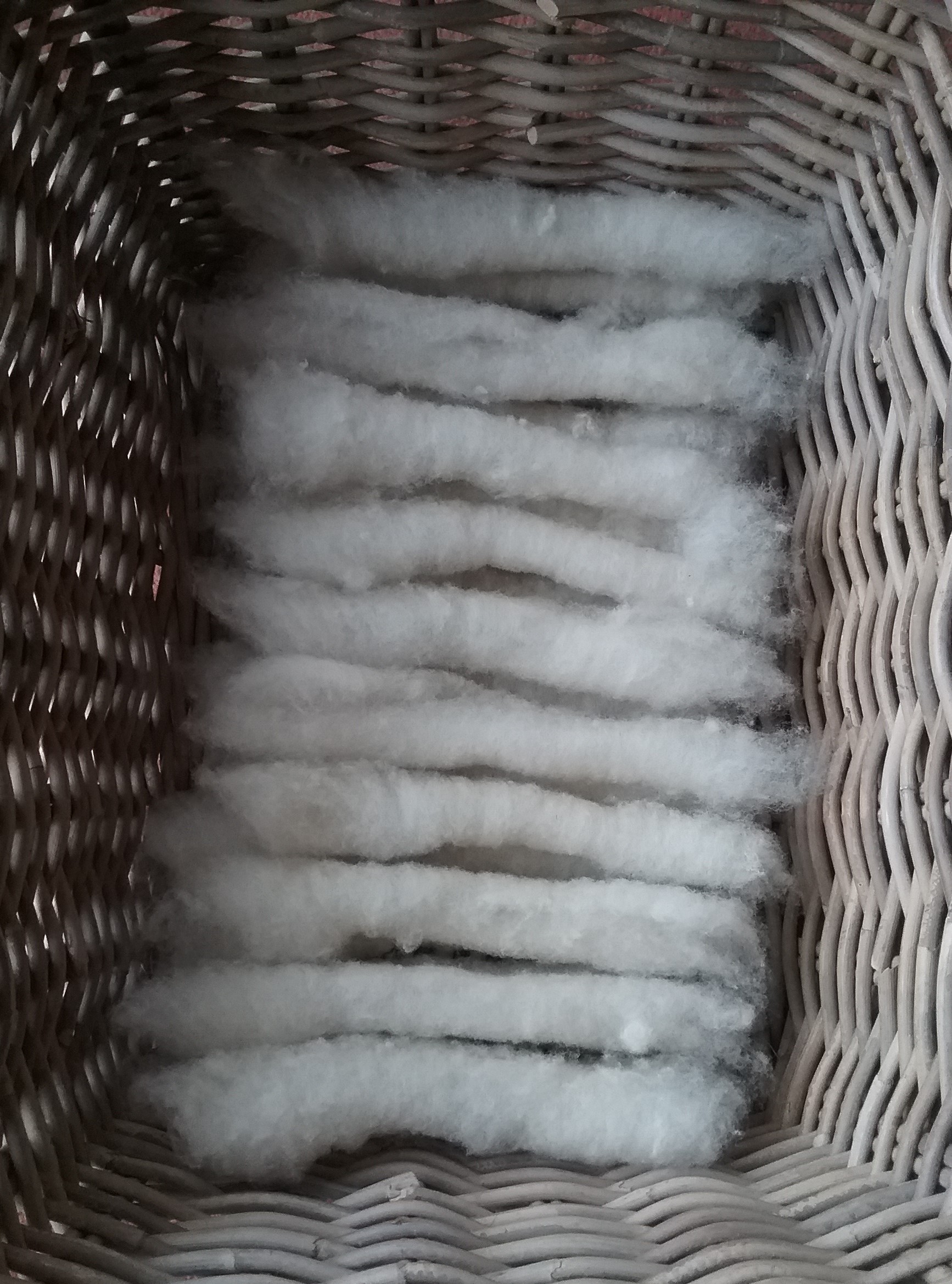
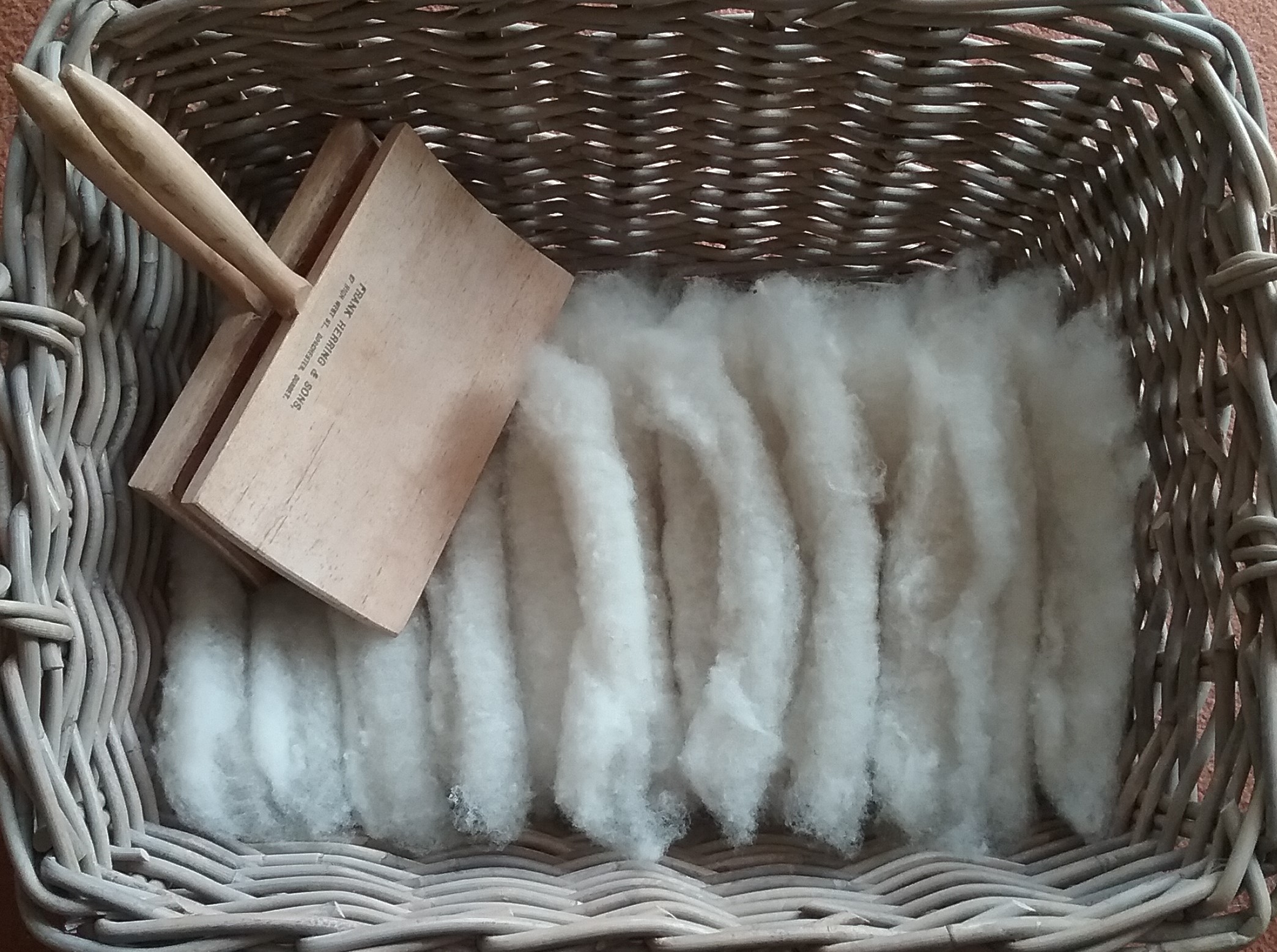
As the fleece was clean and the locks separated easily, there was no need to put it through the wool picker before carding. The average staple length for my fleece was 18cm which is much longer than the other fleeces I have prepped. I only needed to make about 2-3 passes with the carders, however it was slightly harder to manage the wool, as it tended to fan out at the edges – see right. The rolags produced were very full and airy.

I imagine that combing wool of this length might be easier than carding it. I do have plans to DIY myself some wool combs in the future, so I will keep a small amount of this fleece back in order to eventually do a comparison of the two methods.

Alongside making rolags, I thought I would also try out another method I recently heard of, where the fibres are carded and then spun directly from the carder much like dizzing off a comb, but I will discuss this further in the spinning post.

Carded Romney Fleece
Romney Rolags

As always, let me know if you have any tips/advice in the comments below.

Happy Crafting!
Further Reading about Romney

  • Breed Society Website – romneysuk.com
  • British Sheep & Wool by the British Wool Marketing Board – ISBN 9780904969108
  • The Field Guide to Fleece by Deborah Robson & Carol Ekarius – ISBN 9781612121789