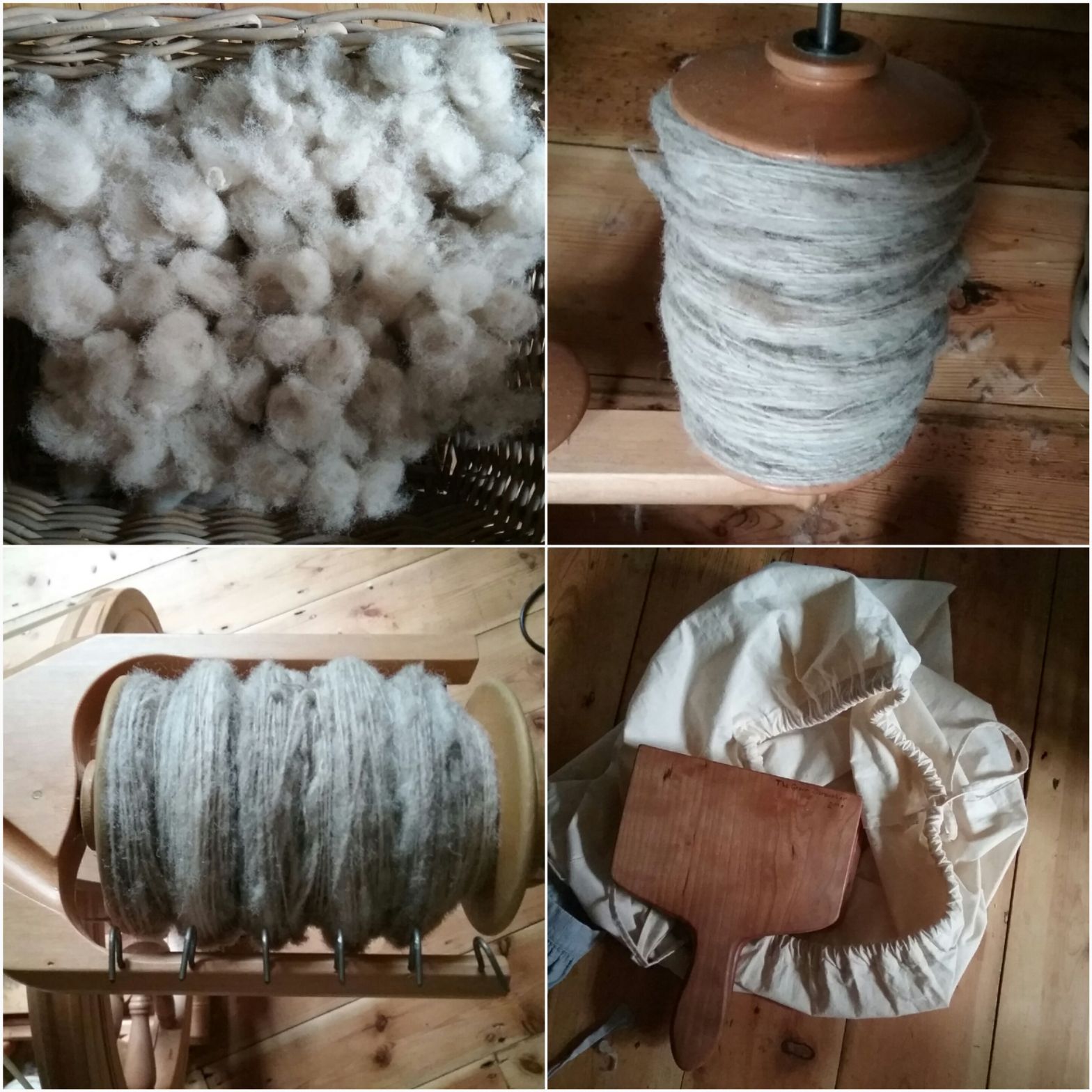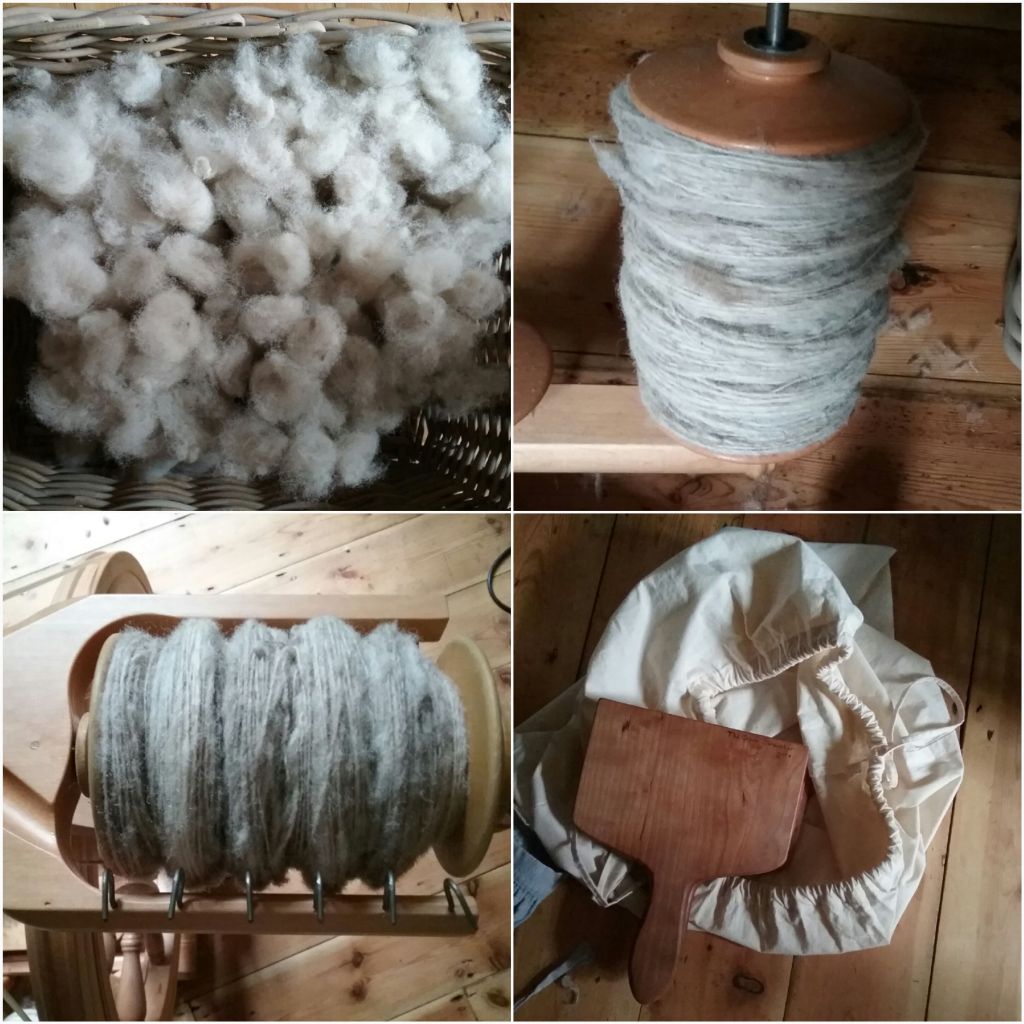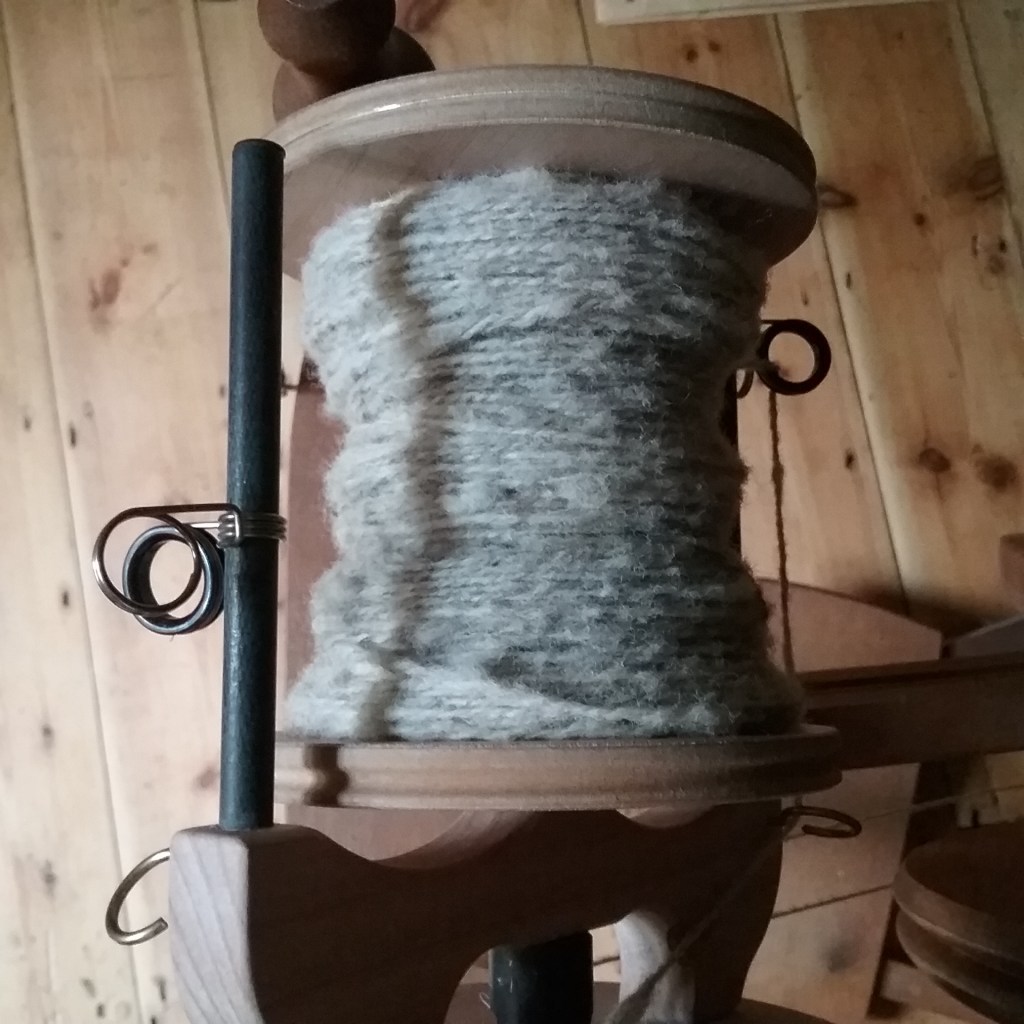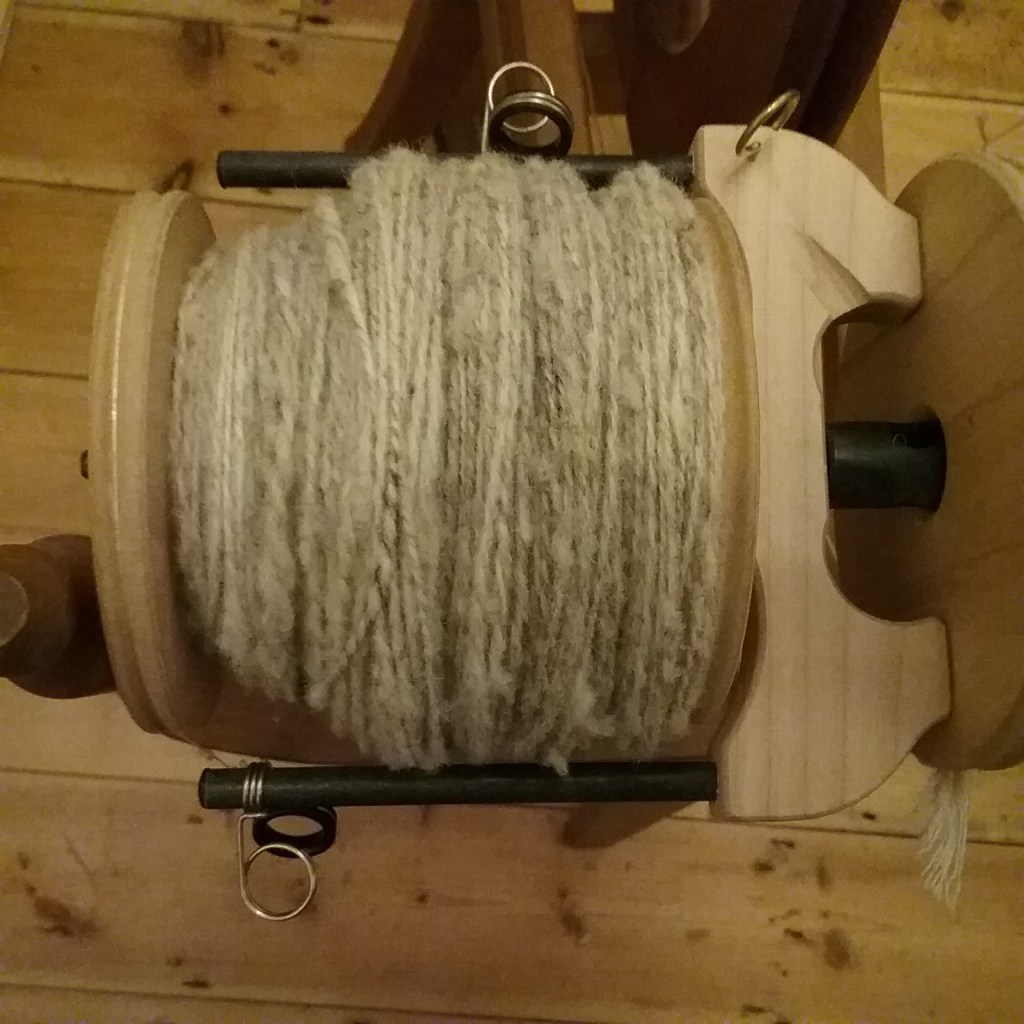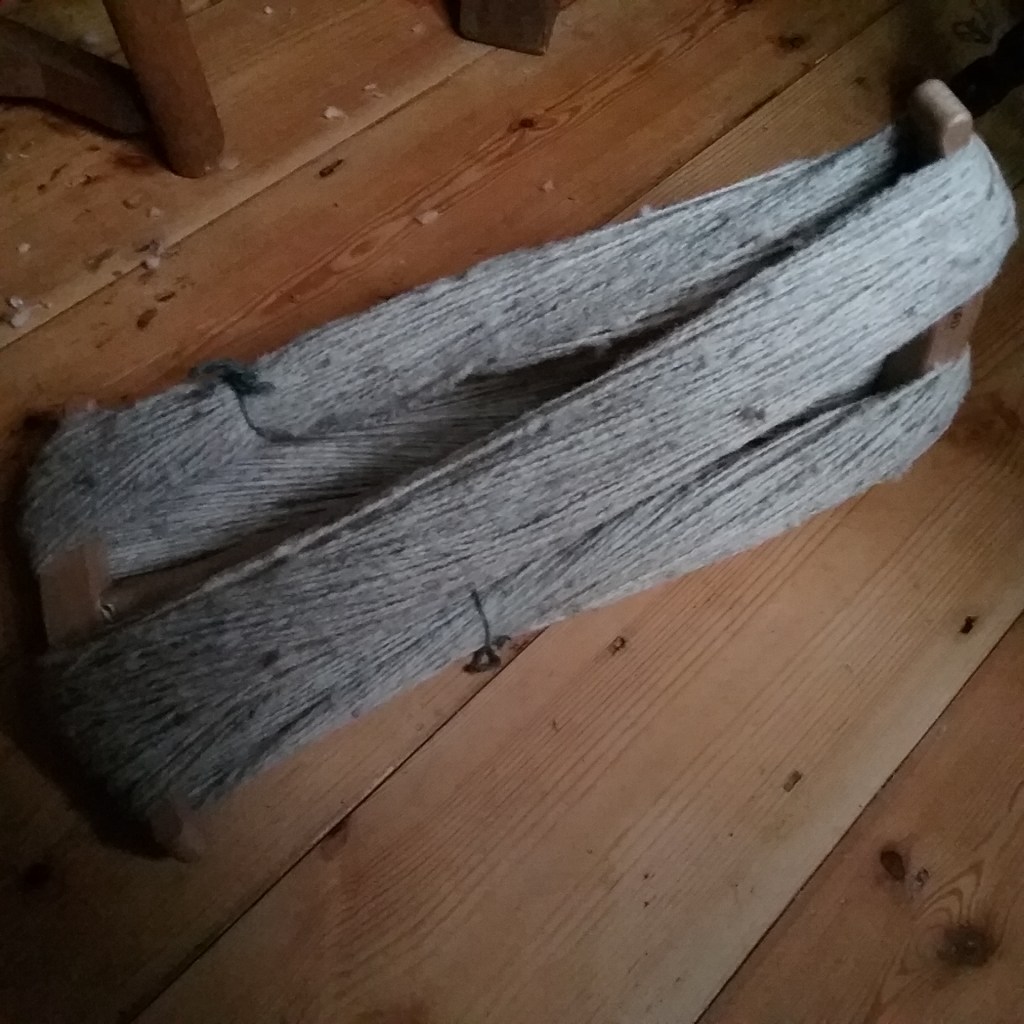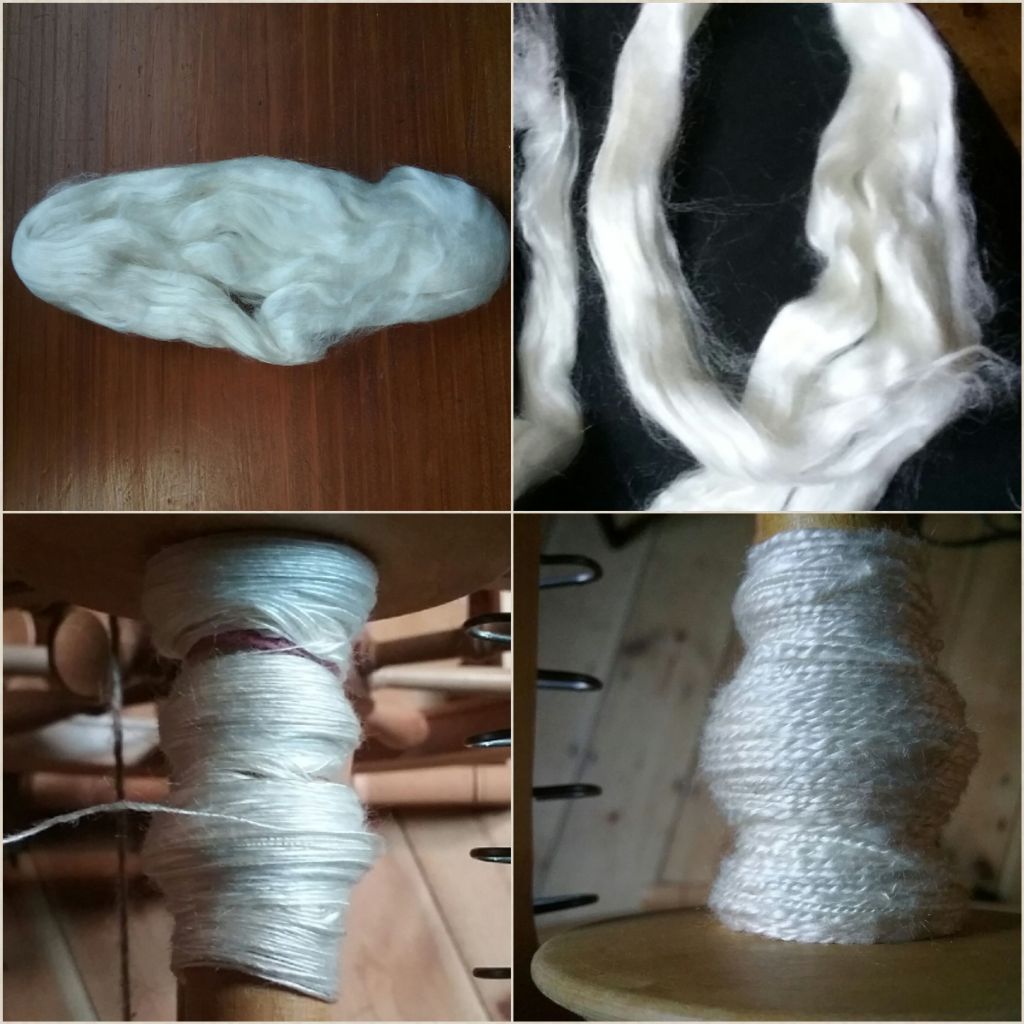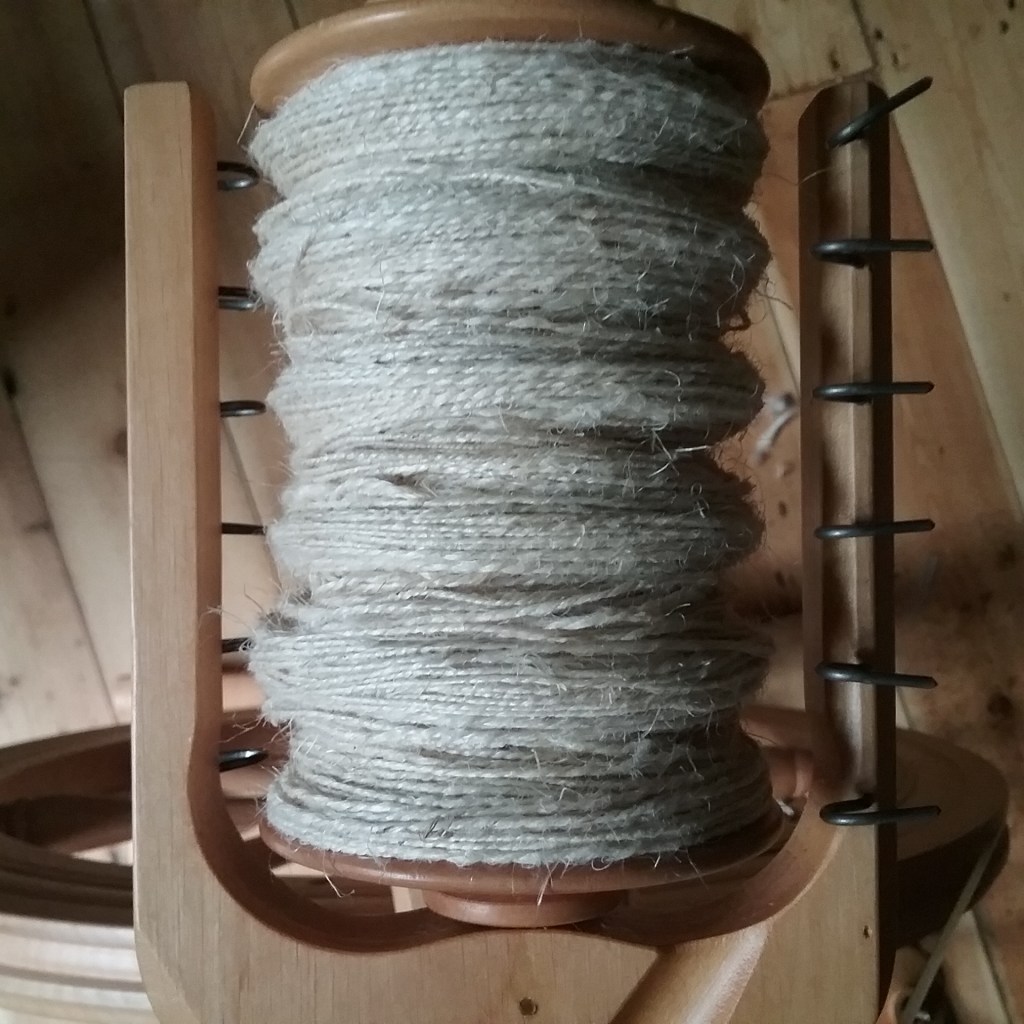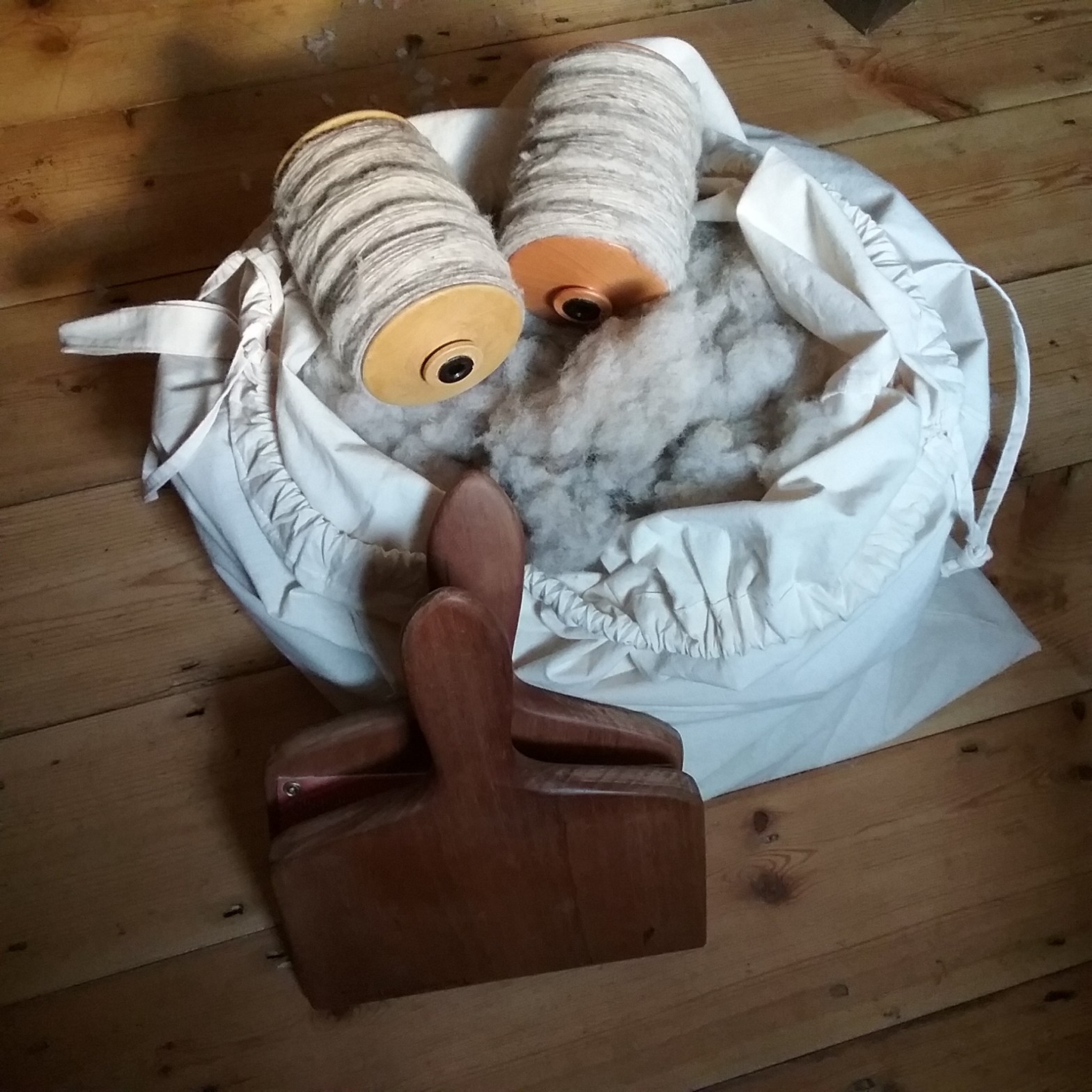
Tour De Fleece 2023

It’s that time of year again, when crafters spin every day of the Tour de France. This year the dates are 1st – 23rd July.

In previous years I have used the TDF challenge to experiment with different fibres and work through some of my stash. This has been somewhat successful, particularly with smaller amounts of fibre, but means I’ve often dipped in and out of lots of projects thinking I’ll have more time than I do to get them finished. So this year, rather than leaving myself with several partially processed fleeces at the end of the month, I’m going to focus my efforts on getting half finished projects completed.

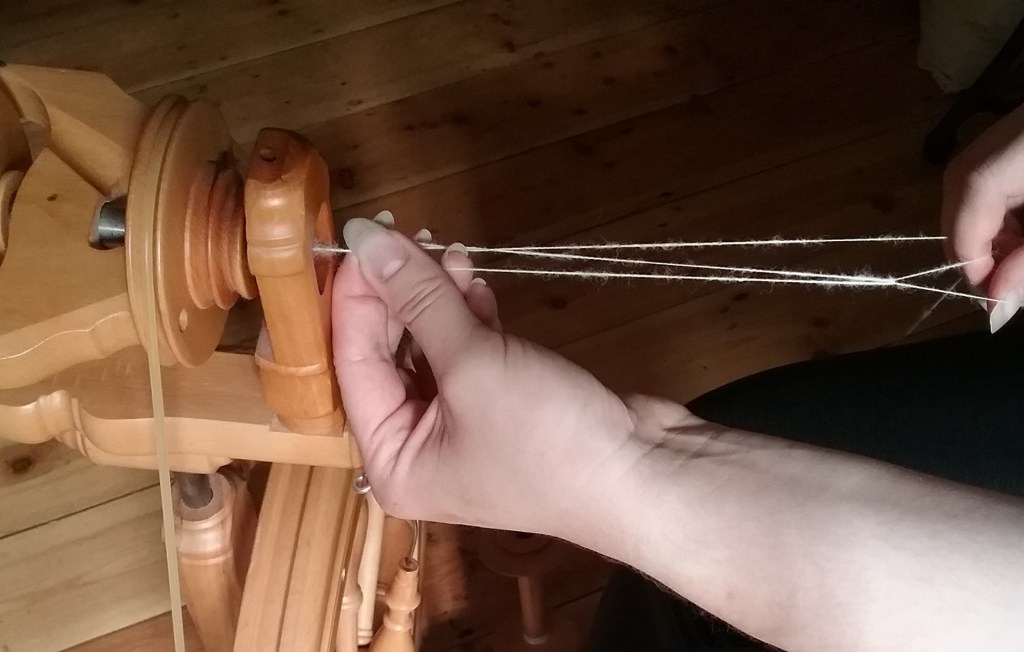
As per usual, I’m going to aim to spend at least 1 hour per day on my challenge, but won’t be too strict about it, some days I may spend more time, some days less. I’m also including fibre prep (carding/combing) within my challenge. I will use the following ‘to-do’ list of projects to keep me on track.

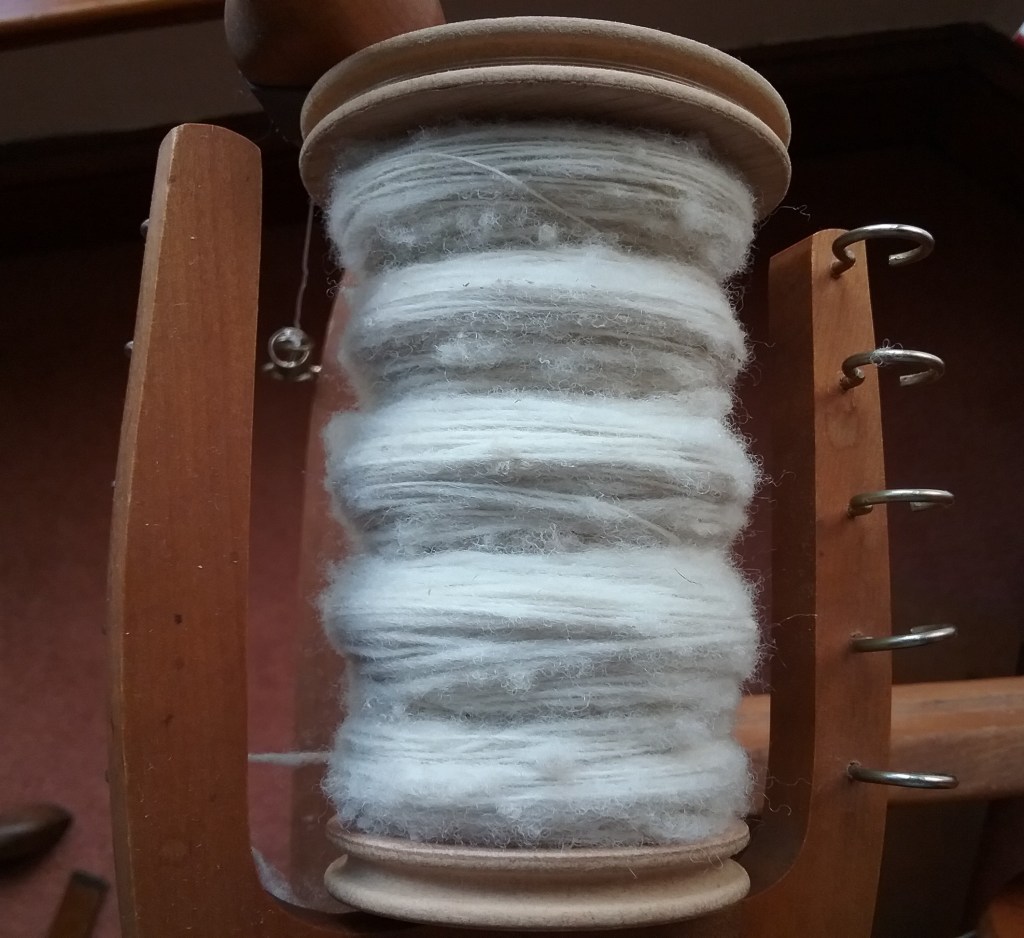
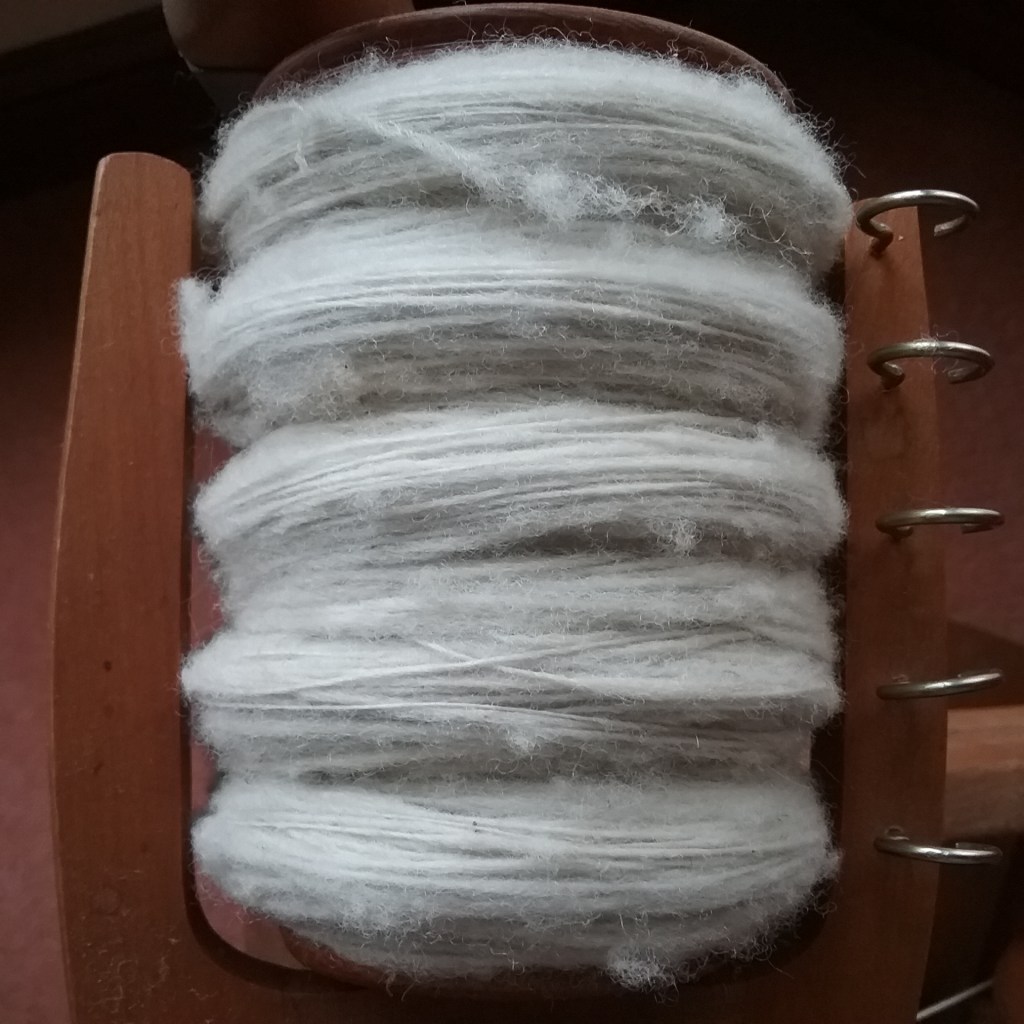
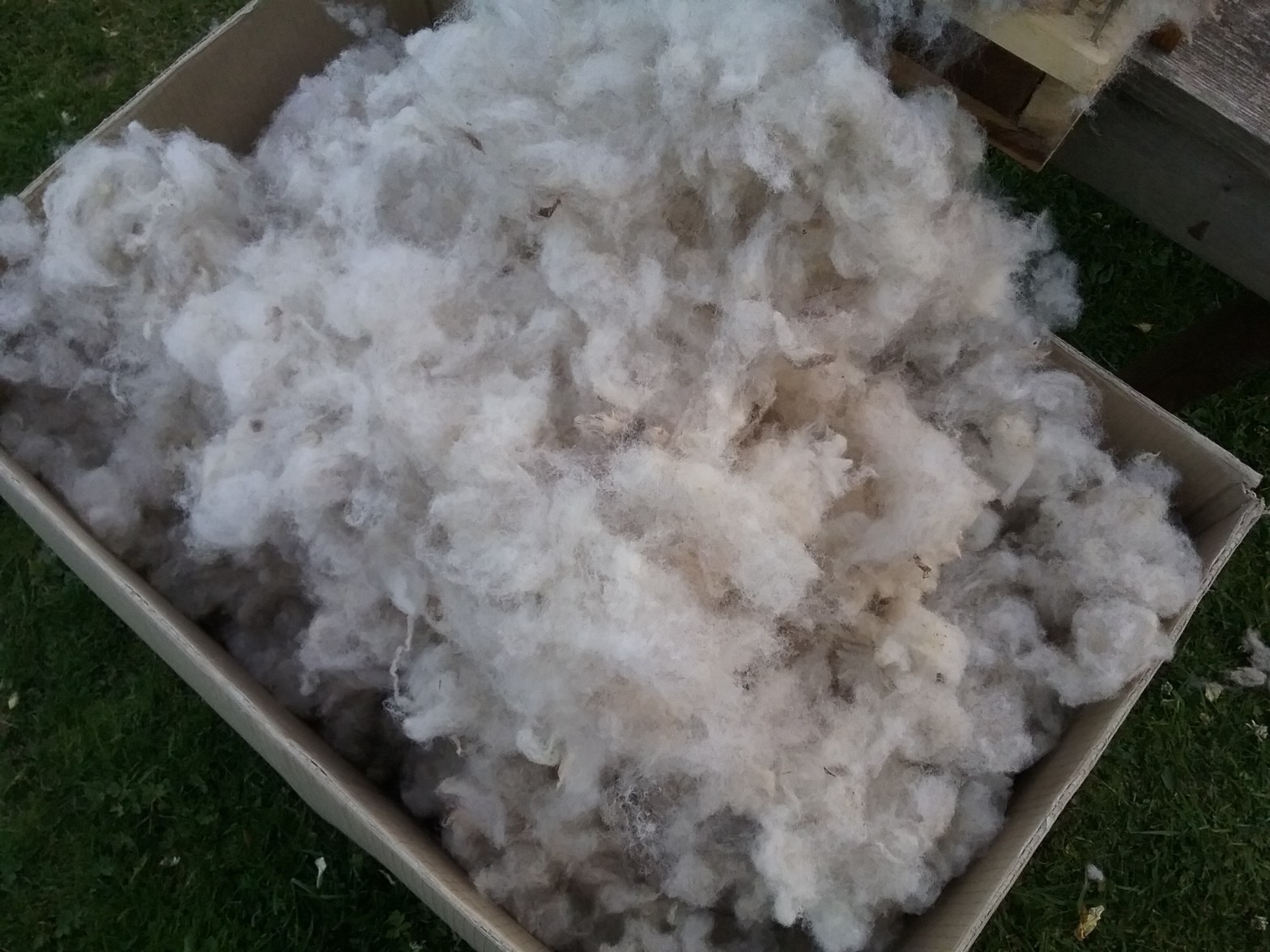
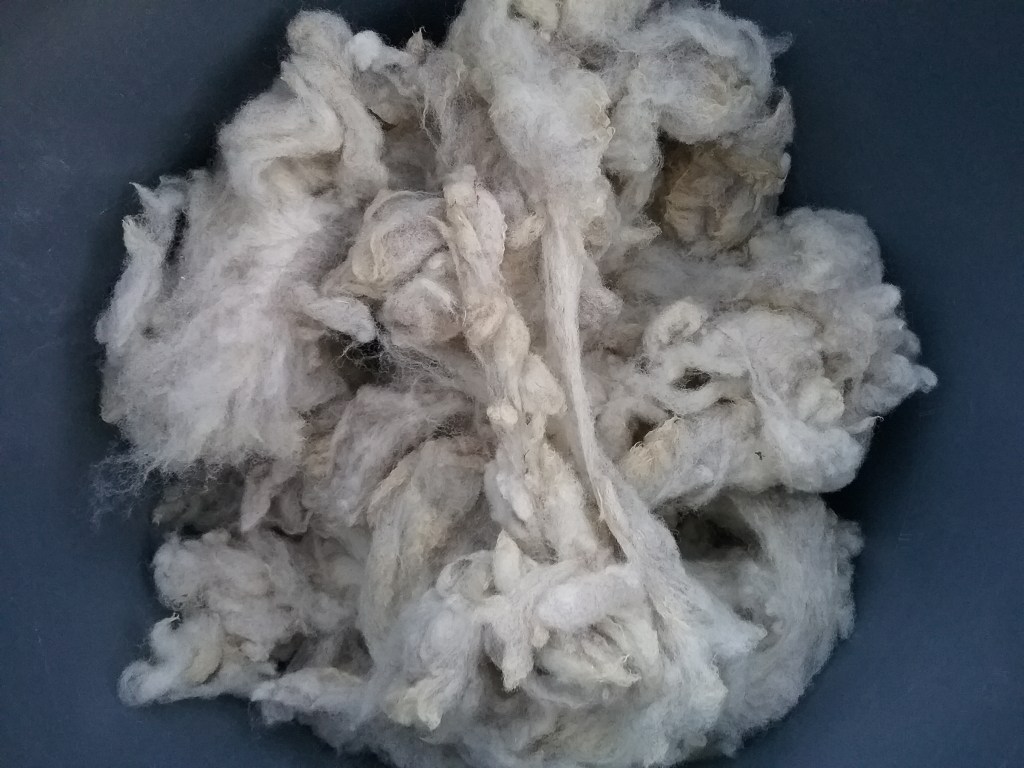
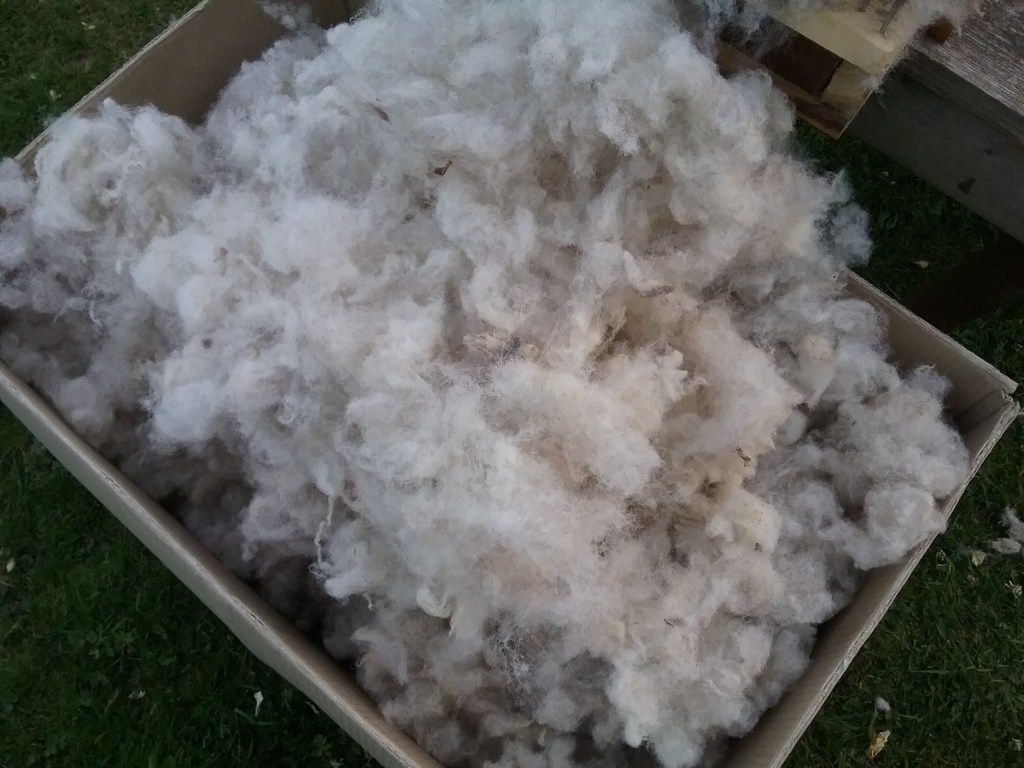
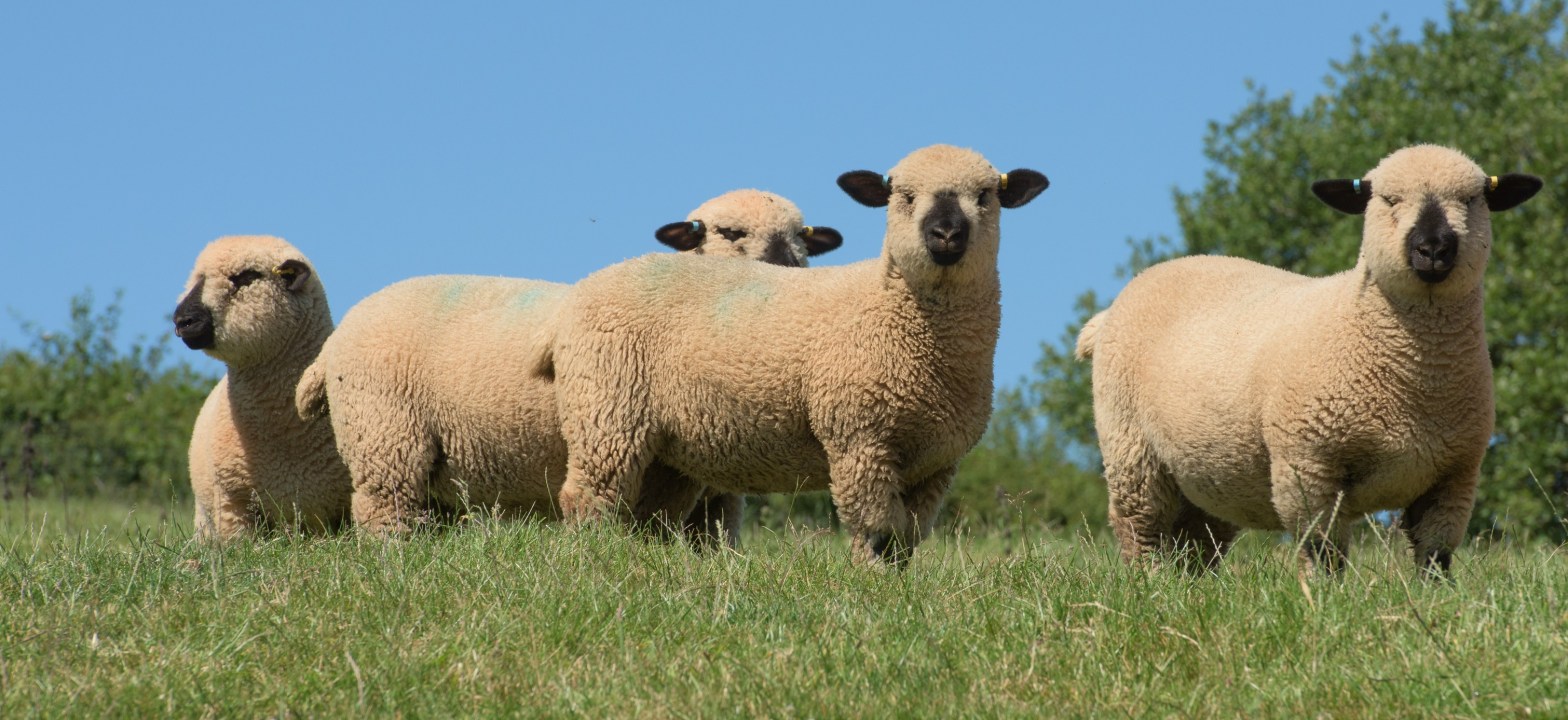
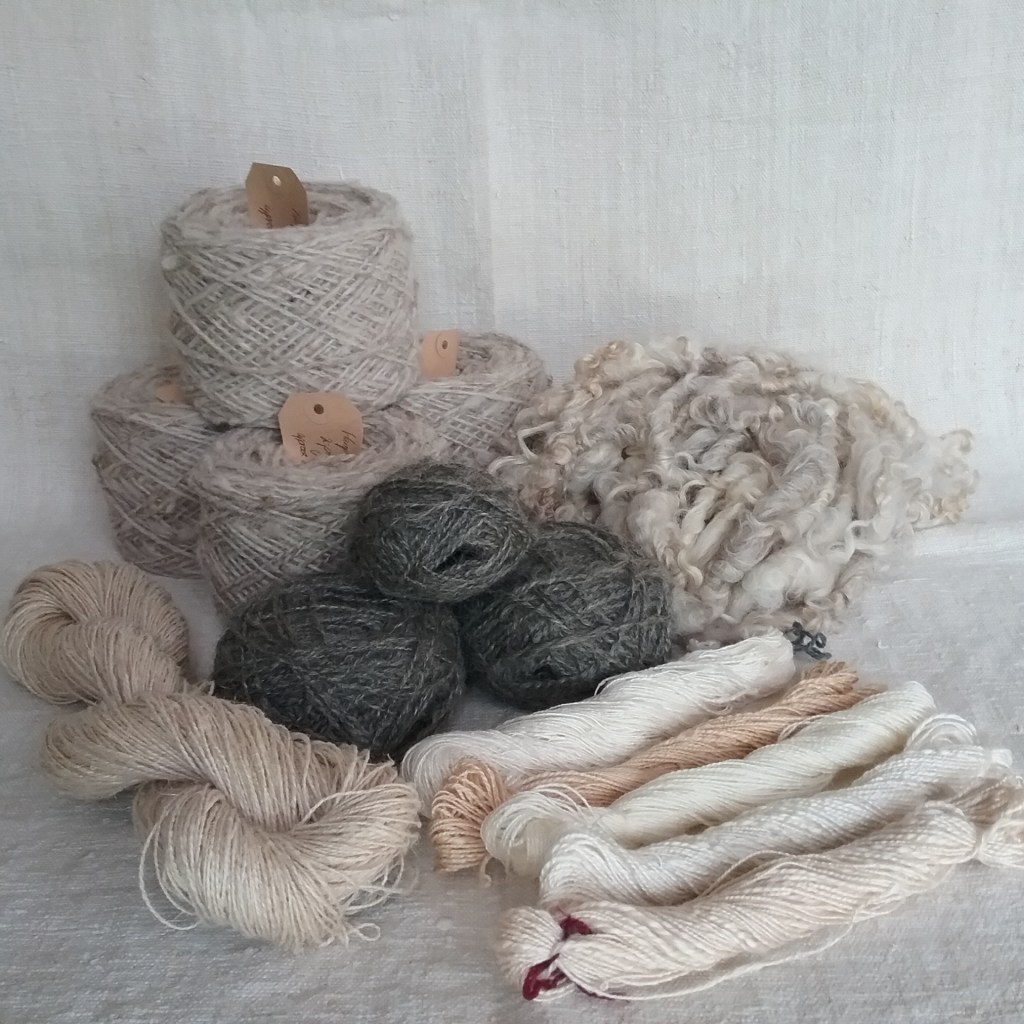
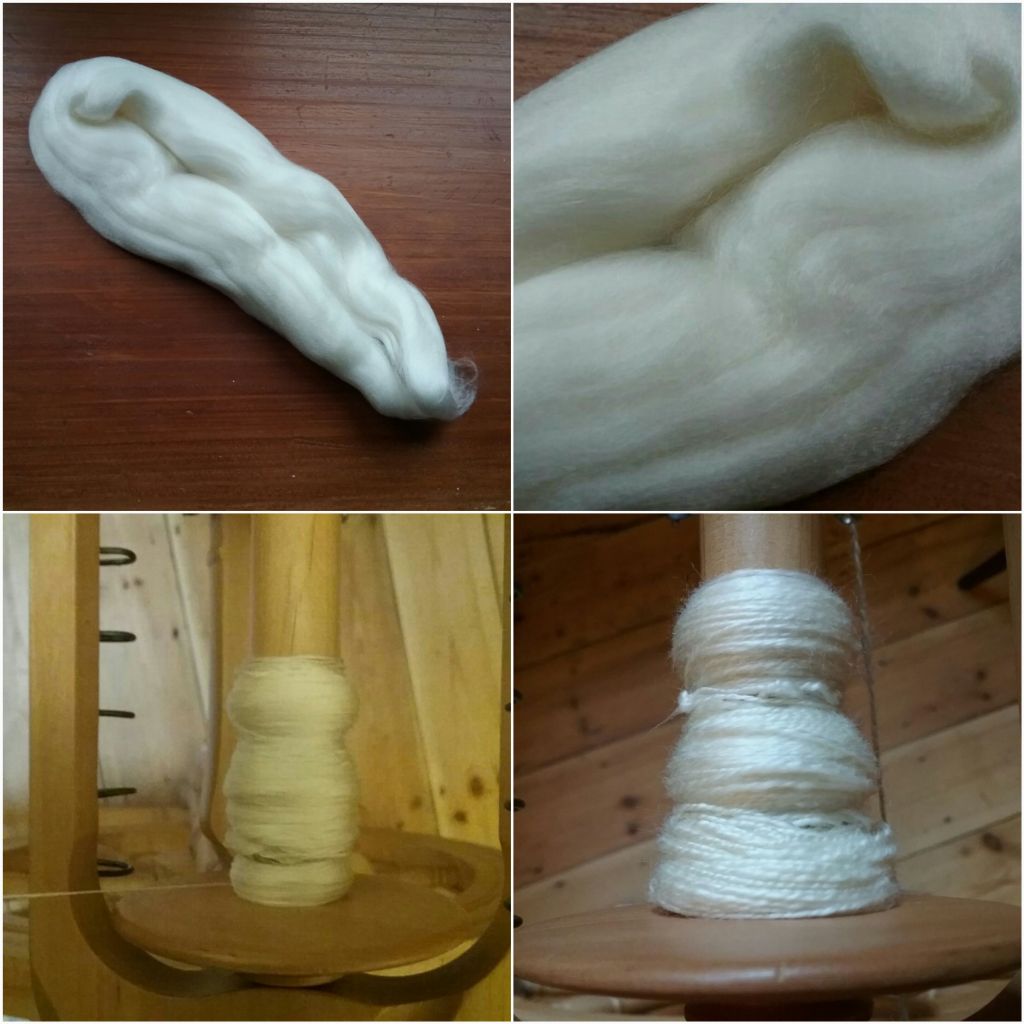
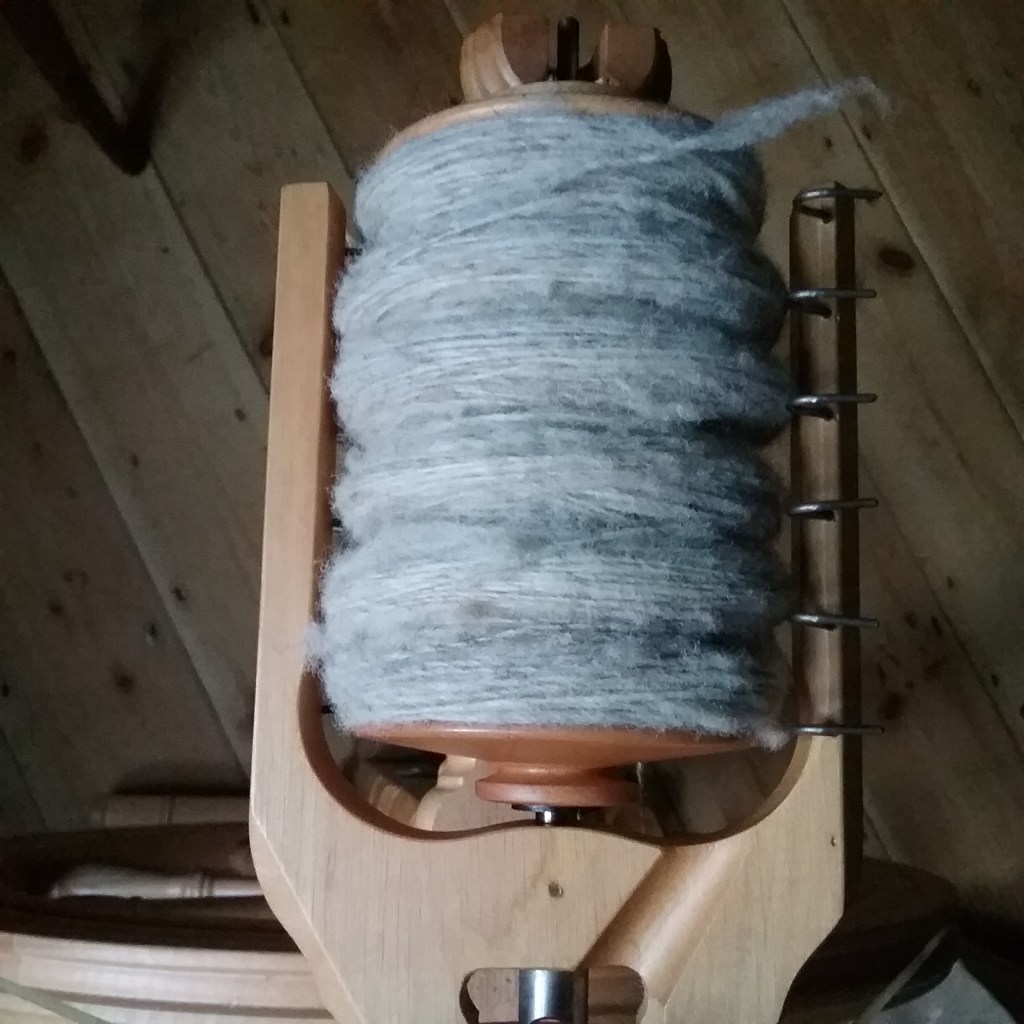
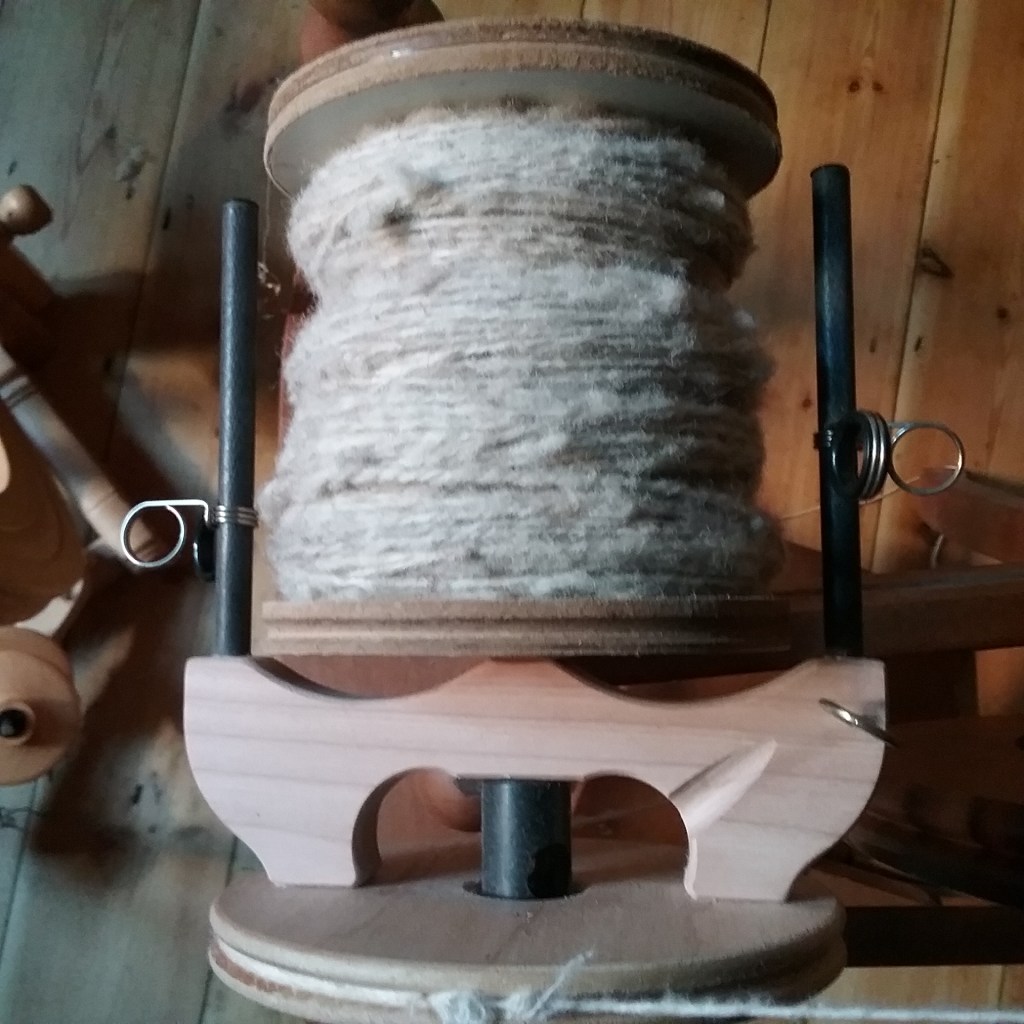
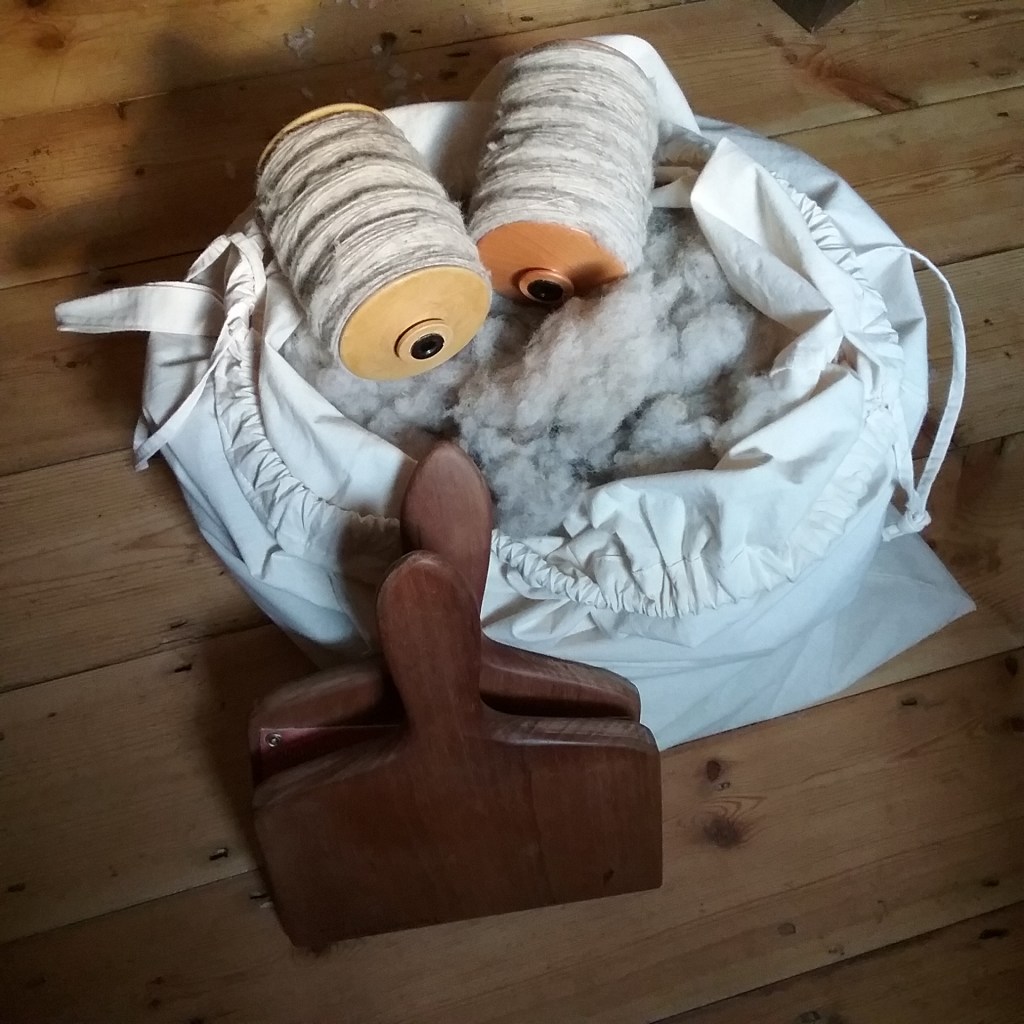
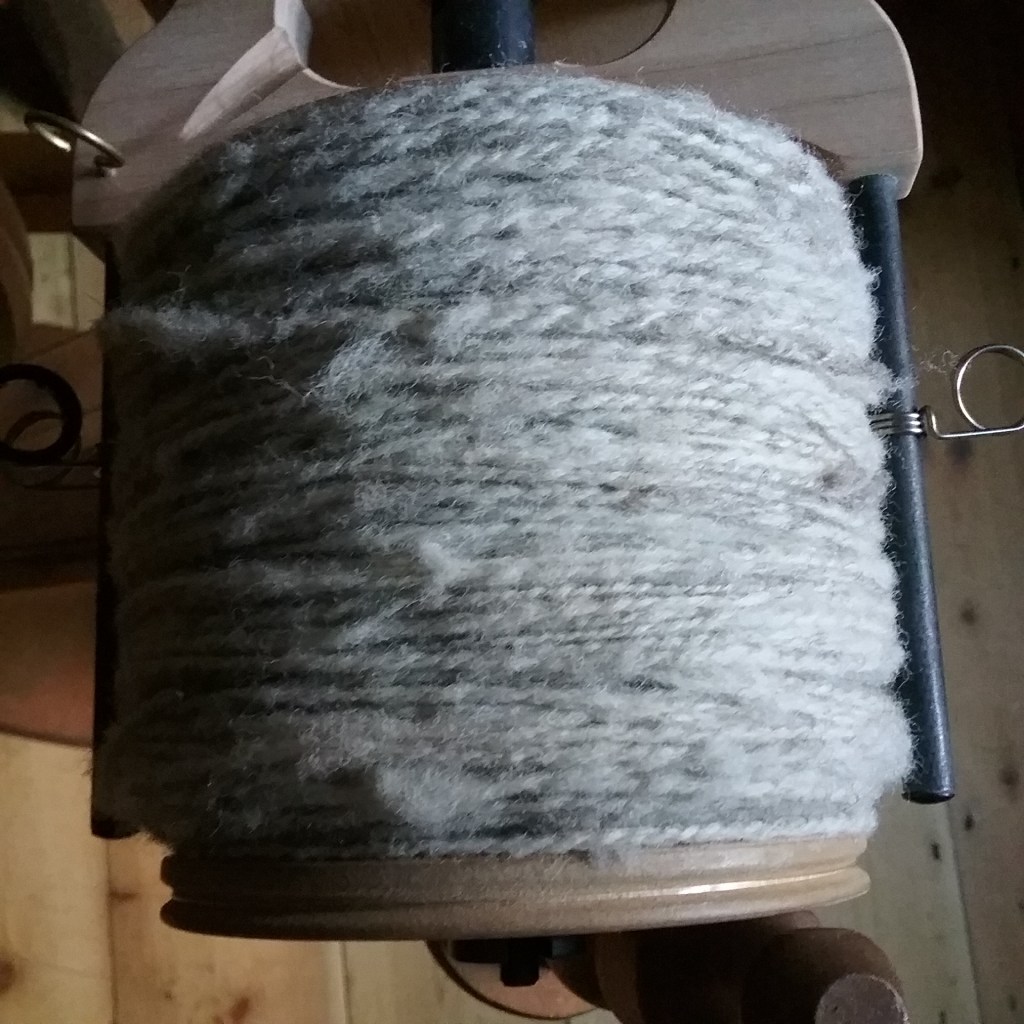
  • Hampshire Down – finish carding, spinning & plying the rest of the fleece
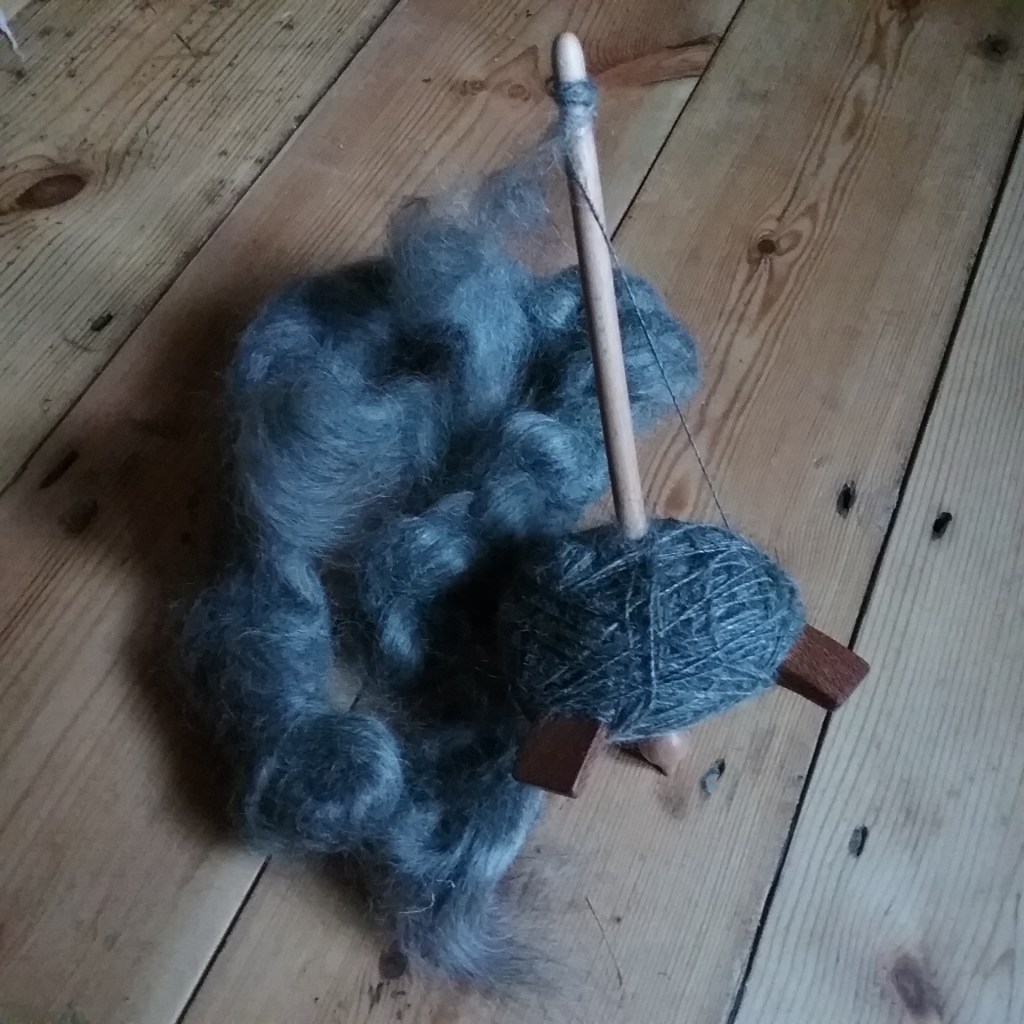
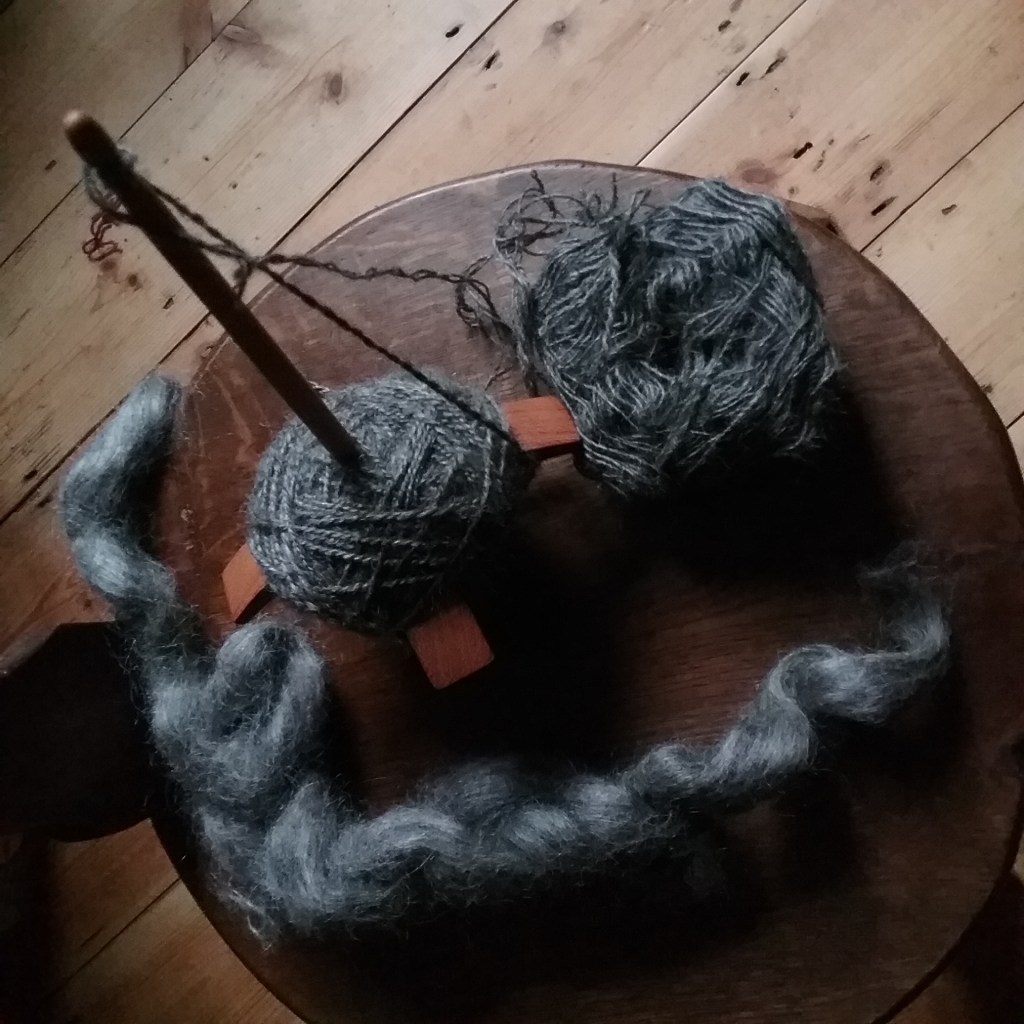
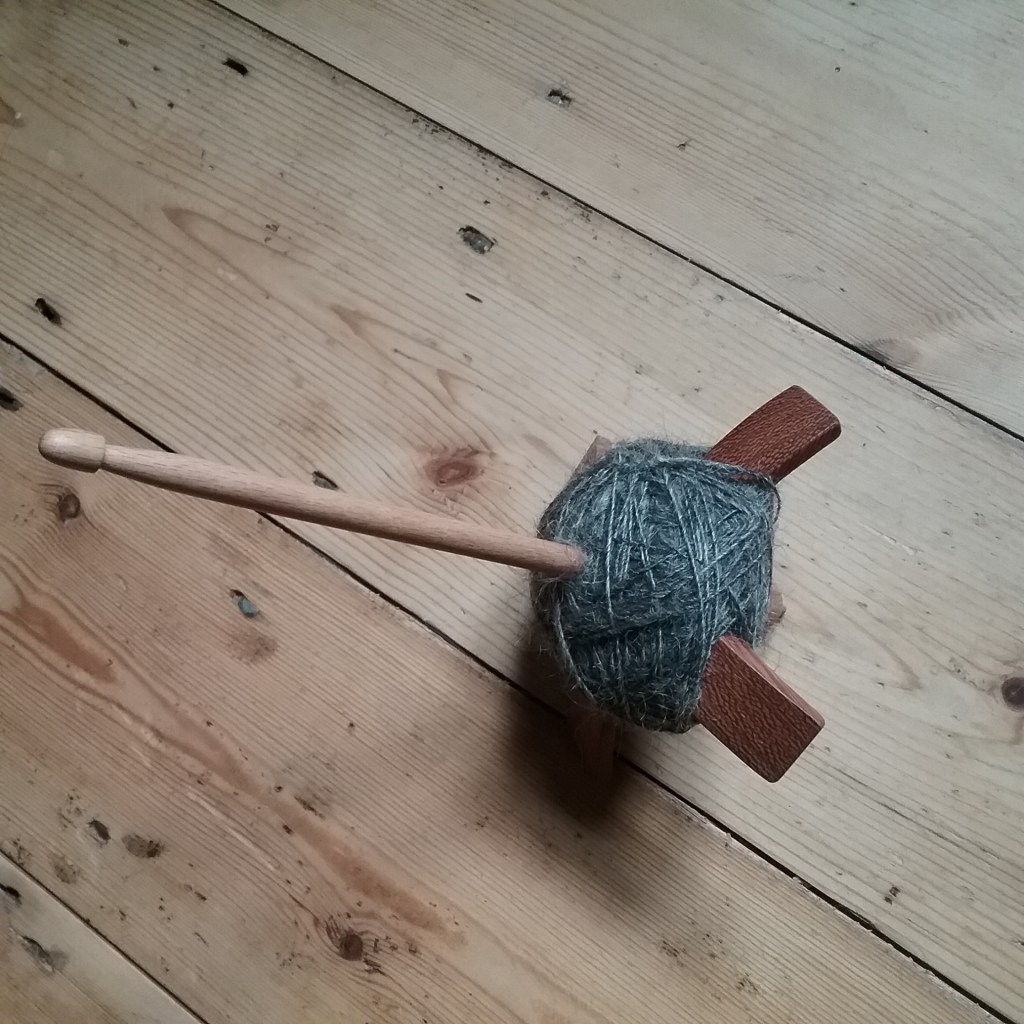
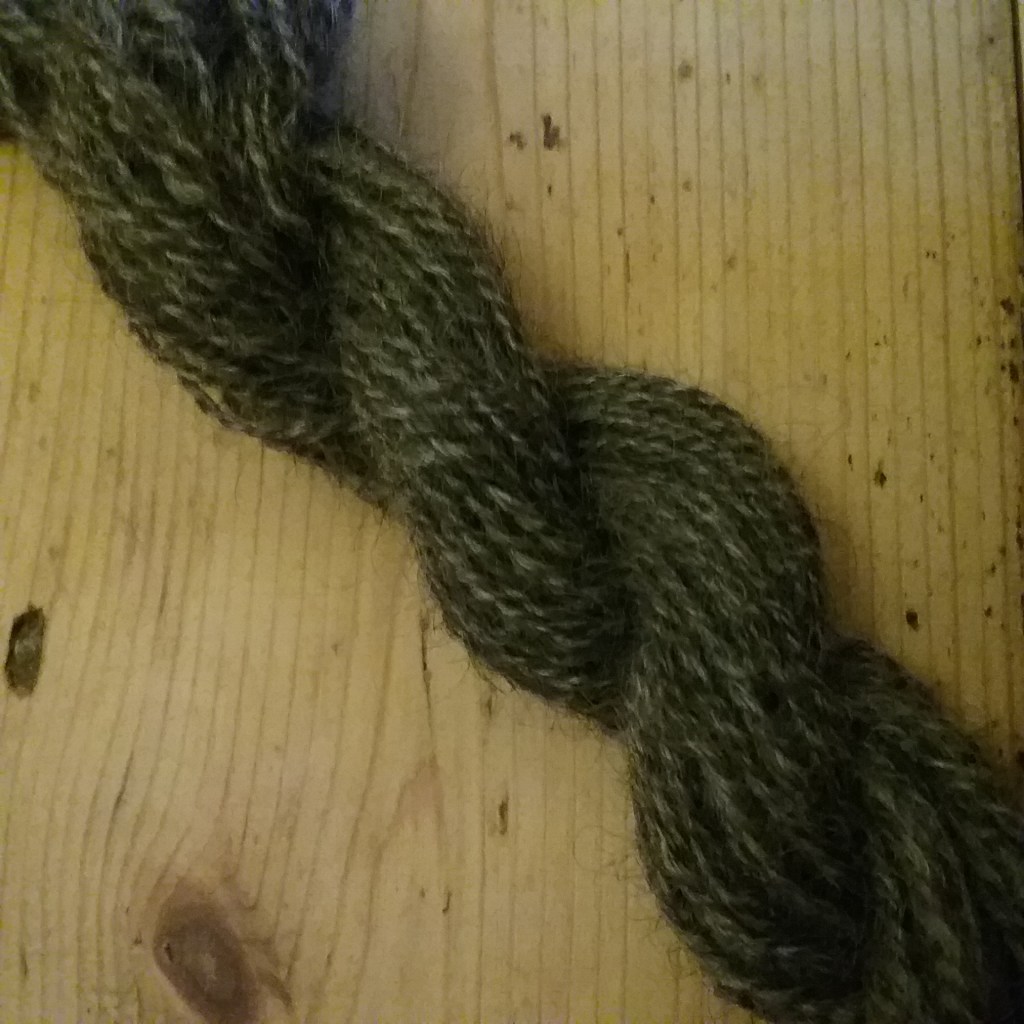
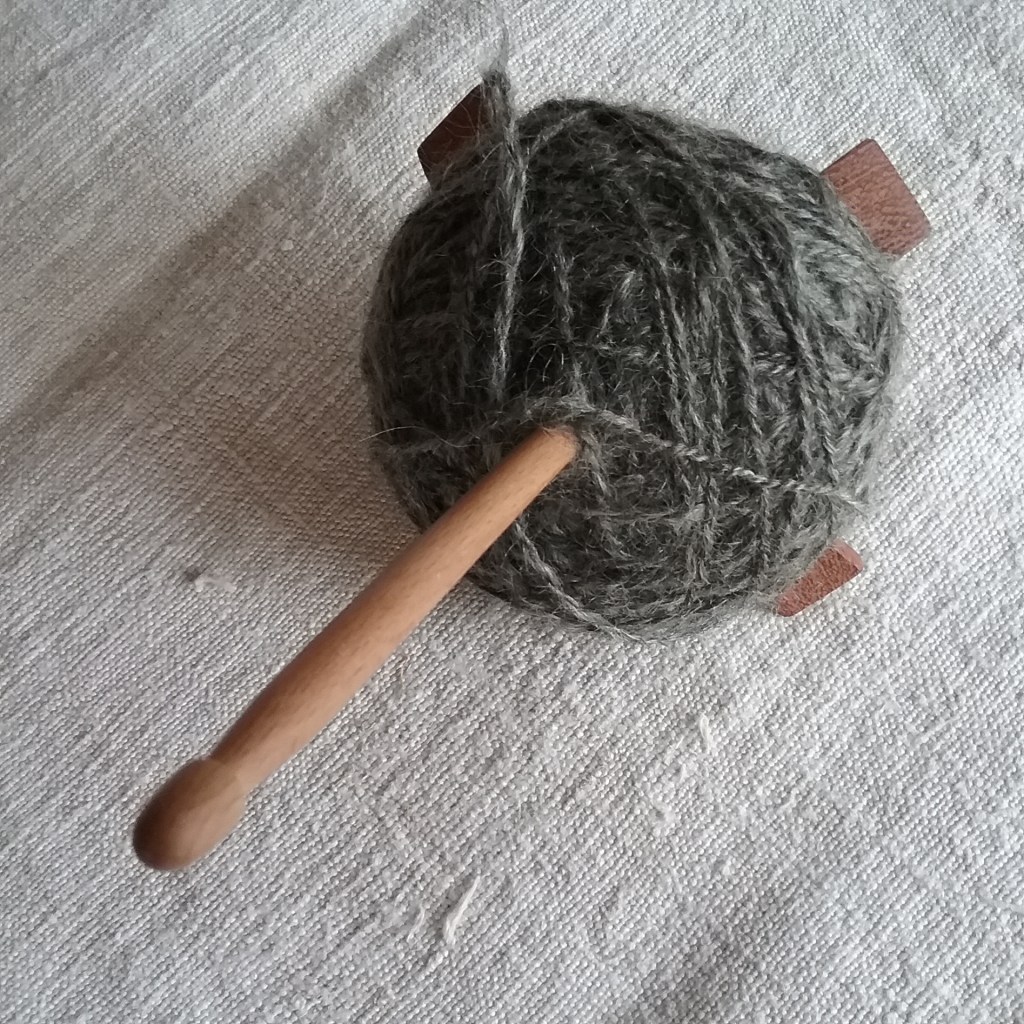
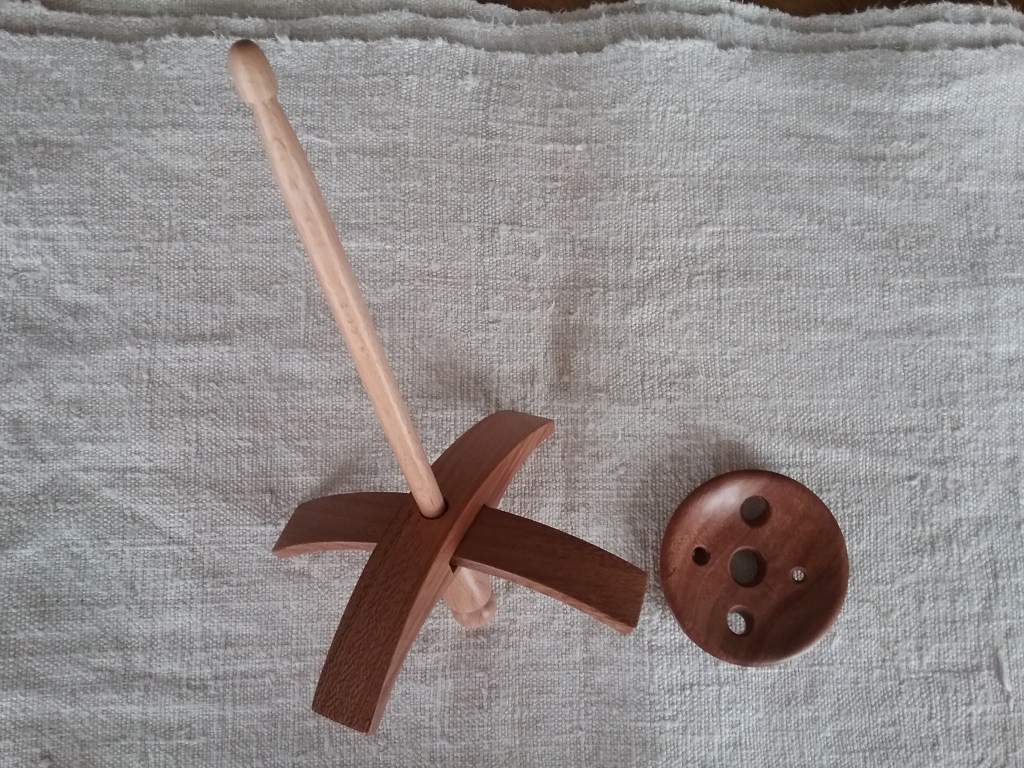
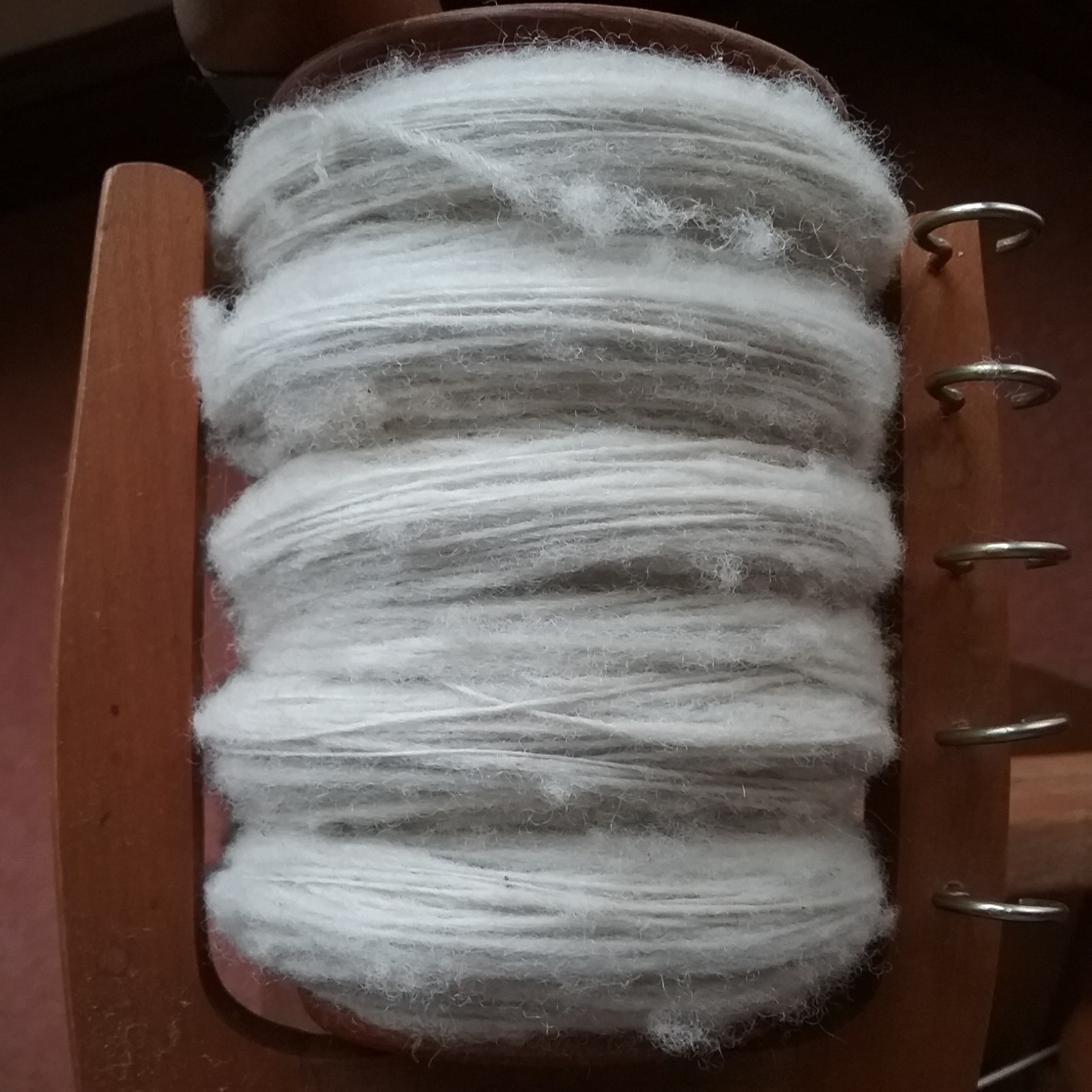
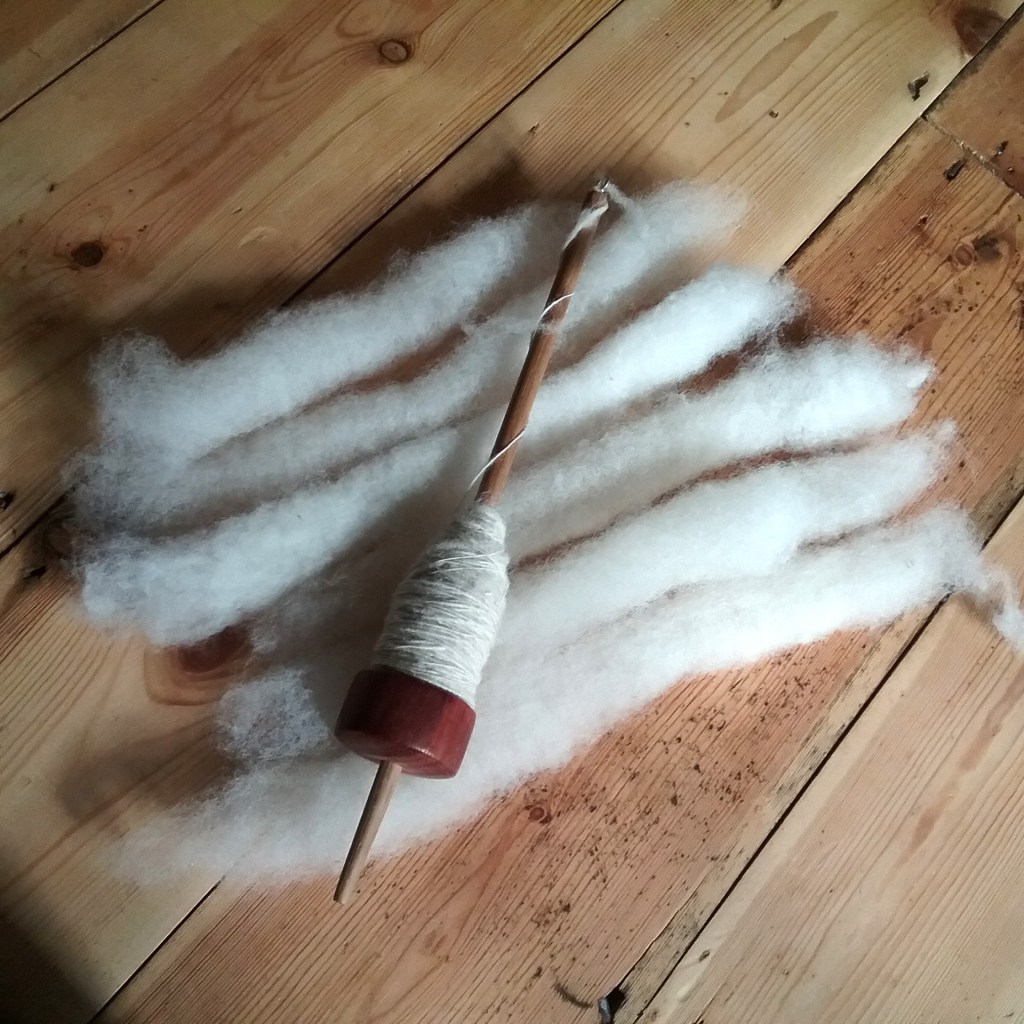
  • Gotland prepared roving – Finish spinning and plying on my Turkish spindle – this will be my ‘travelling’ project for days when I’m away from my wheel.
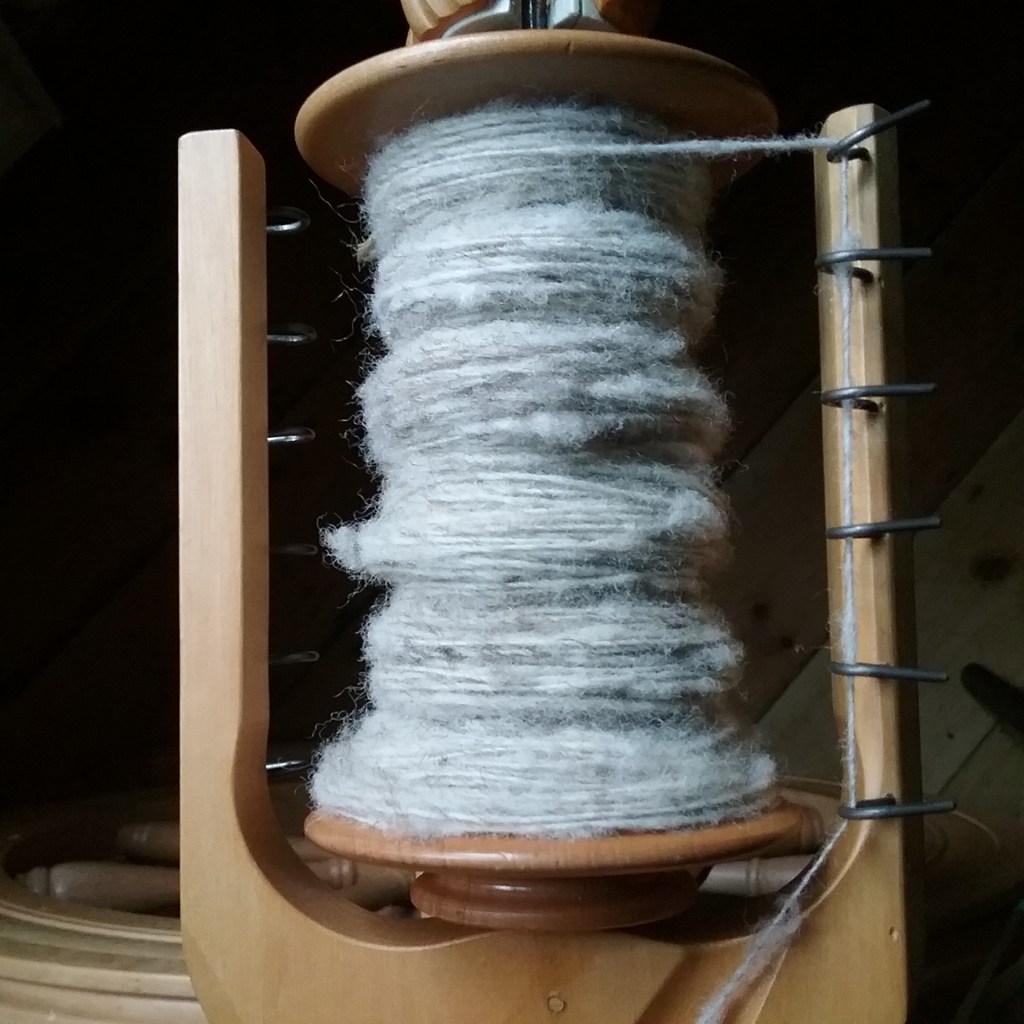
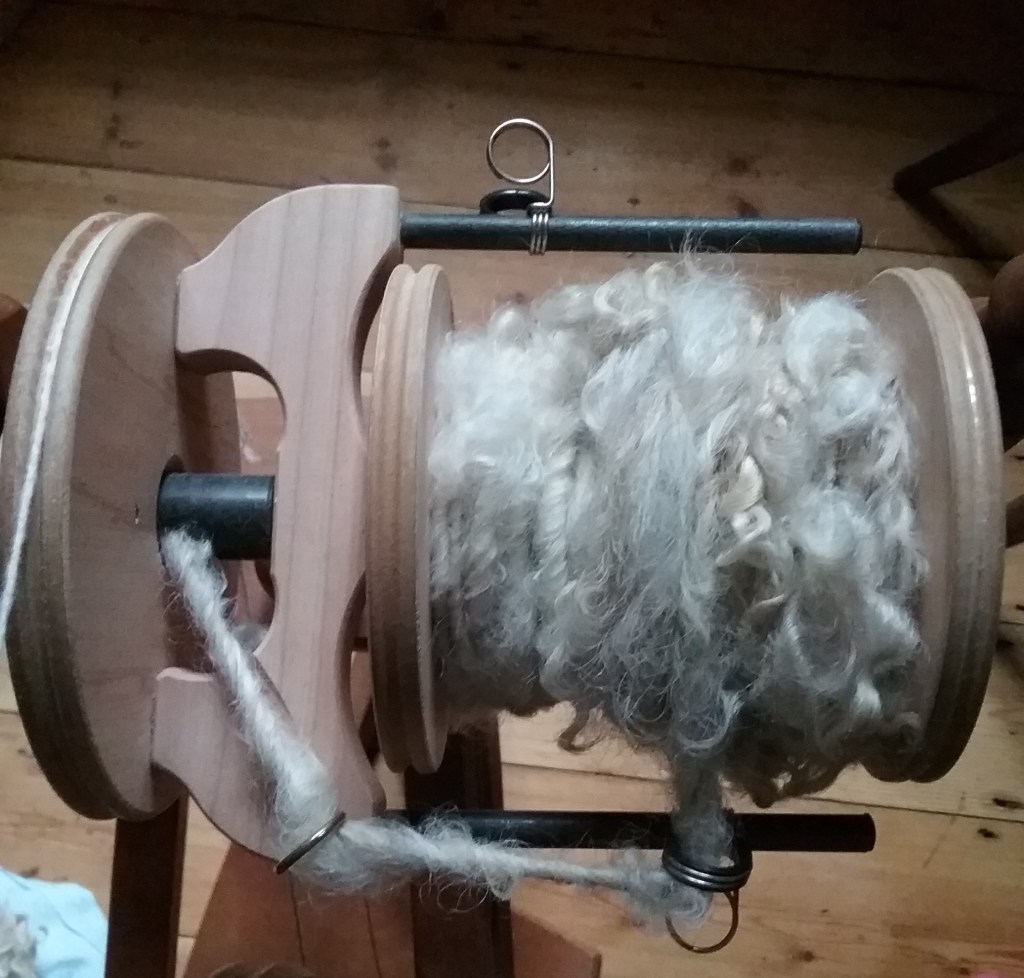
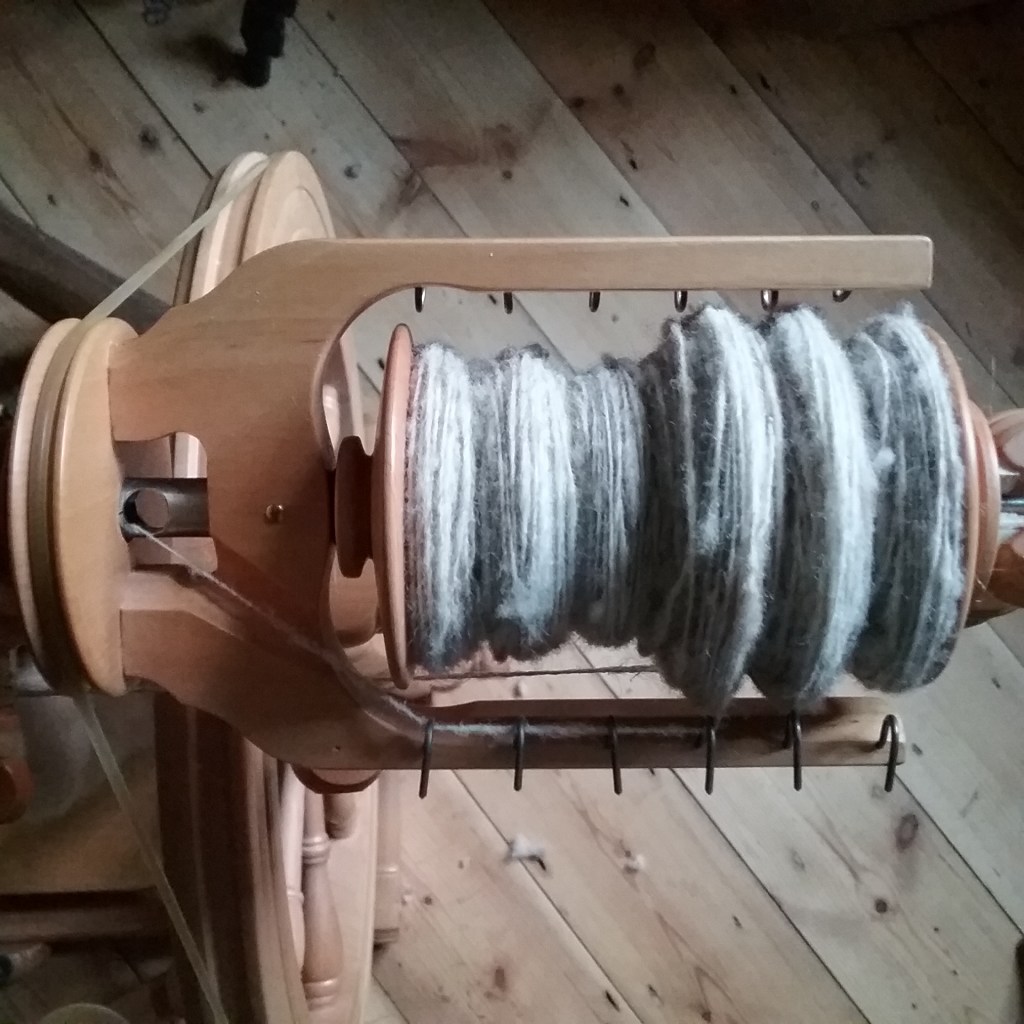
  • Lincoln Longwool – Continue coreless core-spinning on my jumbo flyer
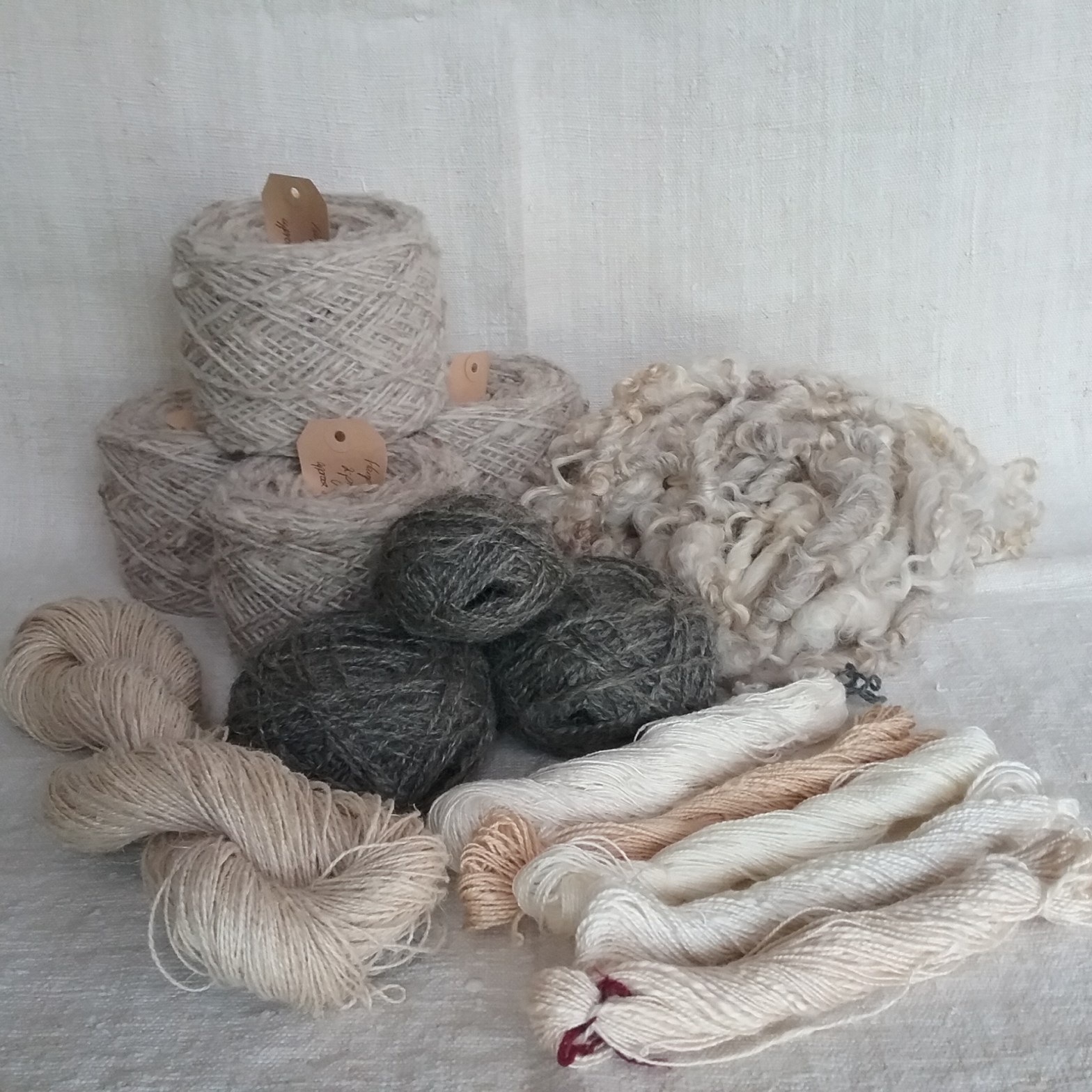
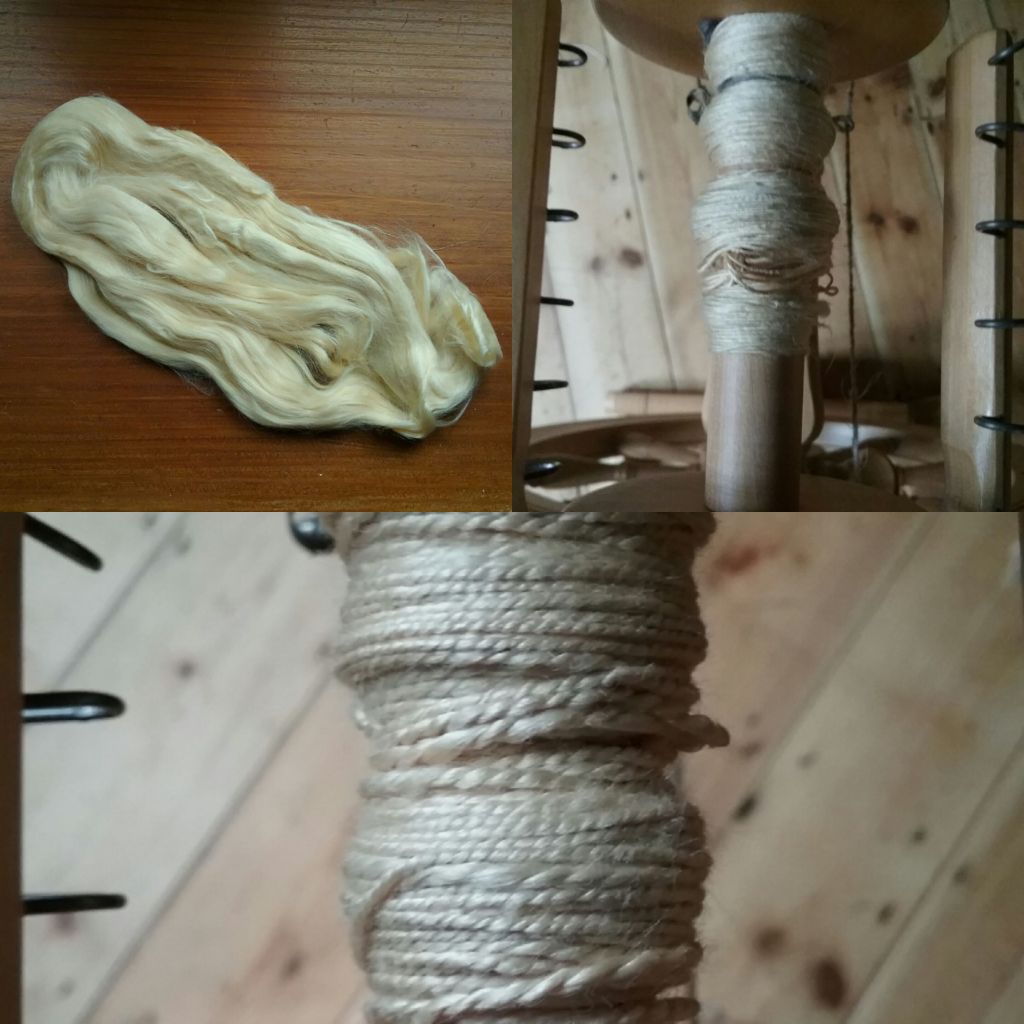
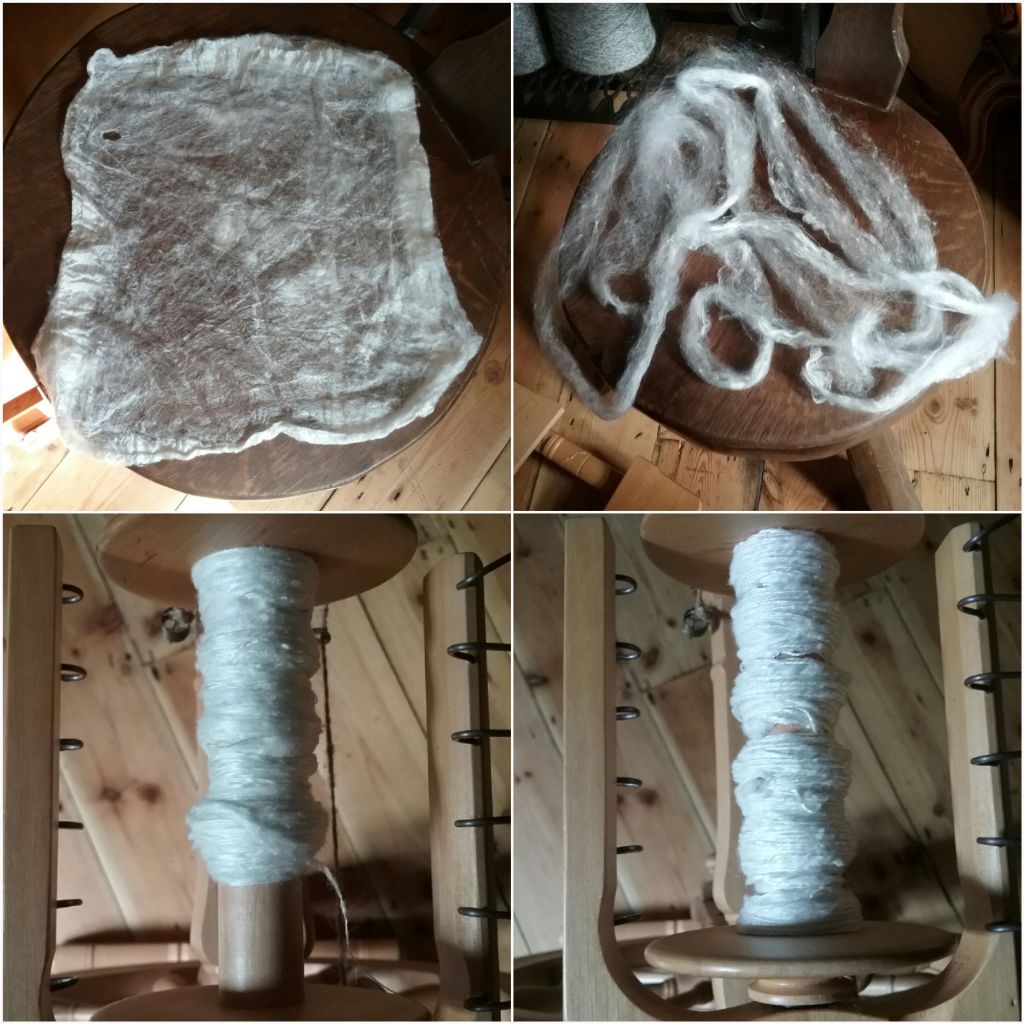
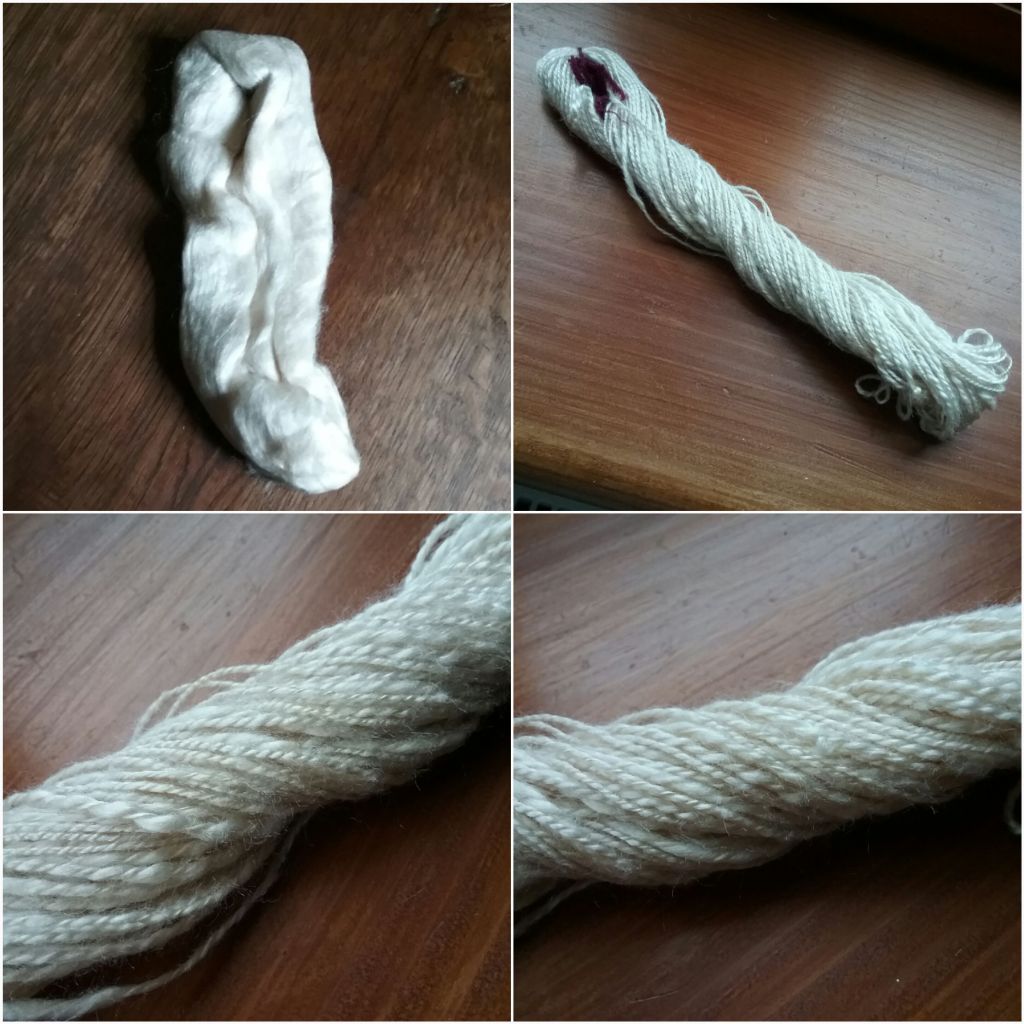
  • Luxury Fibre Samples – Spin these so they can be used as embroidery thread

My hope is that these projects should give me enough variety to both keep daily updates on instagram and weekly updates on the blog interesting, while also freeing up my carders and wheels for other fleeces when the challenge is finished (my first weekly wrap up will be Sunday 9th July). Having finished yarn also means that I can start a final project later on. If I get through the list before the challenge is over then I have plenty of other fleeces I can make a start on.

If you are also joining in with Tour de Fleece (whether part of a group or going it alone like me) I’d love to hear how you get on – feel free to share your progress/goals in the comments section and if you want to find out what I got up to last year I’ve included links to my posts below.

Happy Spinning!

Fibre Prep: Clun Forest

Clun Forest Fleece

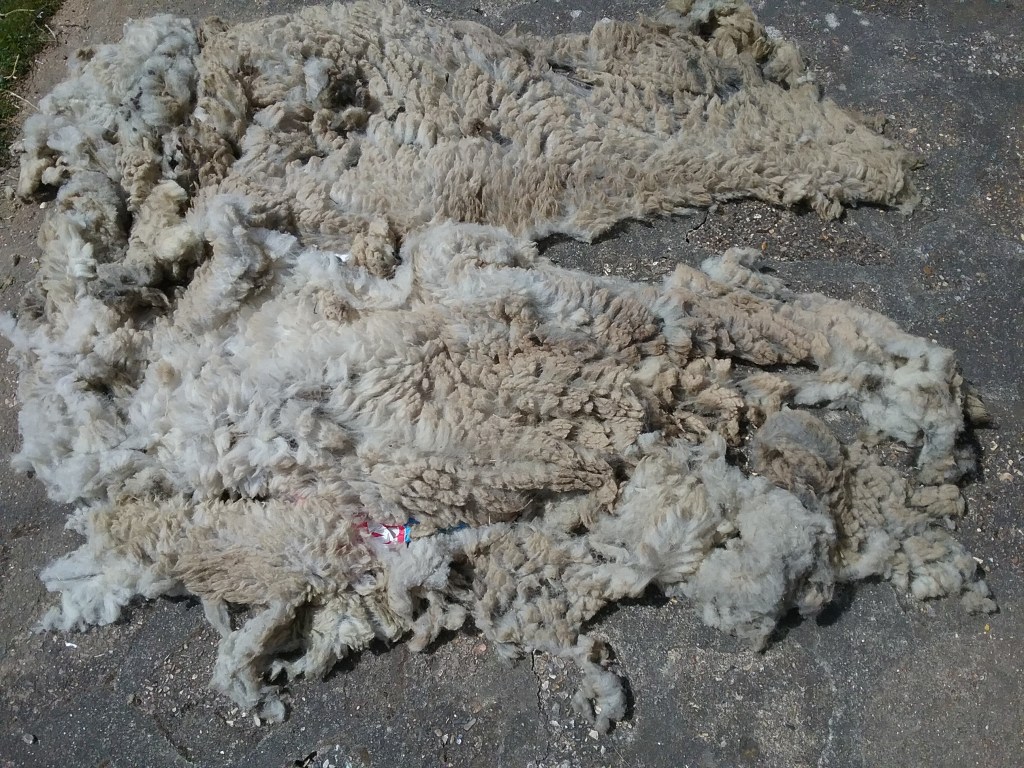
The Fleece

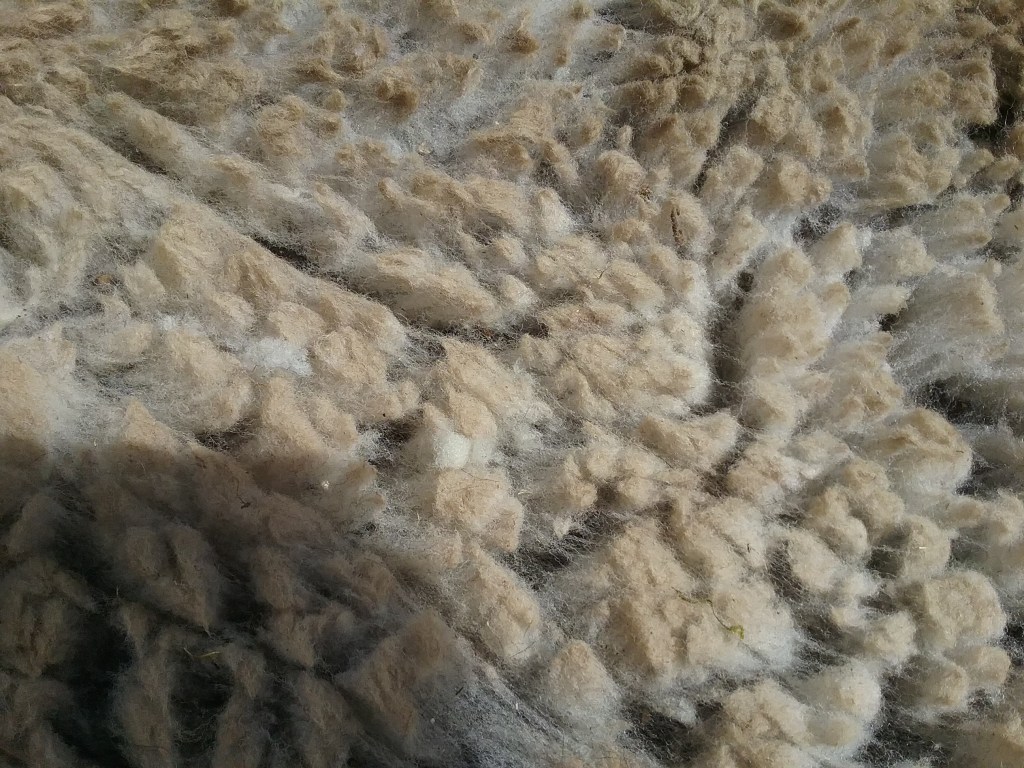
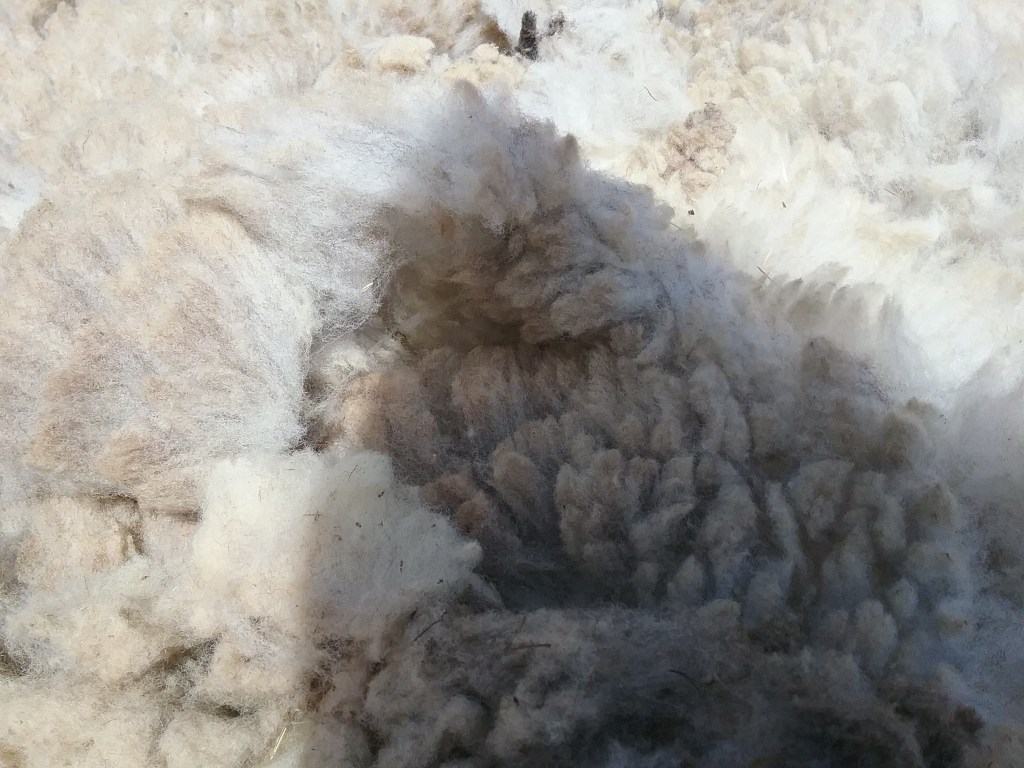
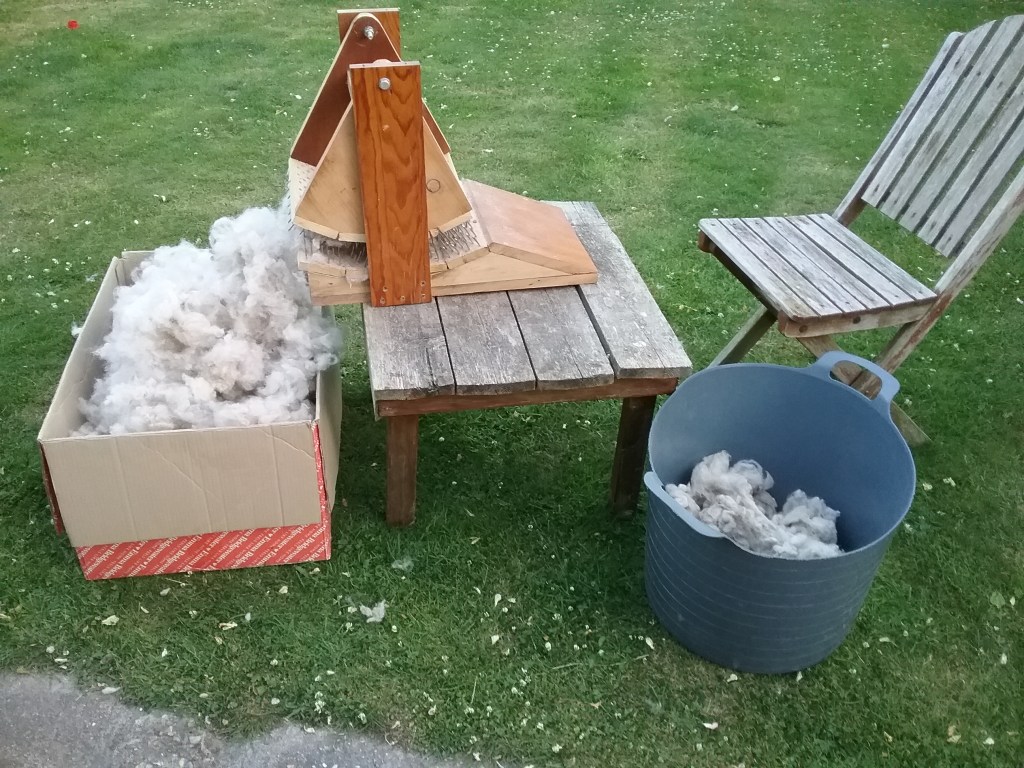
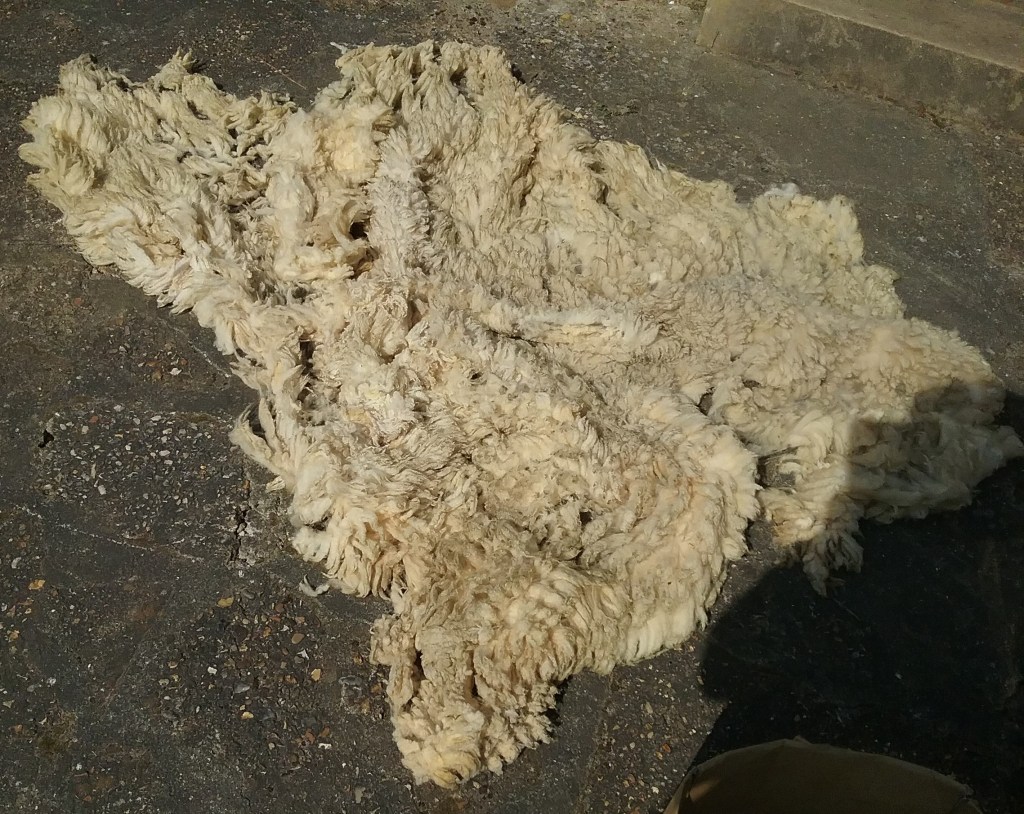
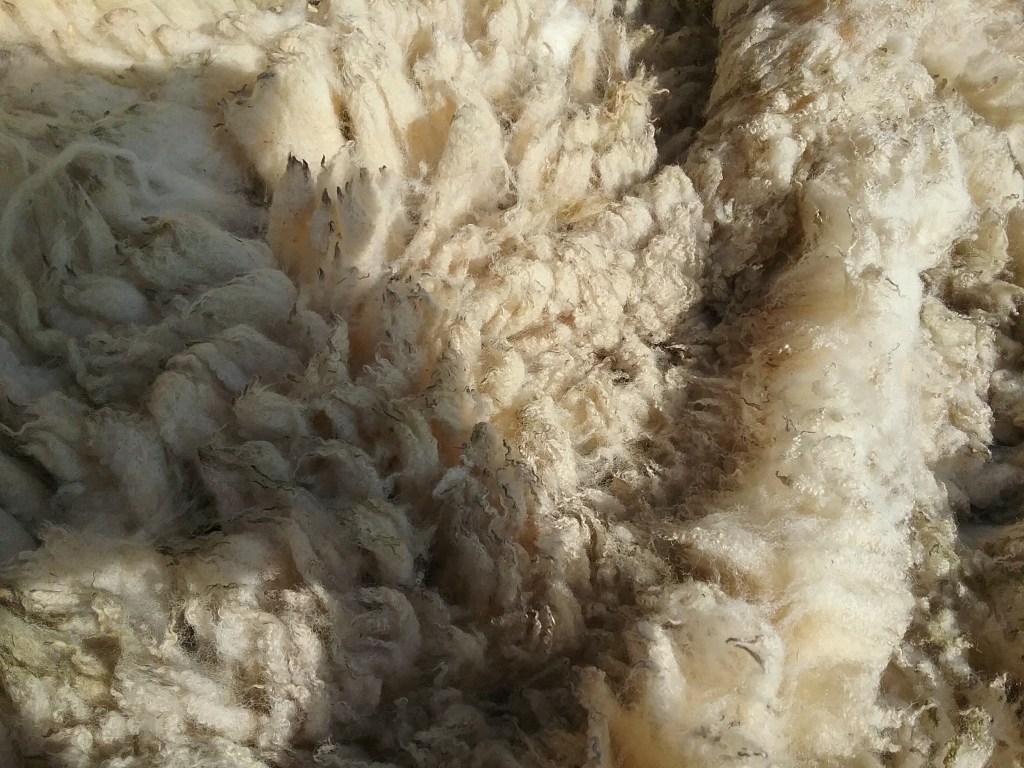
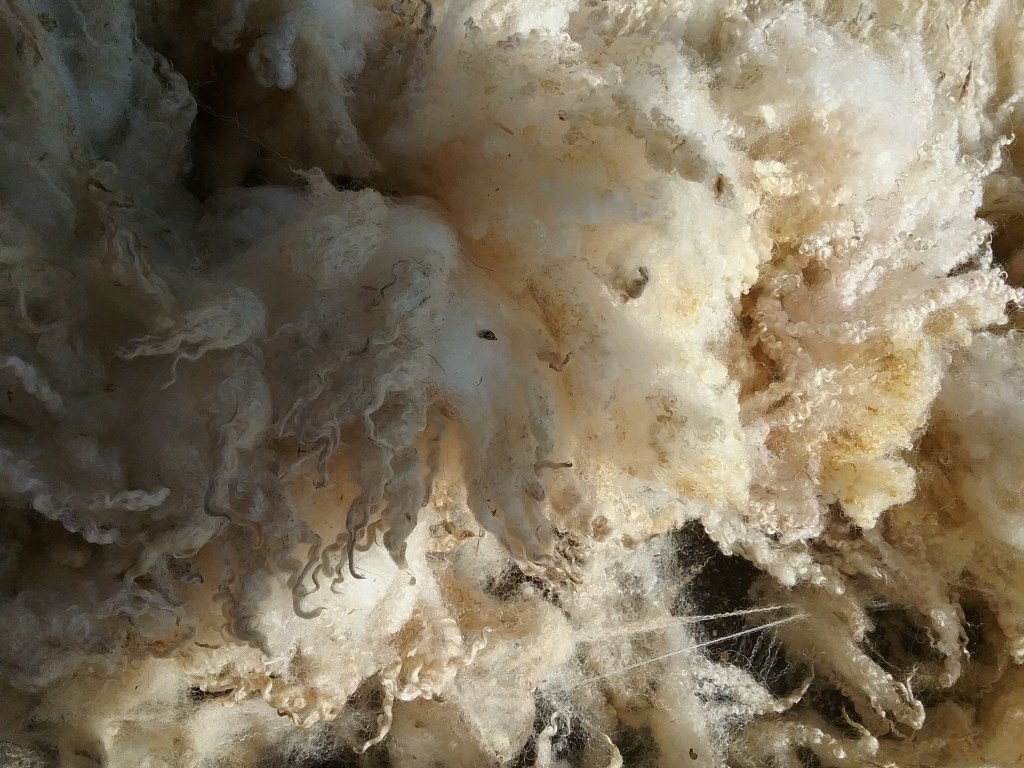
I purchased this fleece by its weight back in 2020 and was pleasantly surprised to have one large and one smaller fleece delivered to me. When spreading the fleeces out on the ground, there was very little VM and I couldn’t see many kemp fibres, which would speed up the process as I wouldn’t need to put it through the wool picker. It was greasy to the touch, however not as greasy as I expected of a shorter stapled fleece. The fibre ranged from moderate to very tightly crimped and required very little skirting as there were no areas that seemed particularly coarse.

Washing

I washed these fleeces back in 2020 after suint fermentation worked so well for the Jacob fleece (you can read more about that process here), I put the Clun Forest fleece into the same suint water and left it for a few days before rinsing it in fresh rainwater overnight. I knew that I would be storing them for a while, so I decided to try washing them once through with soap as soon as they came out of the rinse water to save on drying time (fleeces fresh out of the suint bath can take a long time to dry).

I have since discovered in subsequent fleece washing adventures, that unless a fleece is still very dirty after the suint bath, then washing it with soap before storing is not usually necessary. If storing fleece for any length of time the most important thing is to use either a fabric or paper sack (plastic bags make fleeces sweat and they can start to rot) and to put something scented in with the fleece to discourage pests.

Carding by Hand & by Drum

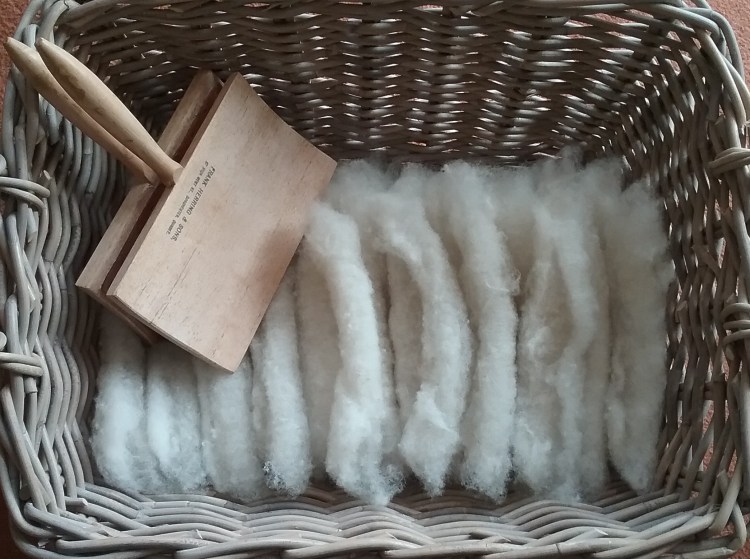
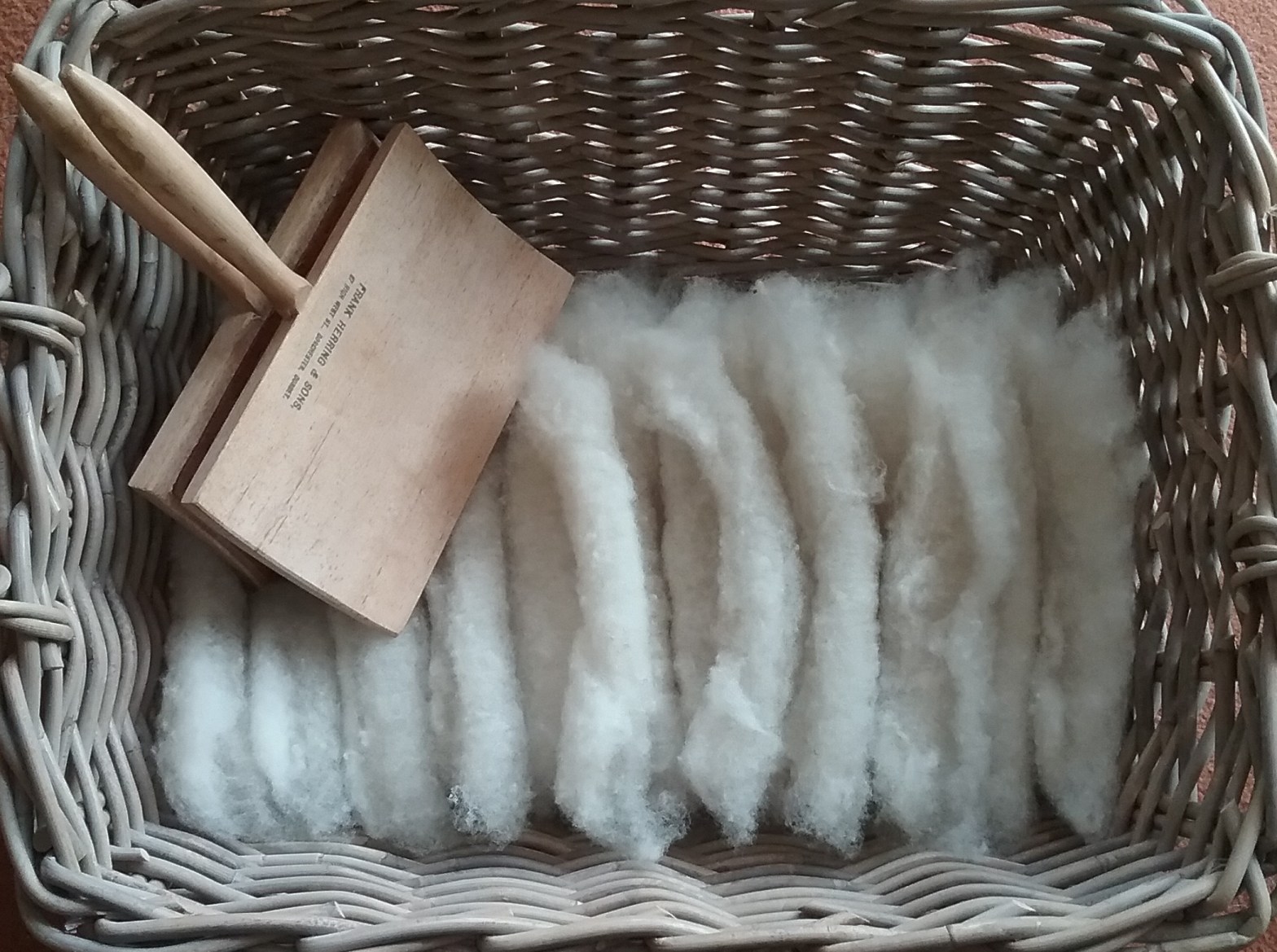
The fleece had a short staple length, but was also quite fine, so I decided to use my curved hand carders as they seem to handle fluffy fleeces more easily. There was very little structure to the locks in some places, but they seemed to align themselves during carding. The colour of the fleece made it very easy to pick out what limited VM was left.

It’s been two years since I started working with this fleece (long term followers may recall it featuring in my tour de fleece challenges) and although I love working with hand carders, this year (partly due to the volume of fleece I have to process!) I decided it was time to try out a drum carder to see how it compared. So, I can finally do a full comparison.


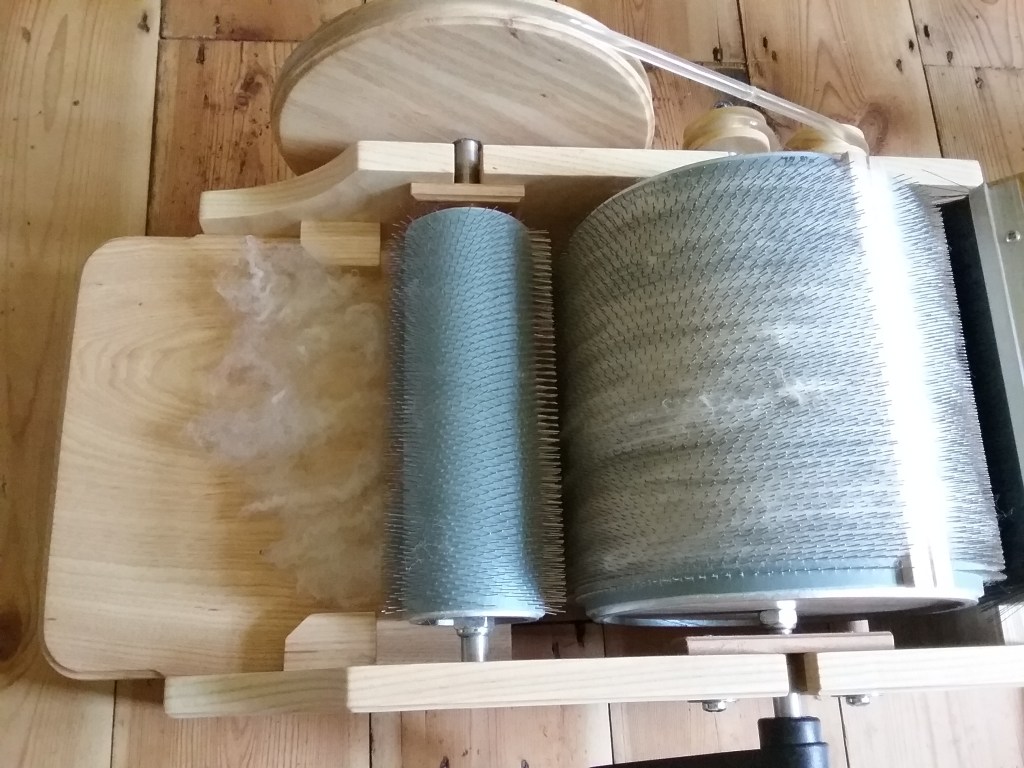
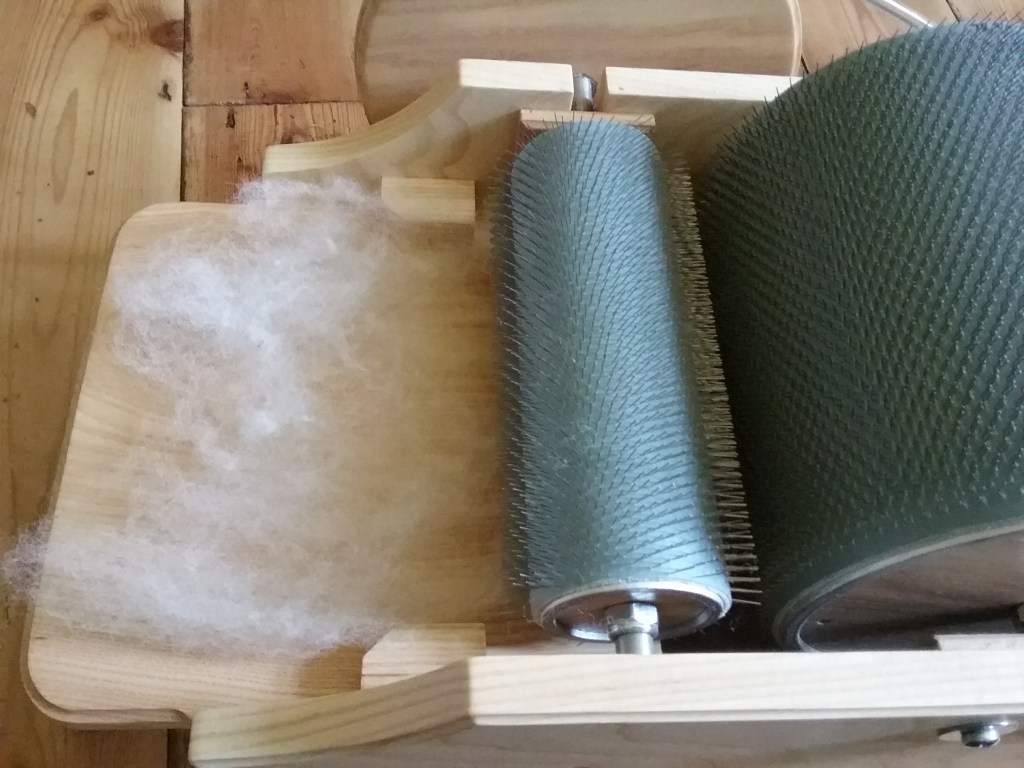
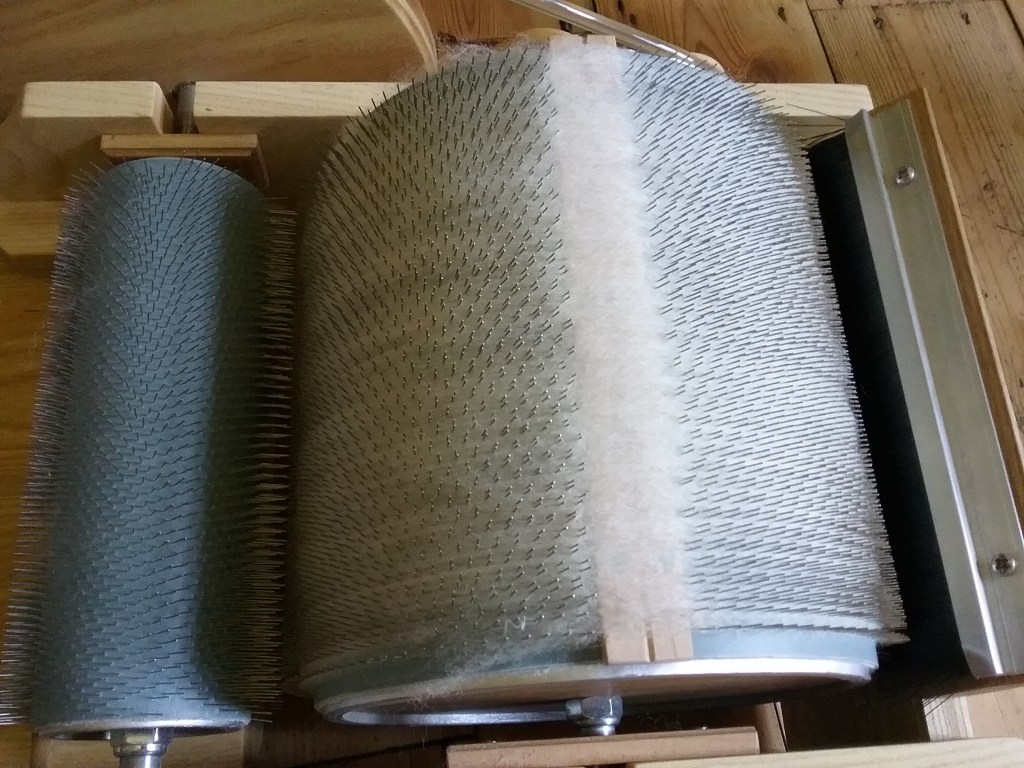
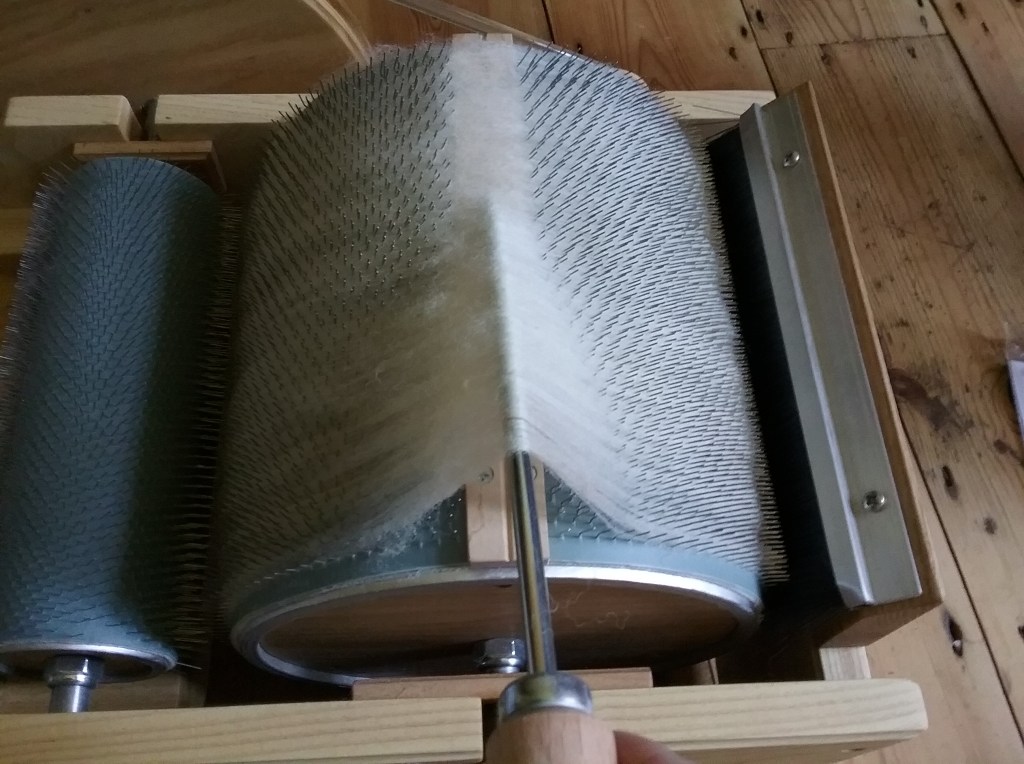
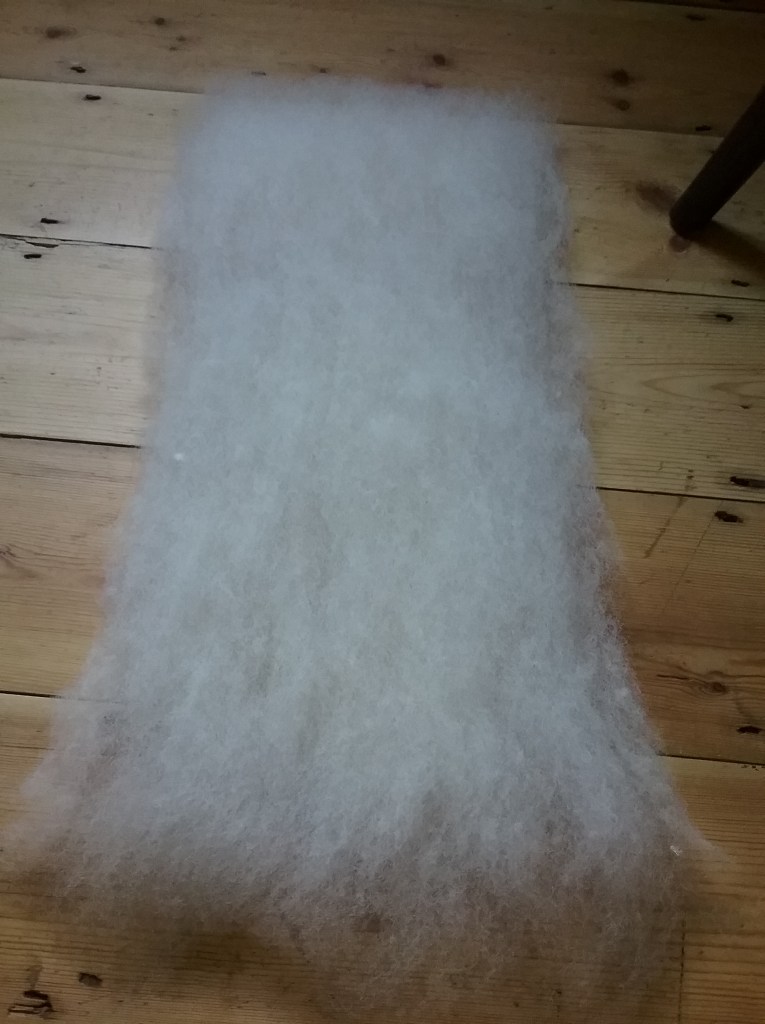
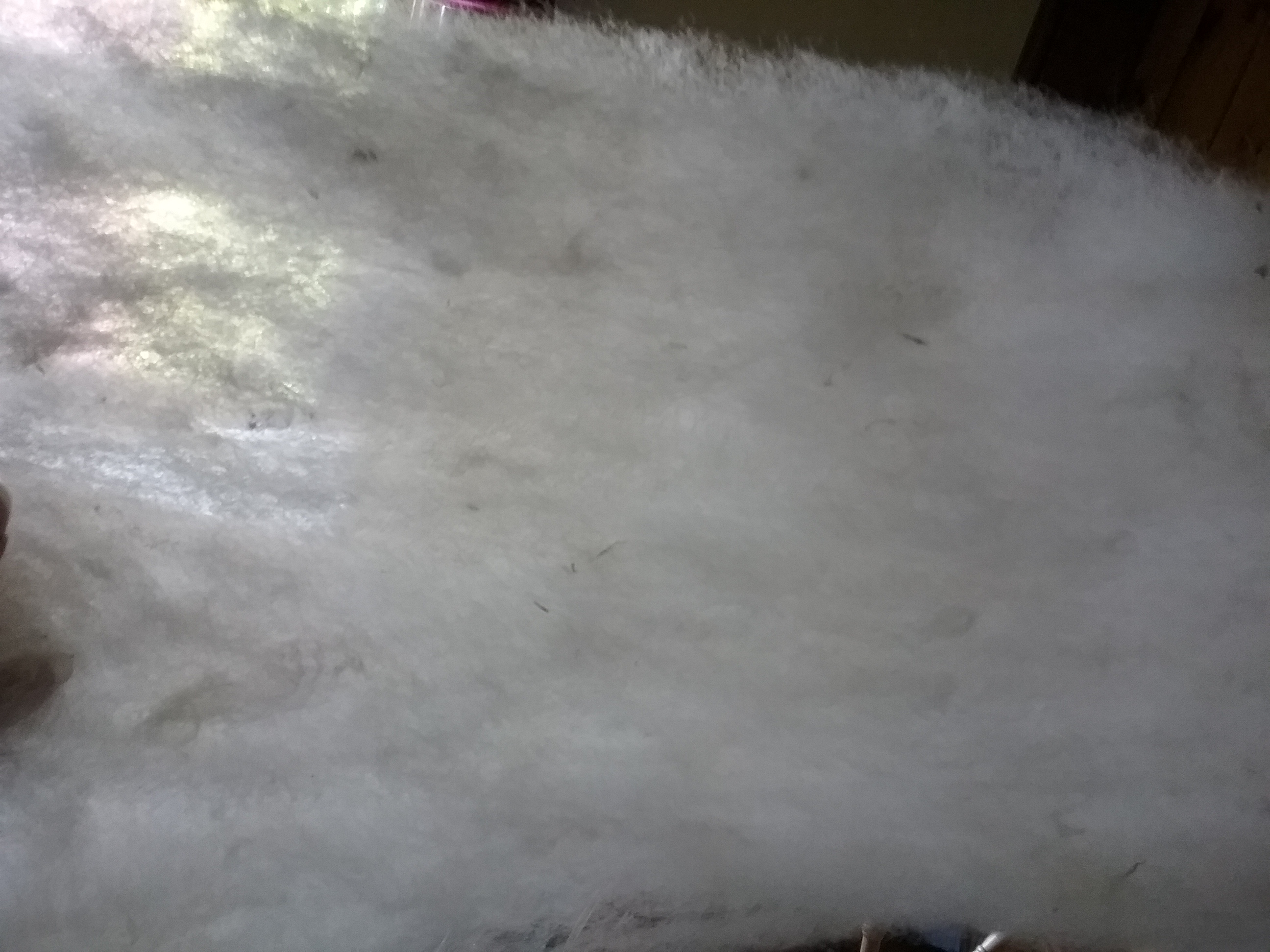
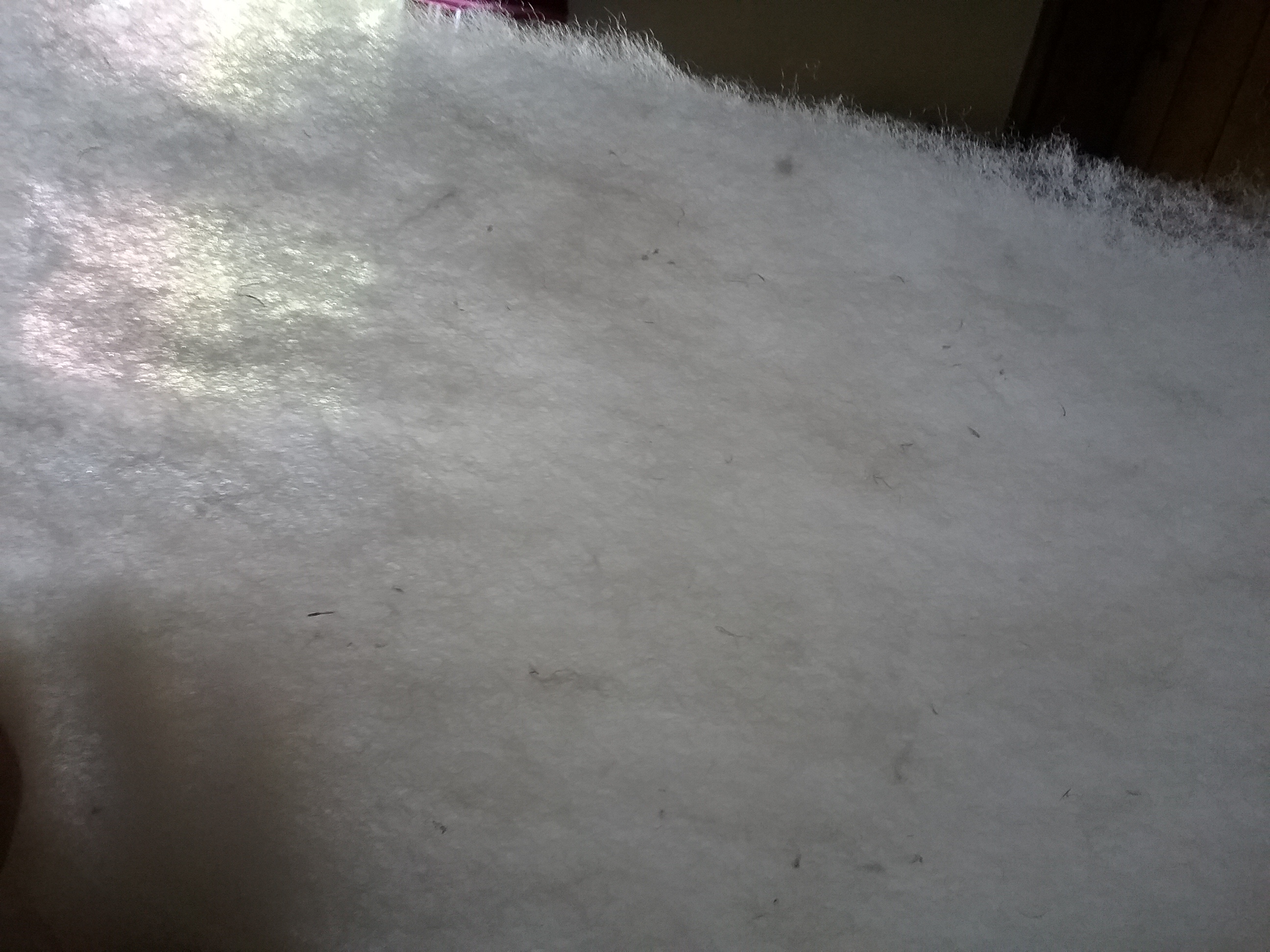
The drum carder requires the fleece to be teased out more than I usually do with my hand carders. I found taking a small handful and teasing it out so it was spread thinly in layers gave a much better result than adding larger amounts in one go. The first pass of the drum carder gave good results, but there were still some uneven areas, so I decided to put it through again. I tore the batt in three lengthways, tore about 6-7cm from each strip and then teased this out before winding it onto the drum (much like I did the first time). The resulting batt was much more even and although I did experiment with another pass through the drum, it made minimal difference for this fleece.

1st & 2nd pass through the drum carder – note the fibres are more evenly aligned

I began this project with the intention of weaving a handspun cloak since I had so much fleece – my plan was to spin and ply all the fleece and then start weaving. I had a small stash of yarn to hand back in January 2022, when I impulsively decided I was going to start knitting a Victorian cycling jumper. This would need a lot of yarn and as the Clun Forest was sitting there I decided to cast on. I put spinning on hold while I knitted and am now in the slow process of carding enough to spin & ply a bobbin full at a time before continuing to knit. Unfortunately, this means my usual blog posts have been in various states of completion, so I am now catching up.

Have you been working on any slow projects, experimented with new equipment, or have any tips for drum carding? Let me know in the comments below!

Happy Crafting!
Further Reading about Clun Forest:

  • Breed Society Website – https://www.clunforestsheep.org.uk/
  • British Sheep & Wool by the British Wool Marketing Board – ISBN 9780904969108
  • The Field Guide to Fleece by Deborah Robson & Carol Ekarius – ISBN 9781612121789

Fibre Haul: East Anglia Yarn Festival

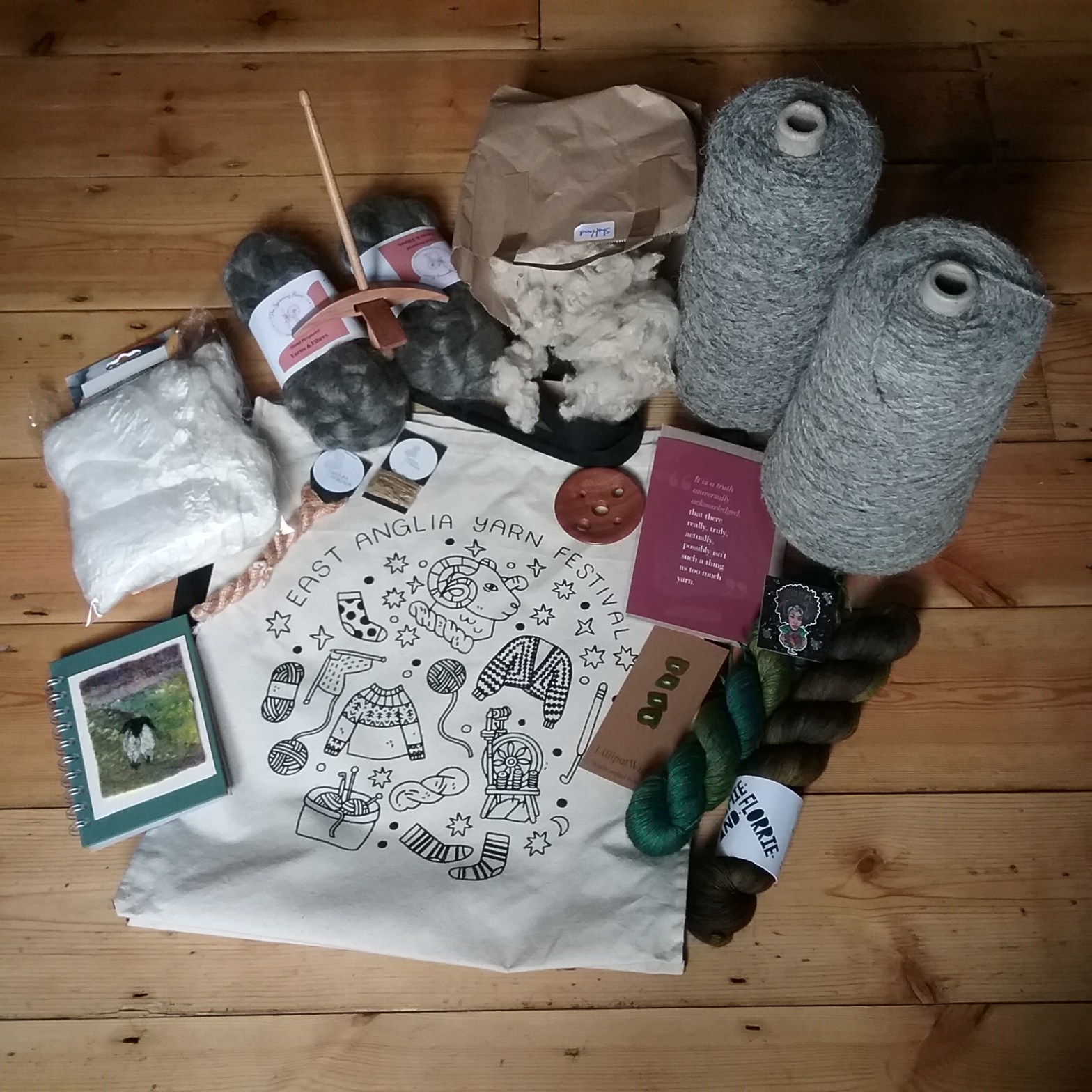
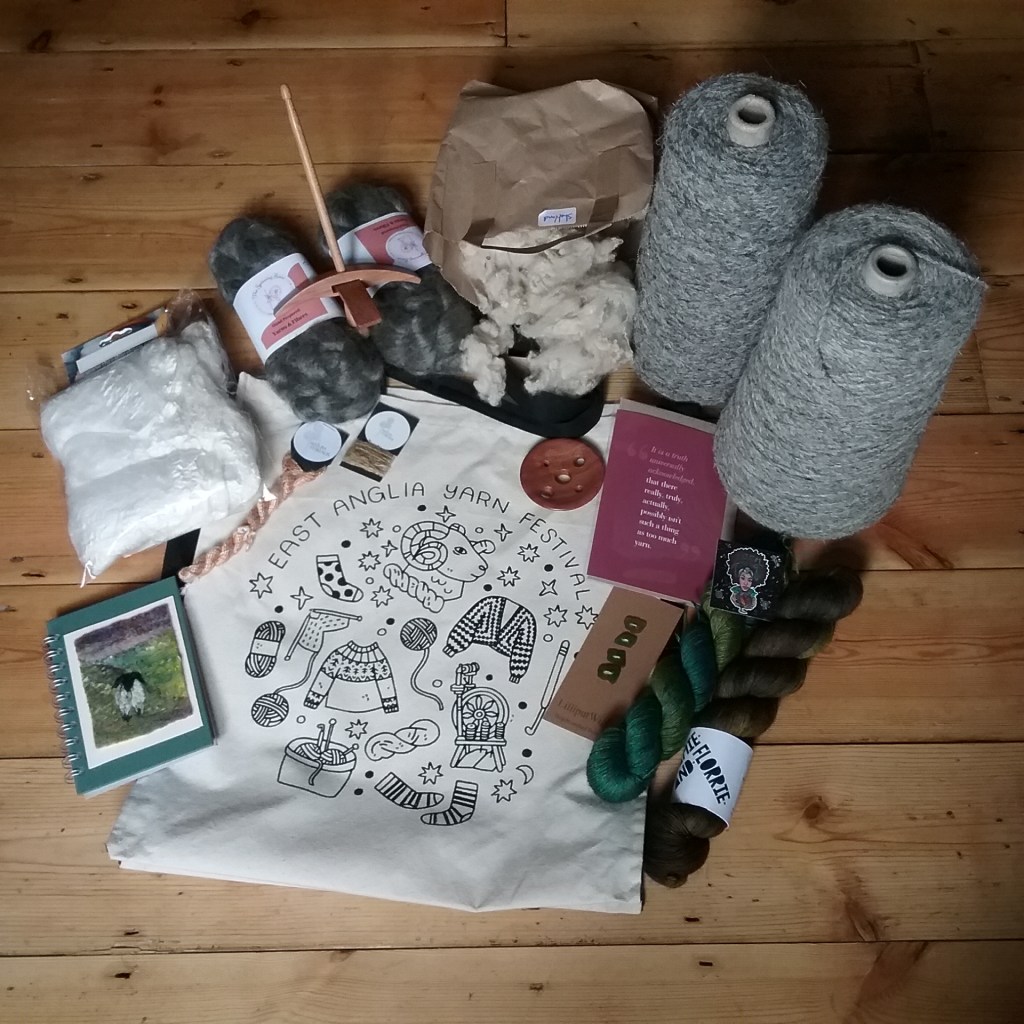
Last weekend I went to my very first fibre festival East Anglia Yarn Festival. I had a wonderful time, met lots of lovely fellow crafters, talked about all things wool and came away feeling very inspired. Since I have quite a large stash of my own hand spun yarn and fleeces waiting to be processed, I don’t tend to purchase much yarn or pre-prepared fibre, however I did go with a mental list of items that would be useful.

Links to vendors websites are provided for reference and are not affiliate links.

Yarn

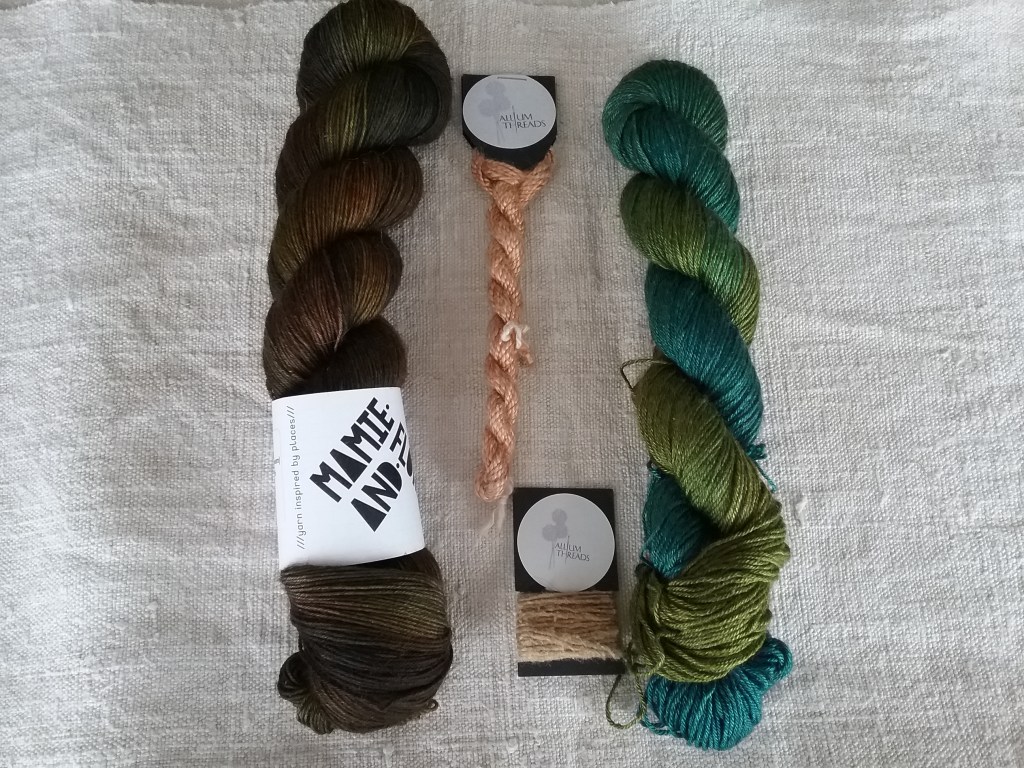
The first skein I bought was a beautiful earthy toned sock yarn from Mamie and Florrie. Sock knitting has been on my project list for some time and this colourway was really beautiful. I also treated myself to a colourful Yak/Silk blend from Yarn Tings as it will complement some yarn already in my stash and is wonderfully soft. I purchased two naturally dyed silk threads from Allium Threads for use in future sewing projects and two half cones of grey wool from Eliza Conway who sells vintage second hand wool and notions as they will make an excellent warp for weaving projects.

Fibre

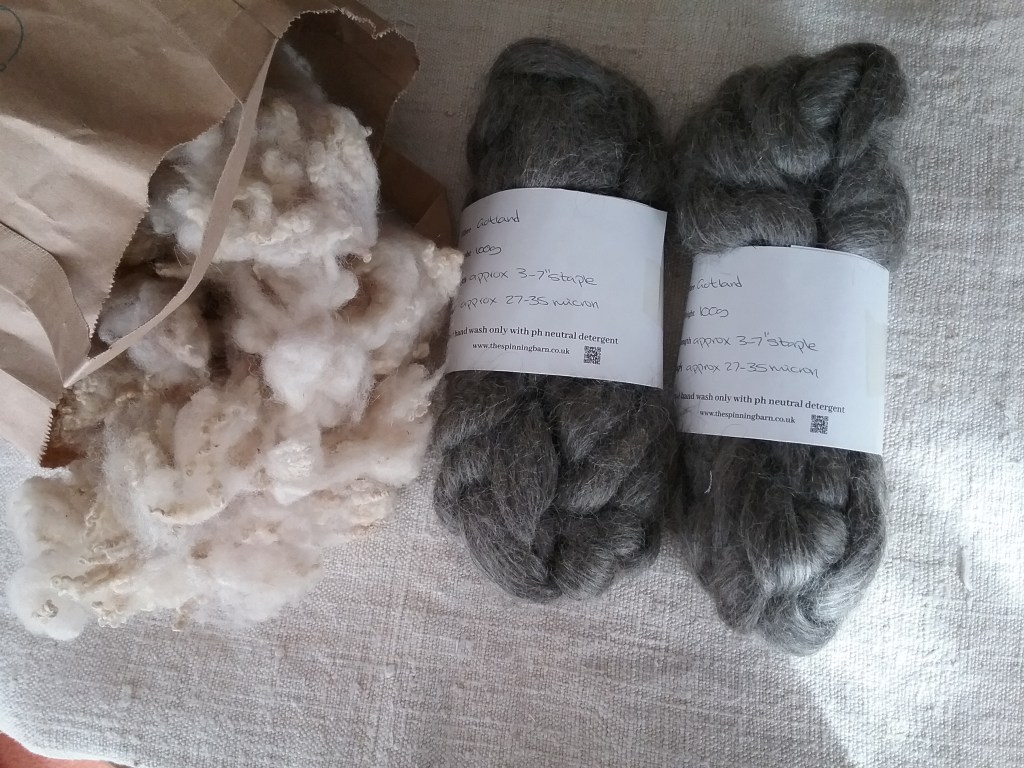
With lots of fleeces in my stash, I was strict with myself when it came to fibre. I purchased a small bag of white Shetland fibre from The Slow Yarn Spinner with the intention of spindle spinning it and combining it with the coloured Shetland I spun last Tour de Fleece into a project. The Spinning Barn were selling some combed Gotland wool, which is a breed I have been wanting to try out for a long time and the fleeces are harder to come by. Finally I picked up some silk hankies from The Threshing Barn to experiment with.

Miscellaneous Items

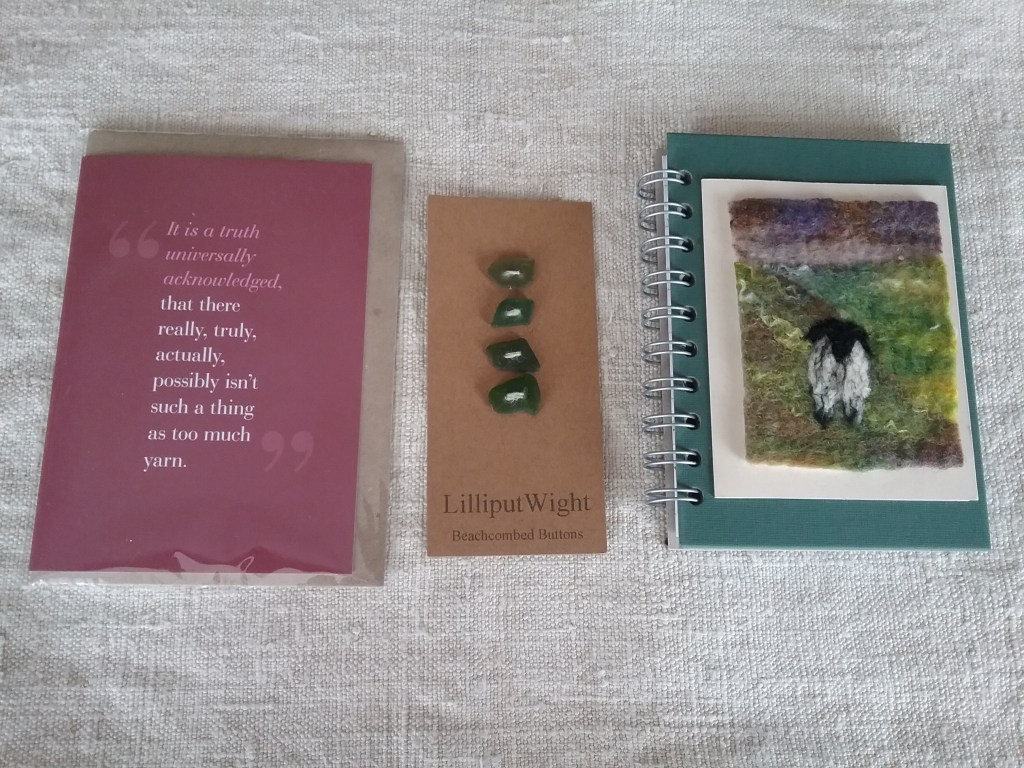
When experimenting with my DIY Wool combs, I had been using an oversized button, so though it high time I got a proper diz (though buttons and stones with holes in do work just as well). Tine and Floyd had some lovely handcrafted dizzes and while I was there I also treated myself to a Turkish spindle so I can now have two spindle projects on the go at once. I was also rather taken by a set of sea glass buttons by Lilliput Wight, a felted sheep notebook by Little Gem Felts and finally a card by Tilly Flop Designs that I felt summed up a crafters life very well!

Overall it was a truly wonderful event, everyone was so friendly and it was pleasure meeting so many fellow creatives from all over the country. It was also lovely to meet some of the people who I bought from during virtual fibre east in 2020. There were many more vendors than I have listed here (at time of publishing, I believe the full list of vendors is on the EAYF website), so if you are in need of yarn or notions, but not sure where to start then I highly recommend having a look.

If you have any recommendations of yarn festivals or events then let me know in the comments below.

Happy Crafting!
Good Omens Cushions – An Ineffable Exploration of Textiles in Film

I would like to wish all my fellow crafters a belated Happy New Year. Now that the festive season is over, I can finally showcase the projects that have taken up the last quarter of 2022.

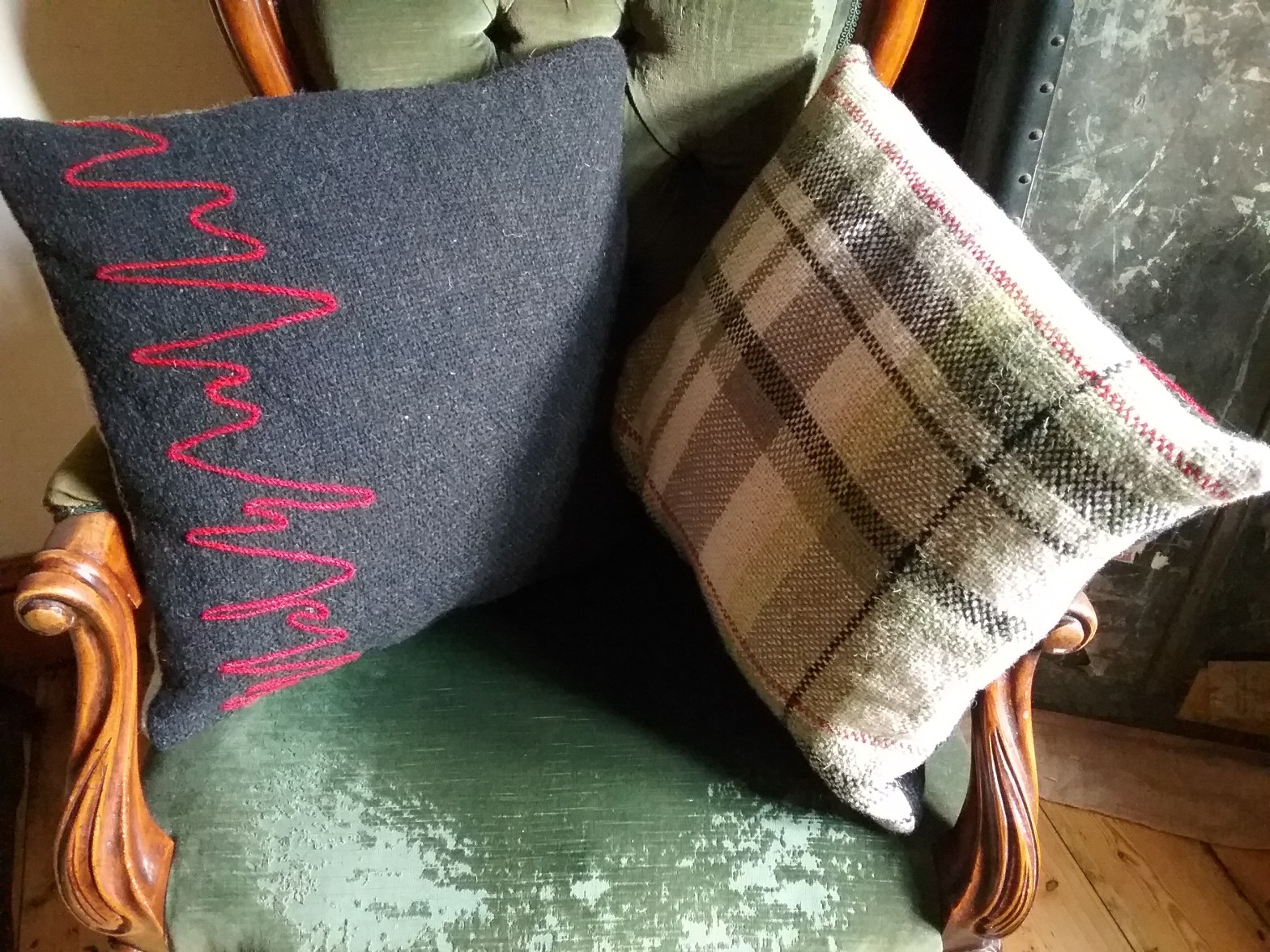
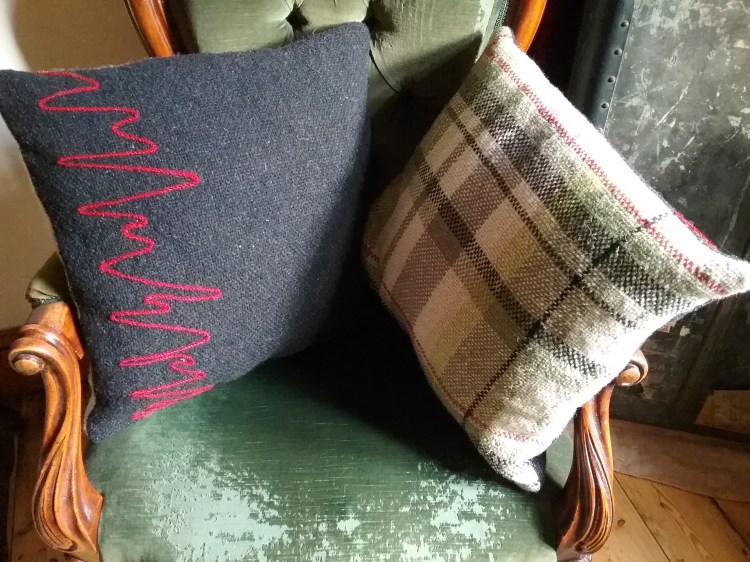
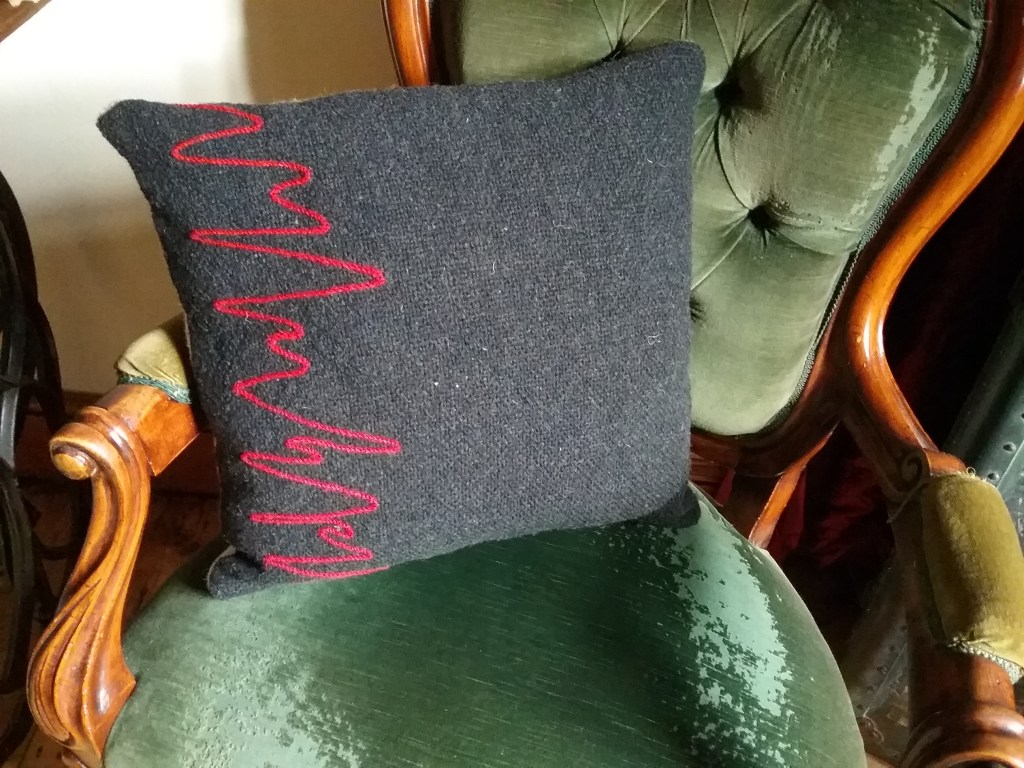
I often find myself analysing costume and textiles in film and so when I needed gifts that were Good Omens themed and not off the shelf I felt it was a good excuse to explore some of the fabrics from the show and turn them into cushions. For those unfamiliar with the book or show, the story follows the comical exploits of unlikely allies Aziraphale and Crowley (and angel and a demon) as they attempt to prevent Armageddon. Both characters have a very distinct style that is shown evolving through time. My chosen medium was weaving so I had to find fabrics or elements from costumes that would translate well and express the personality of each character.

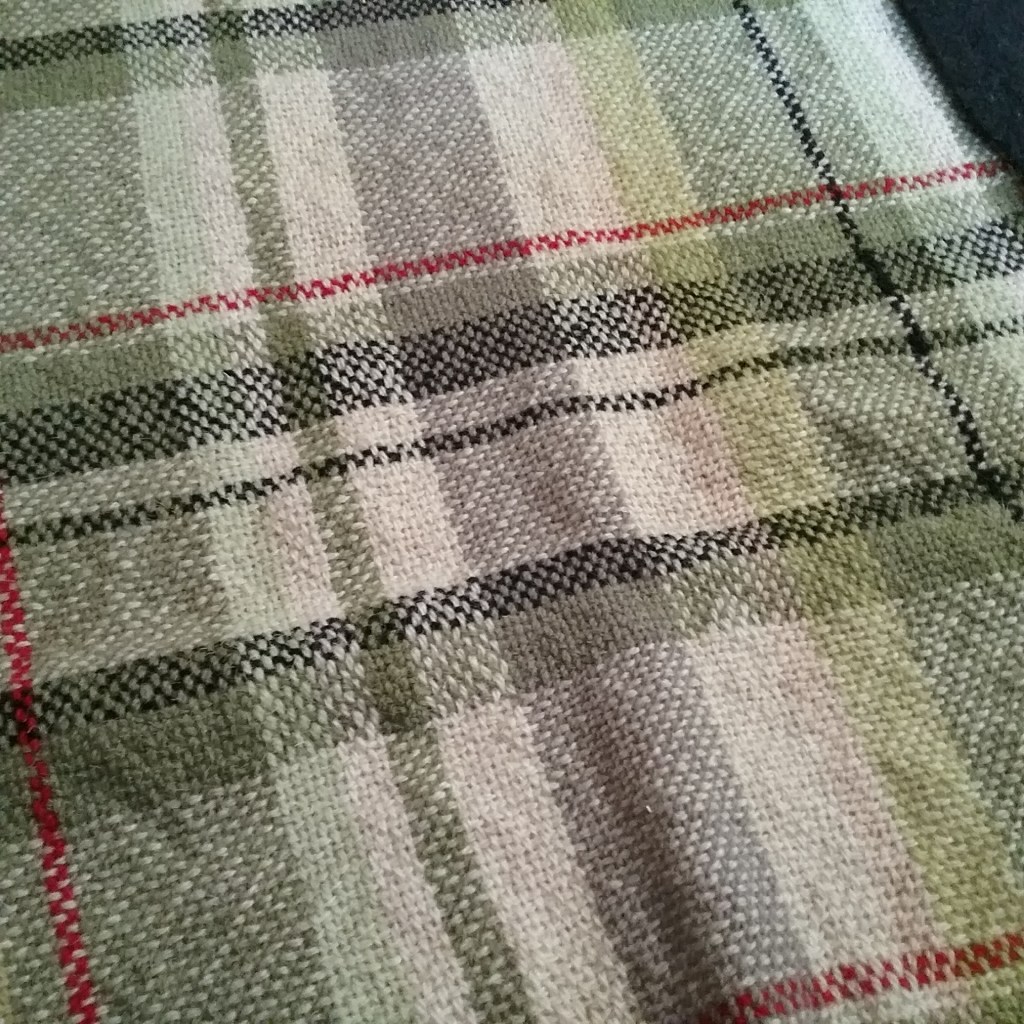
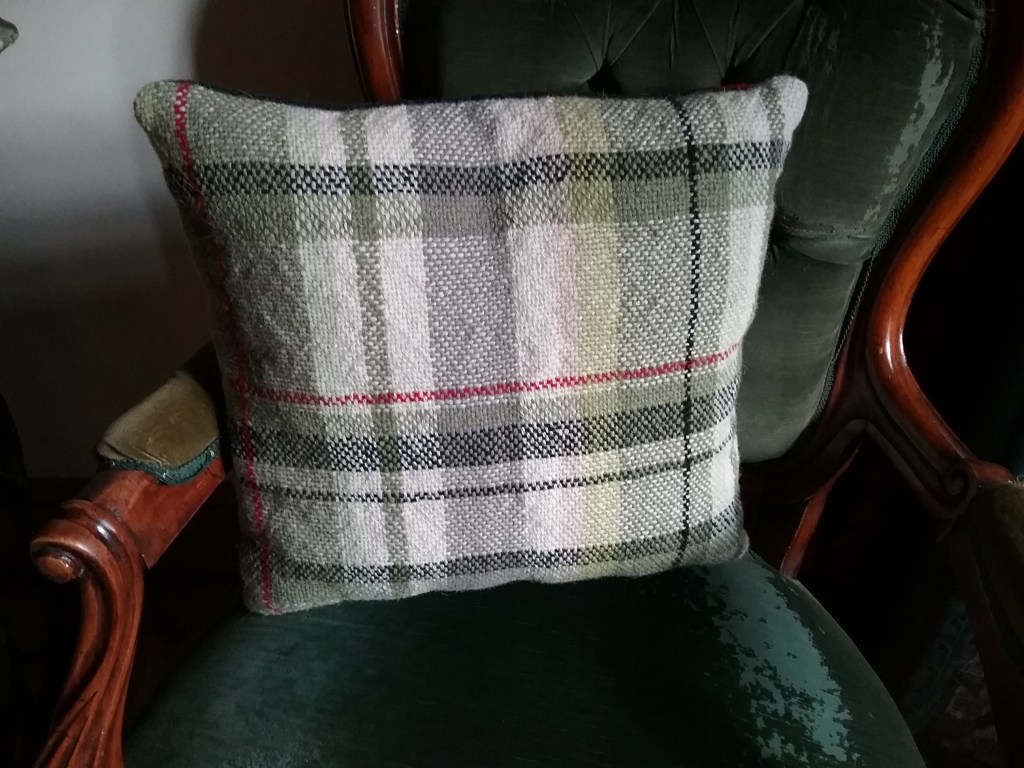
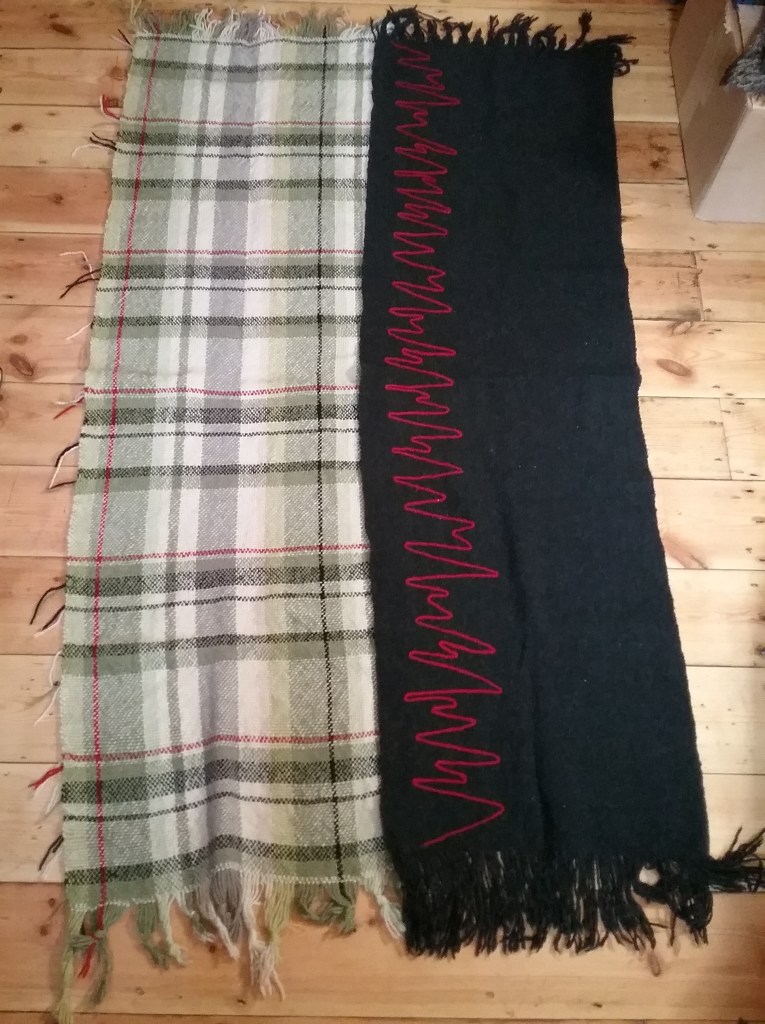
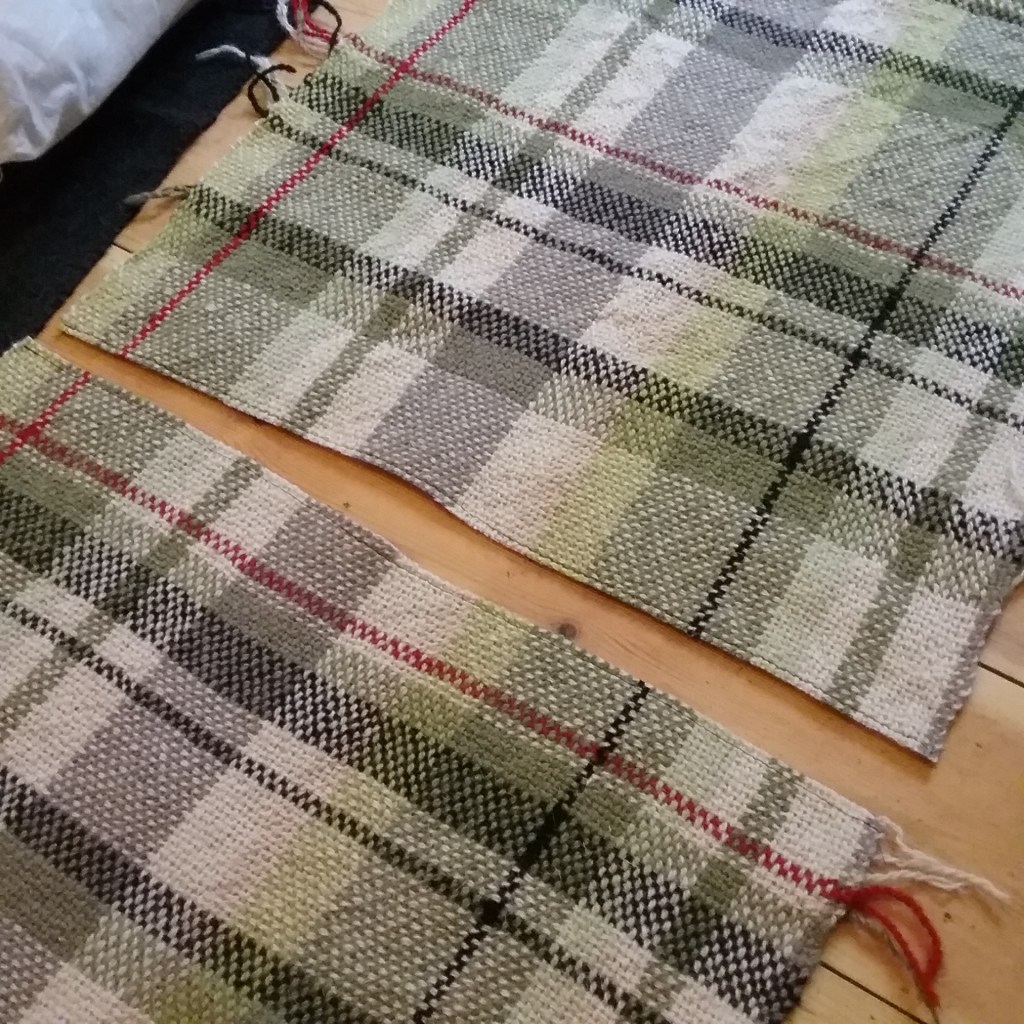
Aziraphale has a fondness for tartan which is something I have been wanting to attempt weaving for a long time. I began to look through images from the show to get an idea of what the tartan looked like and eventually stumbled across an image from Sarah Arnett who it seems designed the specific tartan for the show. Armed with the name of the fabric (Heaven’s Dress tartan) I refined my search and discovered someone had helpfully put this pattern into a tartan designing website. The ’tile’ I printed out measured 200 pixels and my warp needed to be 168 ends wide so I cut off 32 pixels and proceeded to create an indirect warp using each pixel column as a warp thread.

After this it was a matter of threading up the loom and beginning weaving, using each row of pixels as a row of weft thread and repeating the pattern when I reached the end. The whole process was much simpler than I anticipated and ended up being a near exact replica (in pattern at least) of the tartan in the show.

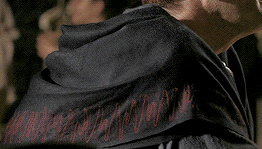
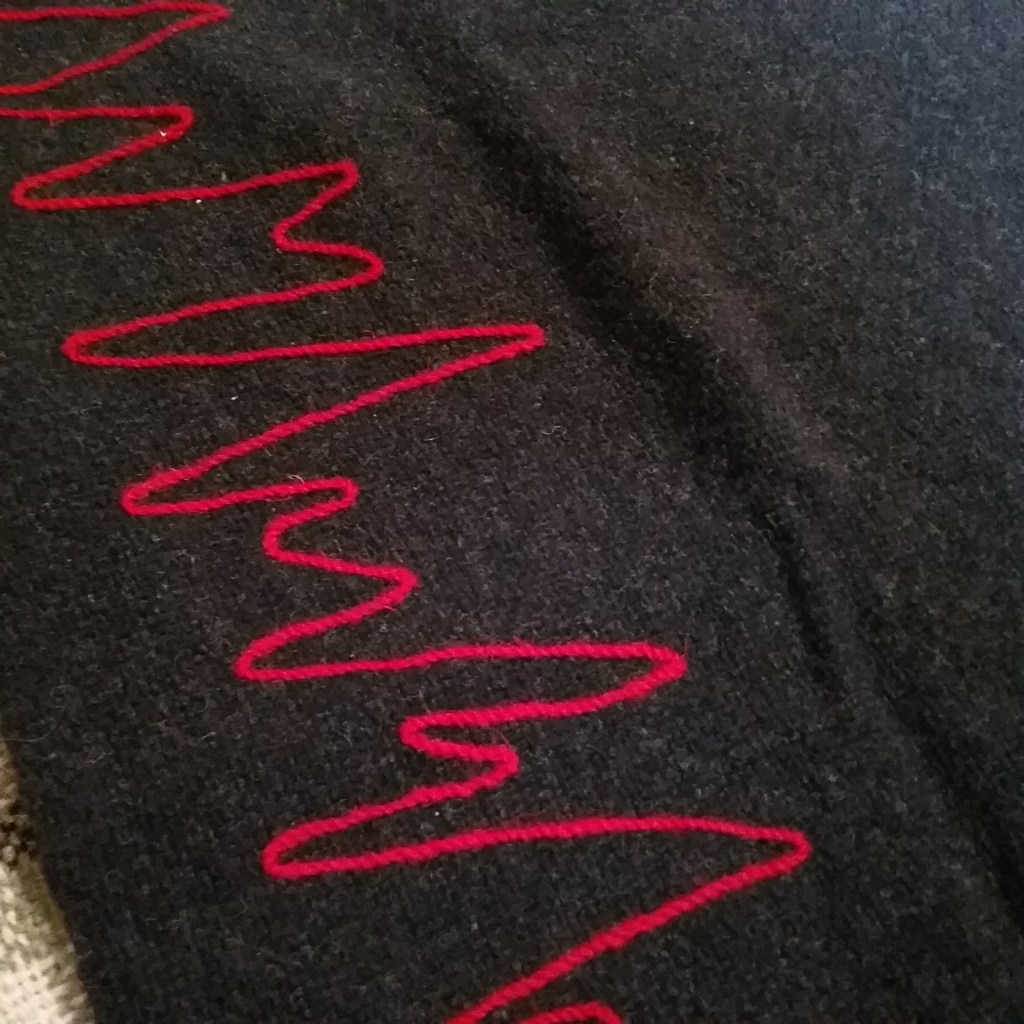
Crowley on the other hand was slightly harder to find a suitable fabric for. His clothing changes a lot in the show and is less homespun in appearance. However, one particular garment did catch my eye and that was the toga/wrap that he wears in Rome. It is plain black (appears to be wool) and has a red slithering line at the border. It isn’t seen for very long, so I zoomed in to a image to have a closer look.

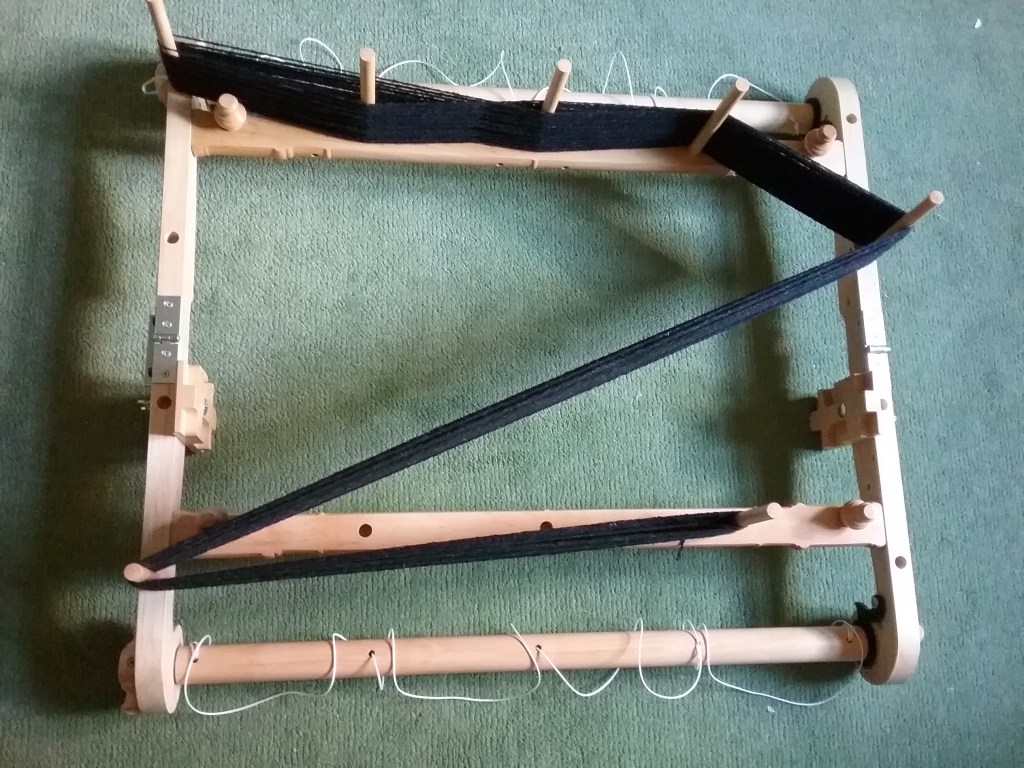
I plied some commercial black wool from my stash to the correct thickness and threaded my loom with a plain warp. At first I though the red line was something woven into the fabric, so attempted to recreate this as an inlay in my weft. It became clear that no matter how I set the inlay it was looking too angular, so I removed the red and looked at the image again wondering how it could be attached to the fabric without weaving. On closer inspection of the image I could see another very subtle line going in the opposite direction to the brighter coloured one which gave me an idea – could it have been needle felted?

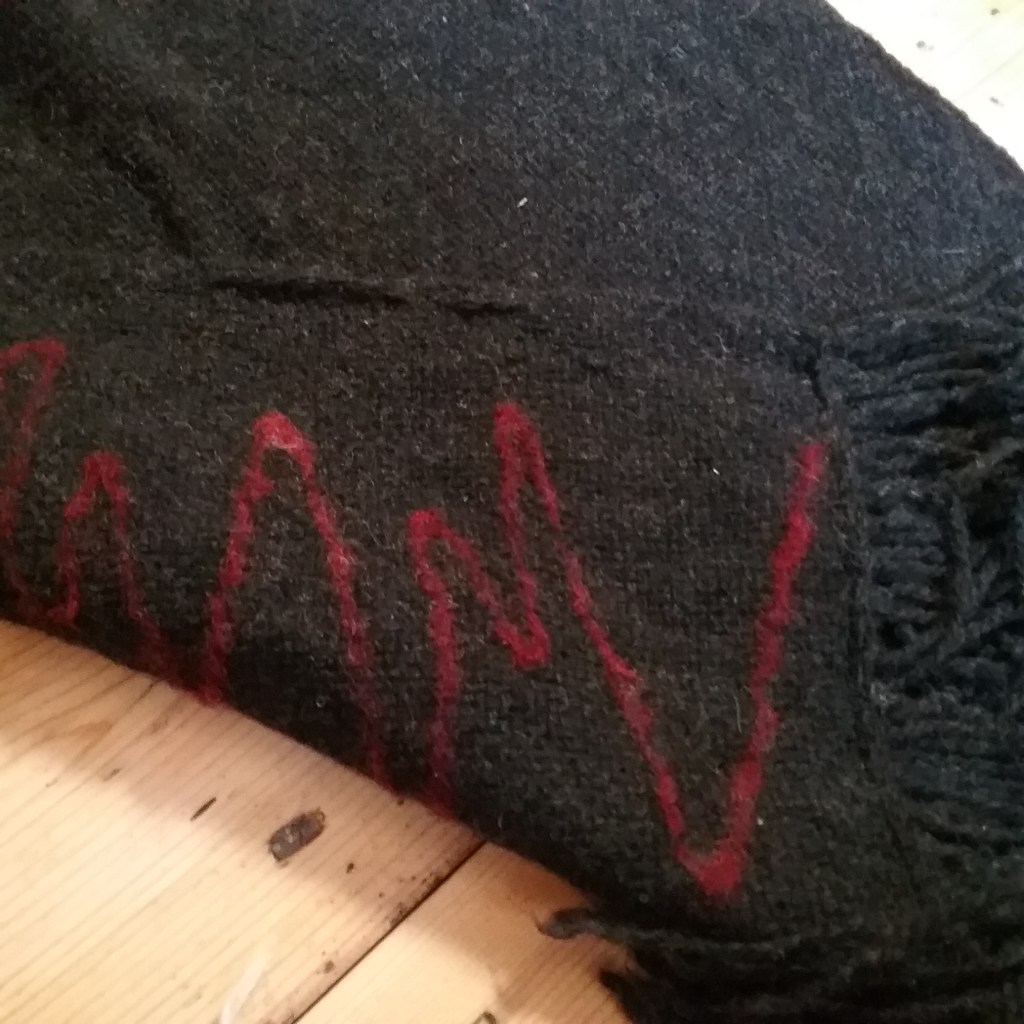
So, I continued weaving in plain black and washed the fabric to allow it to shrink. I have no experience with needle felting but have been keen to have a go at it, so I purchased a mat and some needles and began jabbing a strand of red wool onto my woven fabric following the line on the original garment as closely as I could. I wasn’t sure if the yarn would needle felt onto fabric, but to my surprise it worked well and when I turned the fabric over, the reverse had a very subtle line, just like the picture. Whether the costume designers used needle felting in the original or if the fabric was commercially designed I don’t know, but the technique certainly works.

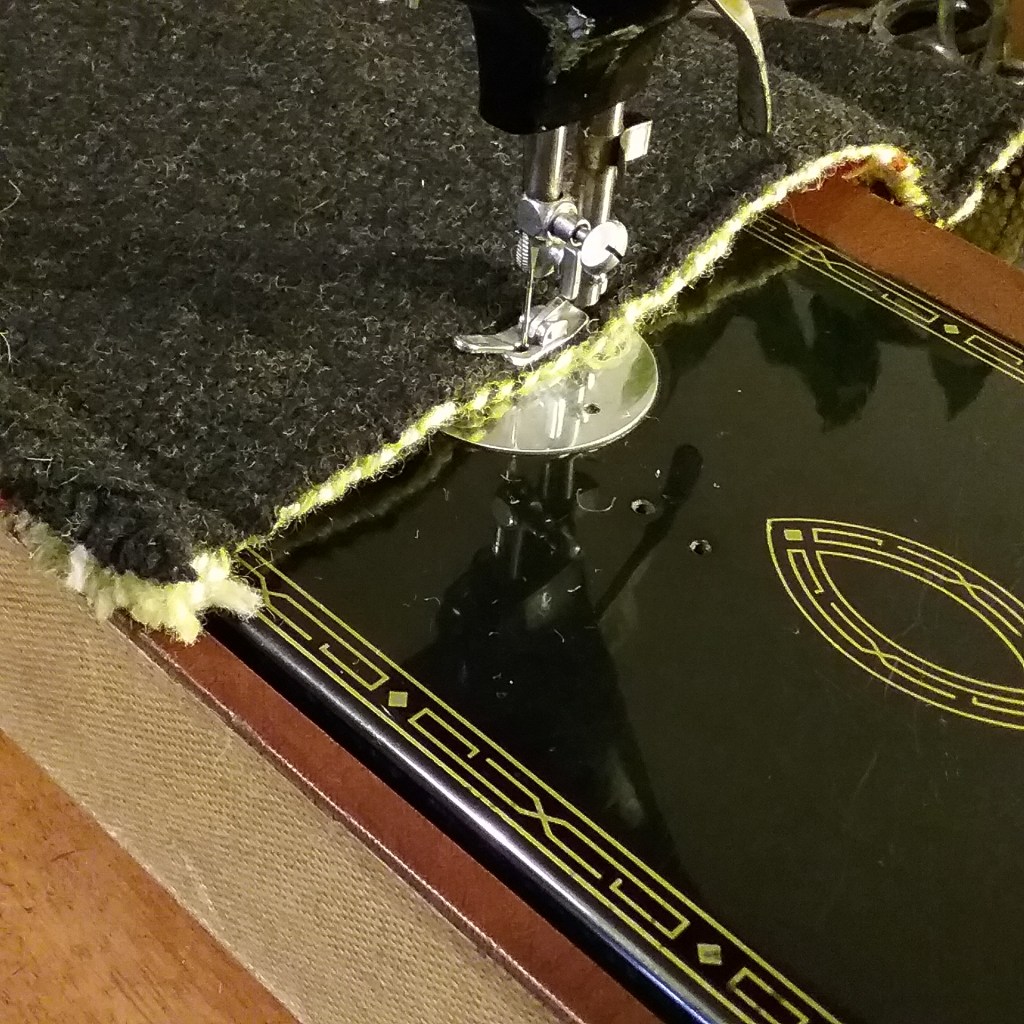
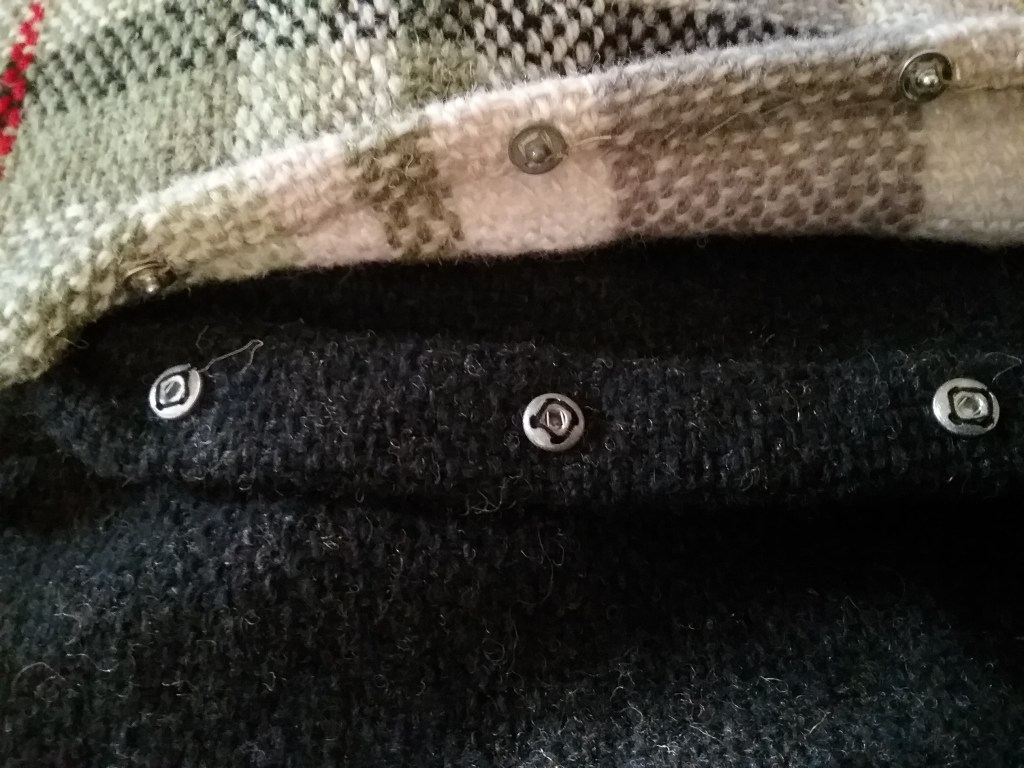
Finally I needed to turn my weaving into cushions. I measured my fabric against my cushion inner, marked my cutting line using pins and then sewed a line either side before taking the nerve-wracking step of cutting through my handwoven fabric for the first time (none of my previous weaving projects have involved cutting). After realising that cutting handwoven fabric isn’t quite as terrifying as I thought it would be – I went about sewing the seams, leaving an opening at the bottom that I hemmed by hand and closed with snap poppers to give a clean finish.

I was very pleased with how the finished products turned out and I have a little fabric spare which I feel might look nice incorporated into some sort of clothing – but that’s a project for another time. Though this deviated from my usual hand processed wool projects, it challenged me to think outside the box and gave me a good excuse to try out some new techniques (I now have the impulse to embellish everything with needle felted yarn!), so I will definitely look at exploring more fictional (and non-fictional) fabric in the future.

In the meantime I have returned to my WIP pile with fresh eyes and have found solutions to the problems that hampered my progress, so am once again moving towards completing some projects. Have you ever recreated any fictional fabric or have any suggestions of fabric you think I should recreate? Let me know in the comments below!

Happy Crafting!
🎄A Merry Festive Season🎄

As we approach the end of the year I would like to thank all of my followers for your continued support and wish you a relaxing festive season. I have not managed to get many projects finished and written up on the blog this year, but I have made progress on my stash, completed Tour de Fleece without missing a day and participated in Wovember both on my blog and instagram. I have busied myself the latter part of the year with making gifts, which I hope to be able to share in the new year when they have reached the recipients.

I have some exciting new fibre plans and projects planned for 2023 which I hope will come to fruition. In the meantime I hope to make significant progress with my current WIP’s.

Loose Ends

Wovember 2022 – The Importance of Wool: Care & Repair

Wovember Logo

Happy Wovember! It’s that time of year again when we fibre enthusiasts spend the month highlighting the importance of wool. This year I have not had as much time to make and research my usual posts, but as Wovember draws attention to the importance of correctly describing articles made from wool (i.e. not labelling something made from acrylic fibre as ‘woollen’) I thought it would be a brilliant opportunity to share some sources of information on the labelling of wool products and the impact of fast fashion. I am in no way affiliated with any of the companies mentioned and have provided references to all sources used. Do go forth and explore.
Week 4 – Making textiles last longer

The easiest way reduce the environmental impact of our clothes and textiles is to make them last longer regardless of fibre content. It’s good to start by checking how well made an item is before you buy it; if the stitching looks flimsy, the fabric looks thin or is already pilled/damaged then the likelihood of it lasting a long time is slim. Buying items second-hand or making your own can also be a cost effective way of getting a well made item.

The most common care procedure for clothing and textiles is washing. Washing synthetic fibres releases microplastic particles into the water system which harms marine life and can enter the food chain. Natural fibres don’t shed these harmful particles, but are often considered difficult to wash; the worry with wool is usually shrinkage or felting. The willingness of wool to felt depends on the fleece, the temperature of the water and the amount of handling it has. Wool is hardier than you think though and I have never had a problem washing it (though I do prefer to wash my handmade items by hand). Newly handwoven fabric should allow for some shrinkage (or fulling) in the first wash as the fibres are released after being tensioned on the loom, but after this they should not shrink further. As wool has natural elasticity, textiles can also be shaped while they are drying (for example; lace knitted shawls are often pinned into shape as they dry.). There are lots of useful sources regarding washing wool clothing, but The Woolmark Company have a concise section on their website with accompanying videos: https://www.woolmark.com/care/can-i-wash-wool-in-the-washing-machine/

Then there is repair. There are a multitude of repairs a textile can need and numerous ways to go about this, from delicate invisible repairs to a visible repair that stands out and makes a garment one of a kind. I find my most common repairs are holes. These can be patched, but darning can be useful when you want to try and match the weave of the fabric. I was particularly excited to discover that darning is really the same as weaving, only instead of a putting a warp on a loom you use the fabric. I’ve linked some useful resources below explaining different methods of textile repair, and have also linked my own mini tutorial for weaving on a pin loom (as it is a similar process).


Happy Wovember!

Further Reading

Wovember 2022 – The Importance of Wool: Fast Fashion

Wovember Logo

Happy Wovember! It’s that time of year again when we fibre enthusiasts spend the month highlighting the importance of wool. This year I have not had as much time to make and research my usual posts, but as Wovember draws attention to the importance of correctly describing articles made from wool (i.e. not labelling something made from acrylic fibre as ‘woollen’) I thought it would be a brilliant opportunity to share some sources of information on the labelling of wool products and the impact of fast fashion. I am in no way affiliated with any of the companies mentioned and have provided references to all sources used. Do go forth and explore.

Week 3 – The Woolmark Company’s ‘Wear Wool Not Fossil Fuel’

The Woolmark Company based in Australia work with wool growers and brands to provide certification so wool products can be labelled correctly. They recently produced a very short film detailing how much oil is used in the production of synthetic fast fashion. Their website and Youtube channel have lots of further information on wool, wool production and wool garment care.

Video Via The Woolmark Company Youtube Channel

If the embedded video does not work you can find it on The Woolmark Company’s Youtube channel here.


Happy Wovember!

Websites for Further Reading:

Wovember 2022 – The Importance of Wool: What is Wool?

Wovember Logo

Happy Wovember! It’s that time of year again when we fibre enthusiasts spend the month highlighting the importance of wool. This year I have not had as much time to make and research my usual posts, but as Wovember draws attention to the importance of correctly describing articles made from wool (i.e. not labelling something made from acrylic fibre as ‘woollen’) I thought it would be a brilliant opportunity to share some sources of information on the labelling of wool products and the impact of fast fashion. I am in no way affiliated with any of the companies mentioned and have provided references to all sources used. Do go forth and explore.

Week 2 – What is wool? Updating my first Wovember Post

My first Wovember post Celebrating Wovember: What is Wool? was published back in 2020. In it I explored all the amazing properties wool has and a little of the science behind it. Since then I have discovered some more useful resources and have also gained some more wonderful followers who may not have visited the archives; so for this Wovember I have updated the post with a few added extras – enjoy!

If the link above does not work, the post can be found by clicking on the archives button on the homepage (under the latest blog posts) and selecting November 2020.


Happy Wovember!

Websites for Further Reading:

Wovember 2022 – The Importance of Wool: Wool & the Environment

Wovember Logo

Happy Wovember! It’s that time of year again when we fibre enthusiasts spend the month highlighting the importance of wool. There are lots of exciting things happening this year, the official Team Wovember are back on Instagram (and I think Facebook) with a daily word prompt challenge and a new LoveWovember website has been set up by Anne who hosted the Instagram challenge last year. As well as celebrating Wovember in my own way here on the blog, I am going to take part in the Love Wovember daily Instagram challenge too.

This year I have not had as much time to make and research my usual posts, but as Wovember draws attention to the importance of correctly describing articles made from wool (i.e. not labelling something made from acrylic fibre as ‘woollen’) I thought it would be a brilliant opportunity to share some sources of information on the labelling of wool products and the impact of fast fashion. I am in no way affiliated with any of the companies mentioned and have provided references to all sources used. Do go forth and explore.

Week 1 – Campaign for Wool’s ‘Why Wool Matters’

Earlier this year the Campaign for Wool produced a short film that was shared widely online and recently won Best Fashion Documentary at the London Film Festival. It explores various elements of wool production, from farming, carbon emissions, the impact of fast fashion and climate change. The campaign for wool website has lots of additional information on wool and often hosts events during British Wool Week in October.

Video Via the Campaign for Wool Youtube Channel

If the embedded video does not work you can find it on the Campaign for Wool’s Youtube channel here.


Happy Wovember!

Websites for Further Reading:

Recent WIP’s: Secret Plans (and Clever Tricks)

Hello everyone, I’ve been a little quiet since Tour de Fleece as I’ve been engaged in several non-crafting projects that have taken most of my time these past few weeks. I have however made progress in some weaving and knitting projects and have learnt a couple of nifty tricks while I’m at it which I thought I would share below.

In my previous WIP post I had cast on a secret project for a gift which I realised a little too late was going to take a small eternity to knit if I continued using such a thin yarn. So, I frogged the project and then decided to ply the yarn on my wheel giving me a thicker two ply that was much better. Any yarn I haven’t spun myself I purchase mostly from charity shops selling the ends of yarn cones, but these tend to be quite thin (often intended for knitting machines), so plying two or more strands together can make the yarn a more suitable size or colour for a project without having to buy another ball of wool. This project is now finished, but the reveal will have to wait until later in the year.

I have also cast on another little project, this time using my hand spun, but it may need some fiddling to get the size right.

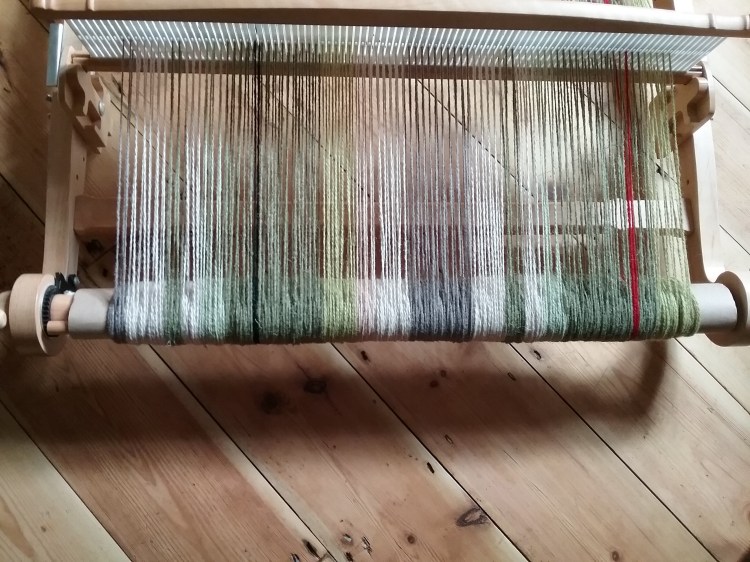
I have also been busy weaving. I have been practicing my indirect warping and it is rapidly becoming my favourite method as it’s much quicker and more accurate than direct warping. Pictures of my recent warps are below:

One of my weaving projects needed several colours on the go, but I only have two shuttles the right length for my loom (and boat shuttles don’t work very well on a rigid heddle), so I decided to try winding two colours onto the same shuttle. Although I’ve not come across this technique before I’m sure it has been done. It worked well and providing I tucked the weaving ends back into the yarn when I was finished with each colour it did not get tangled.

Stick Shuttle loaded with two colours of yarn

I am shortly starting an exciting new journey at university, so I may not be able to update this blog as frequently as I’d like, but I am determined not to let it go completely idle. In the meantime I’d love to hear what projects you are working on, let me know in the comments below!

Happy Crafting!