Wovember 2022 – The Importance of Wool: Care & Repair

Wovember Logo

Happy Wovember! It’s that time of year again when we fibre enthusiasts spend the month highlighting the importance of wool. This year I have not had as much time to make and research my usual posts, but as Wovember draws attention to the importance of correctly describing articles made from wool (i.e. not labelling something made from acrylic fibre as ‘woollen’) I thought it would be a brilliant opportunity to share some sources of information on the labelling of wool products and the impact of fast fashion. I am in no way affiliated with any of the companies mentioned and have provided references to all sources used. Do go forth and explore.

Week 4 – Making textiles last longer

The easiest way reduce the environmental impact of our clothes and textiles is to make them last longer regardless of fibre content. It’s good to start by checking how well made an item is before you buy it; if the stitching looks flimsy, the fabric looks thin or is already pilled/damaged then the likelihood of it lasting a long time is slim. Buying items second-hand or making your own can also be a cost effective way of getting a well made item.

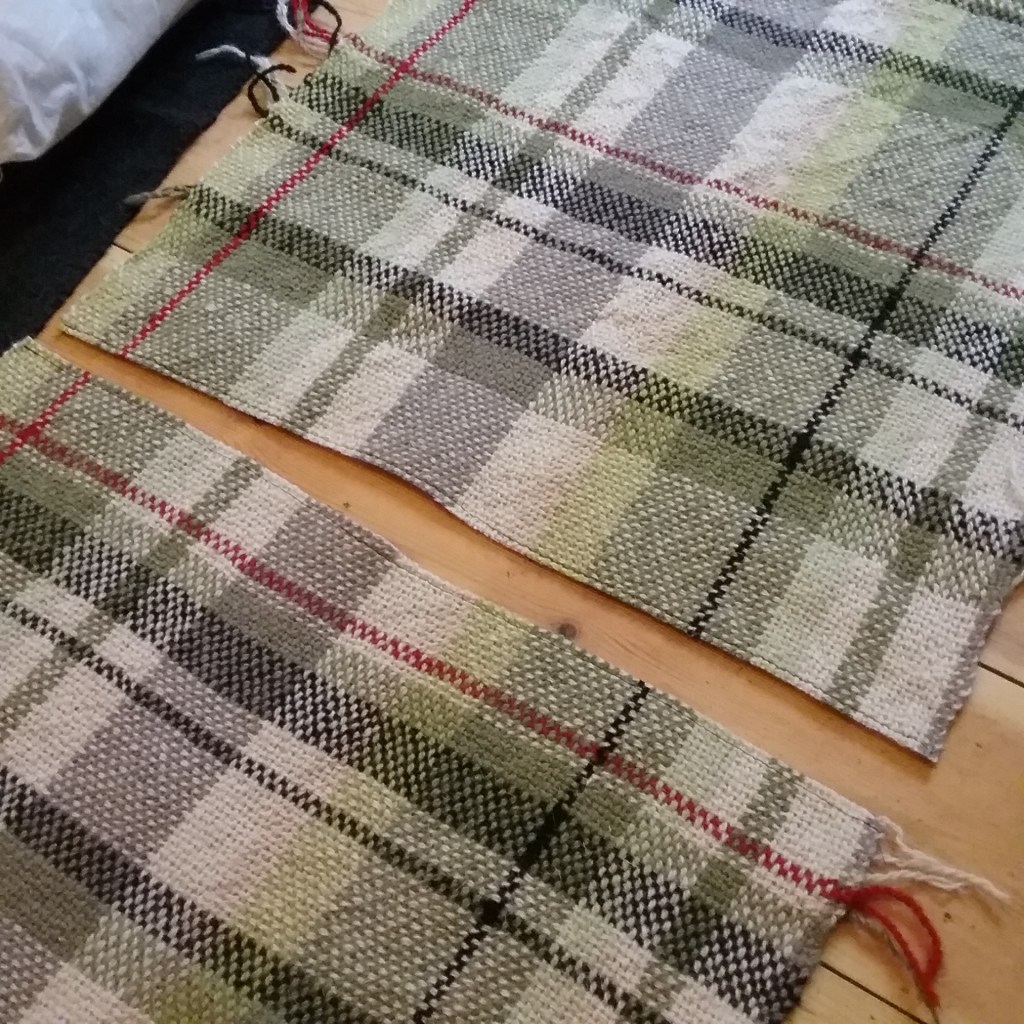
The most common care procedure for clothing and textiles is washing. Washing synthetic fibres releases microplastic particles into the water system which harms marine life and can enter the food chain. Natural fibres don’t shed these harmful particles, but are often considered difficult to wash; the worry with wool is usually shrinkage or felting. The willingness of wool to felt depends on the fleece, the temperature of the water and the amount of handling it has. Wool is hardier than you think though and I have never had a problem washing it (though I do prefer to wash my handmade items by hand). Newly handwoven fabric should allow for some shrinkage (or fulling) in the first wash as the fibres are released after being tensioned on the loom, but after this they should not shrink further. As wool has natural elasticity, textiles can also be shaped while they are drying (for example; lace knitted shawls are often pinned into shape as they dry.). There are lots of useful sources regarding washing wool clothing, but The Woolmark Company have a concise section on their website with accompanying videos: https://www.woolmark.com/care/can-i-wash-wool-in-the-washing-machine/

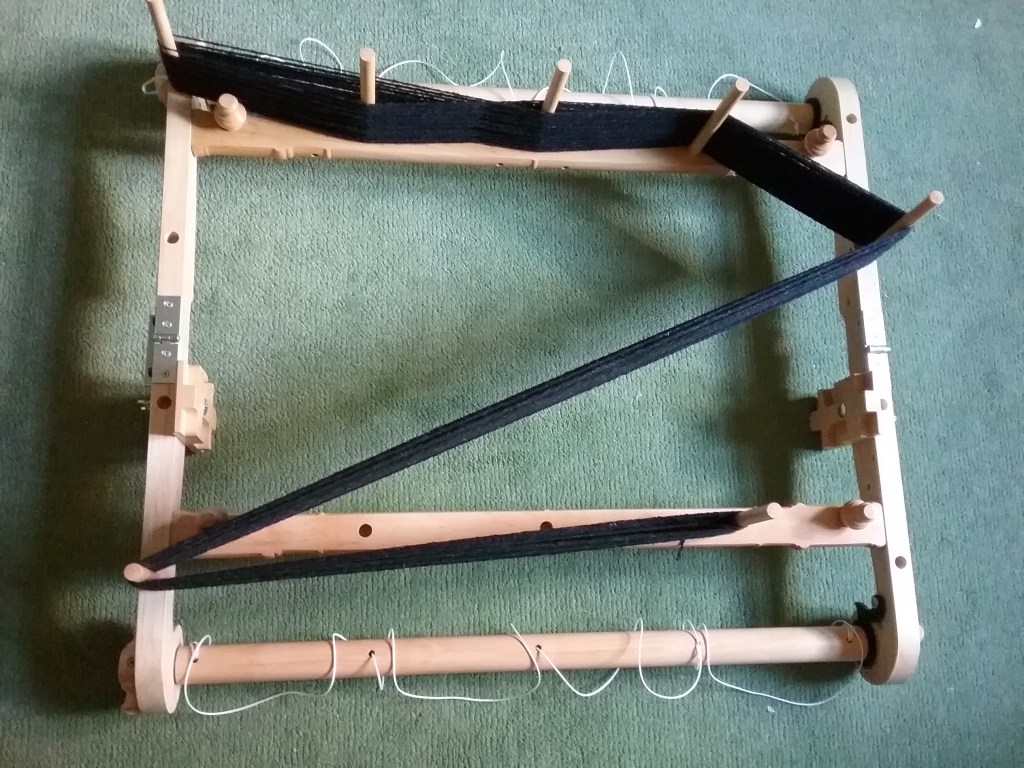
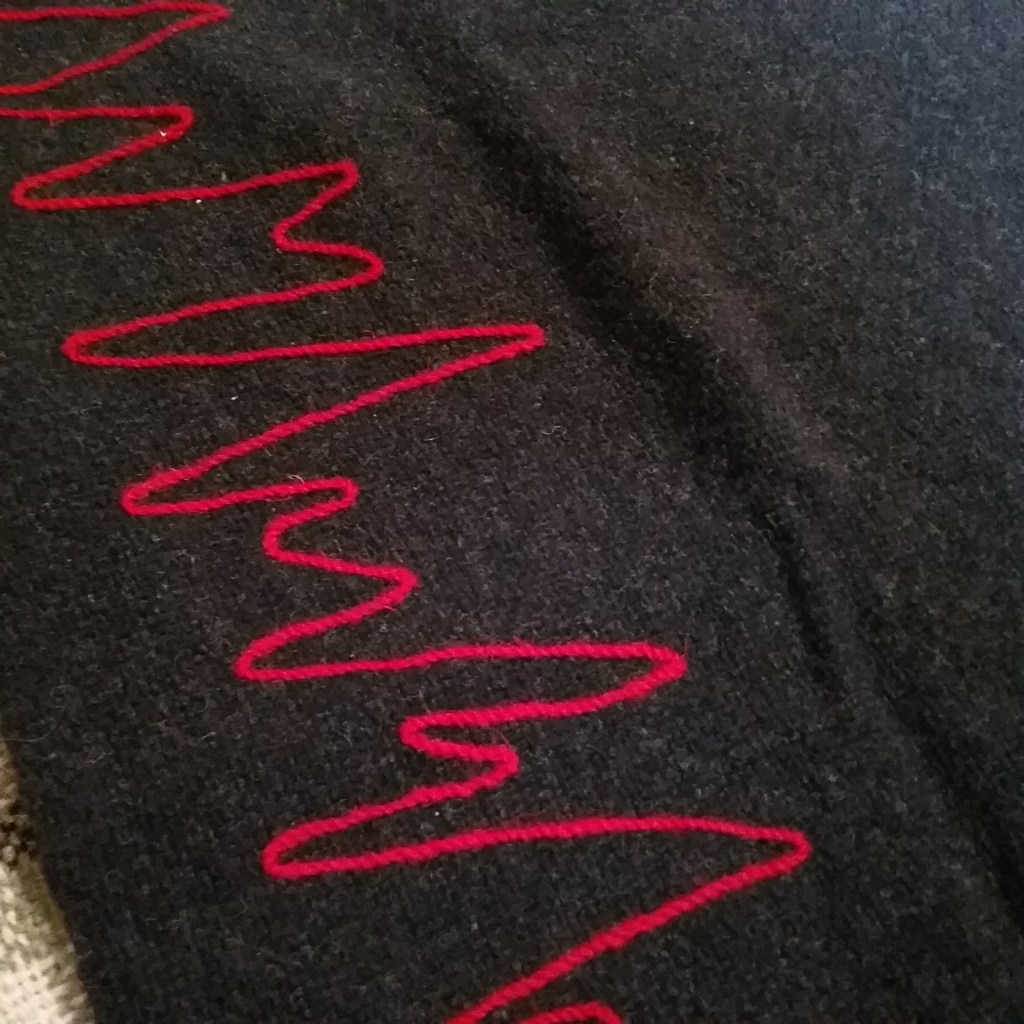
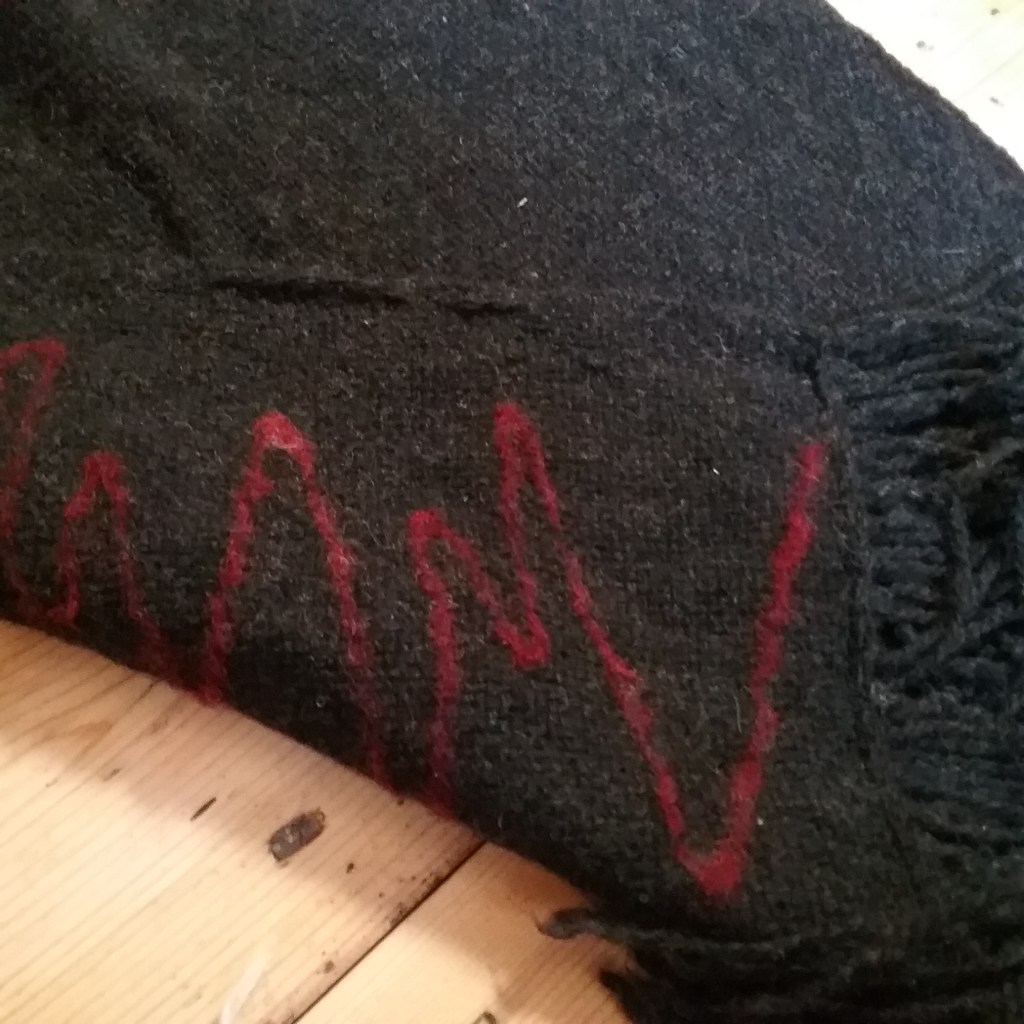
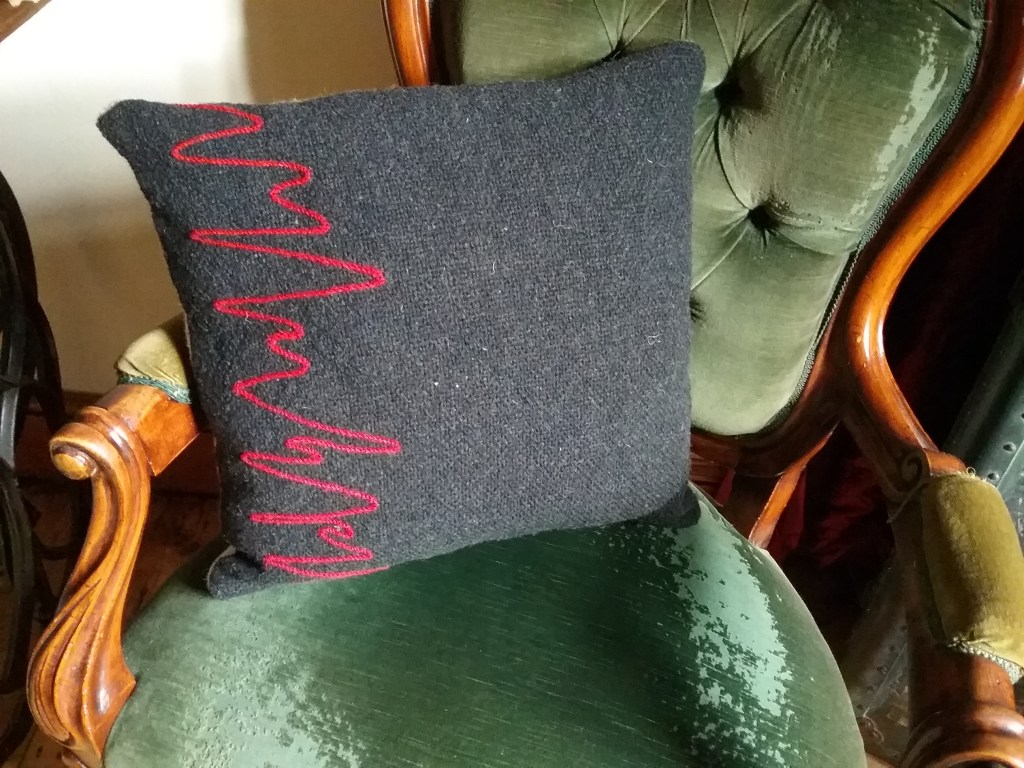
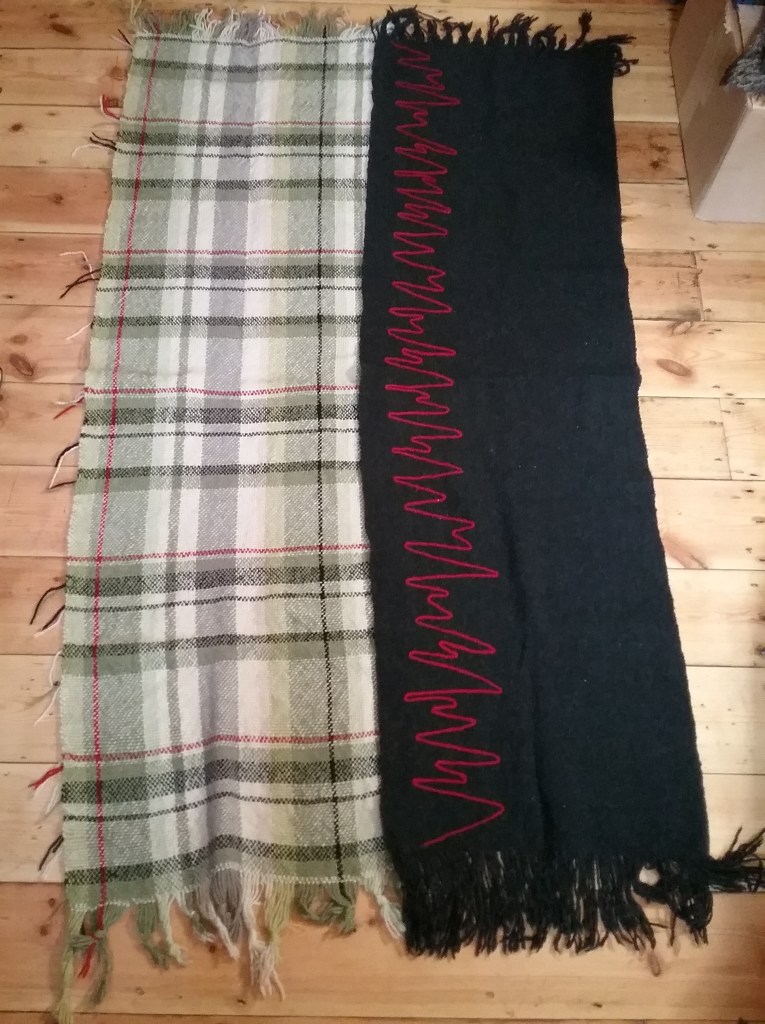
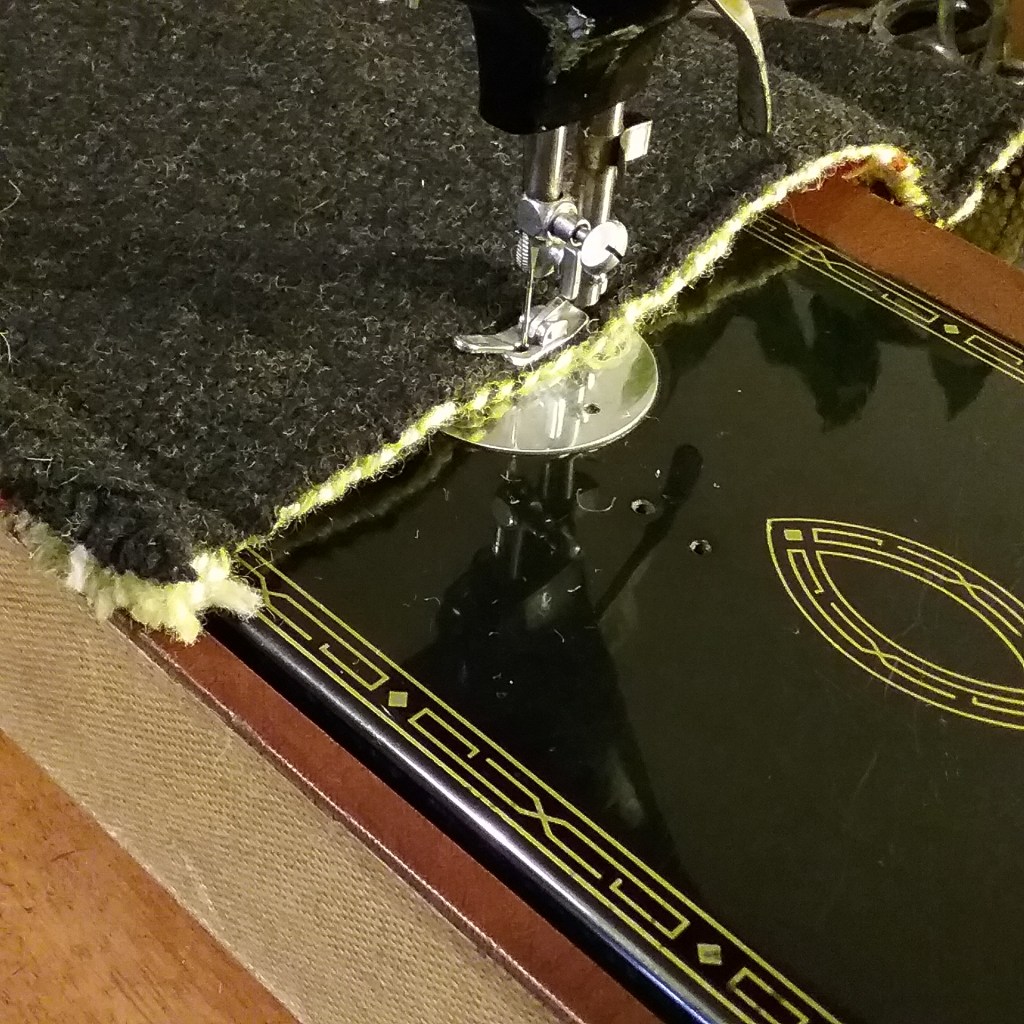
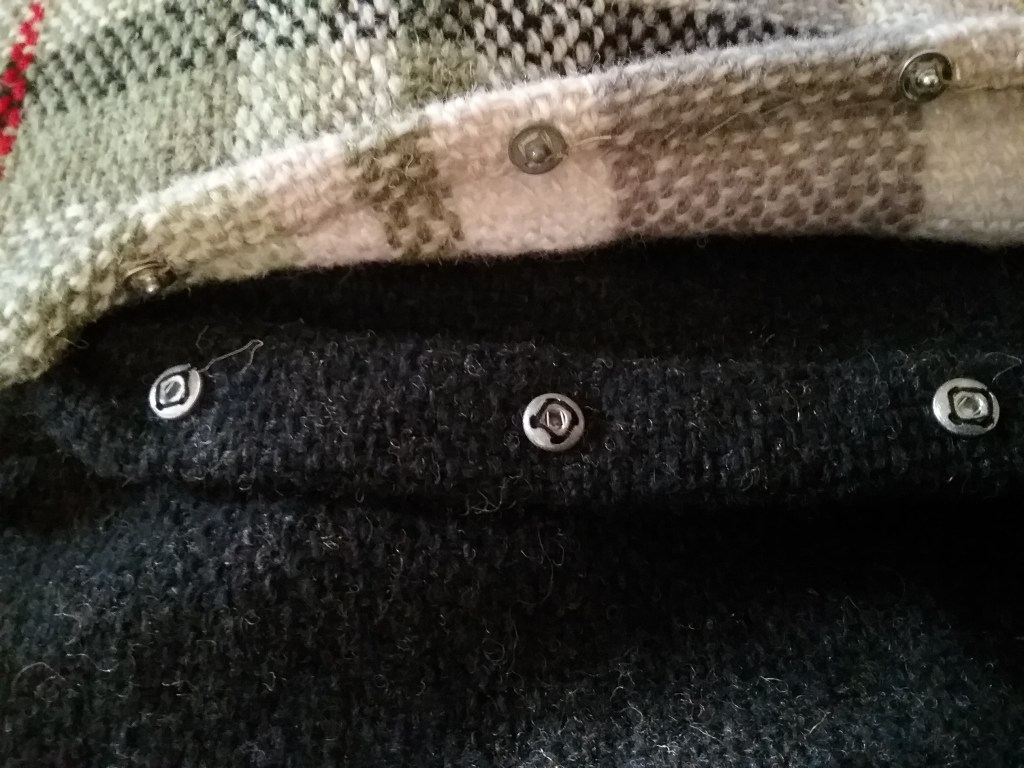
Then there is repair. There are a multitude of repairs a textile can need and numerous ways to go about this, from delicate invisible repairs to a visible repair that stands out and makes a garment one of a kind. I find my most common repairs are holes. These can be patched, but darning can be useful when you want to try and match the weave of the fabric. I was particularly excited to discover that darning is really the same as weaving, only instead of a putting a warp on a loom you use the fabric. I’ve linked some useful resources below explaining different methods of textile repair, and have also linked my own mini tutorial for weaving on a pin loom (as it is a similar process).


Happy Wovember!

Further Reading

Wovember 2022 – The Importance of Wool: Fast Fashion

Wovember Logo

Happy Wovember! It’s that time of year again when we fibre enthusiasts spend the month highlighting the importance of wool. This year I have not had as much time to make and research my usual posts, but as Wovember draws attention to the importance of correctly describing articles made from wool (i.e. not labelling something made from acrylic fibre as ‘woollen’) I thought it would be a brilliant opportunity to share some sources of information on the labelling of wool products and the impact of fast fashion. I am in no way affiliated with any of the companies mentioned and have provided references to all sources used. Do go forth and explore.

Week 3 – The Woolmark Company’s ‘Wear Wool Not Fossil Fuel’

The Woolmark Company based in Australia work with wool growers and brands to provide certification so wool products can be labelled correctly. They recently produced a very short film detailing how much oil is used in the production of synthetic fast fashion. Their website and Youtube channel have lots of further information on wool, wool production and wool garment care.

Video Via The Woolmark Company Youtube Channel

If the embedded video does not work you can find it on The Woolmark Company’s Youtube channel here.


Happy Wovember!

Websites for Further Reading:

Wovember 2022 – The Importance of Wool: What is Wool?

Wovember Logo

Happy Wovember! It’s that time of year again when we fibre enthusiasts spend the month highlighting the importance of wool. This year I have not had as much time to make and research my usual posts, but as Wovember draws attention to the importance of correctly describing articles made from wool (i.e. not labelling something made from acrylic fibre as ‘woollen’) I thought it would be a brilliant opportunity to share some sources of information on the labelling of wool products and the impact of fast fashion. I am in no way affiliated with any of the companies mentioned and have provided references to all sources used. Do go forth and explore.

Week 2 – What is wool? Updating my first Wovember Post

My first Wovember post Celebrating Wovember: What is Wool? was published back in 2020. In it I explored all the amazing properties wool has and a little of the science behind it. Since then I have discovered some more useful resources and have also gained some more wonderful followers who may not have visited the archives; so for this Wovember I have updated the post with a few added extras – enjoy!

If the link above does not work, the post can be found by clicking on the archives button on the homepage (under the latest blog posts) and selecting November 2020.


Happy Wovember!

Websites for Further Reading:

Wovember 2022 – The Importance of Wool: Wool & the Environment

Wovember Logo

Happy Wovember! It’s that time of year again when we fibre enthusiasts spend the month highlighting the importance of wool. There are lots of exciting things happening this year, the official Team Wovember are back on Instagram (and I think Facebook) with a daily word prompt challenge and a new LoveWovember website has been set up by Anne who hosted the Instagram challenge last year. As well as celebrating Wovember in my own way here on the blog, I am going to take part in the Love Wovember daily Instagram challenge too.

This year I have not had as much time to make and research my usual posts, but as Wovember draws attention to the importance of correctly describing articles made from wool (i.e. not labelling something made from acrylic fibre as ‘woollen’) I thought it would be a brilliant opportunity to share some sources of information on the labelling of wool products and the impact of fast fashion. I am in no way affiliated with any of the companies mentioned and have provided references to all sources used. Do go forth and explore.

Week 1 – Campaign for Wool’s ‘Why Wool Matters’

Earlier this year the Campaign for Wool produced a short film that was shared widely online and recently won Best Fashion Documentary at the London Film Festival. It explores various elements of wool production, from farming, carbon emissions, the impact of fast fashion and climate change. The campaign for wool website has lots of additional information on wool and often hosts events during British Wool Week in October.

Video Via the Campaign for Wool Youtube Channel

If the embedded video does not work you can find it on the Campaign for Wool’s Youtube channel here.


Happy Wovember!

Websites for Further Reading:

Recent WIP’s: Secret Plans (and Clever Tricks)

Hello everyone, I’ve been a little quiet since Tour de Fleece as I’ve been engaged in several non-crafting projects that have taken most of my time these past few weeks. I have however made progress in some weaving and knitting projects and have learnt a couple of nifty tricks while I’m at it which I thought I would share below.

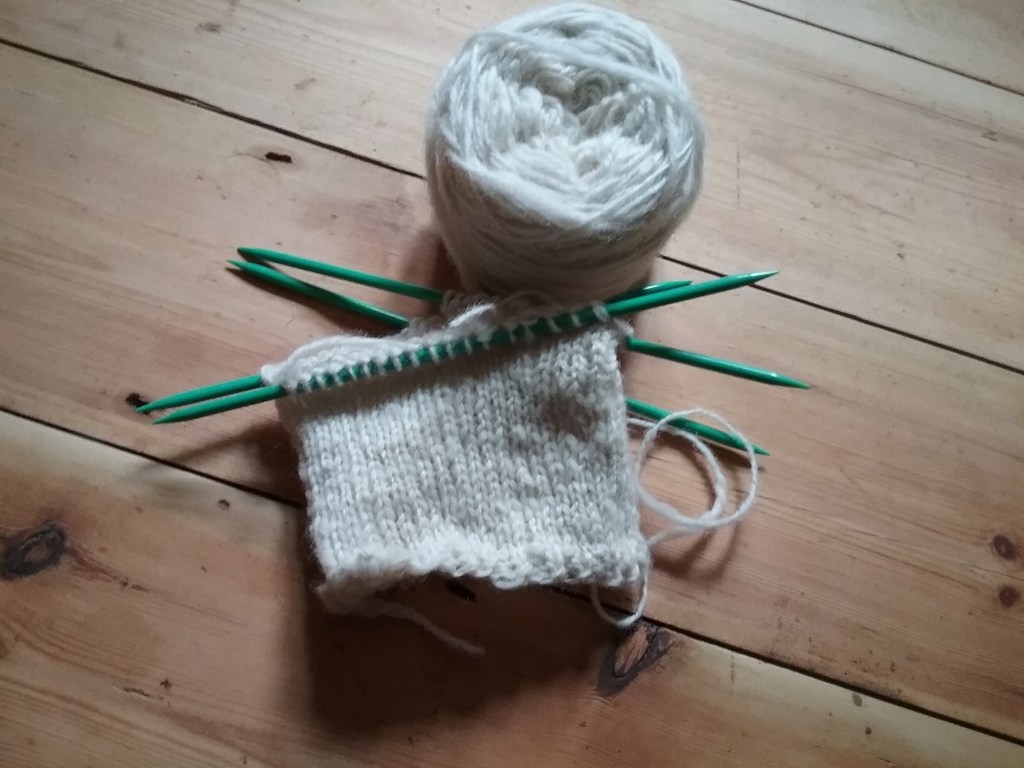
In my previous WIP post I had cast on a secret project for a gift which I realised a little too late was going to take a small eternity to knit if I continued using such a thin yarn. So, I frogged the project and then decided to ply the yarn on my wheel giving me a thicker two ply that was much better. Any yarn I haven’t spun myself I purchase mostly from charity shops selling the ends of yarn cones, but these tend to be quite thin (often intended for knitting machines), so plying two or more strands together can make the yarn a more suitable size or colour for a project without having to buy another ball of wool. This project is now finished, but the reveal will have to wait until later in the year.

I have also cast on another little project, this time using my hand spun, but it may need some fiddling to get the size right.

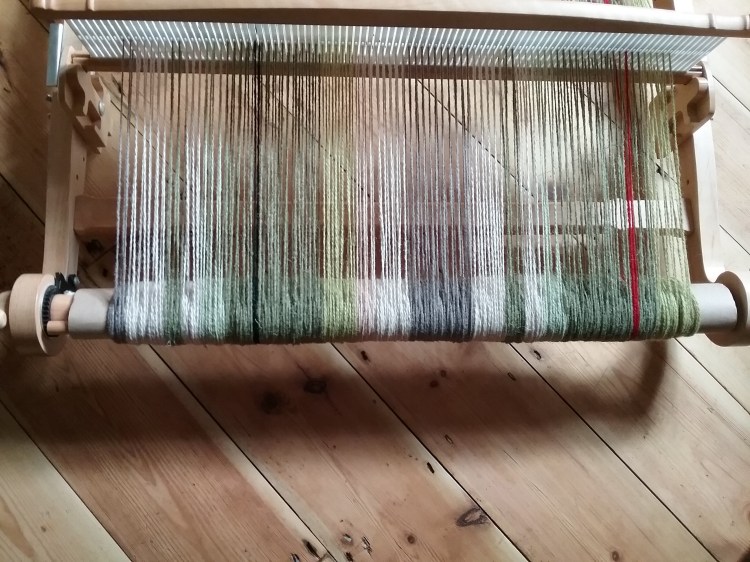
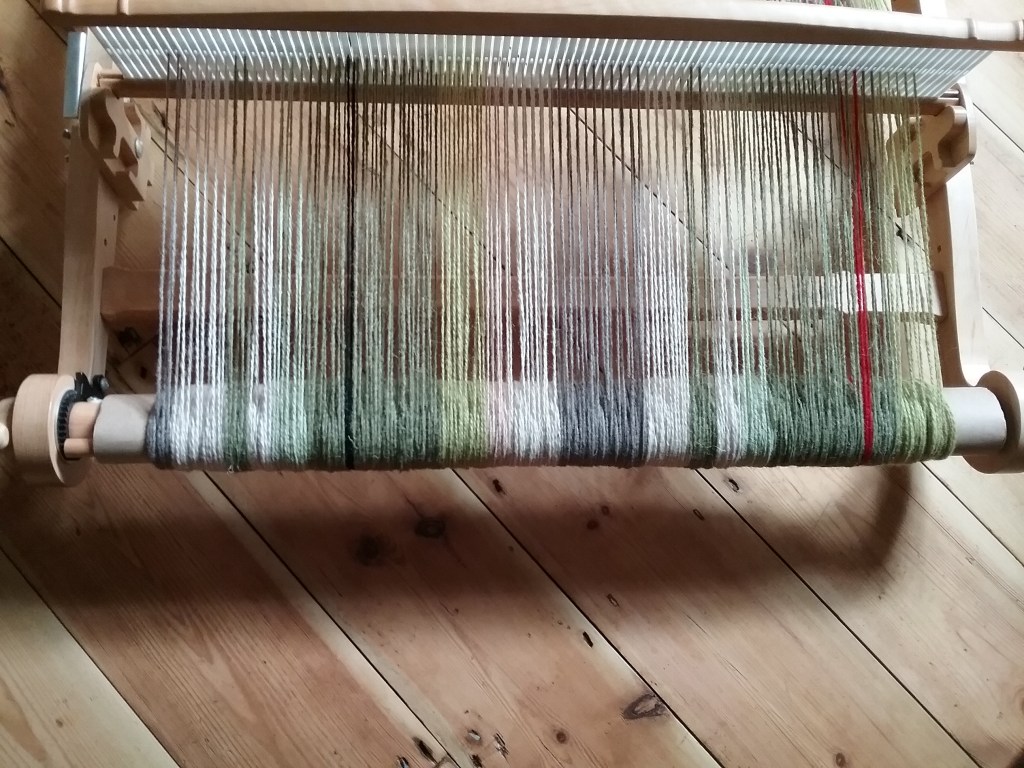
I have also been busy weaving. I have been practicing my indirect warping and it is rapidly becoming my favourite method as it’s much quicker and more accurate than direct warping. Pictures of my recent warps are below:

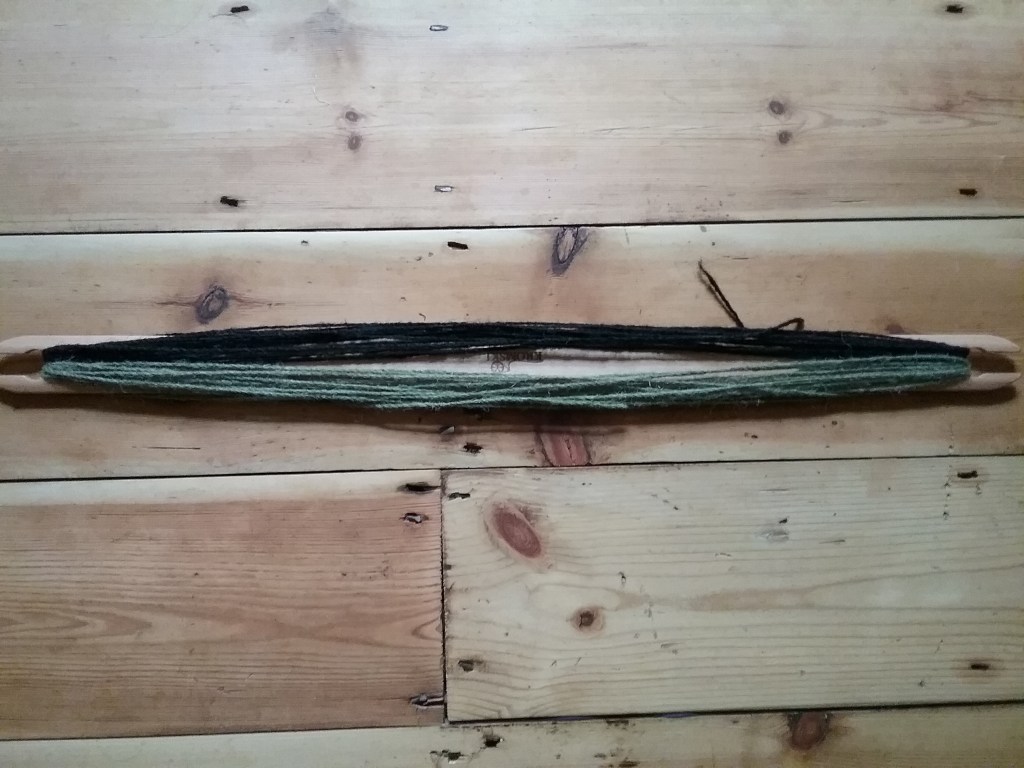
One of my weaving projects needed several colours on the go, but I only have two shuttles the right length for my loom (and boat shuttles don’t work very well on a rigid heddle), so I decided to try winding two colours onto the same shuttle. Although I’ve not come across this technique before I’m sure it has been done. It worked well and providing I tucked the weaving ends back into the yarn when I was finished with each colour it did not get tangled.

Stick Shuttle loaded with two colours of yarn

I am shortly starting an exciting new journey at university, so I may not be able to update this blog as frequently as I’d like, but I am determined not to let it go completely idle. In the meantime I’d love to hear what projects you are working on, let me know in the comments below!

Happy Crafting!
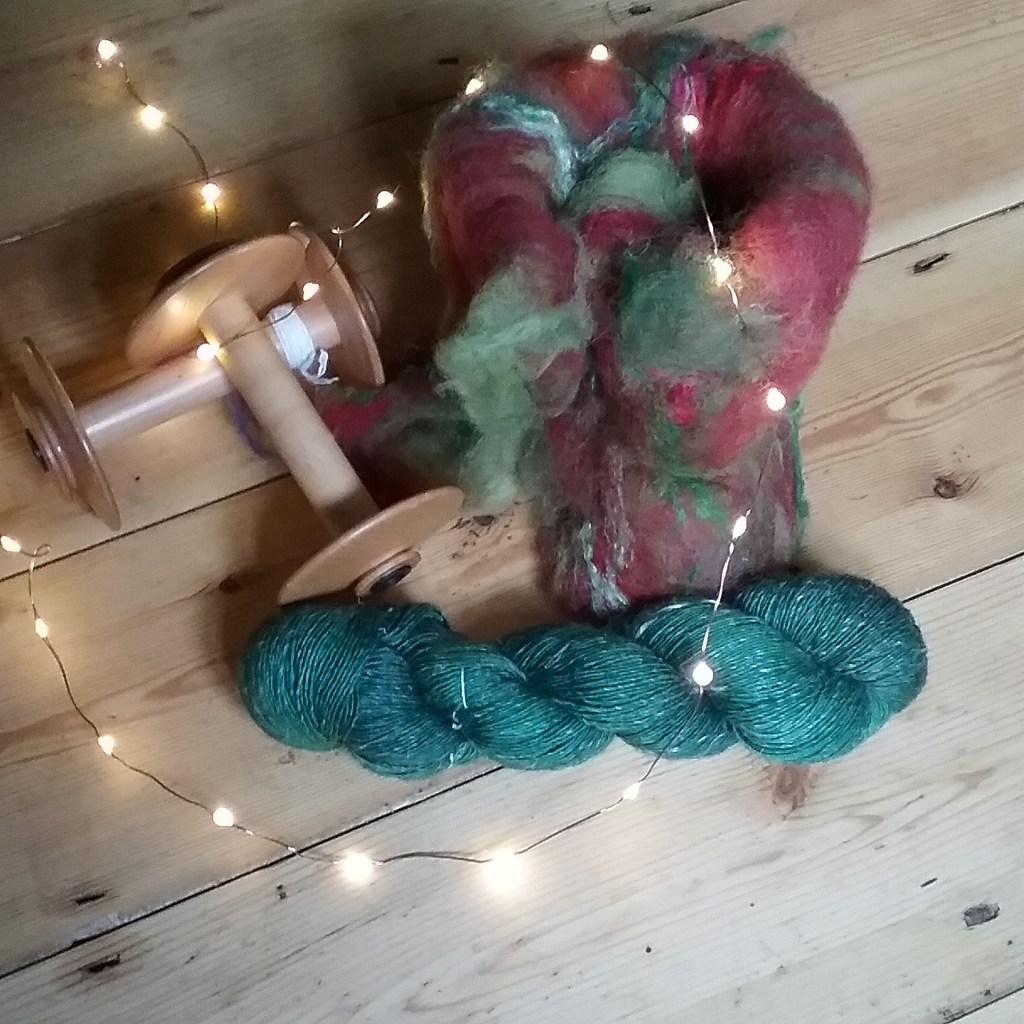
Will it Spin? – Sweetcorn Silk Fibre

Will it spin? Since falling down the fibre rabbit hole it’s a question I find myself asking a lot, particularly of ‘fibres’ that aren’t usually spun but look spin-able. So, instead of just wondering, I decided it would be fun to find out.

Preparing the fibre

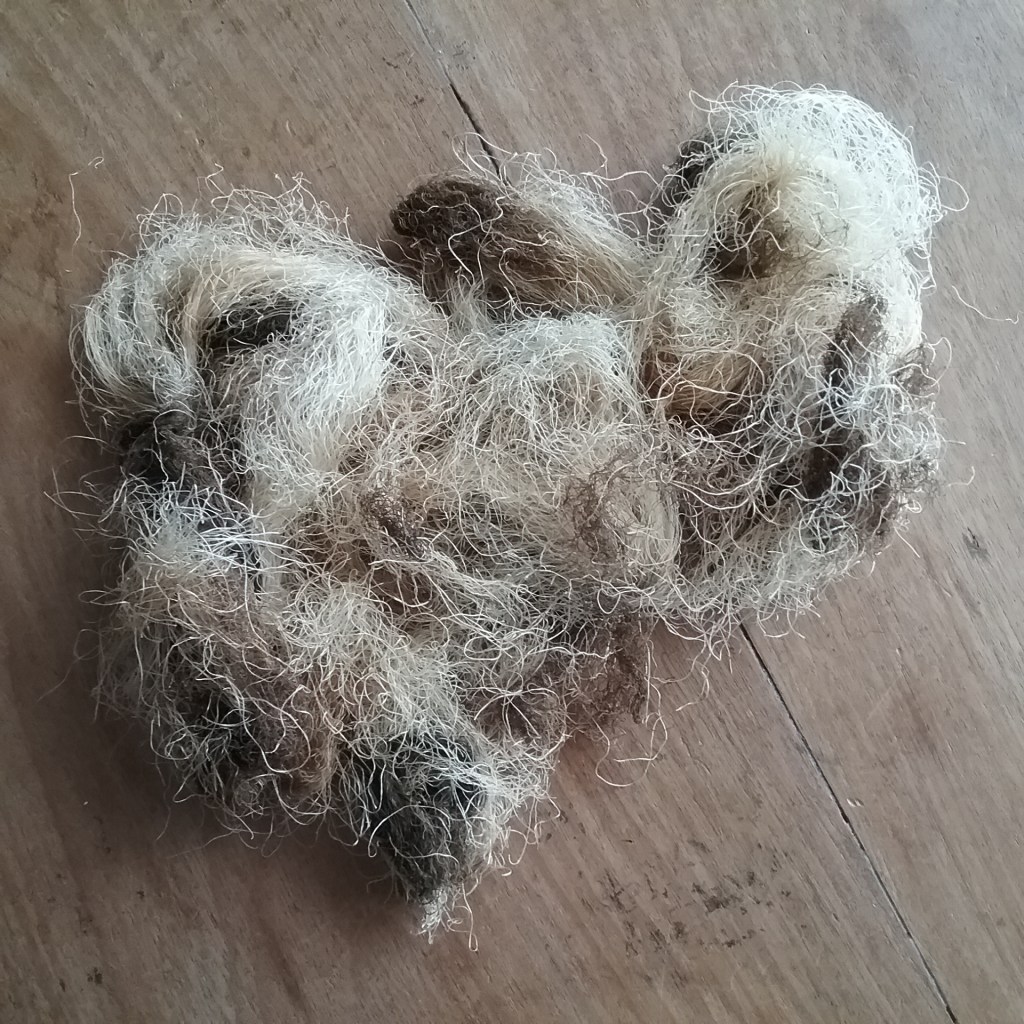
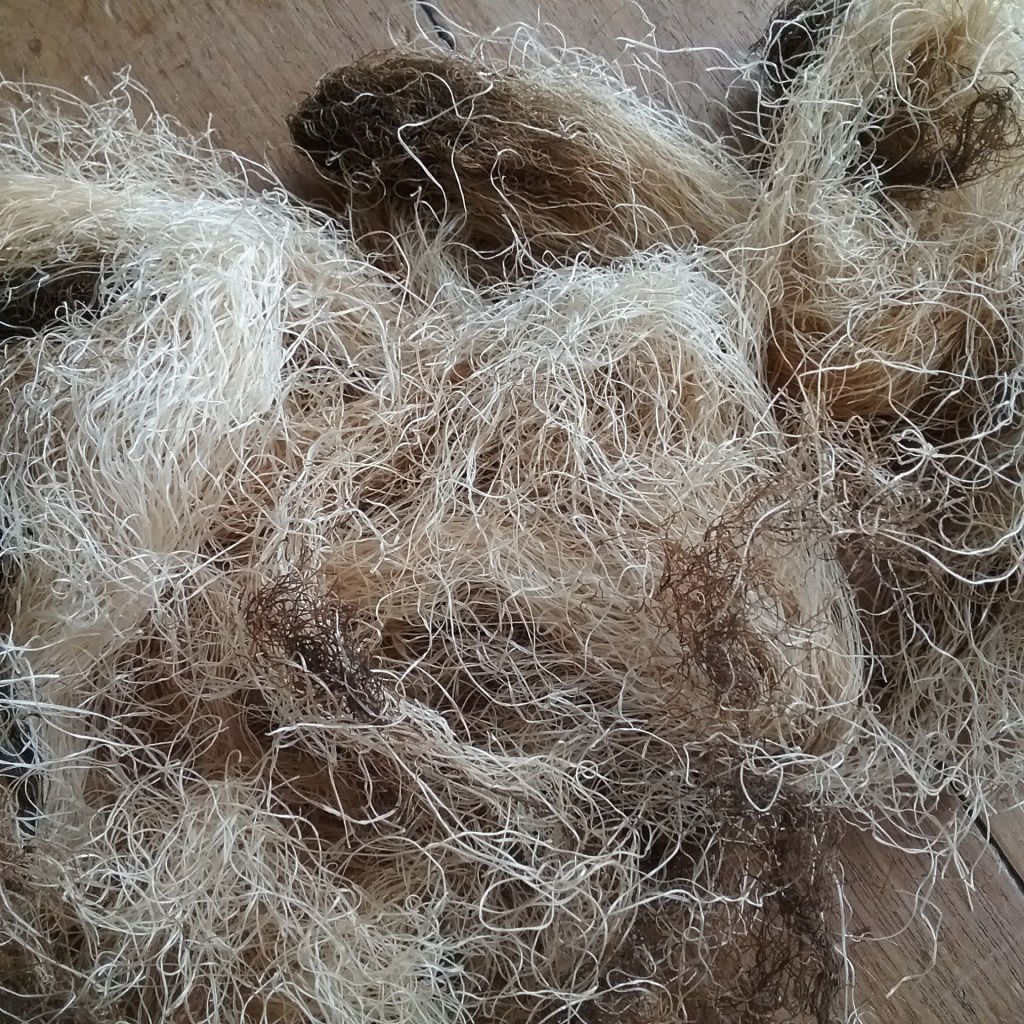
Sweet corn silk is the stringy layer between the husks and the kernels; the plant uses it in pollination. The silk is quite fragile when fresh off the plant and I was concerned that spinning it ‘raw’ would cause the yarn to shrink when it dried or inhibit full drying altogether. After separating the silk from the corn plants I laid it out to dry in the sun for several days and then brought it indoors to dry further. I then gently removed the darker black tips as they had a tendency to snap off which, much like broken fleece staples, would have affected the yarn. I then separated the fibre into more manageable sections to spin with.

Spinning the Corn Silk

I began by having my wheel on a low uptake and slow speed to get used to the feel of the fibre and help to prevent it breaking. For sweet corn silk there is a very fine line between enough twist to make it hold and too much twist causing it to snap, but starting out slowly and making gradual adjustments made it easier. I held the fibre normally with the usual drafting zone and used a short draw to control the twist. At times the fibres did still break, but I found this didn’t affect my control and, as the staple length was long, most broken fibres were held in place by others.

Sweetcorn fibre drafting zone

I didn’t feel the fibre would be very strong as a single so decided to try plying it. Andean plying is a method of creating a 2 ply from one single when you have a small length of single (sampling etc.). Fibre is wrapped around the hand (or a plying tool) to create a ‘bracelet’ that can be worn on the wrist with both ends free to be plied together (a bit like a centre pull ball). The bracelet is then unwound as you ply. I’d never Andean plied before, but found it very easy (so much so that I used it on many other projects during TDF). Again, when plying, I started slowly with low uptake to make sure I didn’t break my singles, but they were surprisingly strong and plying was much easier than I expected.

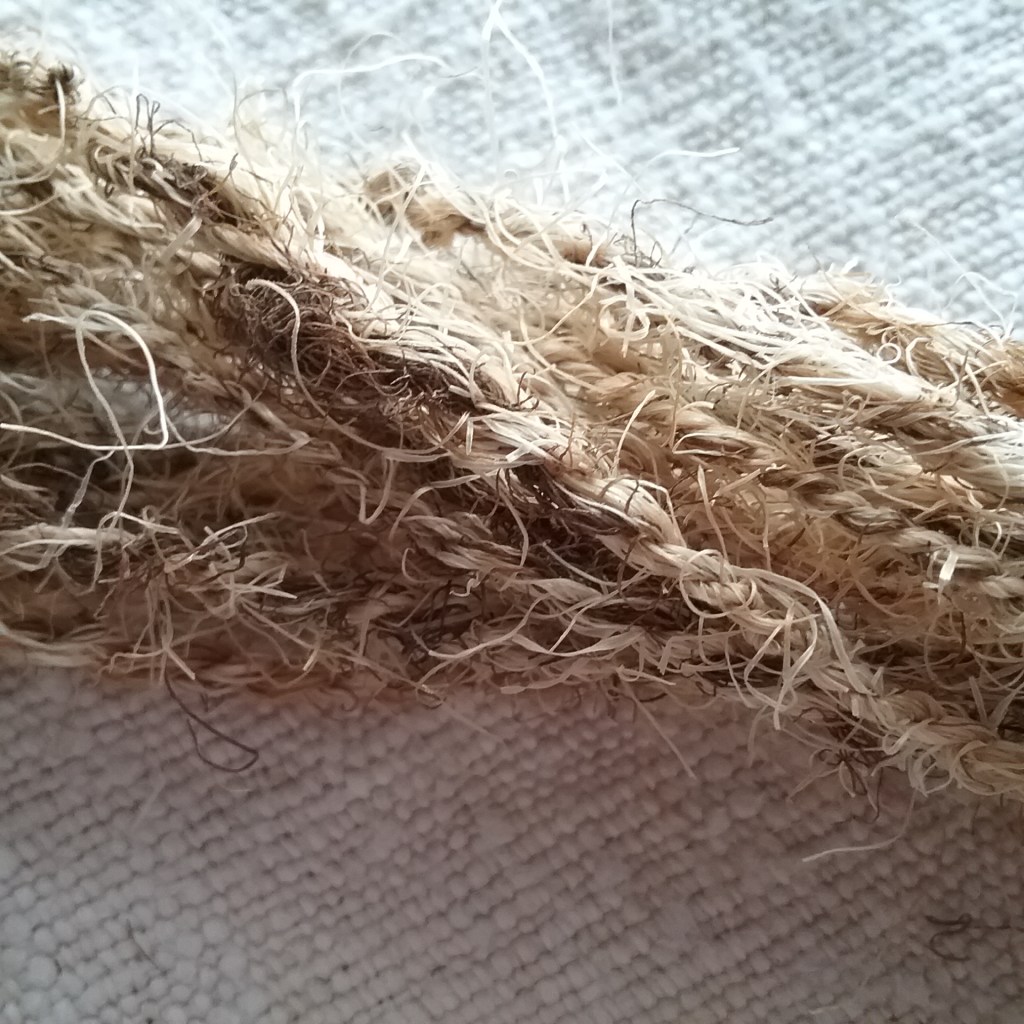
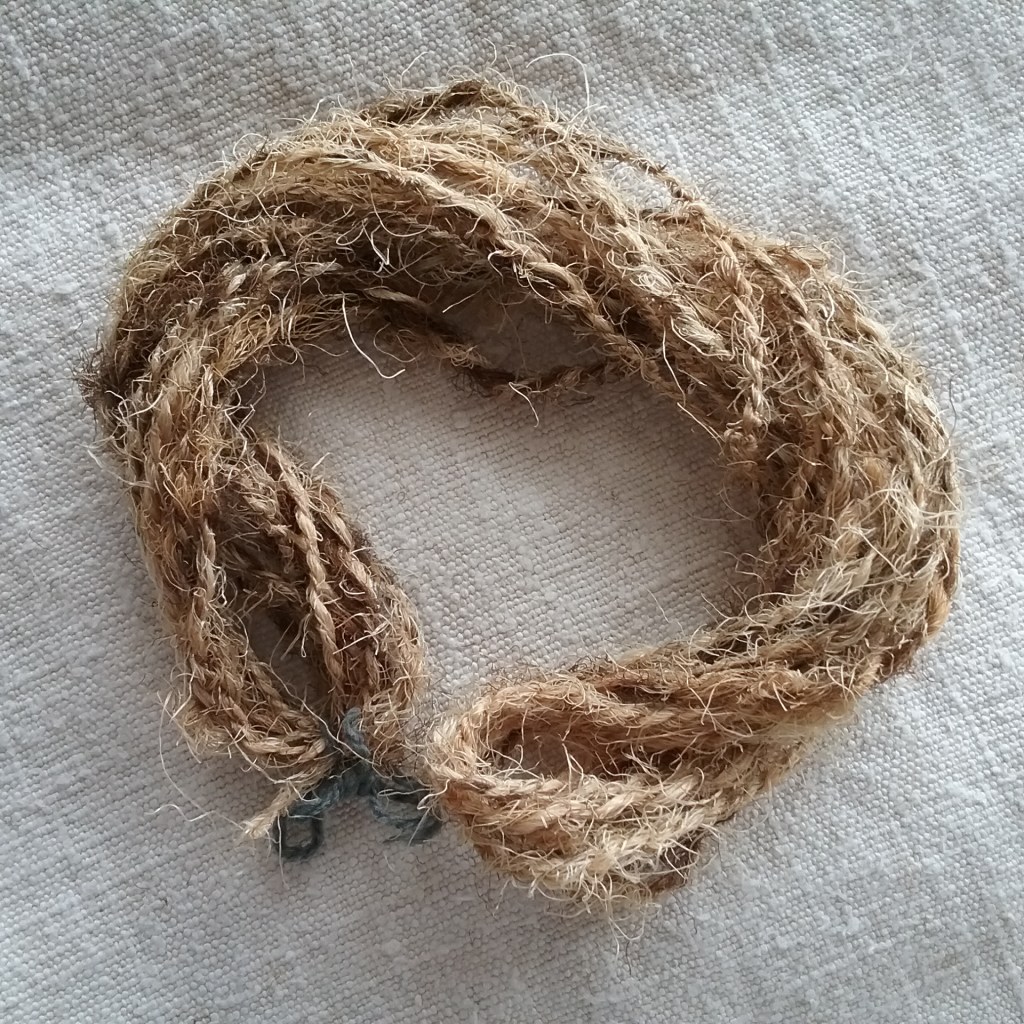
So will it spin? Yes, the resulting yarn was surprisingly sturdy and had a very similar feel to a lightweight rope. Perhaps not the ideal fibre to use in clothing, but it could certainly be used in homeware, gift wrapping or just to tie things up (though I wouldn’t like to trust it to hold anything too heavy).

If you have any suggestions of strange fibres I could try to spin, or if you’ve tried spinning with anything unusual please let me know in the comments below.

Happy Spinning!

Other unusual ‘fibres’ I have spun:

Tour De Fleece 2022 – Week 3 Wrap-up

All my Tour de Fleece 2022 Spins

Tour de fleece is over for another year. I had to move my spinning setup this week, which made it a little more difficult and the heatwave definitely slowed me down; nevertheless it was still quite productive. I continued to make progress on my Hampshire Down project and decided to do some more stash busting with my drop spindle. Below are my daily progress photos from days 17-24 (17th – 24th July).

Reflections

My goal at the start of TDF was to make a big dent in my fleece stash and once again I was a little too ambitious! I didn’t manage to process a whole fleece as I’d hoped, but I made a good start on the Hampshire Down (for which I have a project in mind). I did lots of testing for my DIY wool combs which are nearly finished and also processed some smaller quantities of fleece from my stash that I had put aside while I had other projects on the go. I found it much easier to get into a daily routine of spinning this year and although I challenged myself to do 1 hour of TDF per day, I ended up running over this by an hour or so most days. I re-discovered my love of spindle spinning (most of my work has been on the wheel since last TDF), attempted plying on the spindle for the first time and learnt how to wind and use an Andean plying bracelet. All in all, a very productive 24 days and I’m already thinking about next year’s challenge!

Did you take part in Tour de Fleece this year? I would love to hear how you got on. Feel free to share your results in the comments below!

Happy Spinning!

Links to Previous Tour De Fleece Posts

Tour De Fleece 2022 – Week 2 Wrap-up

Another week of TDF has flown by and I’ve had a little less time this week, though have still stuck to my hour/day guideline. I made progress on the Hampshire Down spin and found some Romney I’d saved for combing in my stash. I’m realising that the blitz I had planned for my stash in 24 days was a bit ambitious, so I’m going to focus the final week on making progress on whole fleece projects and sorting out oddments in my stash. Below are my daily progress photos from days 10-16 (10th – 16th July).

For more information about my tour de fleece challenge my introductory blog post is here and my Week 1 Wrap-Up is here. I’m also posting my progress photos daily on my instagram.

If you are also joining in with Tour de Fleece (whether part of a group or going it alone like me!) I’d love to hear how you’re get on – feel free to share your progress/goals in the comments section.

Happy Spinning!

Tour De Fleece 2022 – Week 1 Wrap-up

The first week of Tour de Fleece has flown by, but I feel I have made some inroads into my stash. I began by spinning up a small amount of an unknown fleece that has been in my stash since it was given to me. I decided to use this fleece to road test my DIY wool combs (blog post to follow after TDF). I also experimented with some unusual fibre and made a start spinning a Hampshire Down fleece (because it happened to be the nearest to my wheel at the time!). Below are my daily progress photos from days 1-9 (1st – 9th July).

For more information about my tour de fleece challenge my introductory blog post is here. I’m also posting my progress photos daily on my instagram.

If you are also joining in with Tour de Fleece (whether part of a group or going it alone like me!) I’d love to hear how you’re get on – feel free to share your progress/goals in the comments section.

Happy Spinning!

Tour De Fleece 2022

It’s Tour de Fleece again!

Tour de Fleece is an annual spinning event where crafters spin during every day the cyclists of the Tour de France ride. This year the dates are 1st July 2022- 24th July 2022. This will be my second TDF (I’m not part of any groups) so I have a better idea of how to structure my spinning this year (and know that the time goes much faster than you think it will!)

Last year I used TDF to finish some WIP’s and I challenged myself to spend 1 hour a day on any fibre craft. This year I want to use TDF to make a big dent in my fleece stash so I’m going to aim to spend at least 1 hour a day on either spinning or fibre prep (carding/combing/wool picking). I’m not going to be too strict about timings – this is just what I feel is an achievable guideline.

Like last year I will be taking progress photos to hold myself accountable and will be posting these daily on my instagram and also in a blog post at the end of each week (the first weekly wrap up will be Sunday 10th July).

If you are also joining in with Tour de Fleece (whether part of a group or going it alone like me!) I’d love to hear how you get on – feel free to share your progress/goals in the comments section and if you want to find out what I got up to last TDF I’ve included links to my posts below.

Happy Spinning!