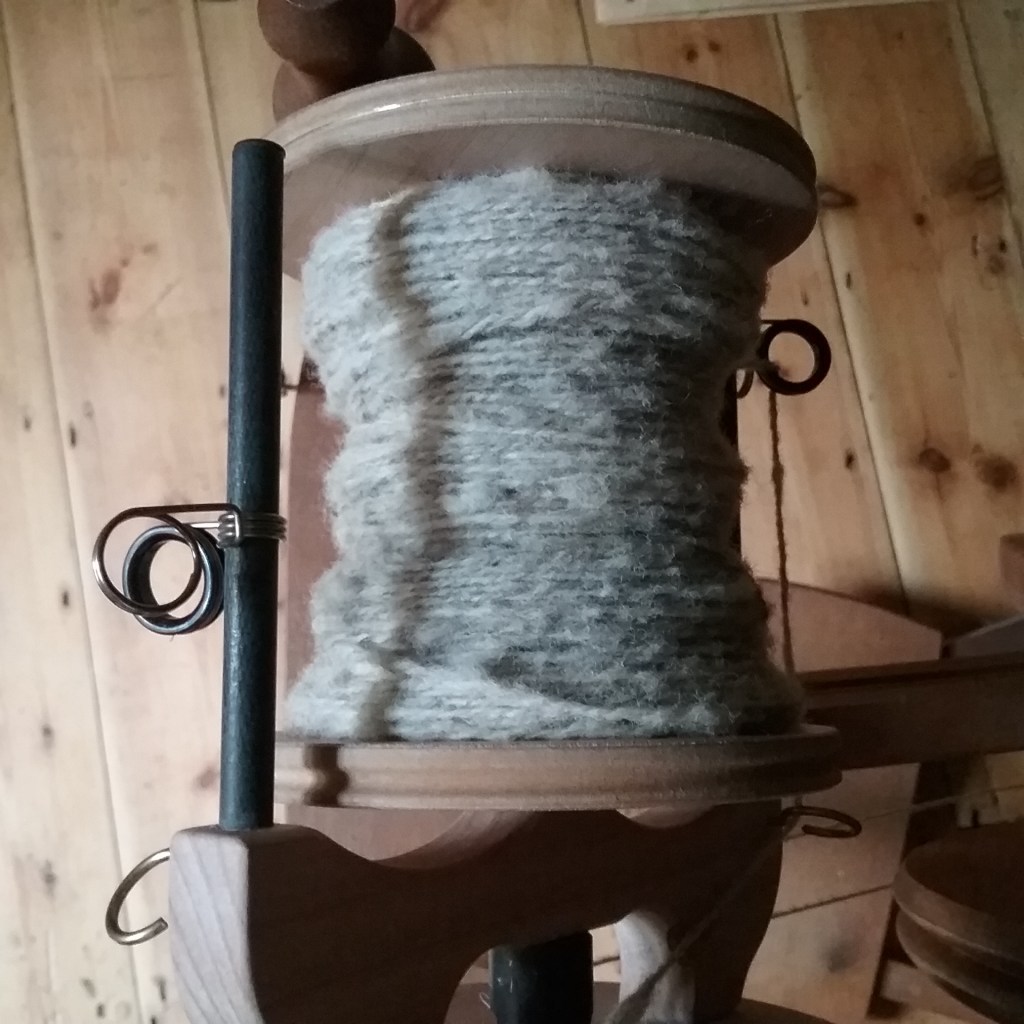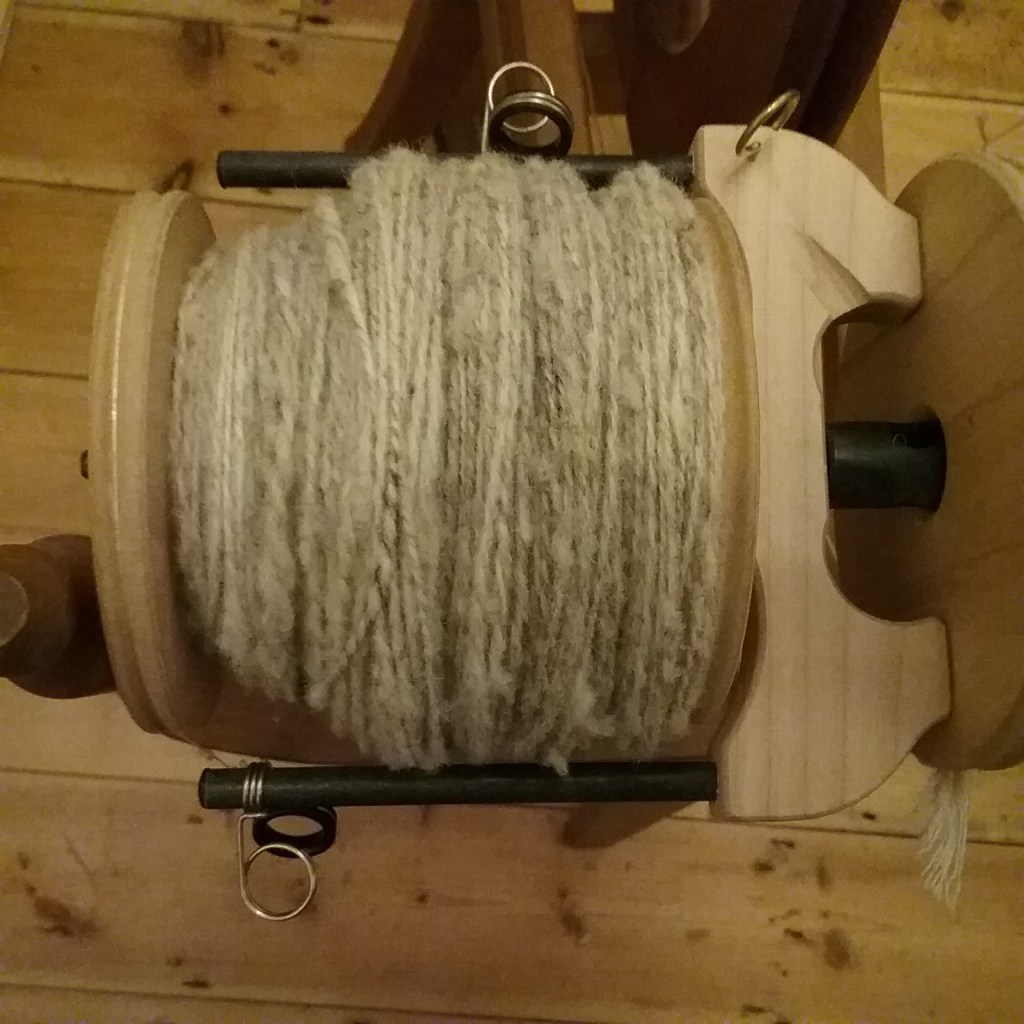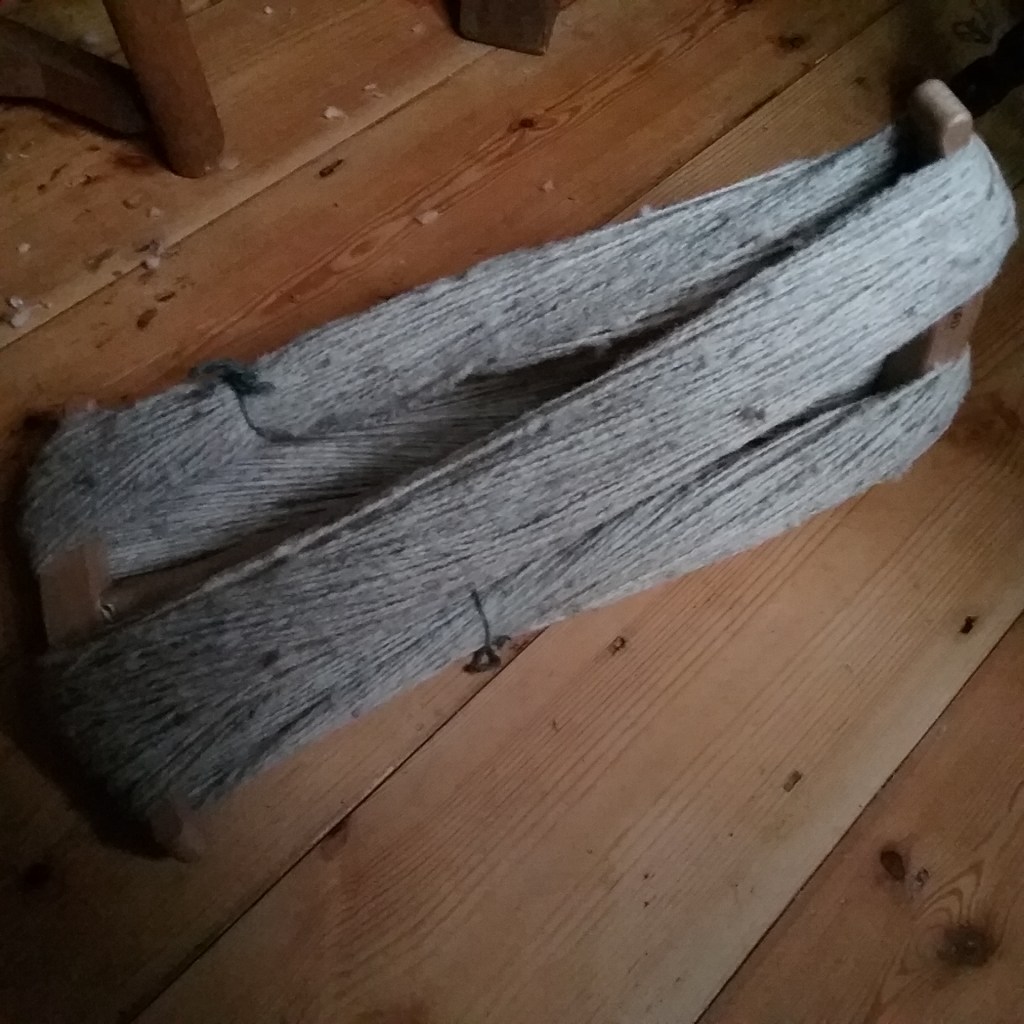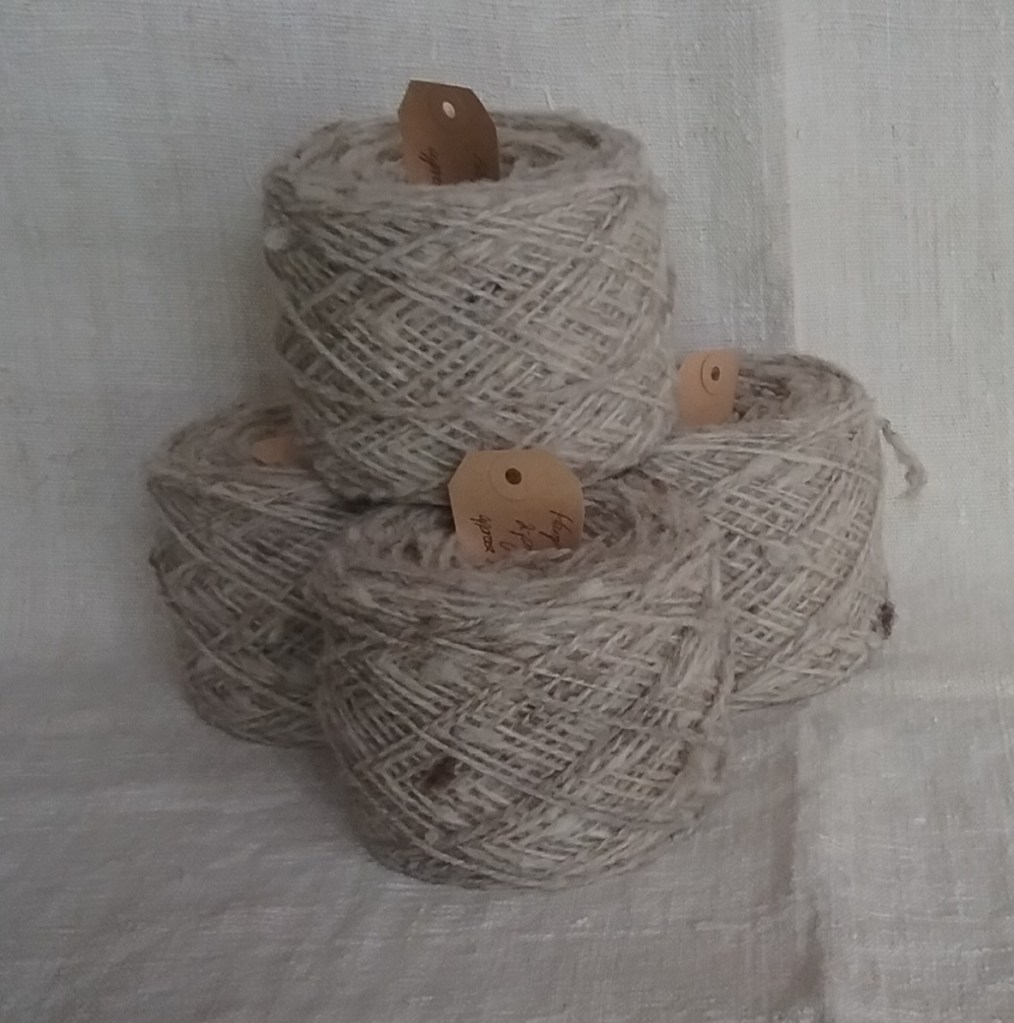
Fibre Prep: Hampshire Down

The Fleece

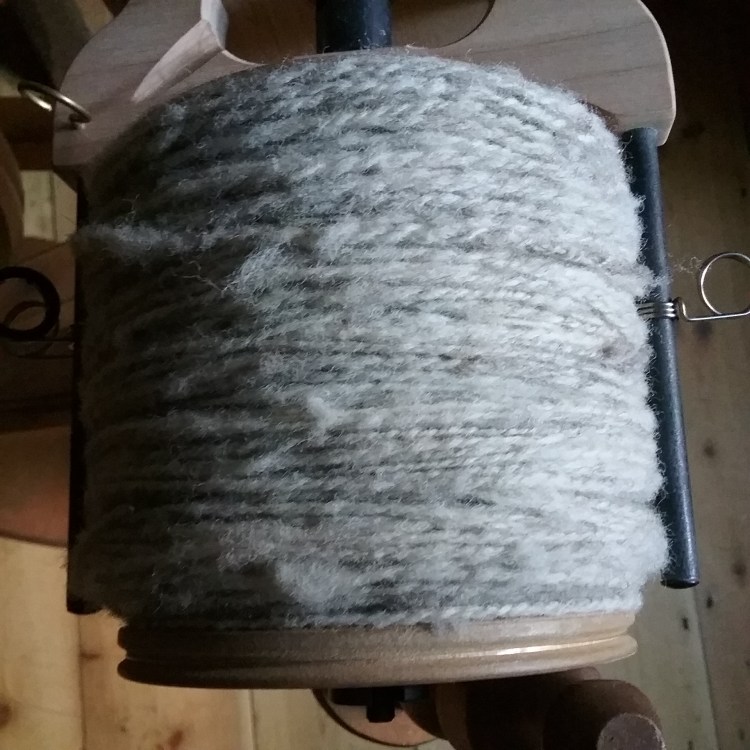
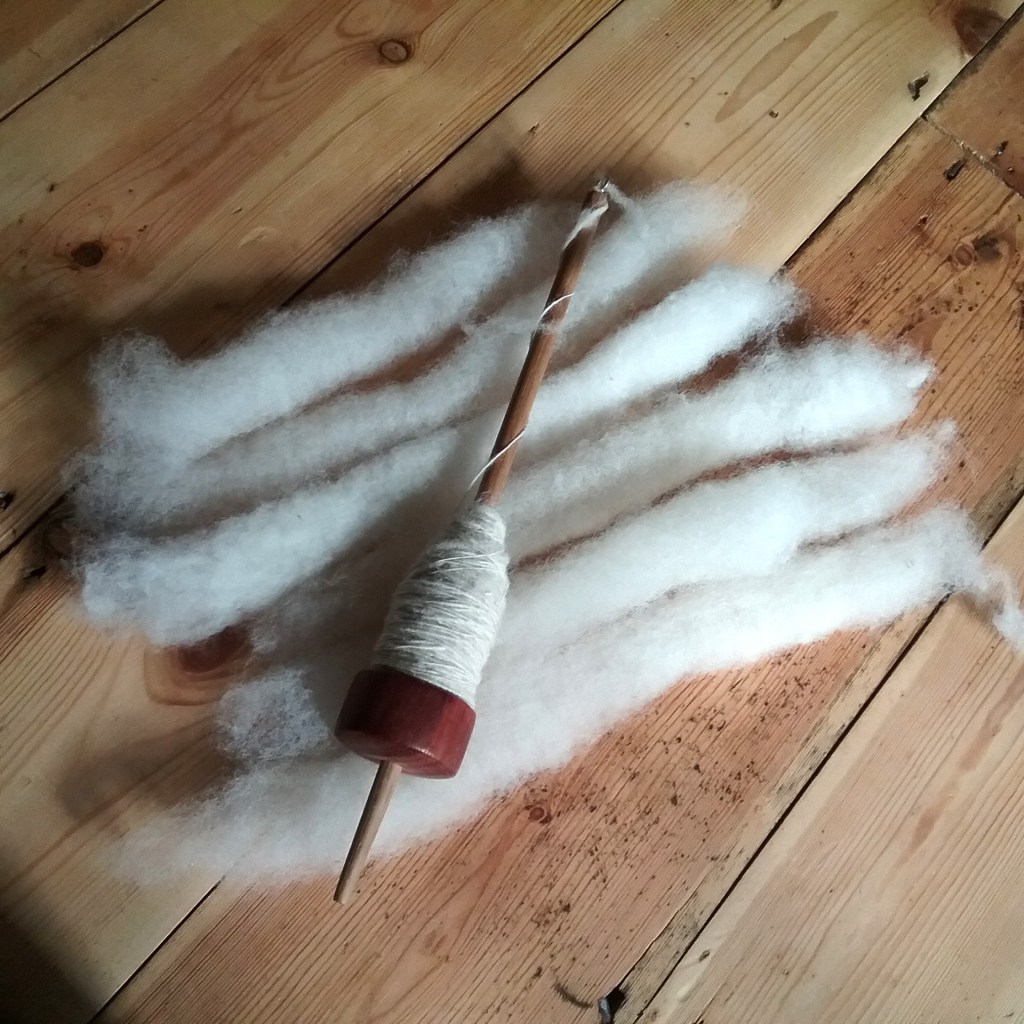
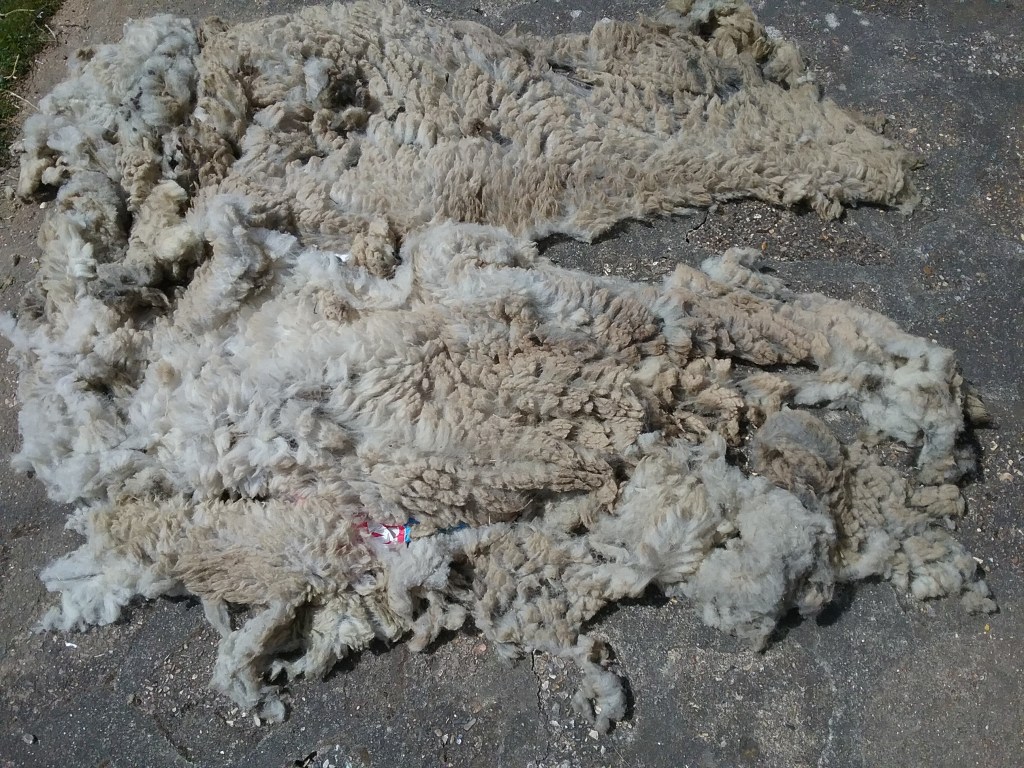
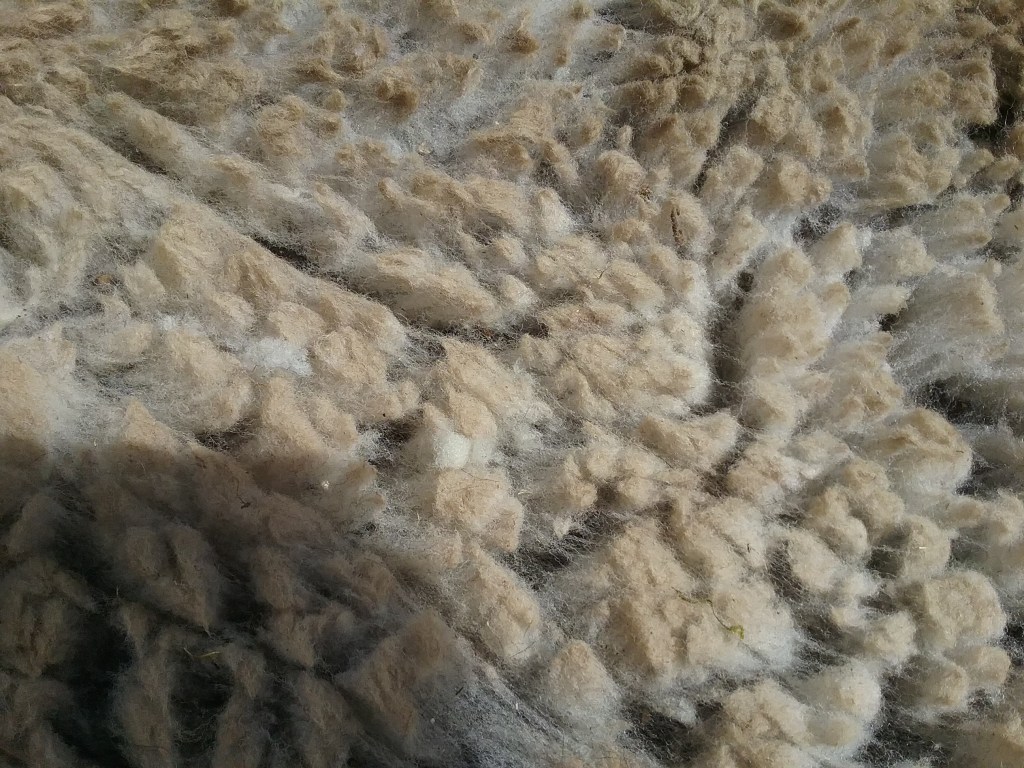
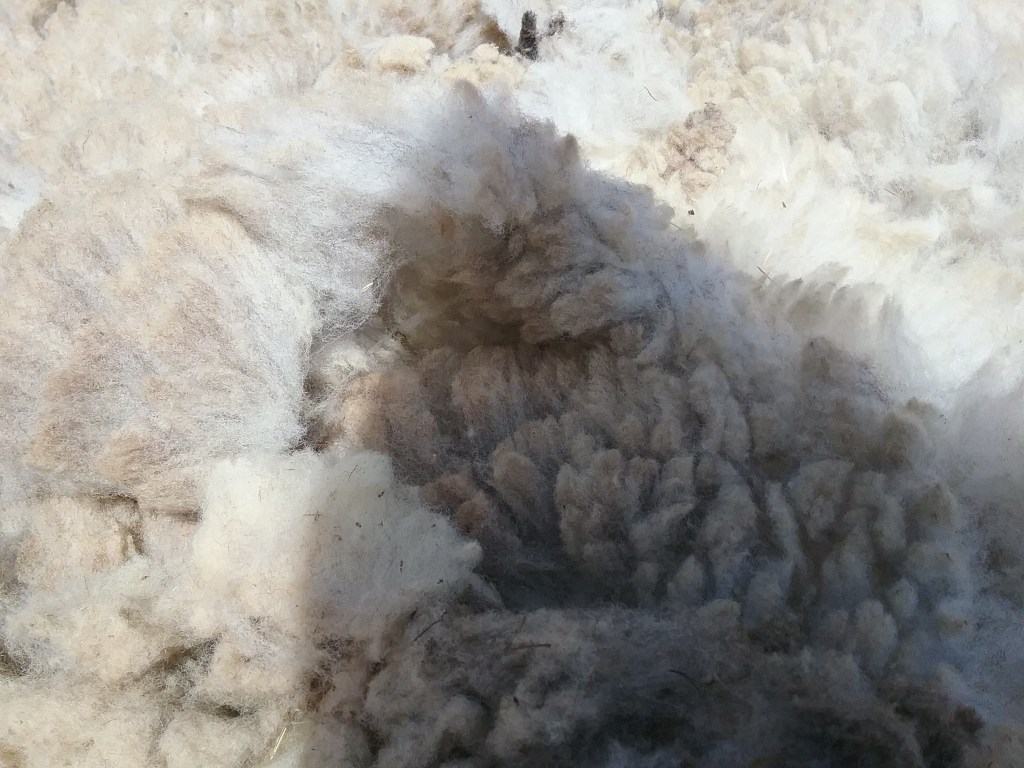
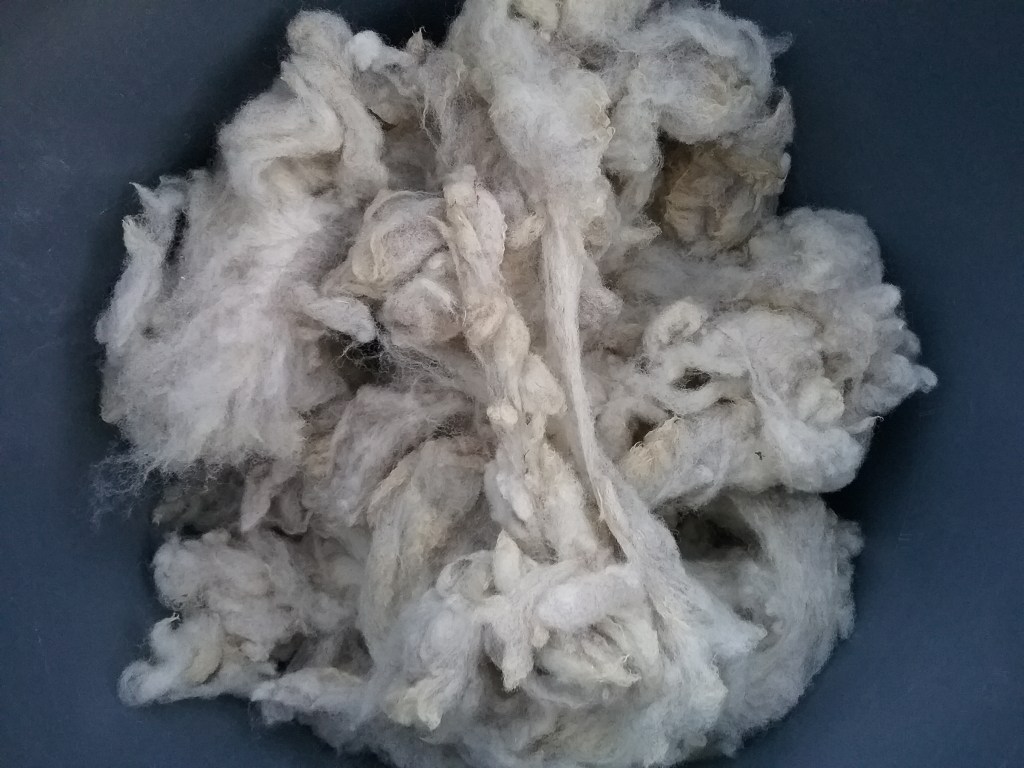
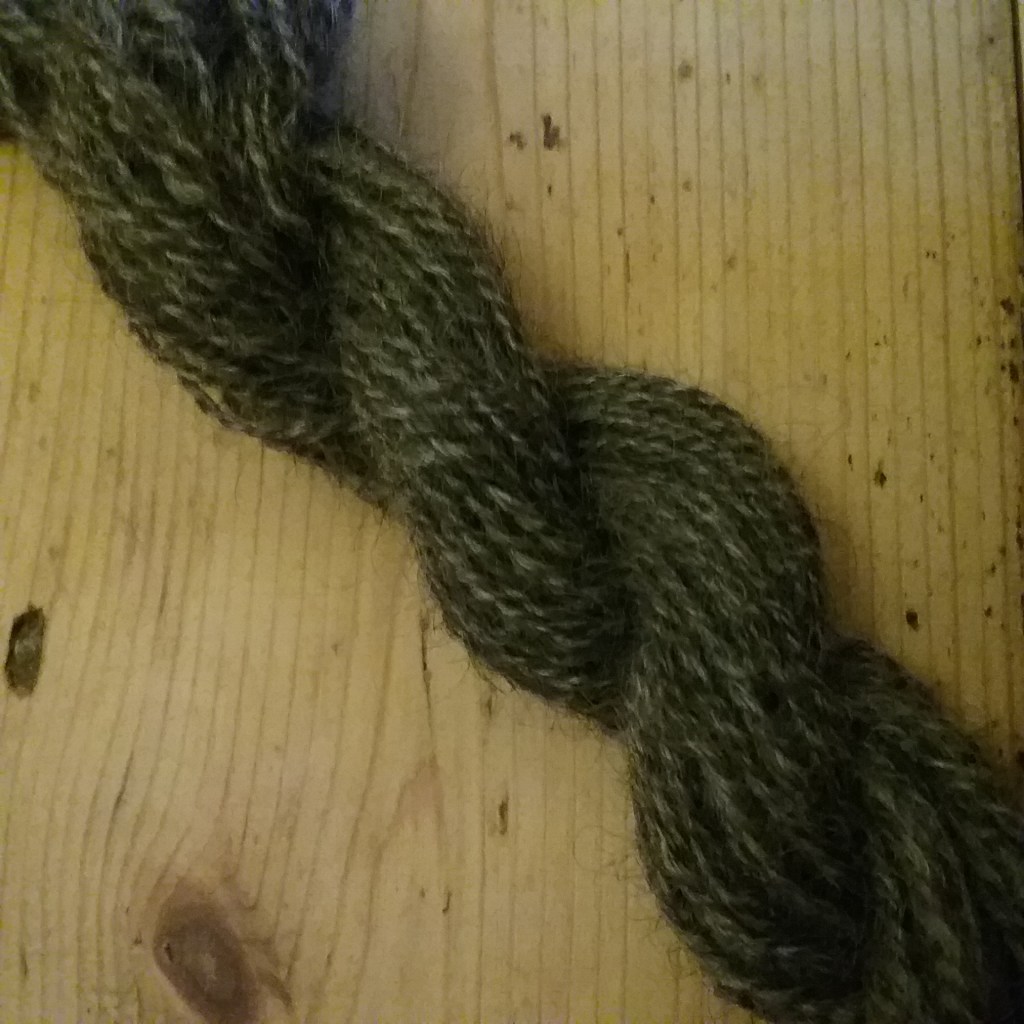
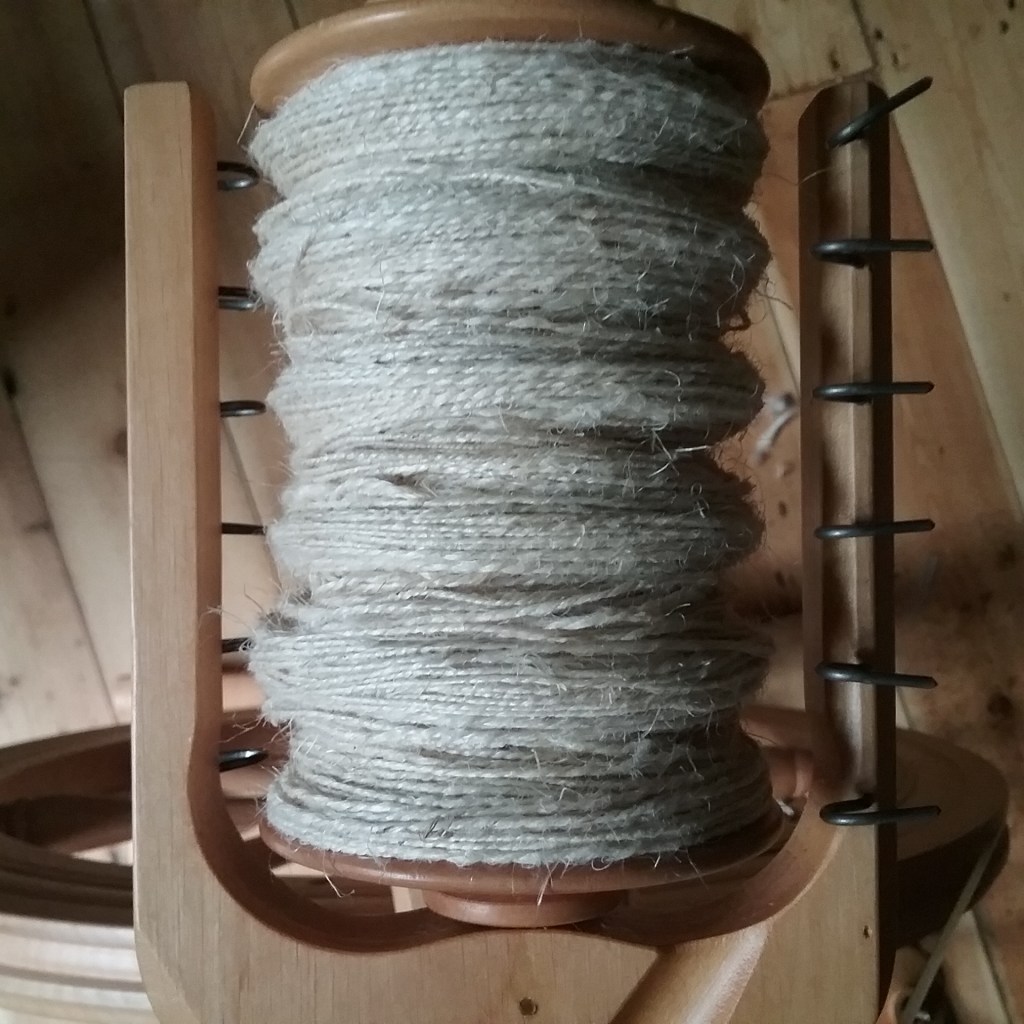
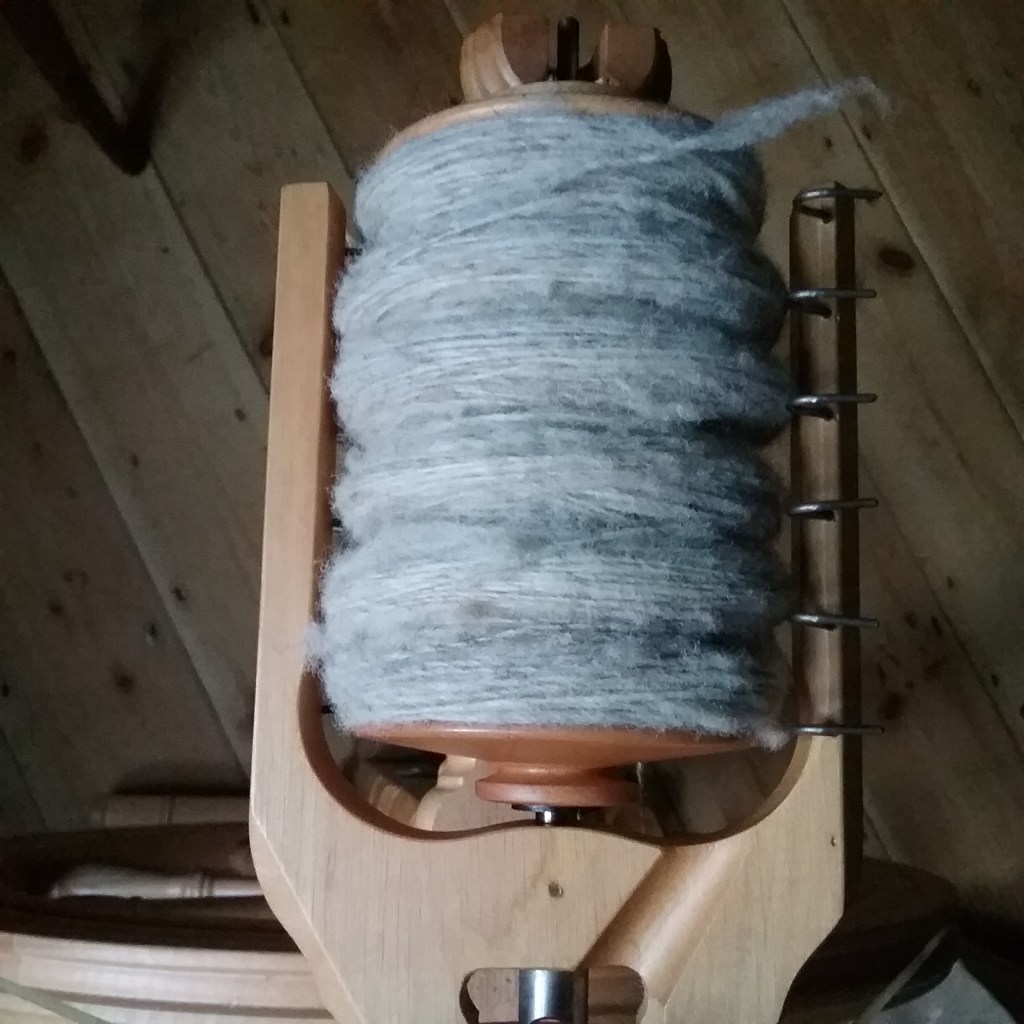
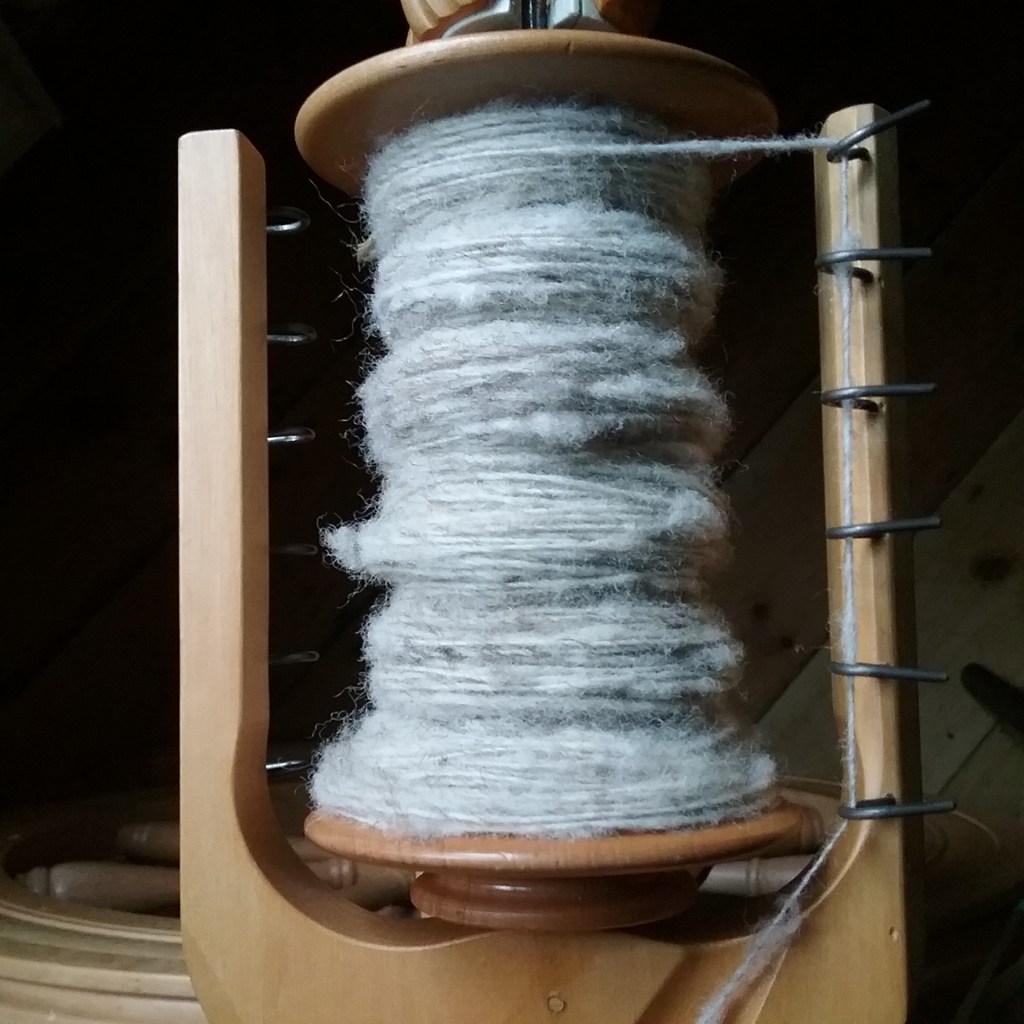
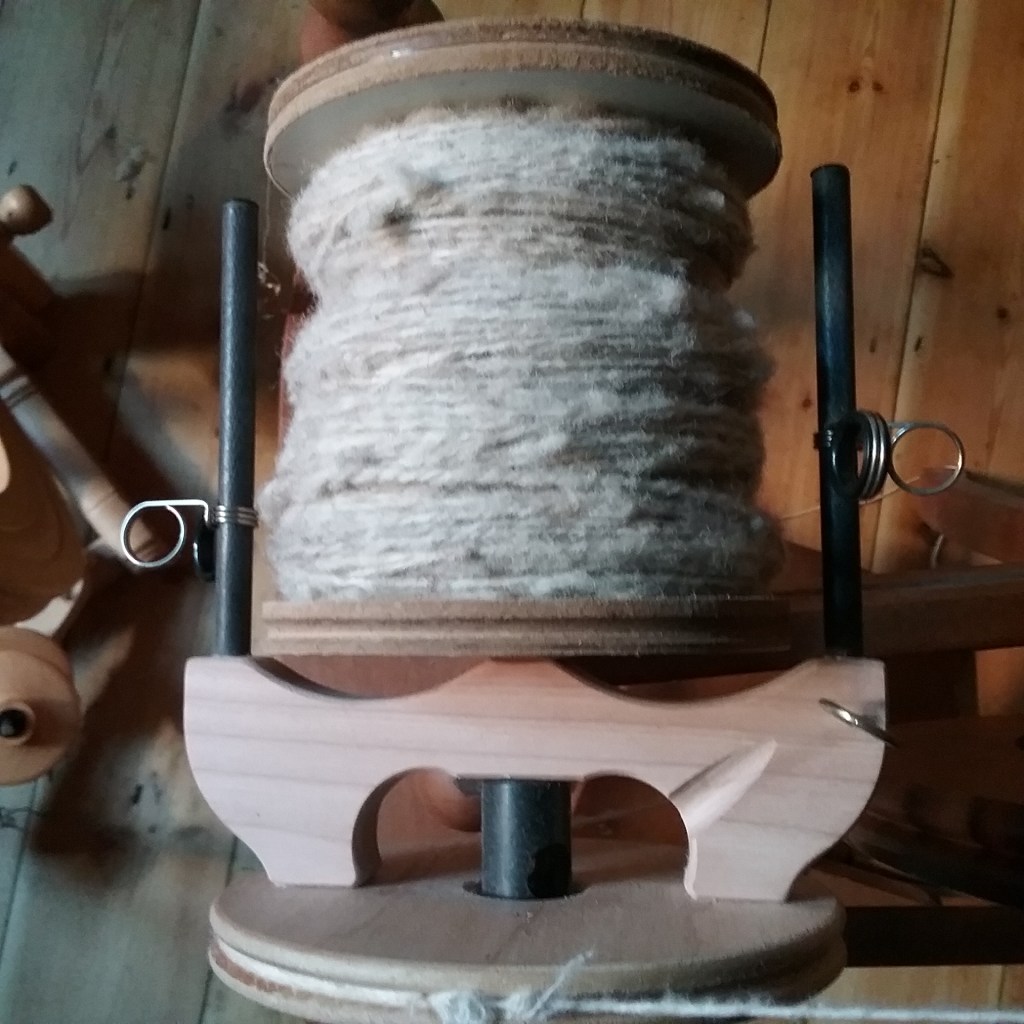
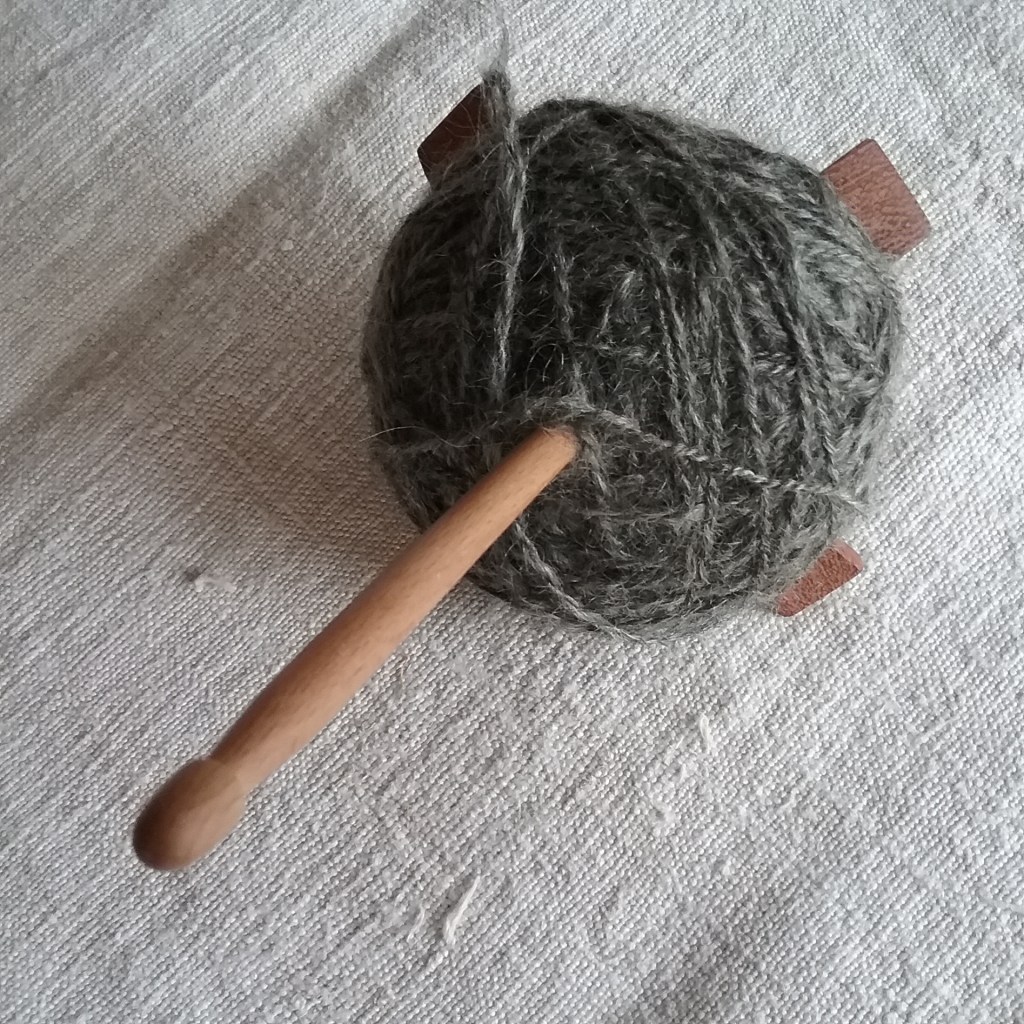
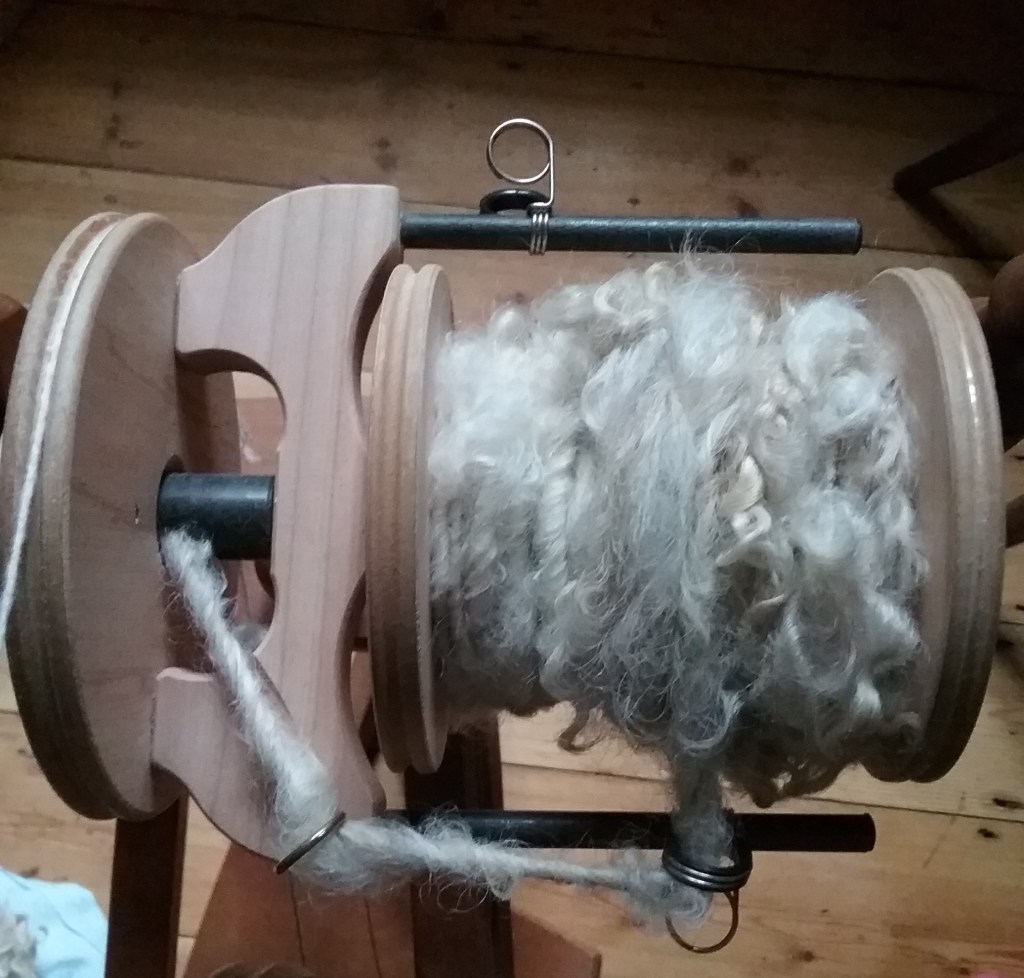
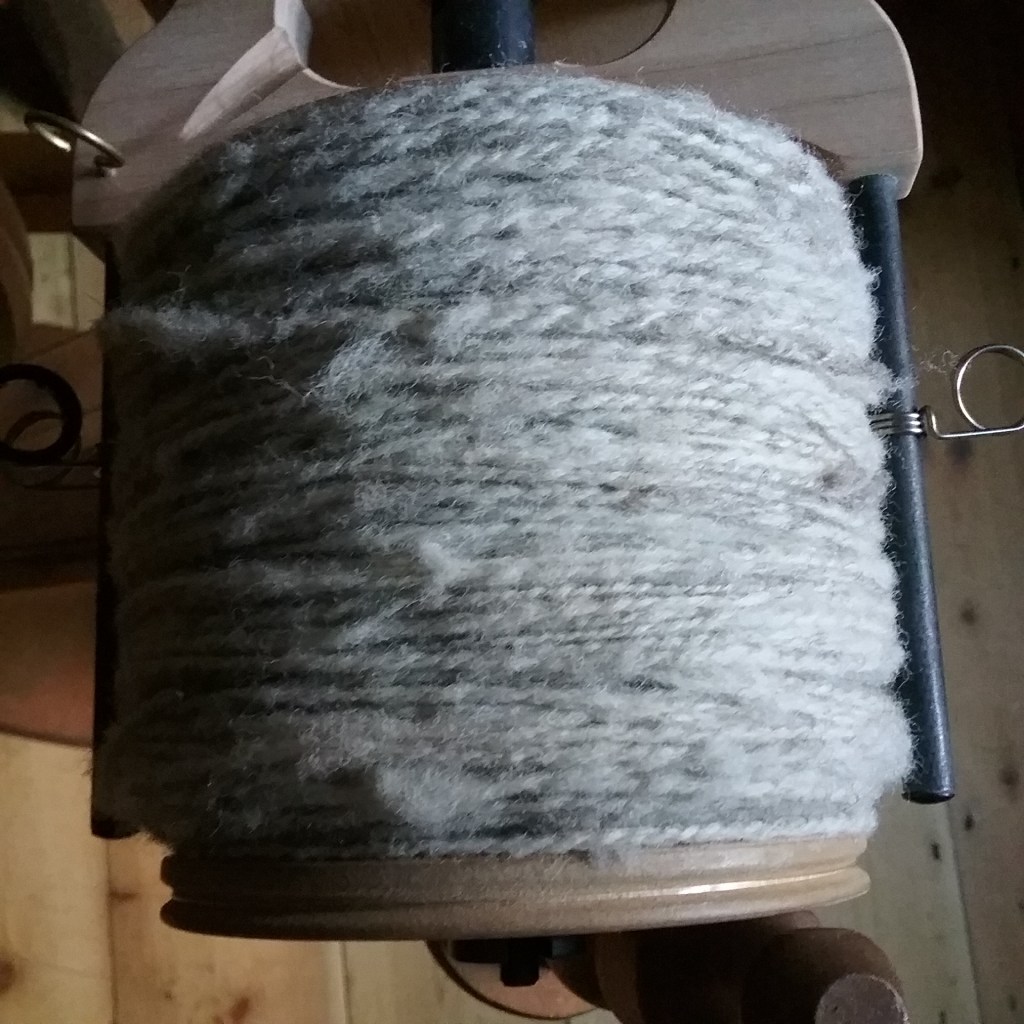
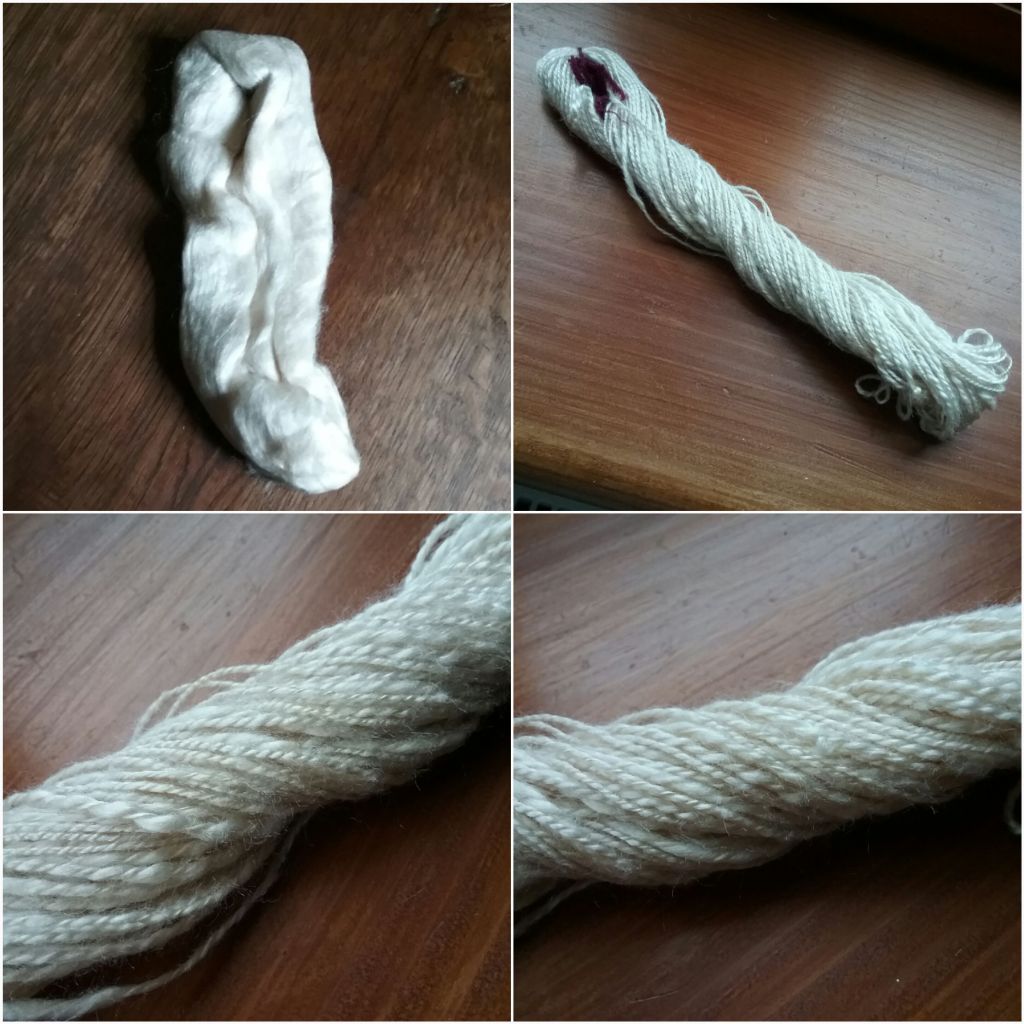
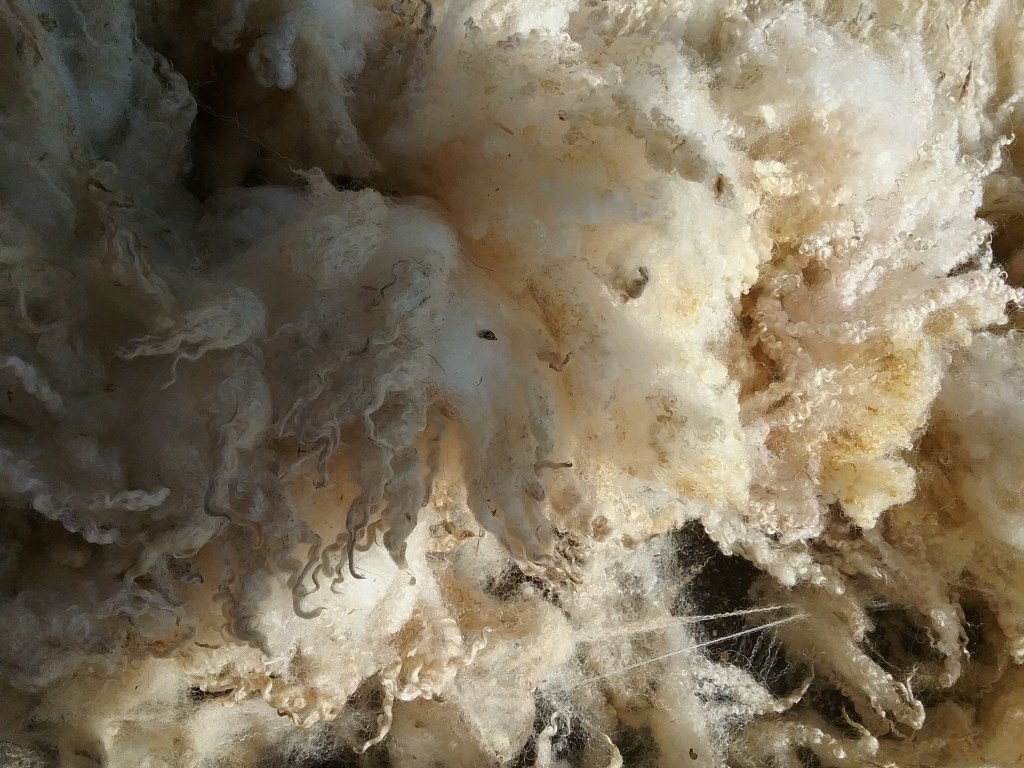
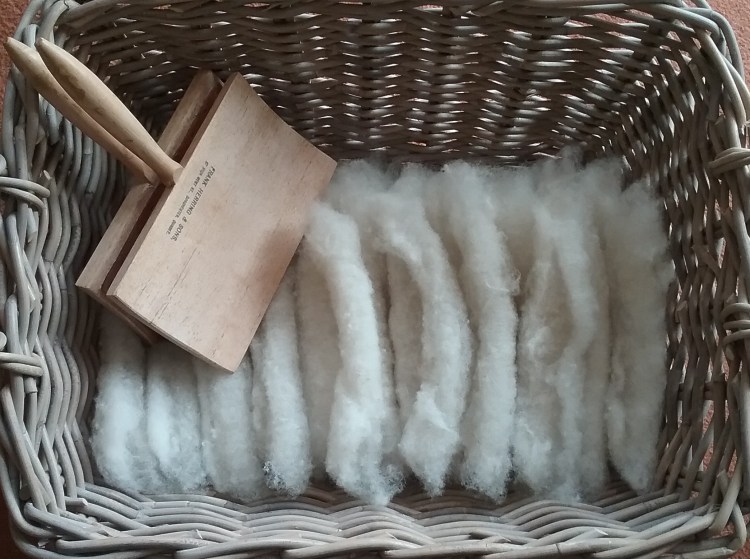
I bought this Hampshire Down fleece via eBay during lockdown from Our Welsh Farm’s Ram. The fleece was clean and had very little VM and there were very few areas of significant kemp. The fleece had varied colour palette, moving between oatmeal, white, grey and black. Although soft, it was slightly coarser than other fleeces I’ve worked with, but mature rams do tend to have coarser fleece than ewes. Since I’ve been making lots of next to skin clothing and accessories from my other fleeces, I think the colours in this need to be shown off in outerwear or homeware.

Washing

This fleece was washed in my suint bath (and was quite challenging to lift out when wet as I had forgotten that rams are larger than ewes, so the fleece was much heavier when wet!). The suint bath removed most of the grease and in the absence of a lingering suint smell, I decided to forgo a wash in detergent.

Picking & Carding

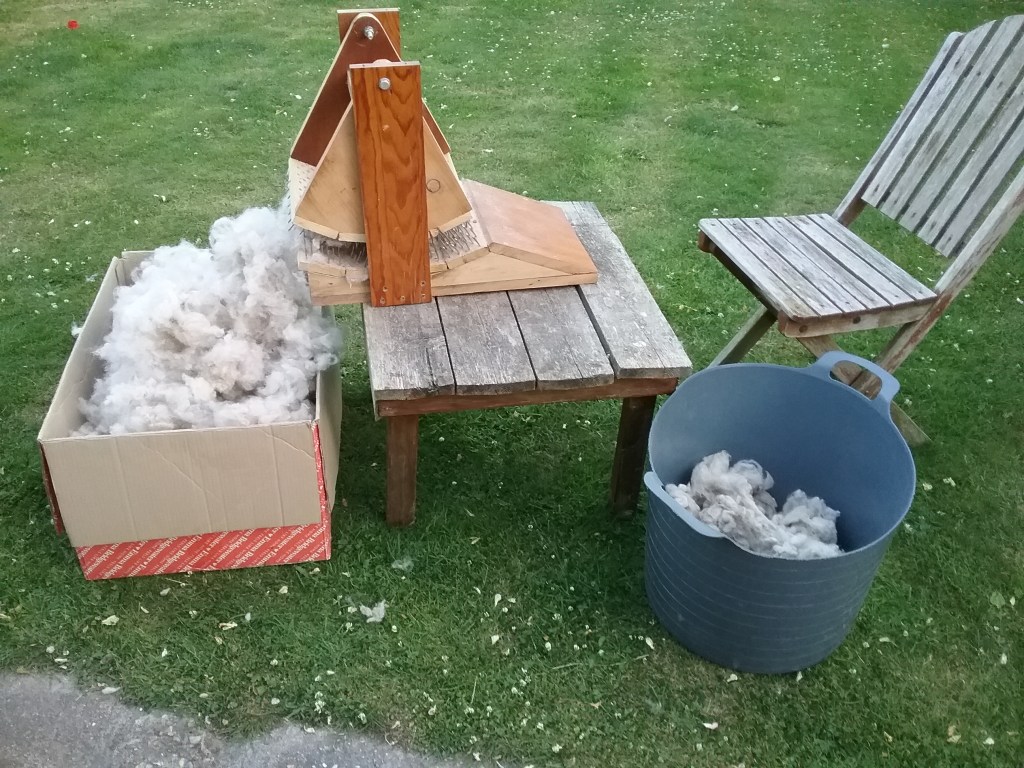
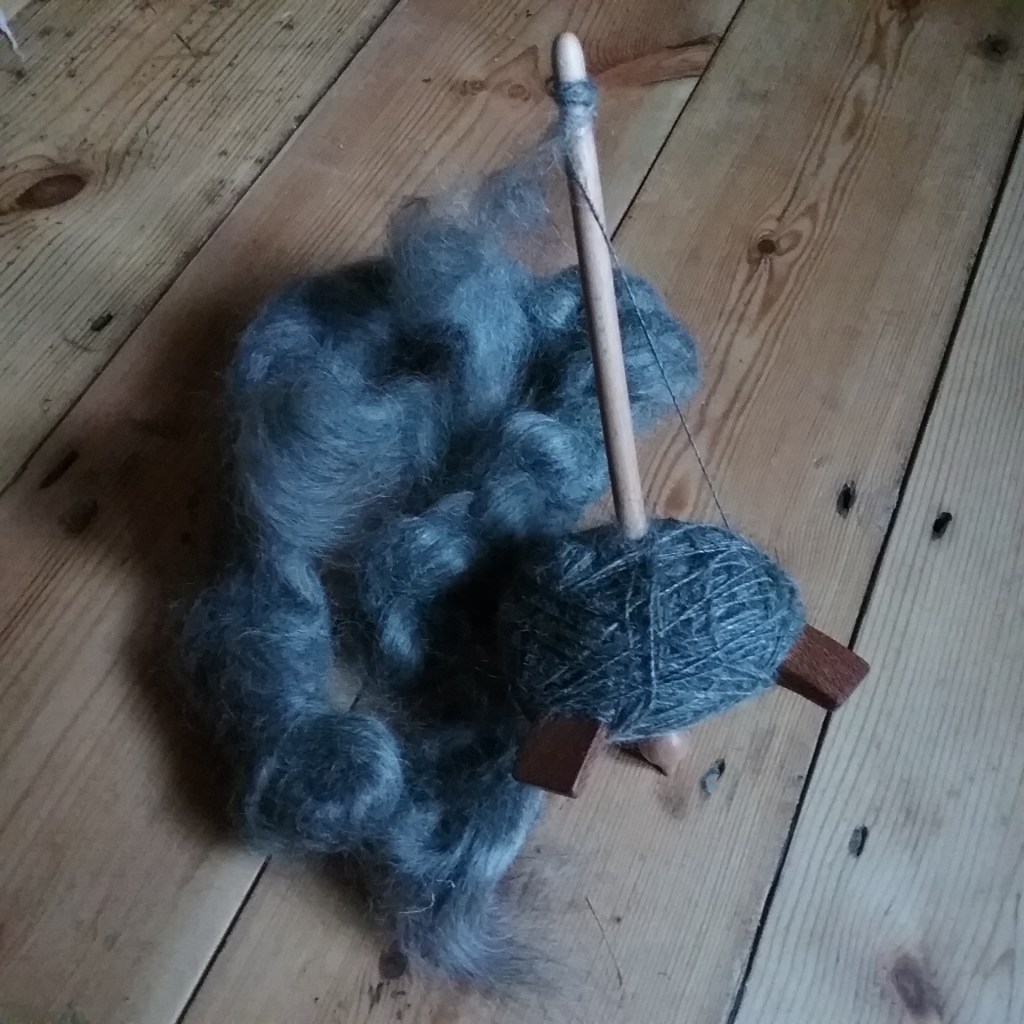
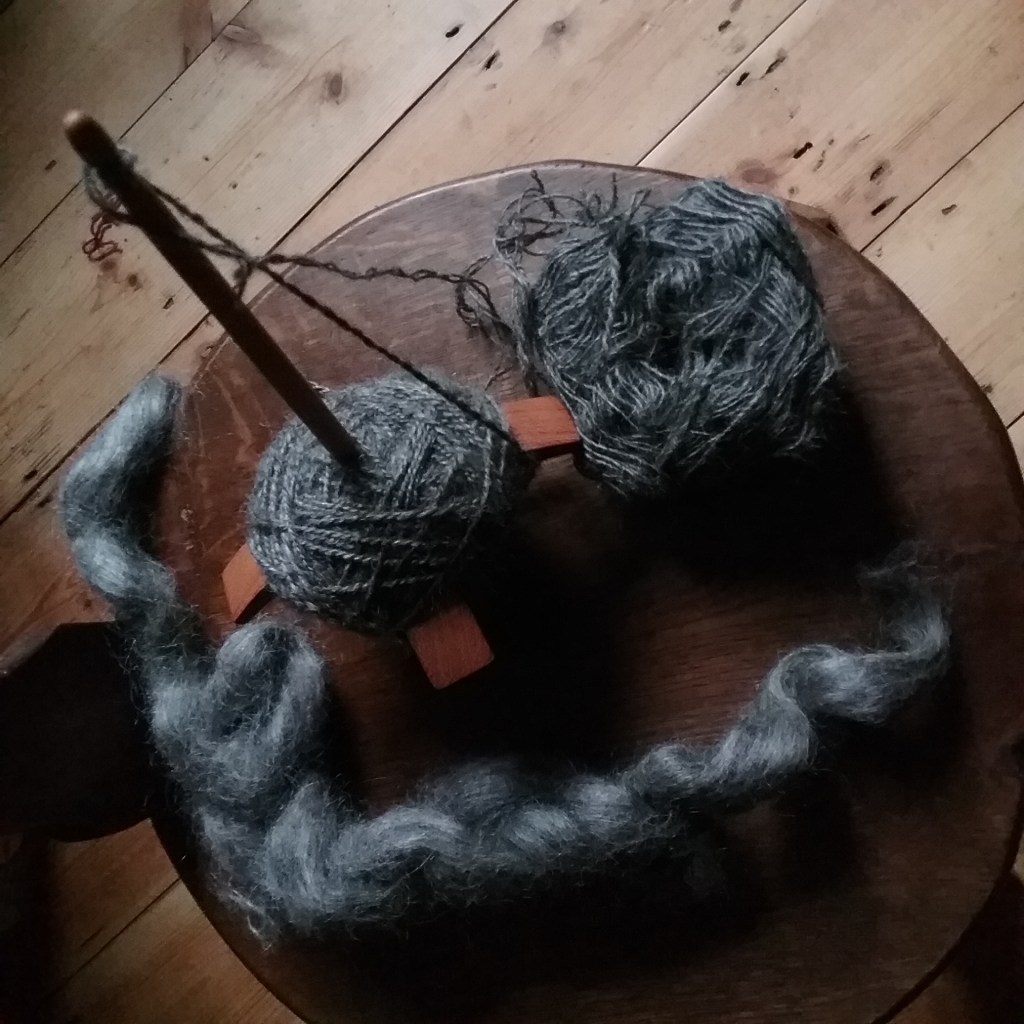
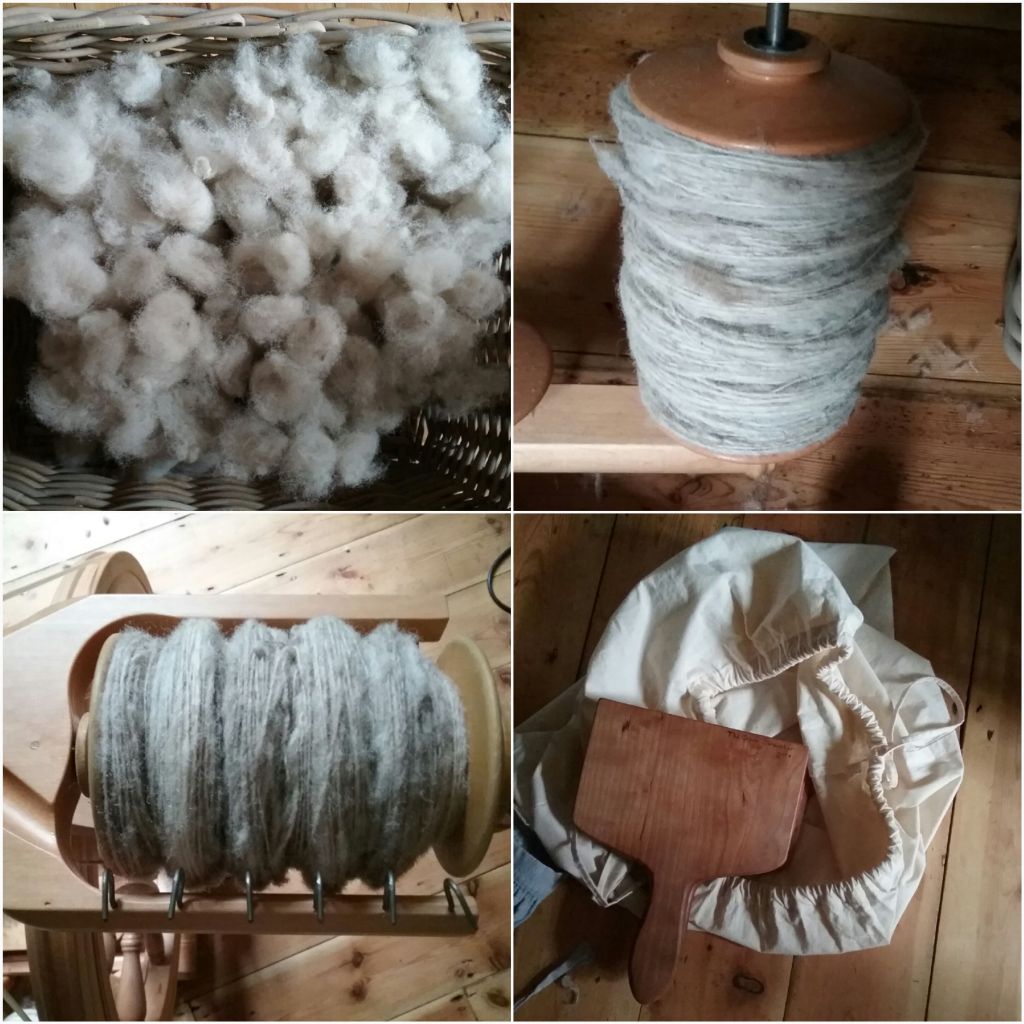
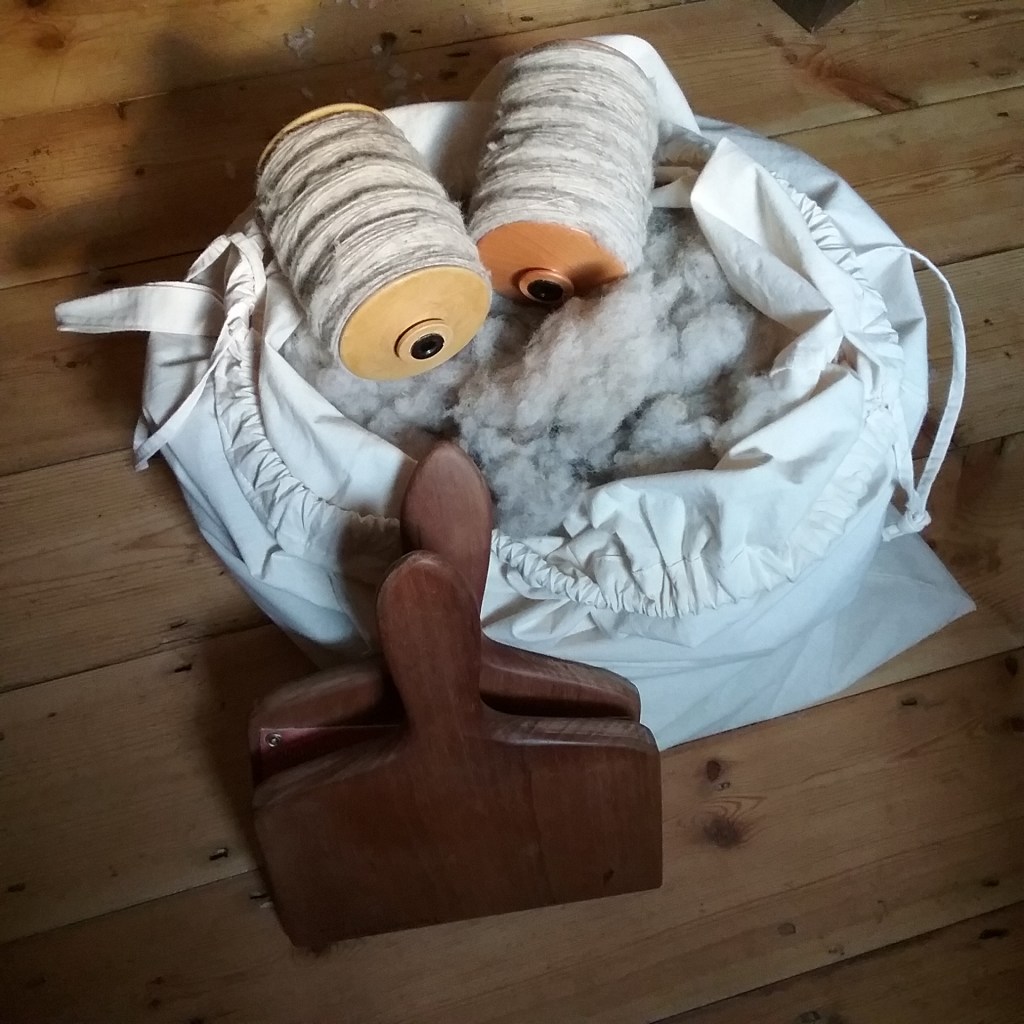
After washing and drying I noticed the fleece was a little tangled and still seemed to have quite a bit of dust. I decided to put it through my wool picker and open up the fibres to make carding easier and remove most of the dust. This worked perfectly, although I did find that the shorter staple fibres needed removing from the teeth at times.

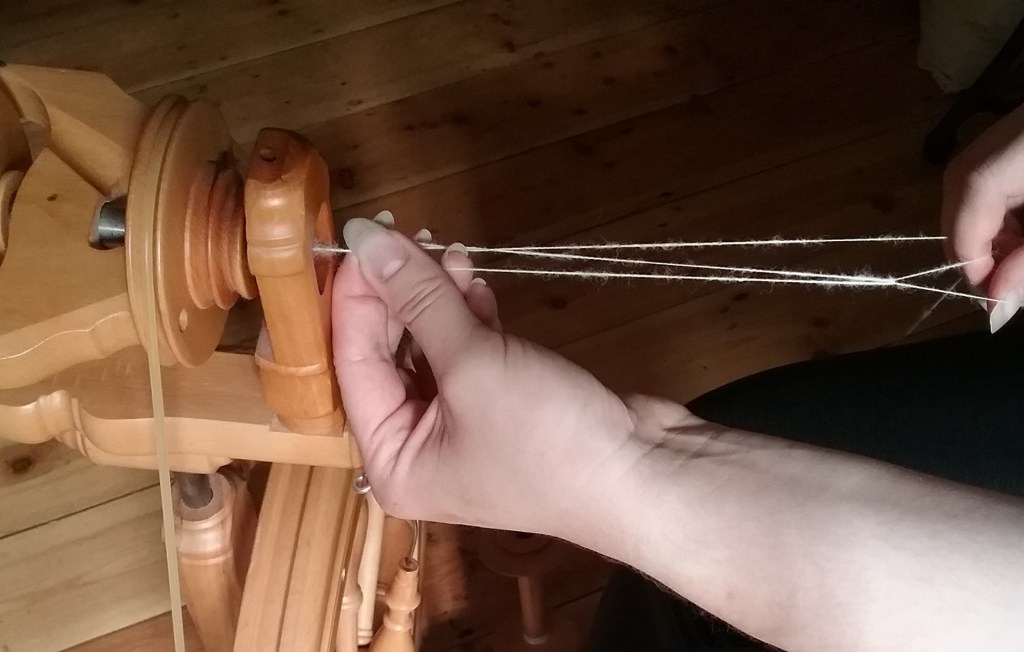
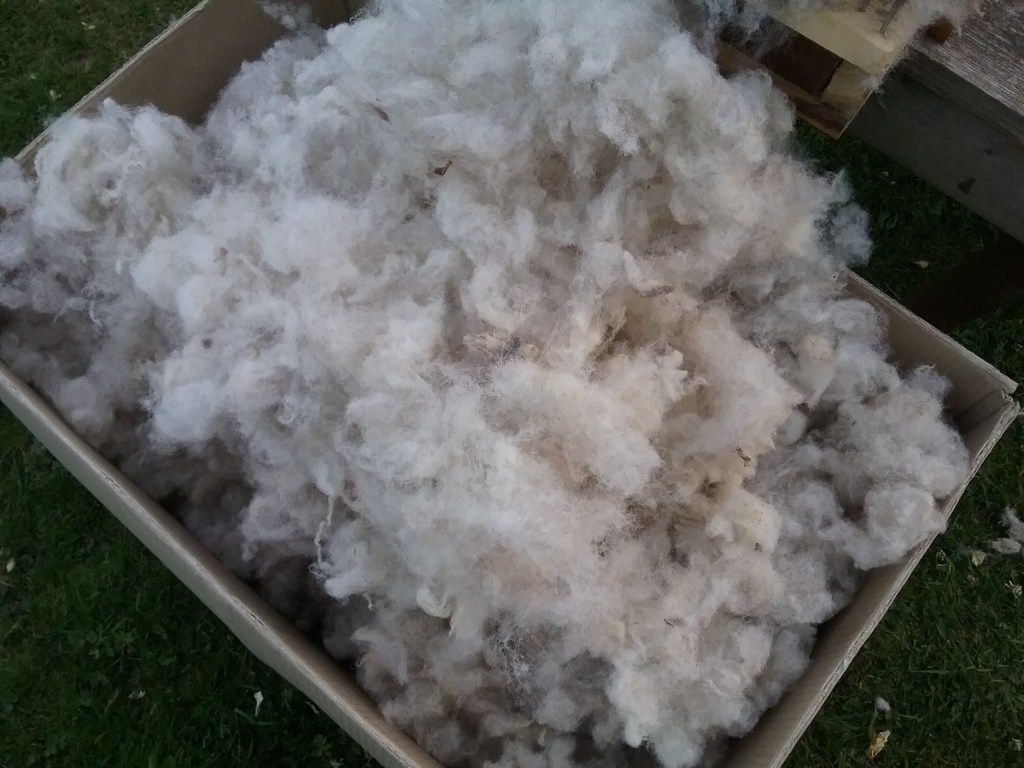
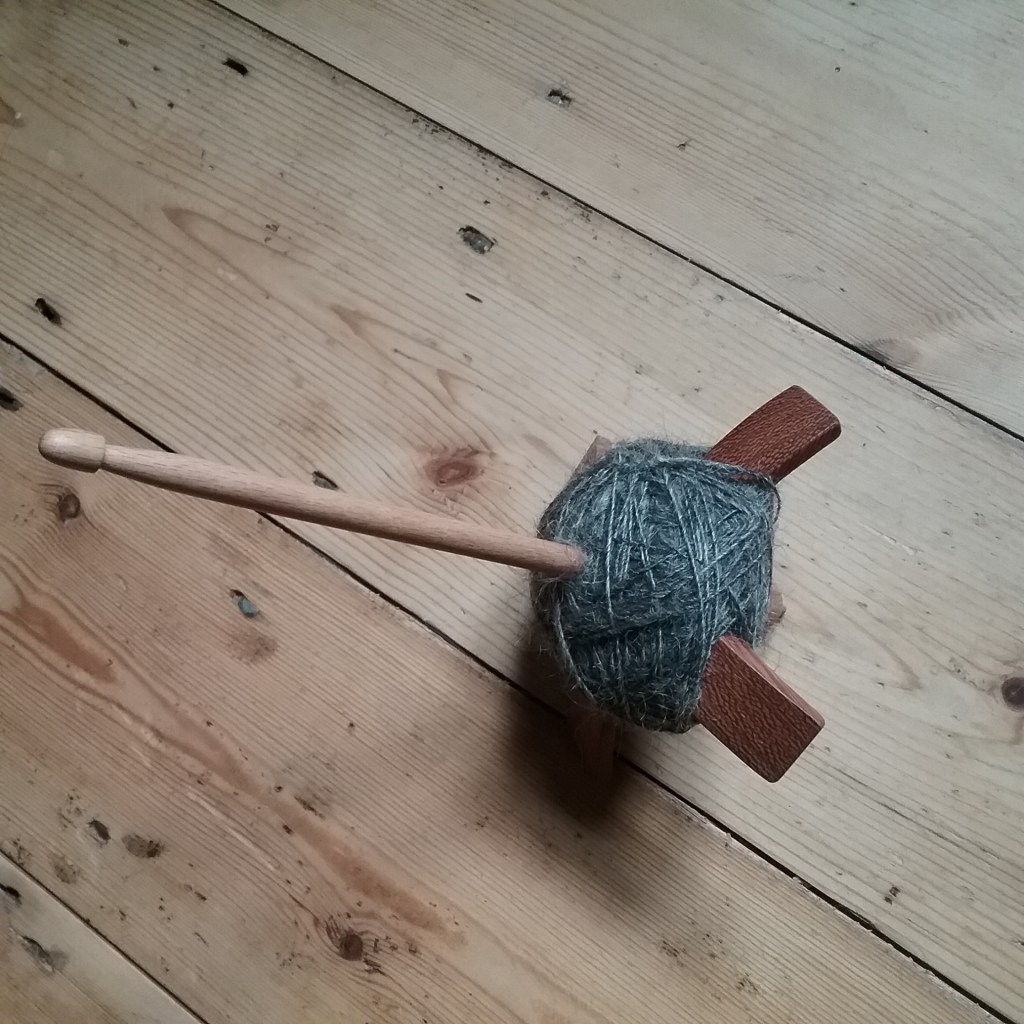
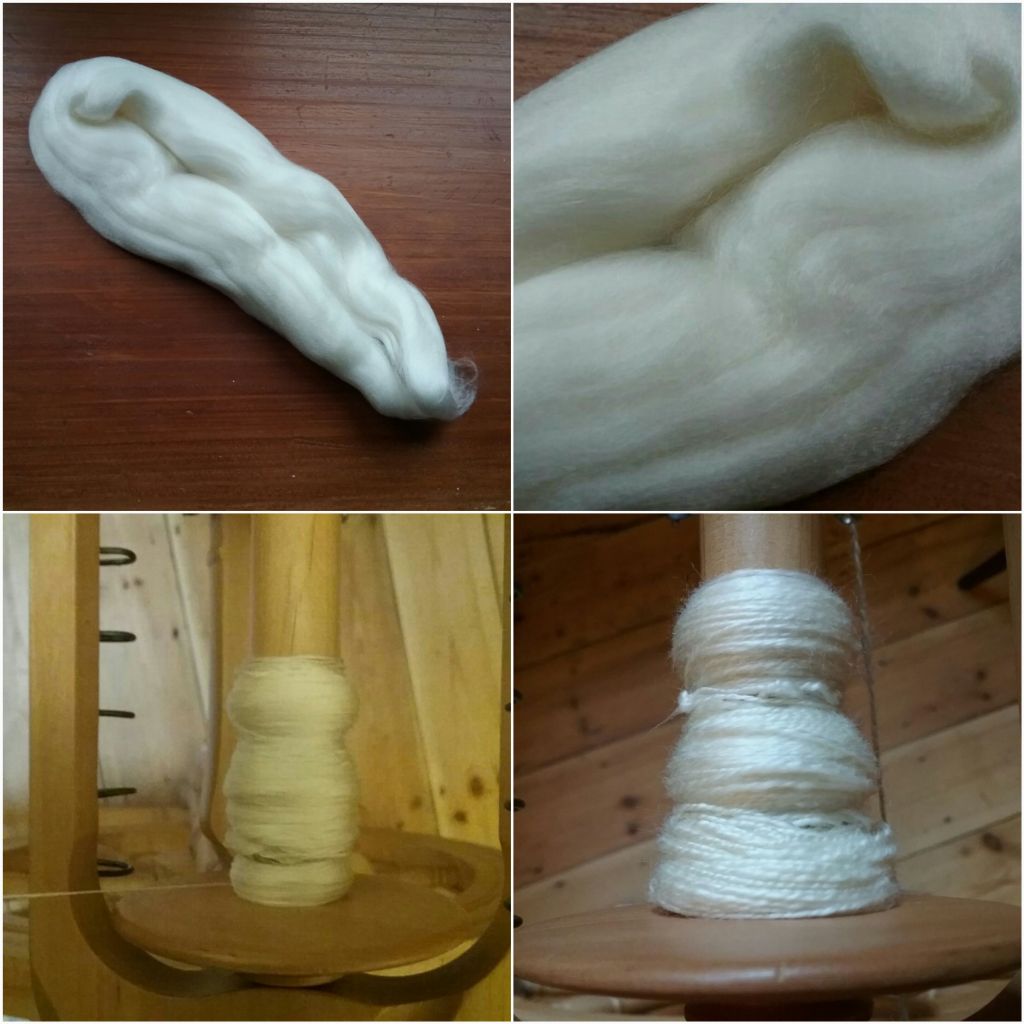
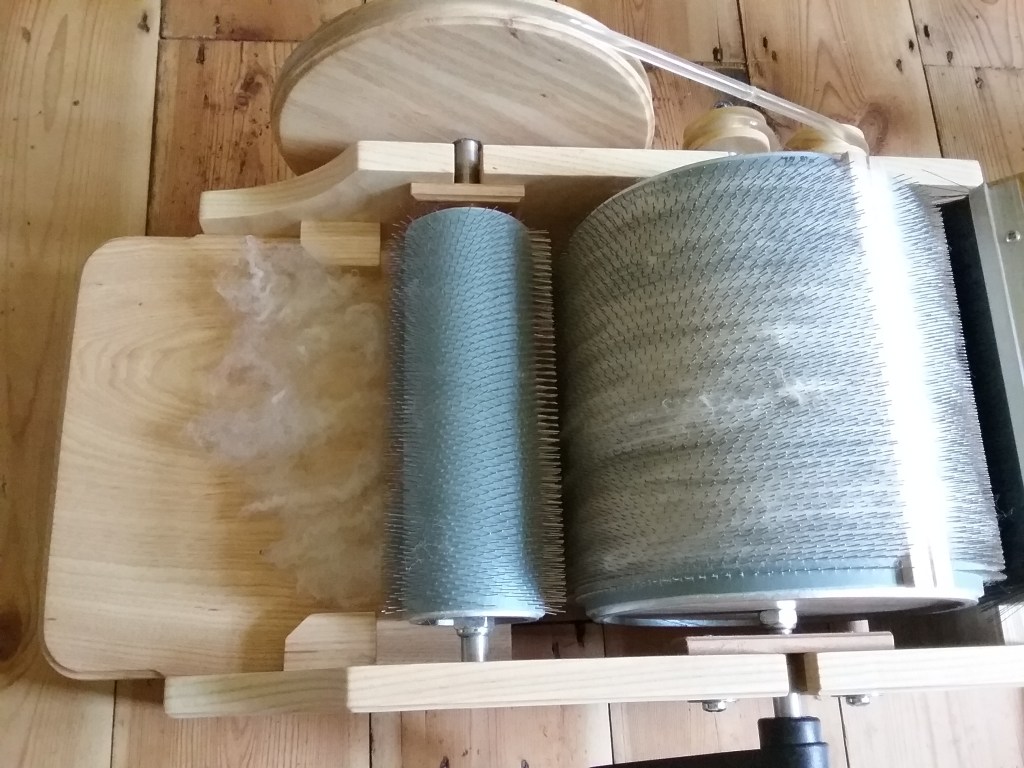
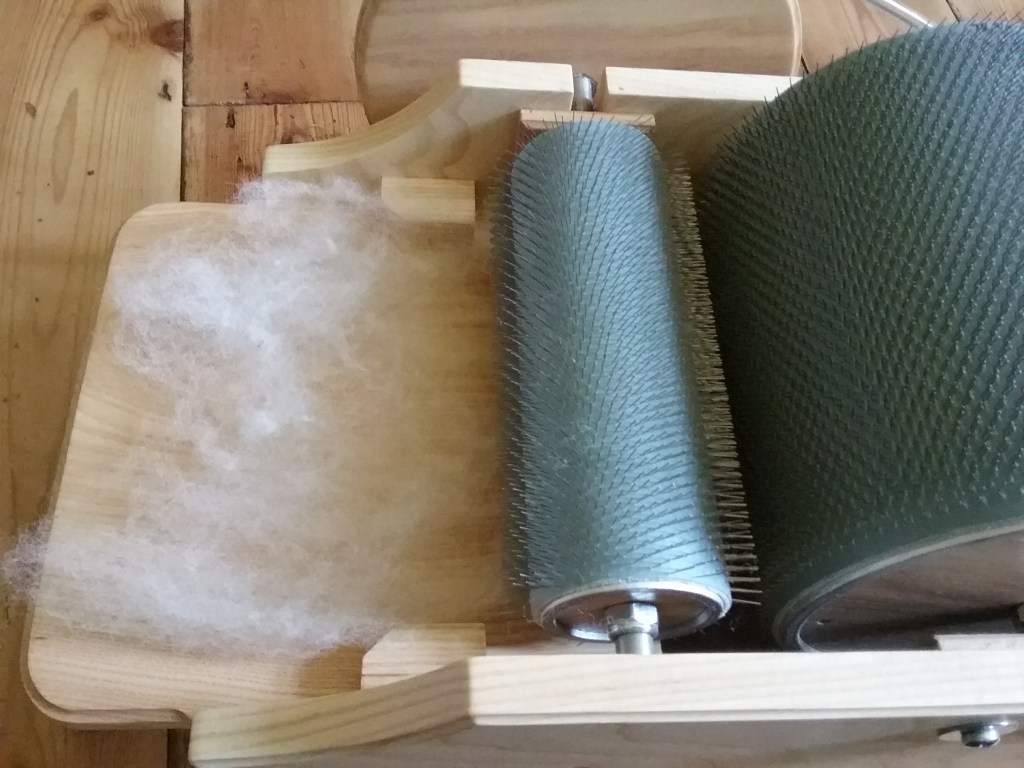
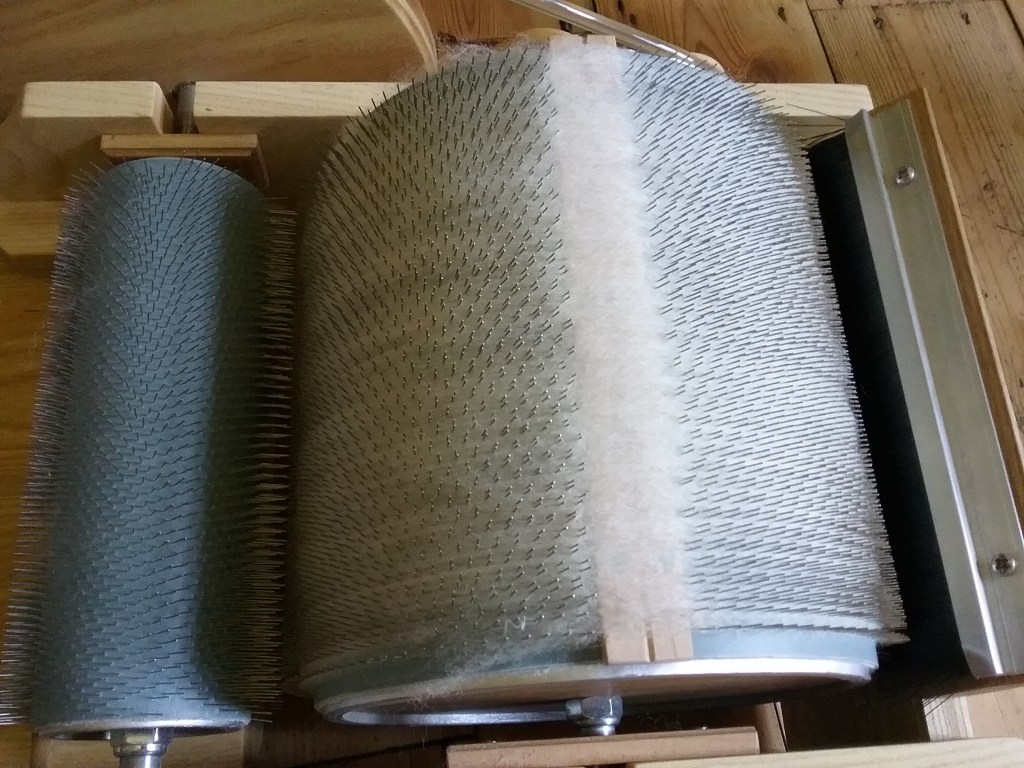
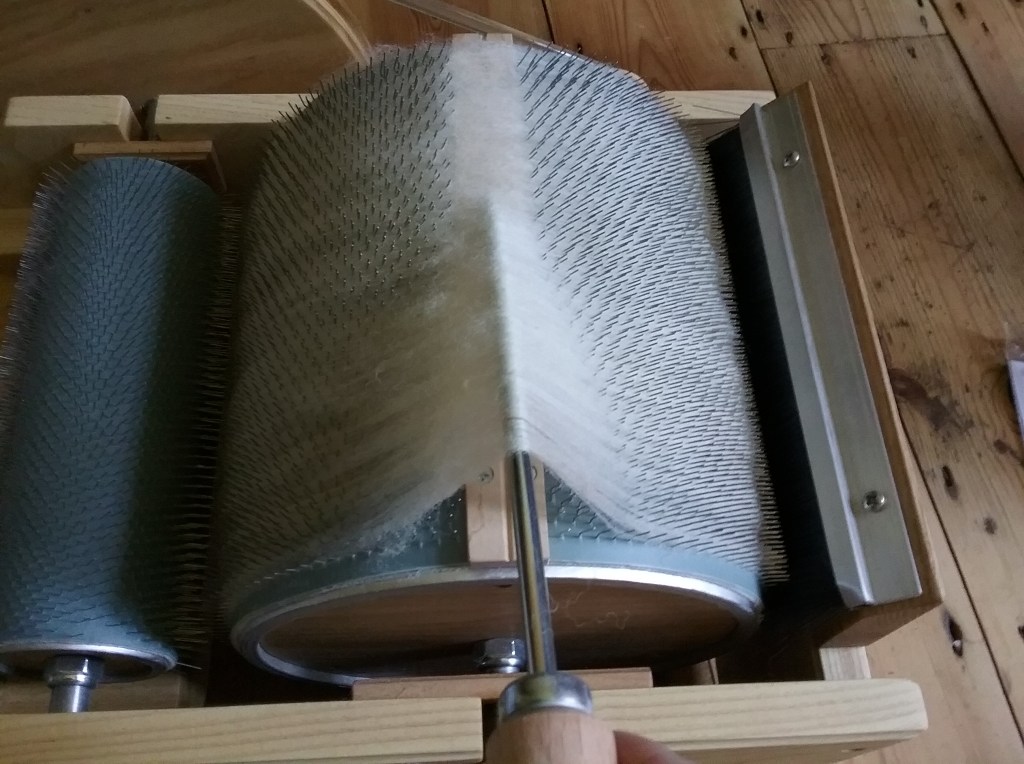
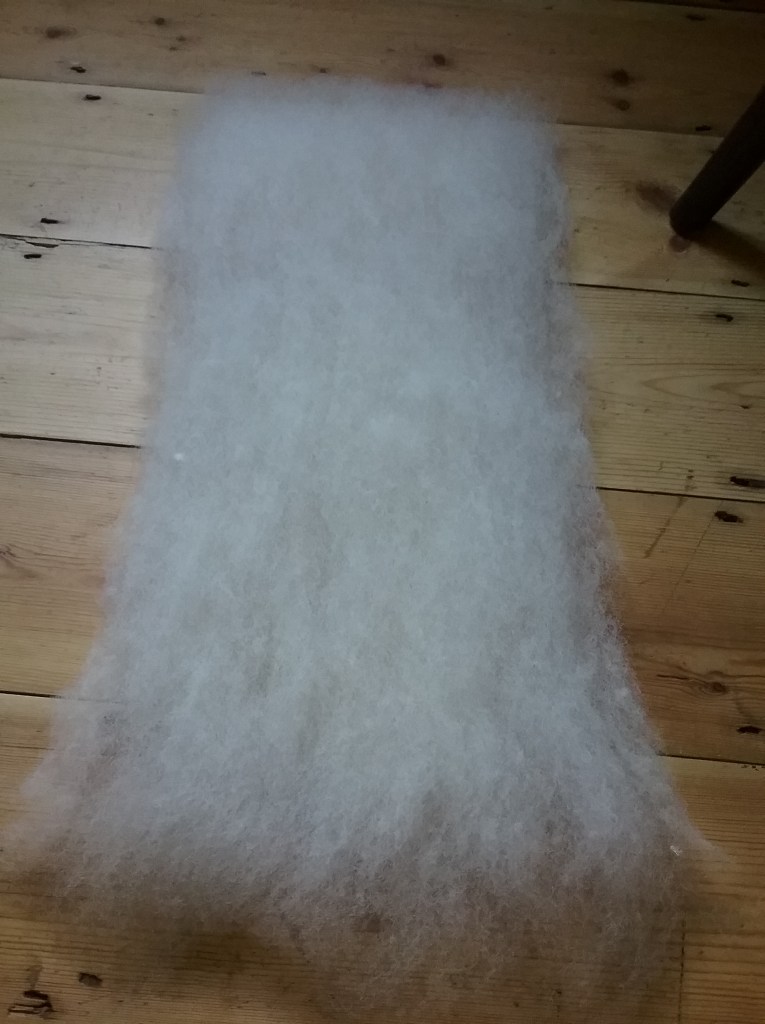
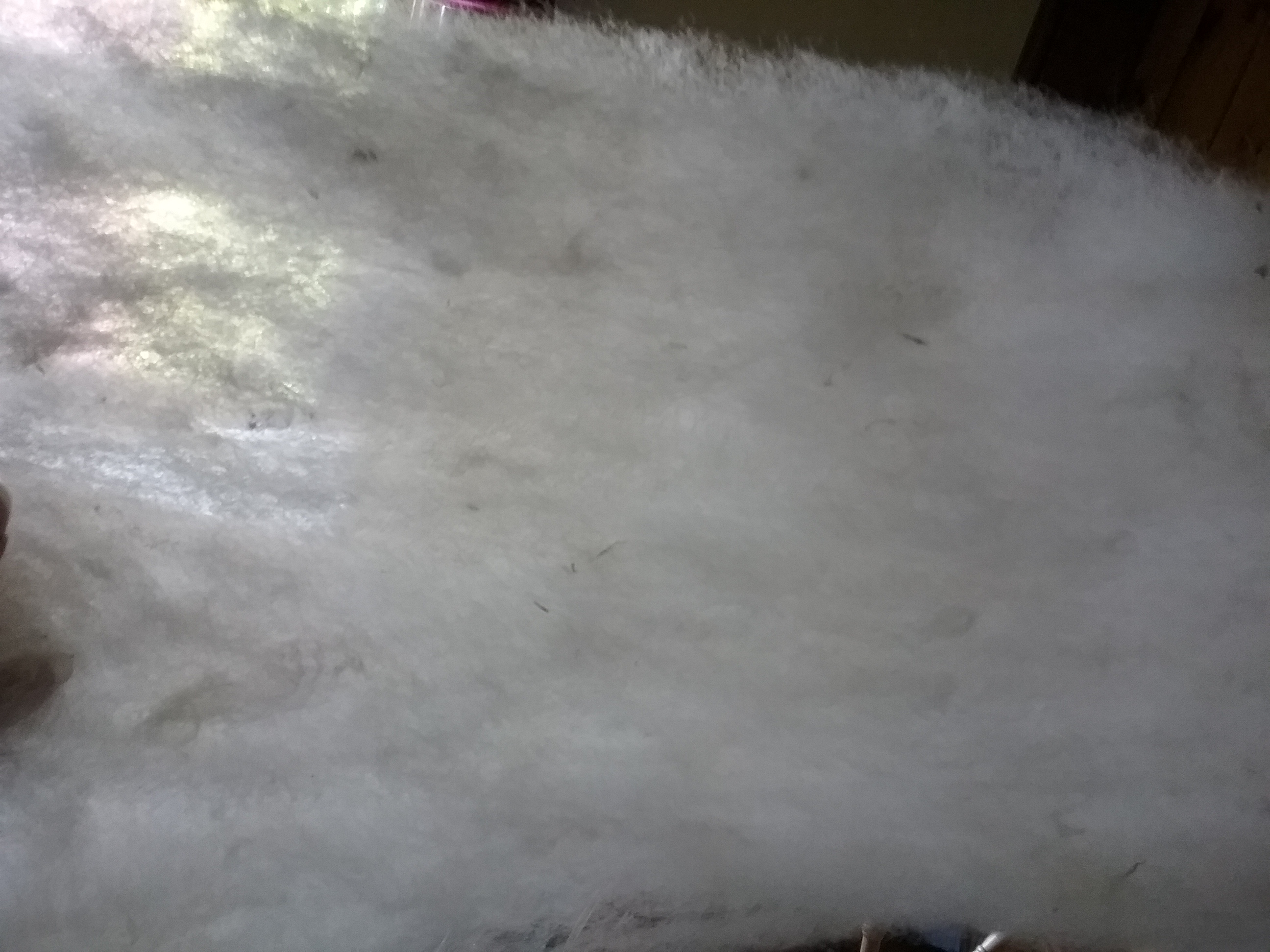
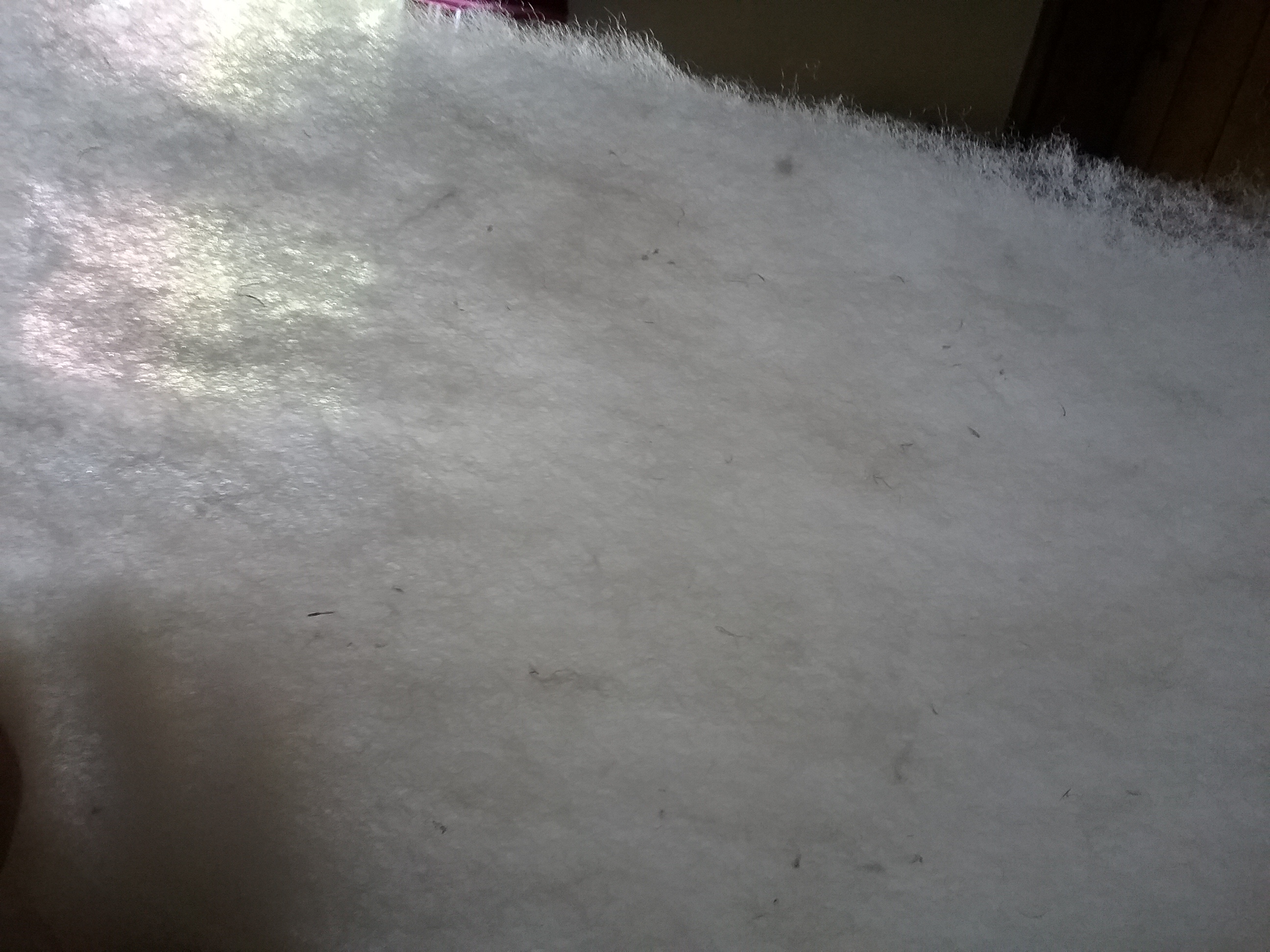
Due to the short fibres, carding was the sensible option. I found hand carding was easiest using my flat carders rather than the curved and most of the time the fibres only needed two passes to align. I did put some through the drum carder, but found it needed more passes than doing it by hand and I found I had more control over the shorter fibres spinning from rolags rather than batts. Hand carding also gave me more control over removing any left over VM and nepps.

I had a conversation with a friend recently who said how much they enjoyed watching crafters work and that I ought to film myself working. Thinking this quite a good idea, particularly in demonstrating what I write about, I took the opportunity during tour de fleece to do just that, so for those interested please find below some hand carding.

(I don’t have a very professional set up so excuse the harsher audio and any loss of focus – it’s best viewed in 1080p HD on the Youtube Settings)

As always, let me know if you have any tips/advice in the comments below and let me know if you would like more video content in my future posts.

Happy Crafting!

Further Reading about Hampshire Down:

  • Breed Society Website – www.hampshiredown.org.uk
  • British Sheep & Wool by the British Wool Marketing Board – ISBN 9780904969108
  • The Field Guide to Fleece by Deborah Robson & Carol Ekarius – ISBN 9781612121789
  • The Fleece & Fiber Sourcebook by Deborah Robson & Carol Ekarius – ISBN 9781603427111

A Little About: Hampshire Down

Hampshire Down Sheep
Photo Credit Hampshire Down Sheep Breeders Association

History

Hampshire Down sheep are a newer breed, established in the Victorian period by crossing Wilshire horn, Southdown and Berkshire knot and were considered vital to maintaining the fertility of the soils in these areas. A popular breed due to their ability to survive in extreme climactic conditions as lambs, they were exported and are now one of the most dominant breeds globally. Hampshire Down sheep today are mainly raised for meat and their wool is most often sold commercially.

Fleece Research

The British Wool Board classify Hampshire Down fleece as fine with a 5-8cm staple length and most suitable for knitting or blending with other fibres. As is often the case with fine fleeces, it is described as being dense with good elasticity. The sheep have black faces and legs, with a solid, usually white coloured coat (multicoloured fleeces are not desirable in industry) that is resistant to felting. This makes it particularly suitable for making hardwearing items and in some cases it may even be machine washable. Surprisingly these fleeces are said to often be overlooked by hand spinners.

Being such a short stapled fleece, there are limited ways to process it. Short staples lend themselves to carding and the density of the locks may also lend itself to picking. Fine fleeces I’ve previously worked with have been considerably greasy, but since Hampshire is said to be resistant to felting it will be interesting to see if this means there will be less grease. Despite their name the Down fleeces are not feather-like, so should have a stiffness to them and as such I have an idea to spin the fibre woollen as would be most suitable, but use it for weaving to explore the interplay between the stiffness and loft.

Further Reading

The following sources have been used for reference

  • Breed Society Website – www.hampshiredown.org.uk
  • British Sheep & Wool by the British Wool Marketing Board – ISBN 9780904969108
  • The Field Guide to Fleece by Deborah Robson & Carol Ekarius – ISBN 9781612121789
  • The Fleece & Fiber Sourcebook by Deborah Robson & Carol Ekarius – ISBN 9781603427111

Tour De Fleece 2023 – Week 3 Wrap-up

The Completed Tour de Fleece Spins

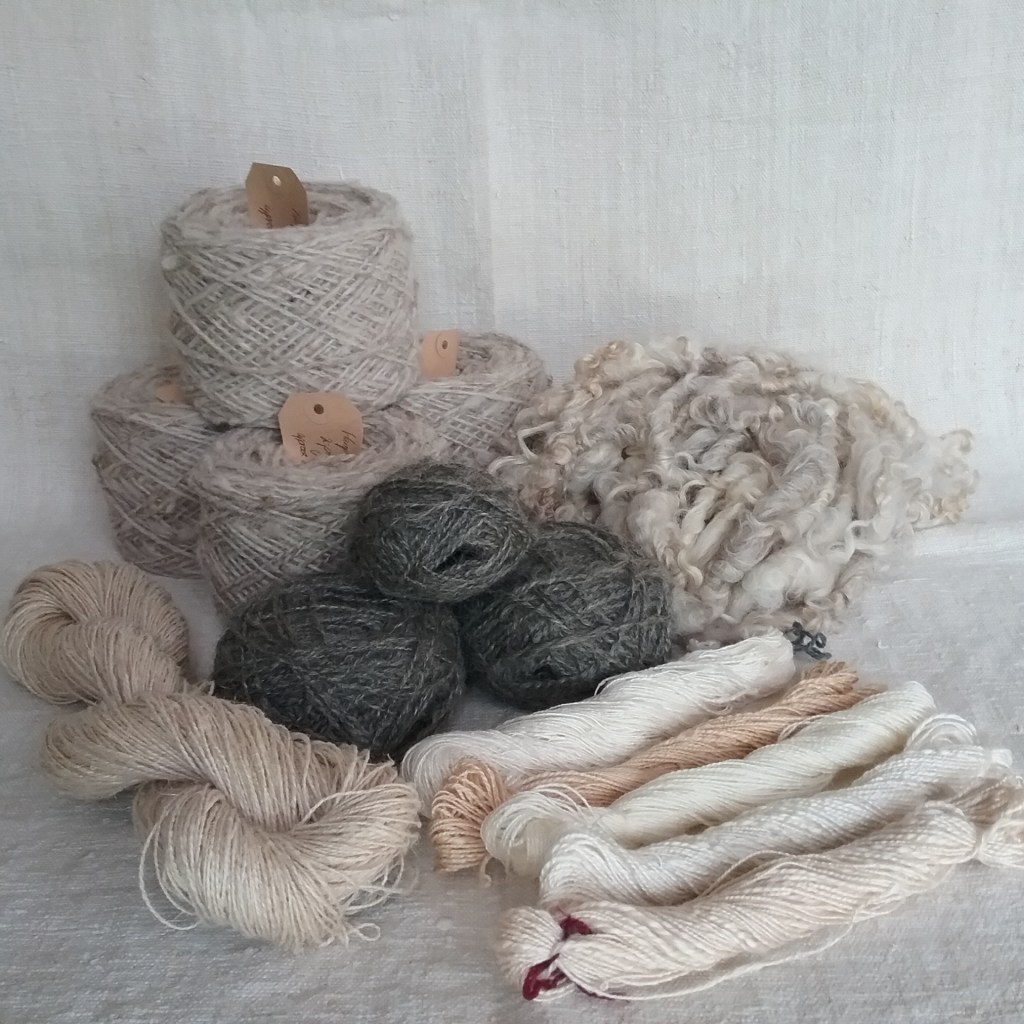
As Tour de Fleece draws to a close, I’ve spent this week focusing on finishing spinning and plying my Gotland roving and the sample fibres. My Turkish spindle progress has been slower than using my wheel or usual drop spindle, but I think I have finally got the hang of using it. I’ve also spent time this week skeining and washing my yarn, which has proven challenging during the wet weather. Below are the photos from the final week of this years challenge.

Reflections

Even after three years of doing TDF it’s surprising what I can still learn from the experience. I commented at the end of week one, how useful it was having a detailed to-do list and this is definitely something I will take forward into future challenges – it’s helped me remain motivated and spend more time spinning, rather than deciding what to spin. So reflecting on my original list, how did I get on?

  • Hampshire Down – This was my main focus and I’m pleased to say it was all carded, spun and plied by the end of week 2.
  • Gotland prepared roving – All roving spun and plied on my Turkish spindle by the end of week 3.
  • Lincoln Longwool – I managed one skein of Lincoln and tried to spin to highlight the locks even more than I had done before, but found the section of fleece I was spinning had larger locks that struggled to fit through the orifice of my jumbo flyer. Since this is art yarn and not destined for any specific project, I decided I may see if I can access a spinning wheel with a larger orifice (such as Ashford’s country spinner) through a guild to see if this works any better with the Lincoln.
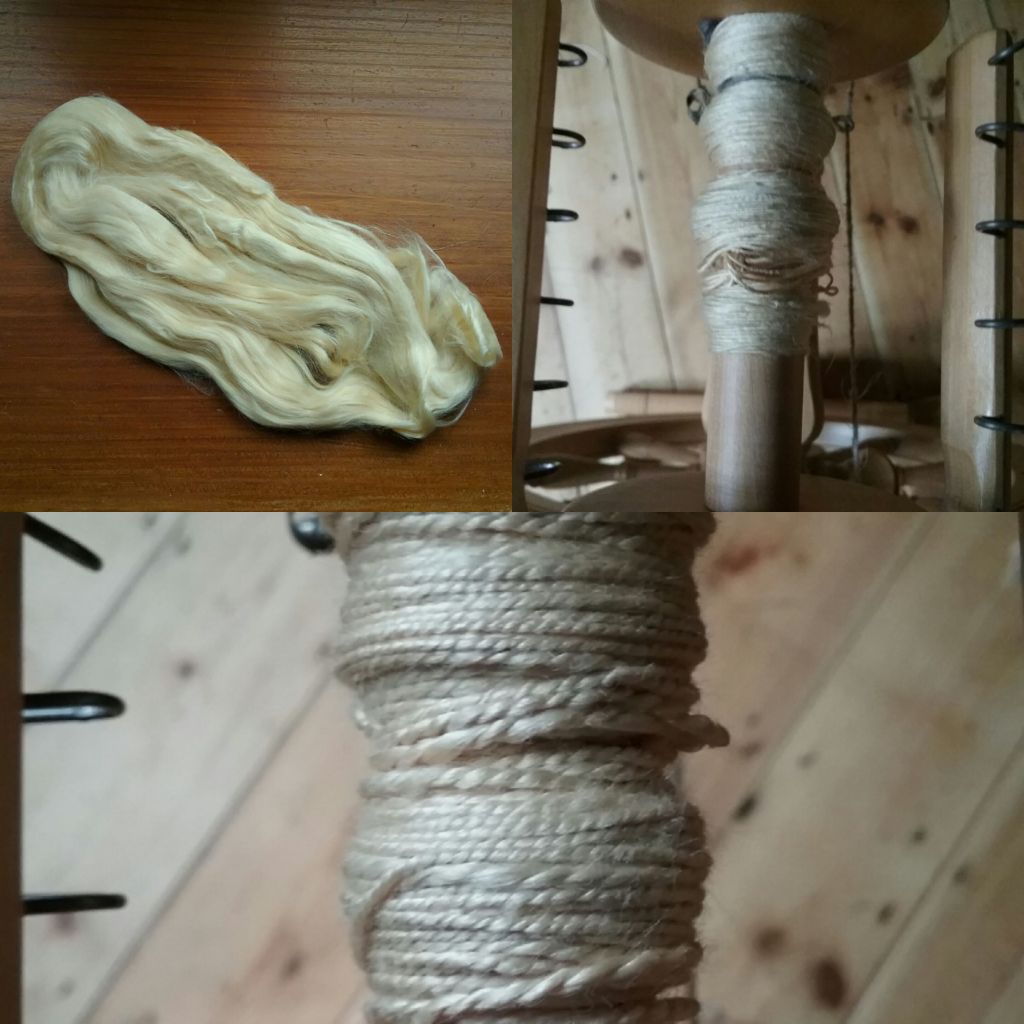
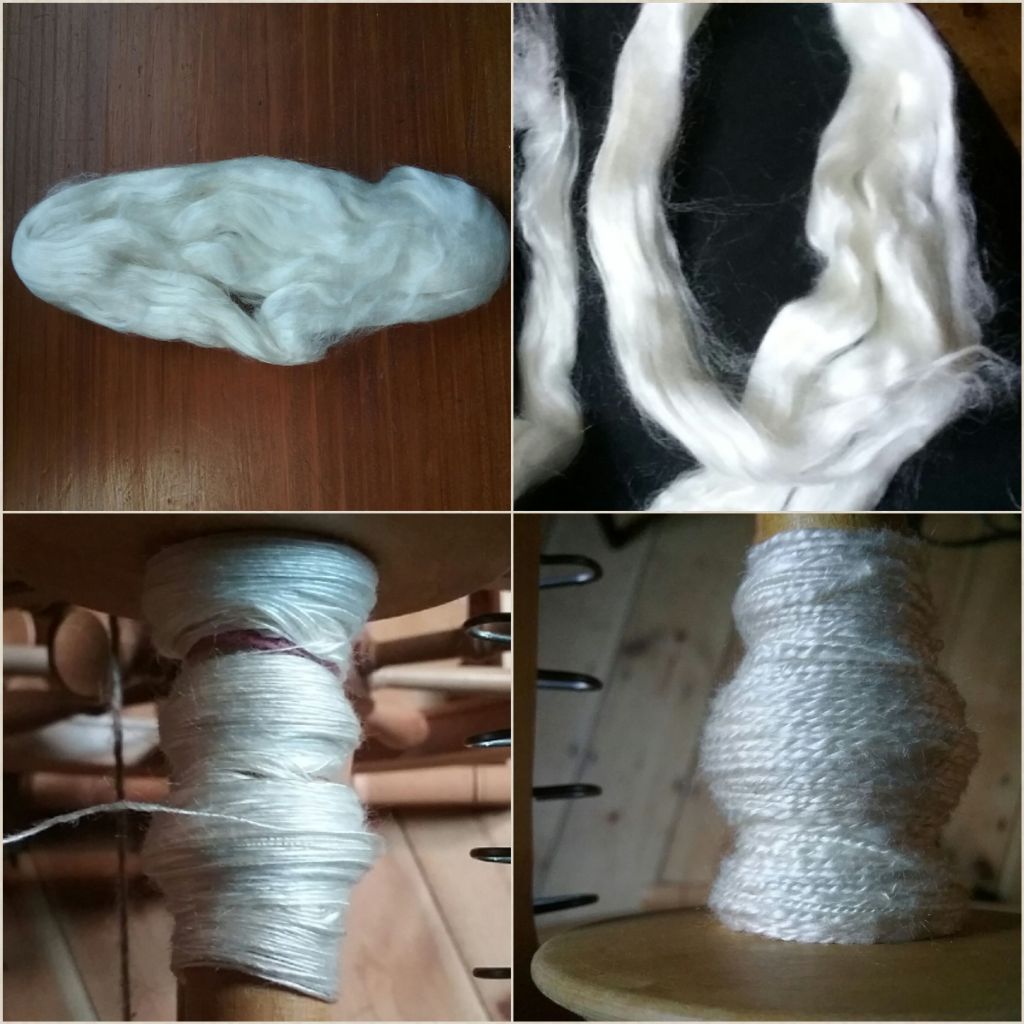
  • Luxury Fibre Samples – I managed to get all four of my luxury fibre 5g samples spun and plied into embroidery thread and also experimented spinning silk. I’m not sure I’ve quite got the twist quite right for the silk as it’s a bit looser then I expected after plying, but I will see what happens after washing and will continue experimenting in the future.

This year I worked out that I spun approximately 4.79km (multiplying plied skein length by 3 to account for the length of the two single ply threads and the length plied).

Since I’ve now ticked some things off my fibre to-do list I can begin writing up more detailed posts on the process. Finishing the Hampshire Down means that I can now focus my efforts on filling the gaps in my fibre posts and finishing existing projects before starting anything new, so hopefully my blog posts should gradually get back on track.

If you’ve joined in with Tour de Fleece this year I’d love to hear how you’ve got on and what your plans are going forward. Let me know in the comments below!

Happy Spinning!

For more information about my tour de fleece challenge this year my introductory blog post is here. You can find my Week 1 and Week 2 wrap-up’s by clicking the links and view my daily photo updates on instagram.

Tour De Fleece 2023 – Week 2 Wrap-up

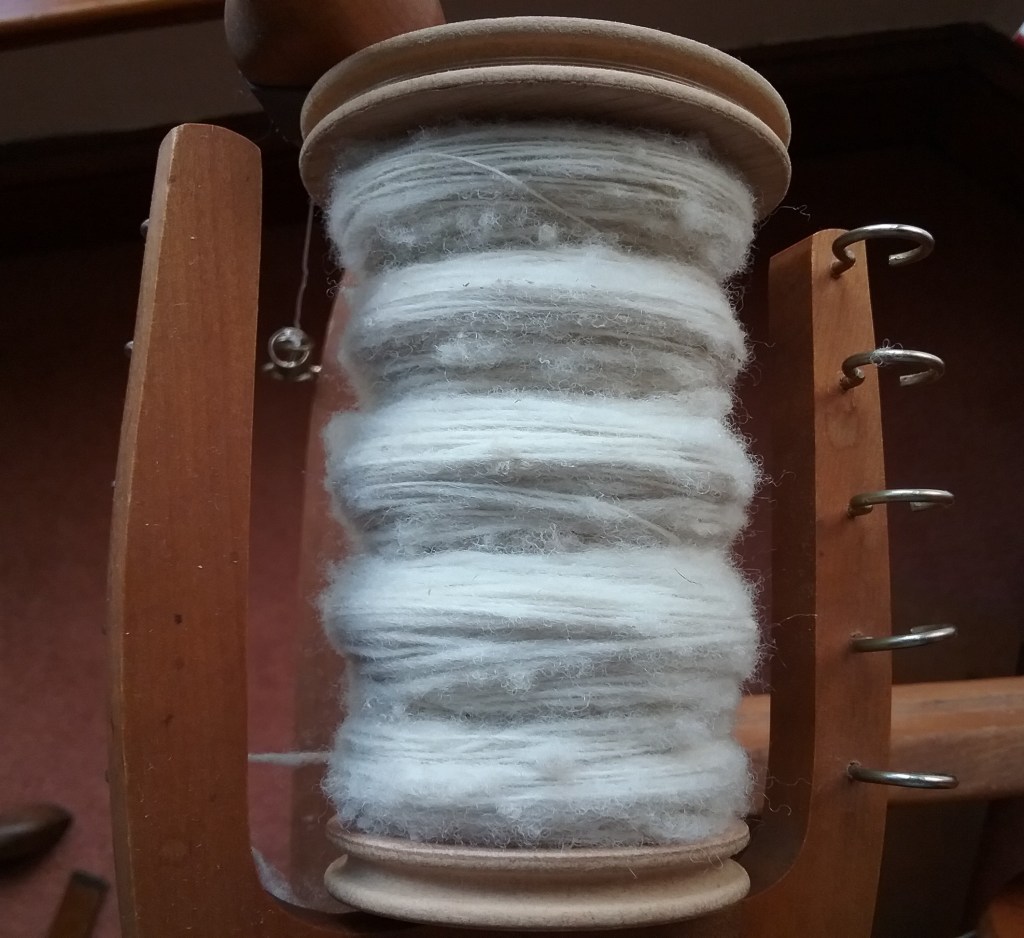
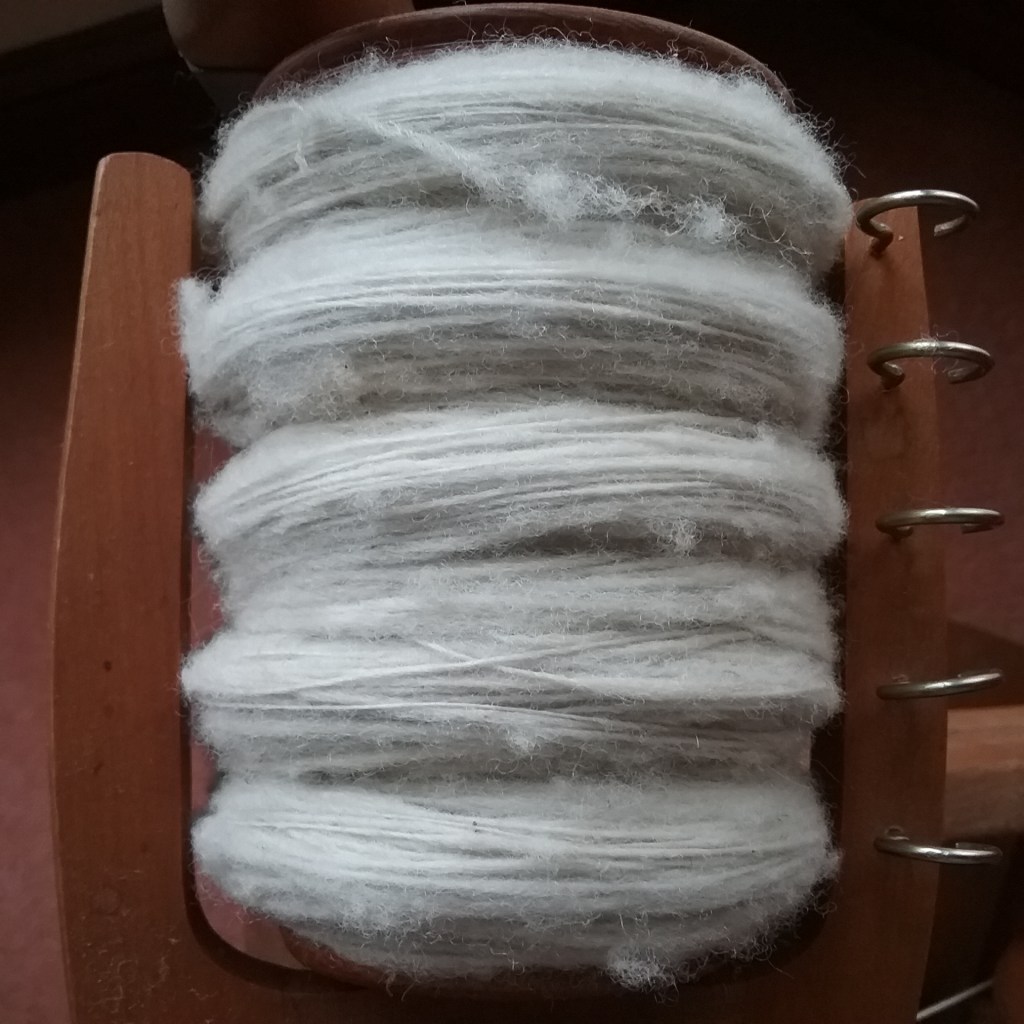
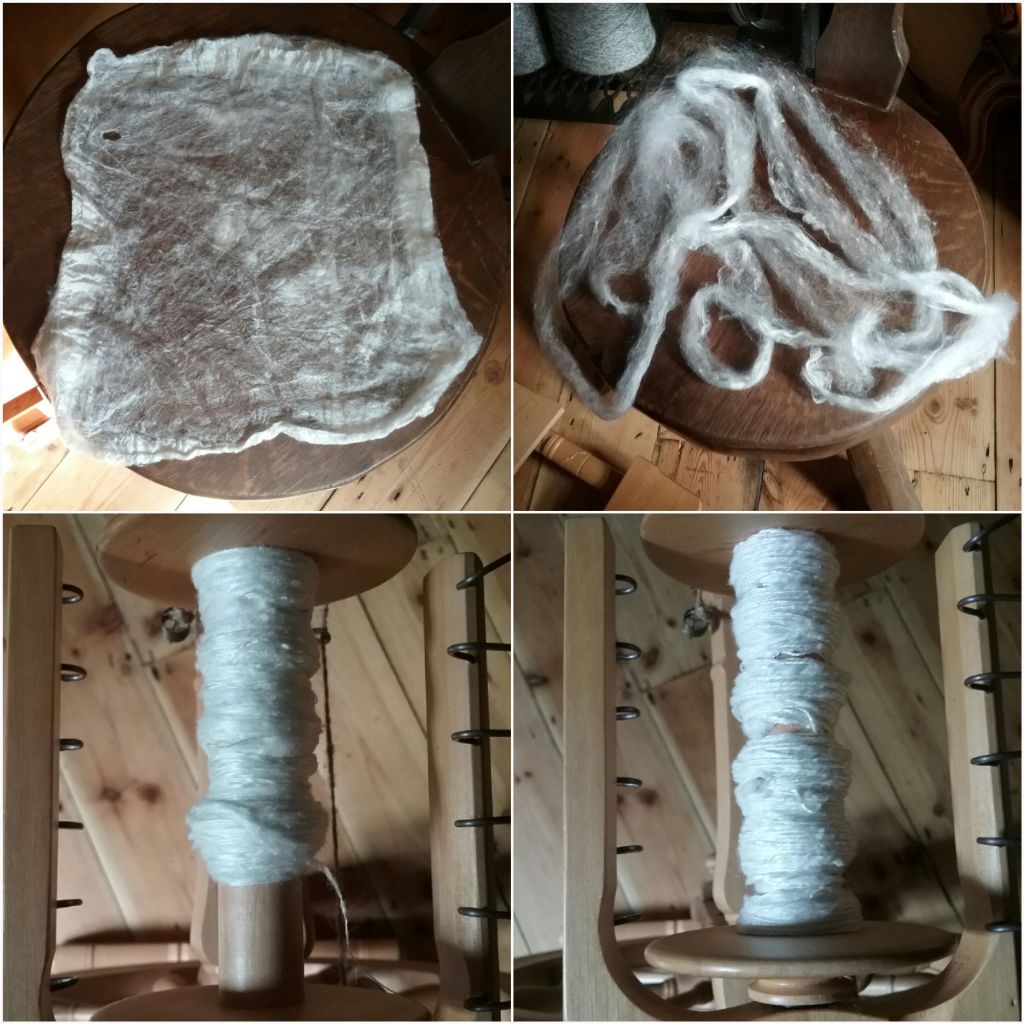
I’m now over the halfway point of TDF and am pleased with my accomplishments so far. After making good progress on the Hampshire Down last week I was able to finish carding, spinning and plying the rest of the fleece this week. It’s been satisfying to see the fleece I started carding and spinning last TDF finally turn into finished yarn after I put it to the side while working on other projects. I didn’t vary my spinning as much this week, but did experiment with spinning hemp and rose fibre. With the Hampshire Down now finished, I’m hoping to spend the final week making progress on the spindle project and luxury fibres from my list.

If you are also joining in with Tour de Fleece (whether part of a group or going it alone like me!) I’d love to hear how you’re getting on, let me know in the comments below! Until next week…

Happy Spinning!

For more information about my tour de fleece challenge my introductory blog post is here. I’m also posting my progress photos daily on my instagram.

Tour De Fleece 2023 – Week 1 Wrap-up

My first week of Tour de Fleece has been very productive, although most days I have spent longer than my one hour aim. I’ve made good progress on the Hampshire Down so I think there’s a very good chance I’ll get it finished by the end of the month and have also made progress on my spindle project (I’m now onto the second 100g roving).

I’m definitely seeing the benefit of making a specific ‘to-do’ list at the start of the tour; it’s allowed me to focus my efforts and means I can clearly see my progress as my bag of fleece decreases. It’s also meant I don’t feel overwhelmed by options, so I think this is something I’ll be taking into future challenges.

If you are also joining in with Tour de Fleece (whether part of a group or going it alone like me!) I’d love to hear how you’re getting on, let me know in the comments below! Until next week…

Happy Spinning!

For more information about my tour de fleece challenge my introductory blog post is here. I’m also posting my progress photos daily on my instagram.

Tour De Fleece 2023

It’s that time of year again, when crafters spin every day of the Tour de France. This year the dates are 1st – 23rd July.

In previous years I have used the TDF challenge to experiment with different fibres and work through some of my stash. This has been somewhat successful, particularly with smaller amounts of fibre, but means I’ve often dipped in and out of lots of projects thinking I’ll have more time than I do to get them finished. So this year, rather than leaving myself with several partially processed fleeces at the end of the month, I’m going to focus my efforts on getting half finished projects completed.

As per usual, I’m going to aim to spend at least 1 hour per day on my challenge, but won’t be too strict about it, some days I may spend more time, some days less. I’m also including fibre prep (carding/combing) within my challenge. I will use the following ‘to-do’ list of projects to keep me on track.

  • Hampshire Down – finish carding, spinning & plying the rest of the fleece
  • Gotland prepared roving – Finish spinning and plying on my Turkish spindle – this will be my ‘travelling’ project for days when I’m away from my wheel.
  • Lincoln Longwool – Continue coreless core-spinning on my jumbo flyer
  • Luxury Fibre Samples – Spin these so they can be used as embroidery thread

My hope is that these projects should give me enough variety to both keep daily updates on instagram and weekly updates on the blog interesting, while also freeing up my carders and wheels for other fleeces when the challenge is finished (my first weekly wrap up will be Sunday 9th July). Having finished yarn also means that I can start a final project later on. If I get through the list before the challenge is over then I have plenty of other fleeces I can make a start on.

If you are also joining in with Tour de Fleece (whether part of a group or going it alone like me) I’d love to hear how you get on – feel free to share your progress/goals in the comments section and if you want to find out what I got up to last year I’ve included links to my posts below.

Happy Spinning!

Fibre Prep: Clun Forest

Clun Forest Fleece

The Fleece

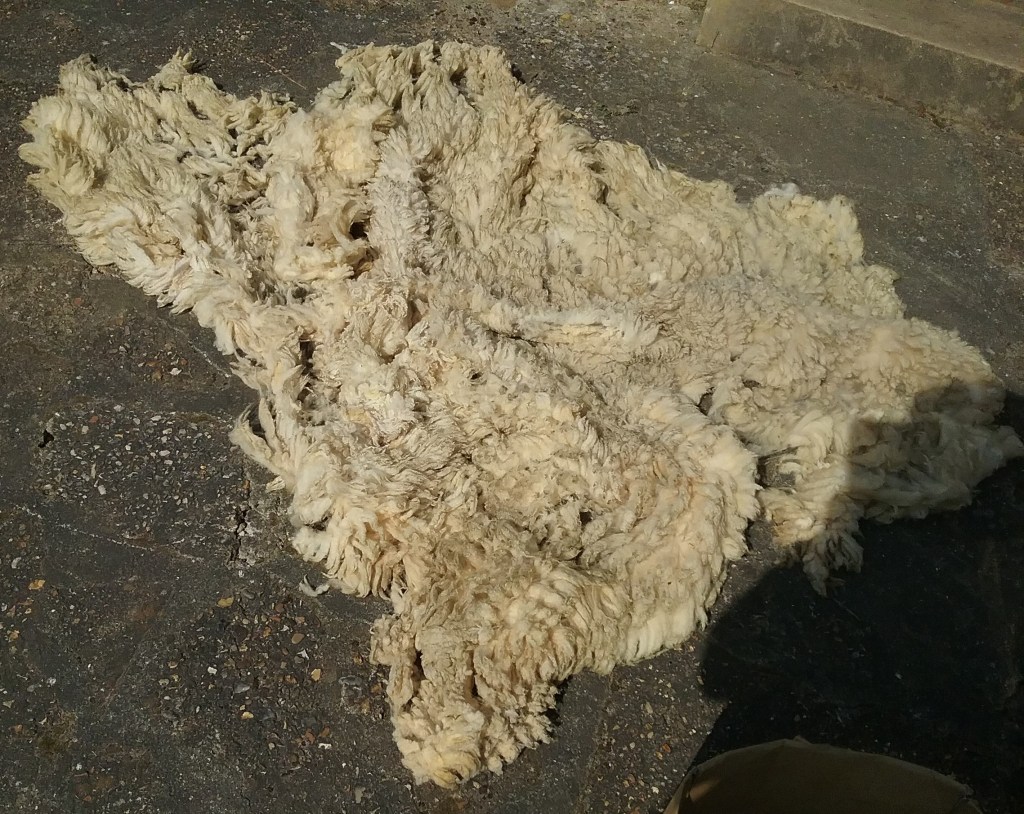
I purchased this fleece by its weight back in 2020 and was pleasantly surprised to have one large and one smaller fleece delivered to me. When spreading the fleeces out on the ground, there was very little VM and I couldn’t see many kemp fibres, which would speed up the process as I wouldn’t need to put it through the wool picker. It was greasy to the touch, however not as greasy as I expected of a shorter stapled fleece. The fibre ranged from moderate to very tightly crimped and required very little skirting as there were no areas that seemed particularly coarse.

Washing

I washed these fleeces back in 2020 after suint fermentation worked so well for the Jacob fleece (you can read more about that process here), I put the Clun Forest fleece into the same suint water and left it for a few days before rinsing it in fresh rainwater overnight. I knew that I would be storing them for a while, so I decided to try washing them once through with soap as soon as they came out of the rinse water to save on drying time (fleeces fresh out of the suint bath can take a long time to dry).

I have since discovered in subsequent fleece washing adventures, that unless a fleece is still very dirty after the suint bath, then washing it with soap before storing is not usually necessary. If storing fleece for any length of time the most important thing is to use either a fabric or paper sack (plastic bags make fleeces sweat and they can start to rot) and to put something scented in with the fleece to discourage pests.

Carding by Hand & by Drum

The fleece had a short staple length, but was also quite fine, so I decided to use my curved hand carders as they seem to handle fluffy fleeces more easily. There was very little structure to the locks in some places, but they seemed to align themselves during carding. The colour of the fleece made it very easy to pick out what limited VM was left.

It’s been two years since I started working with this fleece (long term followers may recall it featuring in my tour de fleece challenges) and although I love working with hand carders, this year (partly due to the volume of fleece I have to process!) I decided it was time to try out a drum carder to see how it compared. So, I can finally do a full comparison.


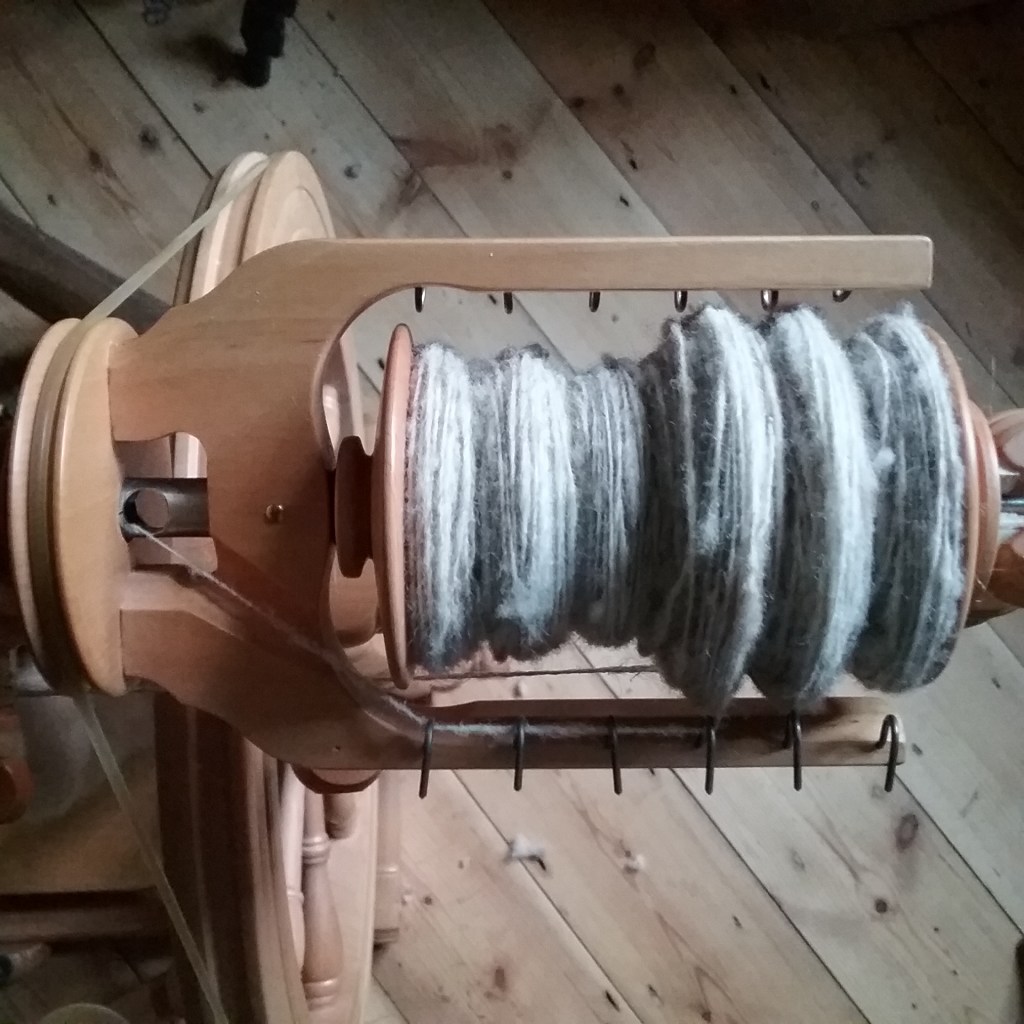
The drum carder requires the fleece to be teased out more than I usually do with my hand carders. I found taking a small handful and teasing it out so it was spread thinly in layers gave a much better result than adding larger amounts in one go. The first pass of the drum carder gave good results, but there were still some uneven areas, so I decided to put it through again. I tore the batt in three lengthways, tore about 6-7cm from each strip and then teased this out before winding it onto the drum (much like I did the first time). The resulting batt was much more even and although I did experiment with another pass through the drum, it made minimal difference for this fleece.

1st & 2nd pass through the drum carder – note the fibres are more evenly aligned

I began this project with the intention of weaving a handspun cloak since I had so much fleece – my plan was to spin and ply all the fleece and then start weaving. I had a small stash of yarn to hand back in January 2022, when I impulsively decided I was going to start knitting a Victorian cycling jumper. This would need a lot of yarn and as the Clun Forest was sitting there I decided to cast on. I put spinning on hold while I knitted and am now in the slow process of carding enough to spin & ply a bobbin full at a time before continuing to knit. Unfortunately, this means my usual blog posts have been in various states of completion, so I am now catching up.

Have you been working on any slow projects, experimented with new equipment, or have any tips for drum carding? Let me know in the comments below!

Happy Crafting!
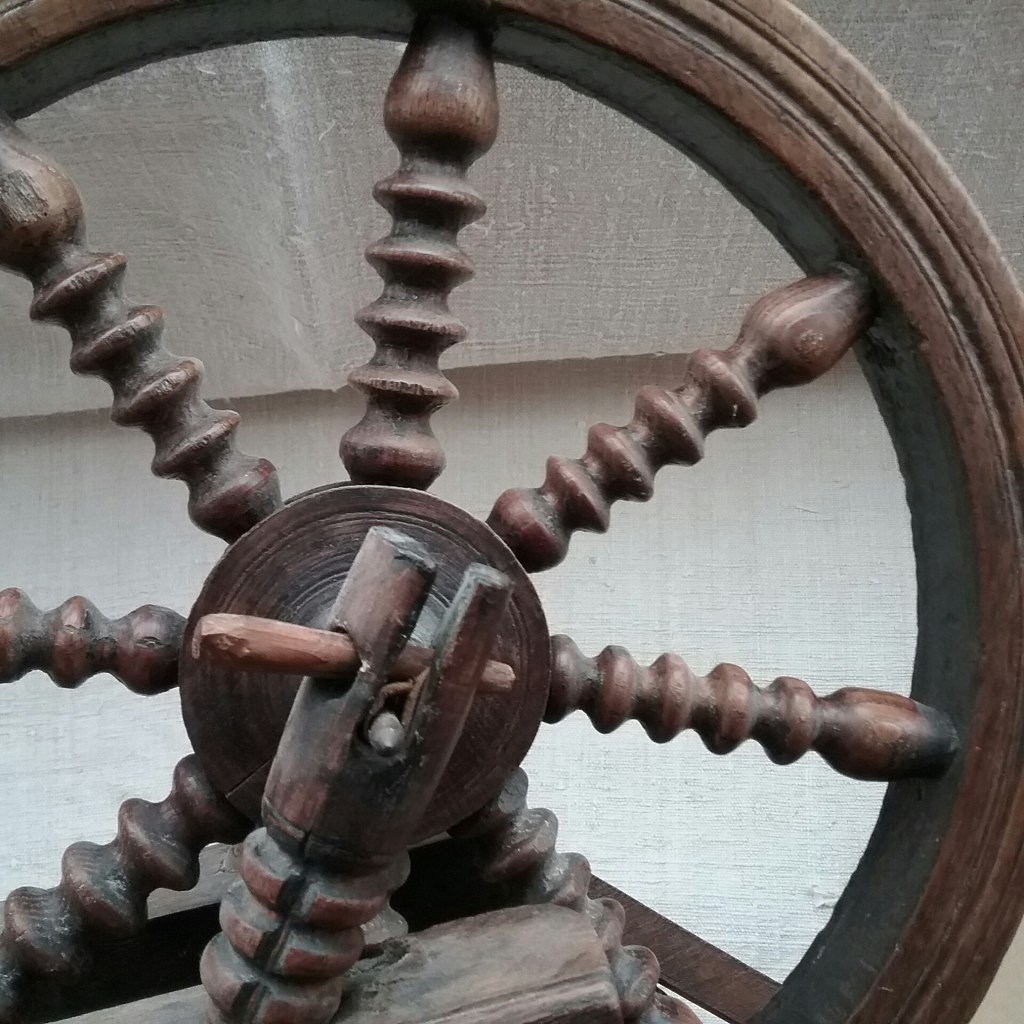
Further Reading about Clun Forest:

  • Breed Society Website – https://www.clunforestsheep.org.uk/
  • British Sheep & Wool by the British Wool Marketing Board – ISBN 9780904969108
  • The Field Guide to Fleece by Deborah Robson & Carol Ekarius – ISBN 9781612121789

Fibre Haul: East Anglia Yarn Festival

Last weekend I went to my very first fibre festival East Anglia Yarn Festival. I had a wonderful time, met lots of lovely fellow crafters, talked about all things wool and came away feeling very inspired. Since I have quite a large stash of my own hand spun yarn and fleeces waiting to be processed, I don’t tend to purchase much yarn or pre-prepared fibre, however I did go with a mental list of items that would be useful.

Links to vendors websites are provided for reference and are not affiliate links.

Yarn

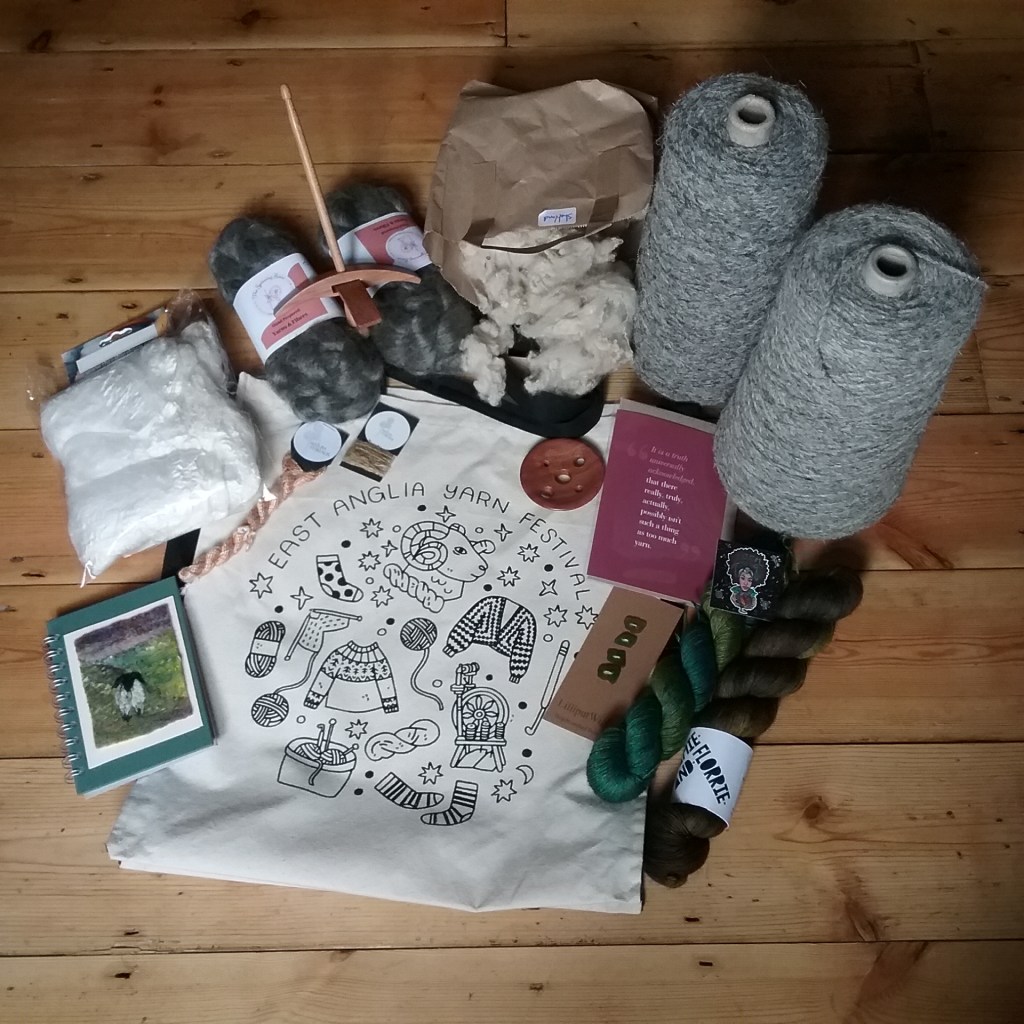
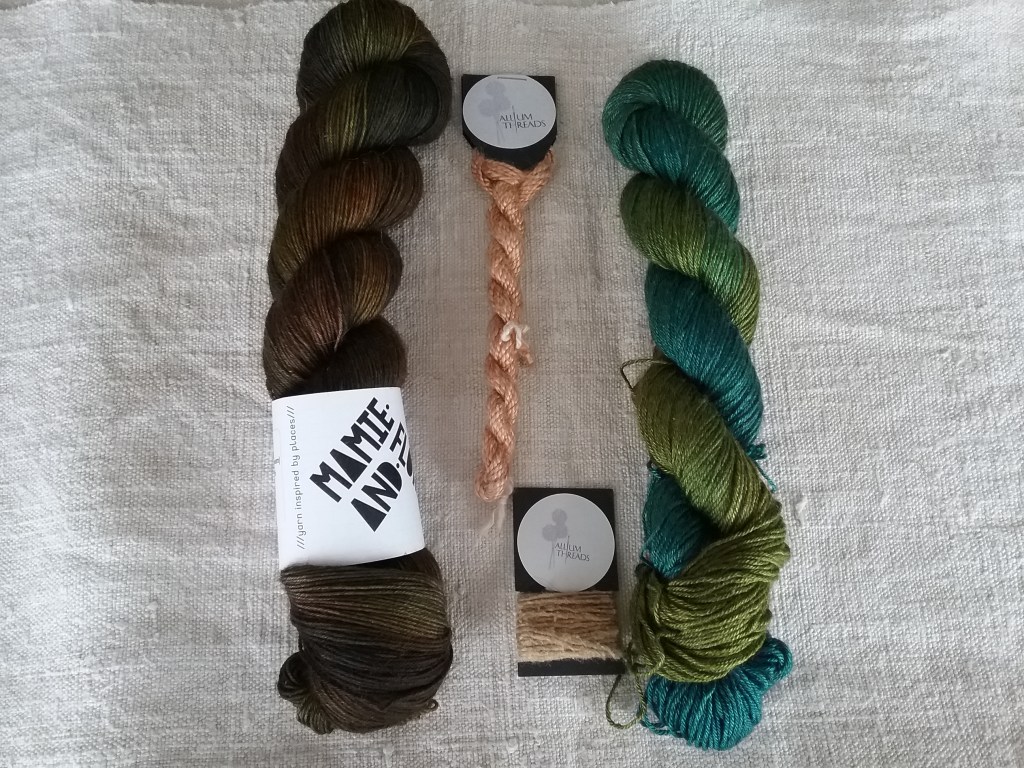
The first skein I bought was a beautiful earthy toned sock yarn from Mamie and Florrie. Sock knitting has been on my project list for some time and this colourway was really beautiful. I also treated myself to a colourful Yak/Silk blend from Yarn Tings as it will complement some yarn already in my stash and is wonderfully soft. I purchased two naturally dyed silk threads from Allium Threads for use in future sewing projects and two half cones of grey wool from Eliza Conway who sells vintage second hand wool and notions as they will make an excellent warp for weaving projects.

Fibre

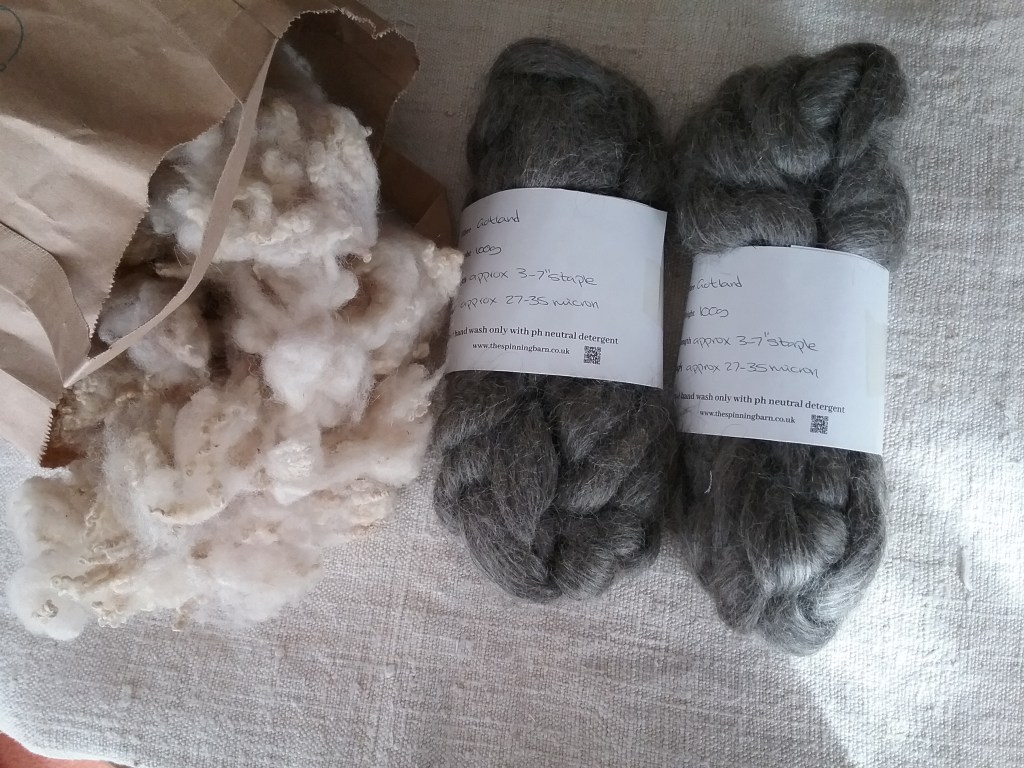
With lots of fleeces in my stash, I was strict with myself when it came to fibre. I purchased a small bag of white Shetland fibre from The Slow Yarn Spinner with the intention of spindle spinning it and combining it with the coloured Shetland I spun last Tour de Fleece into a project. The Spinning Barn were selling some combed Gotland wool, which is a breed I have been wanting to try out for a long time and the fleeces are harder to come by. Finally I picked up some silk hankies from The Threshing Barn to experiment with.

Miscellaneous Items

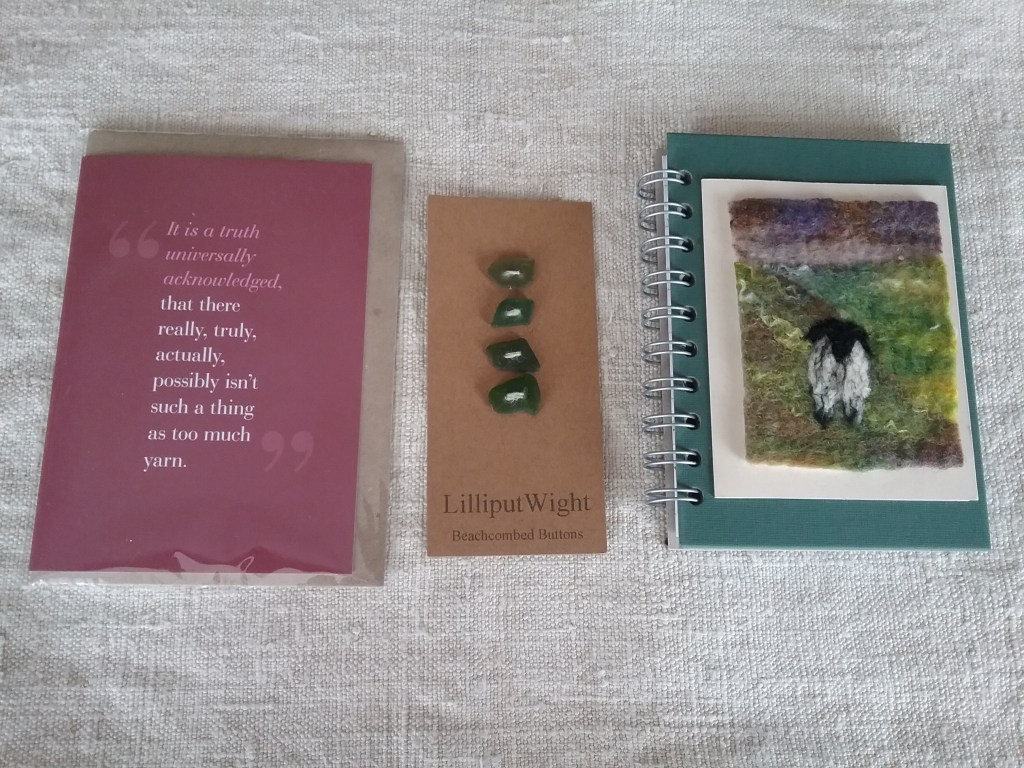
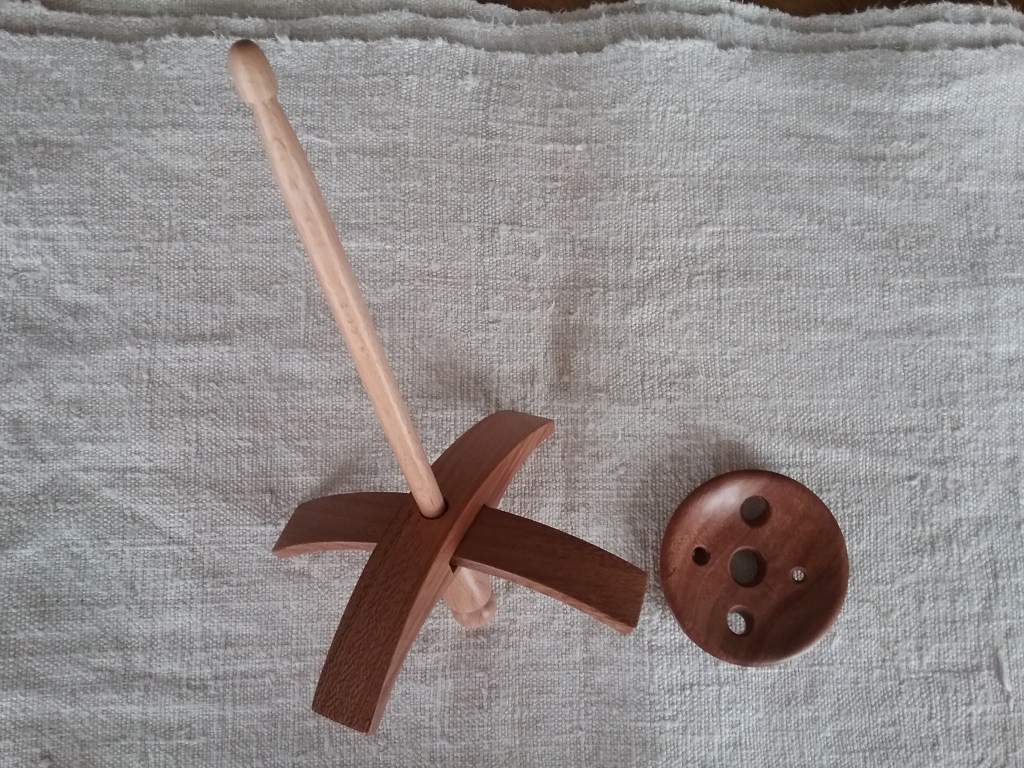
When experimenting with my DIY Wool combs, I had been using an oversized button, so though it high time I got a proper diz (though buttons and stones with holes in do work just as well). Tine and Floyd had some lovely handcrafted dizzes and while I was there I also treated myself to a Turkish spindle so I can now have two spindle projects on the go at once. I was also rather taken by a set of sea glass buttons by Lilliput Wight, a felted sheep notebook by Little Gem Felts and finally a card by Tilly Flop Designs that I felt summed up a crafters life very well!

Overall it was a truly wonderful event, everyone was so friendly and it was pleasure meeting so many fellow creatives from all over the country. It was also lovely to meet some of the people who I bought from during virtual fibre east in 2020. There were many more vendors than I have listed here (at time of publishing, I believe the full list of vendors is on the EAYF website), so if you are in need of yarn or notions, but not sure where to start then I highly recommend having a look.

If you have any recommendations of yarn festivals or events then let me know in the comments below.

Happy Crafting!
Good Omens Cushions – An Ineffable Exploration of Textiles in Film

I would like to wish all my fellow crafters a belated Happy New Year. Now that the festive season is over, I can finally showcase the projects that have taken up the last quarter of 2022.

I often find myself analysing costume and textiles in film and so when I needed gifts that were Good Omens themed and not off the shelf I felt it was a good excuse to explore some of the fabrics from the show and turn them into cushions. For those unfamiliar with the book or show, the story follows the comical exploits of unlikely allies Aziraphale and Crowley (and angel and a demon) as they attempt to prevent Armageddon. Both characters have a very distinct style that is shown evolving through time. My chosen medium was weaving so I had to find fabrics or elements from costumes that would translate well and express the personality of each character.

Aziraphale has a fondness for tartan which is something I have been wanting to attempt weaving for a long time. I began to look through images from the show to get an idea of what the tartan looked like and eventually stumbled across an image from Sarah Arnett who it seems designed the specific tartan for the show. Armed with the name of the fabric (Heaven’s Dress tartan) I refined my search and discovered someone had helpfully put this pattern into a tartan designing website. The ’tile’ I printed out measured 200 pixels and my warp needed to be 168 ends wide so I cut off 32 pixels and proceeded to create an indirect warp using each pixel column as a warp thread.

After this it was a matter of threading up the loom and beginning weaving, using each row of pixels as a row of weft thread and repeating the pattern when I reached the end. The whole process was much simpler than I anticipated and ended up being a near exact replica (in pattern at least) of the tartan in the show.

Crowley on the other hand was slightly harder to find a suitable fabric for. His clothing changes a lot in the show and is less homespun in appearance. However, one particular garment did catch my eye and that was the toga/wrap that he wears in Rome. It is plain black (appears to be wool) and has a red slithering line at the border. It isn’t seen for very long, so I zoomed in to a image to have a closer look.

I plied some commercial black wool from my stash to the correct thickness and threaded my loom with a plain warp. At first I though the red line was something woven into the fabric, so attempted to recreate this as an inlay in my weft. It became clear that no matter how I set the inlay it was looking too angular, so I removed the red and looked at the image again wondering how it could be attached to the fabric without weaving. On closer inspection of the image I could see another very subtle line going in the opposite direction to the brighter coloured one which gave me an idea – could it have been needle felted?

So, I continued weaving in plain black and washed the fabric to allow it to shrink. I have no experience with needle felting but have been keen to have a go at it, so I purchased a mat and some needles and began jabbing a strand of red wool onto my woven fabric following the line on the original garment as closely as I could. I wasn’t sure if the yarn would needle felt onto fabric, but to my surprise it worked well and when I turned the fabric over, the reverse had a very subtle line, just like the picture. Whether the costume designers used needle felting in the original or if the fabric was commercially designed I don’t know, but the technique certainly works.

Finally I needed to turn my weaving into cushions. I measured my fabric against my cushion inner, marked my cutting line using pins and then sewed a line either side before taking the nerve-wracking step of cutting through my handwoven fabric for the first time (none of my previous weaving projects have involved cutting). After realising that cutting handwoven fabric isn’t quite as terrifying as I thought it would be – I went about sewing the seams, leaving an opening at the bottom that I hemmed by hand and closed with snap poppers to give a clean finish.

I was very pleased with how the finished products turned out and I have a little fabric spare which I feel might look nice incorporated into some sort of clothing – but that’s a project for another time. Though this deviated from my usual hand processed wool projects, it challenged me to think outside the box and gave me a good excuse to try out some new techniques (I now have the impulse to embellish everything with needle felted yarn!), so I will definitely look at exploring more fictional (and non-fictional) fabric in the future.

In the meantime I have returned to my WIP pile with fresh eyes and have found solutions to the problems that hampered my progress, so am once again moving towards completing some projects. Have you ever recreated any fictional fabric or have any suggestions of fabric you think I should recreate? Let me know in the comments below!

Happy Crafting!
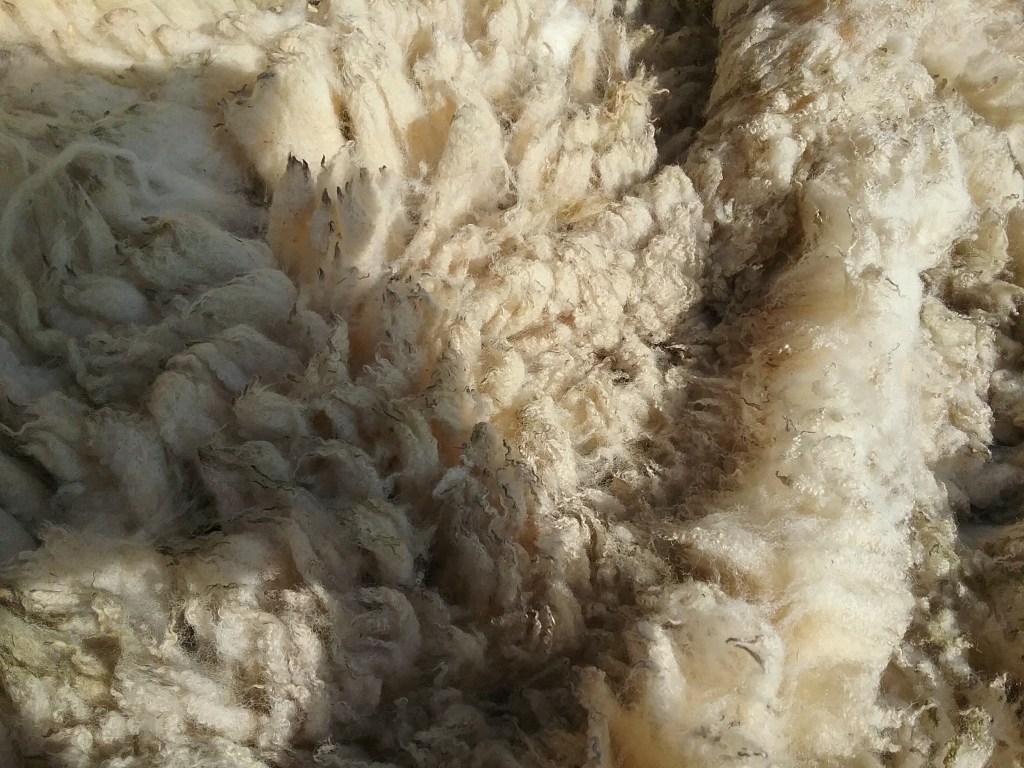
🎄A Merry Festive Season🎄

As we approach the end of the year I would like to thank all of my followers for your continued support and wish you a relaxing festive season. I have not managed to get many projects finished and written up on the blog this year, but I have made progress on my stash, completed Tour de Fleece without missing a day and participated in Wovember both on my blog and instagram. I have busied myself the latter part of the year with making gifts, which I hope to be able to share in the new year when they have reached the recipients.

I have some exciting new fibre plans and projects planned for 2023 which I hope will come to fruition. In the meantime I hope to make significant progress with my current WIP’s.

Loose Ends