I first started experimenting with suint fermentation last year and it quickly became my preferred fleece washing method. I’ve made a few improvements to the process since then to make it more efficient and a little easier to manage which I thought I would share. I won’t be going into detail about how suint fermentation works as I have a dedicated post for that here.
Improvement 1 – Reducing Evaporation
I began my suint bath in a plastic tub that I had seen others use (although I prefer not to use plastic, it is easy to clean and using some metals can affect how the wool looks if dyed). It worked, but I found if using the bath more than once that I needed to keep topping it up with rainwater which diluted the concentration of the bath. I also found that there was an added issue of insects falling in and not being able to climb out. Knowing that the suint bath was going to be a permanent fixture I decided to invest in a black plastic bin with a lid.
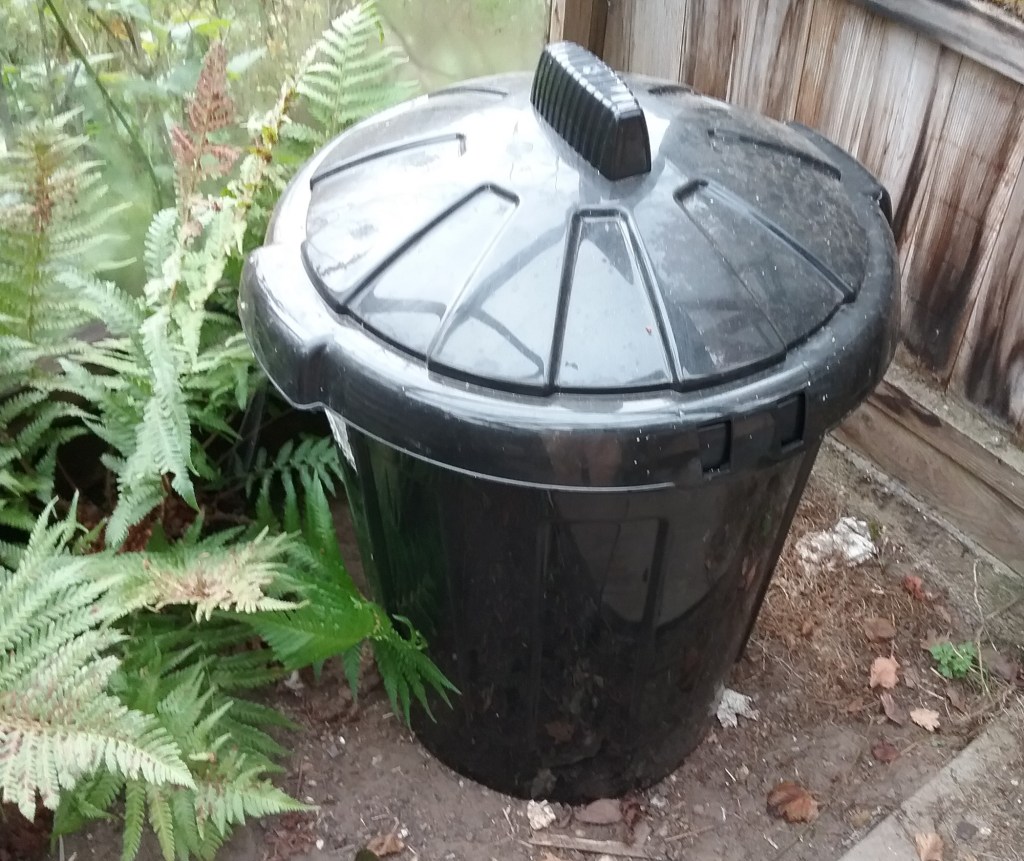
The lid fixes the insect issue and significantly reduces the evaporation – I only had to do a small top up once over the summer. The black plastic also absorbs and holds the heat well, which speeds up the process a bit. I’ve also located my suint bath in the greenhouse to help with keeping it warm.
Improvement 2 – Not Losing Fleece
The second issue I faced was that it was difficult to remove the fleece when it had finished washing. Fleece tends to separate out in water so smaller bits would get left behind in the suint bath and the colour of the water meant it was difficult to see them. I had made some simple drawstring sacks out of an old sheet to store fleeces indoors after washing and had a couple to spare, so wondered if this might work. If using a sack for suint baths make sure that the fabric doesn’t have a dye that will run onto the fleece and make sure it’s old fabric – the sack will get very dirty.
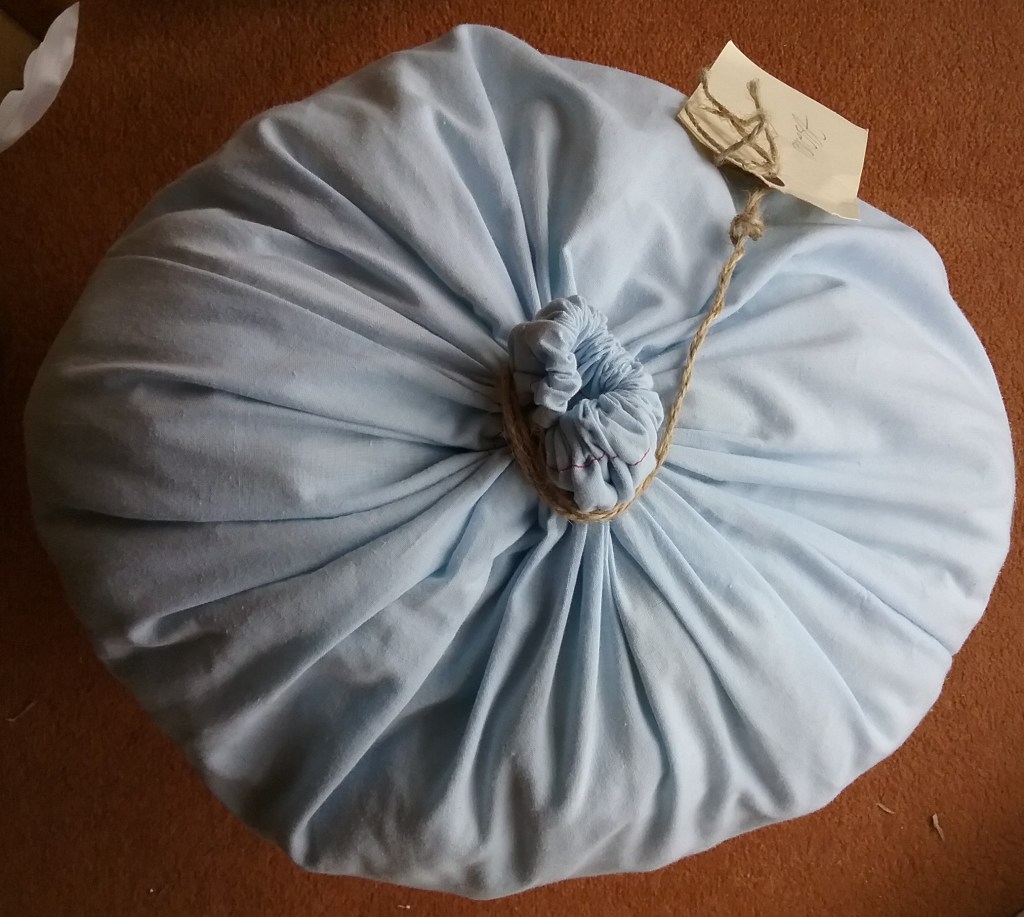
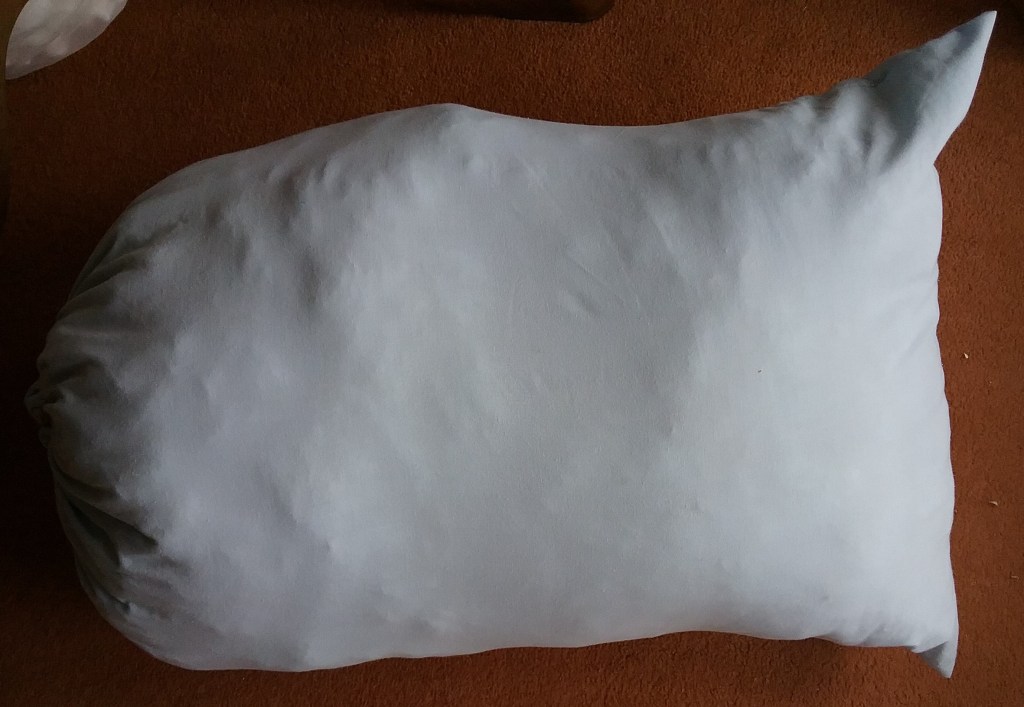
I put the fleece to be washed into the bag before submerging it in the suint bath as usual. Although you have to undo the sack to check if the wool is clean, it was much easier to remove the fleece from the bath and it also protected it from collecting the scum that forms on the surface. A word of caution though – make sure that there isn’t too much fleece in the sack at once, as wool can absorb around 30% of its weight in water. So, if the sack is hard to lift before going into the bath it will be very difficult coming out!
Experimenting with Rinsing
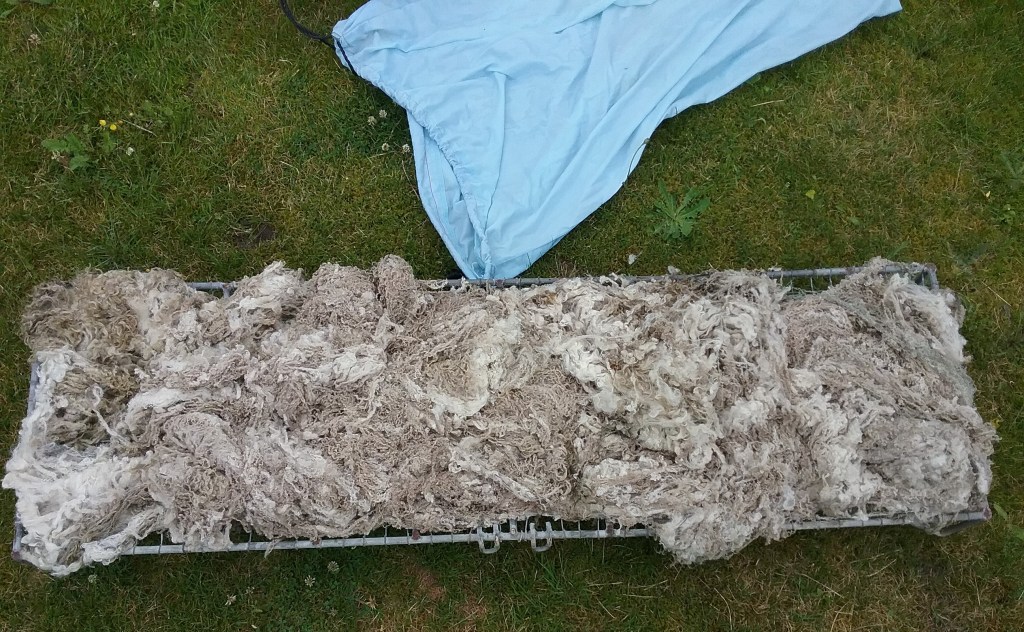
After a fleece has come out of the suint bath it needs to be rinsed in fresh rainwater. One fleece came out of the suint bath just before rain was forecast and I wondered if there would be any improvements in rinsing if I spread the fleece out on a rack and let the rain wash through it instead of rinsing it in a tub with rainwater collected in a water butt. It was difficult to tell if this was any better or not; the fleece still smelt until it dried and it was difficult to make a visual comparison, but it was definitely easy if short on time or stored rainwater.
Let me know in the comments if you have used suint fermentation. I’m always glad of any advice.
Happy Crafting!
 Loose Ends