A continuation of Fibre Library Part 1.
Disclaimer: I am not affiliated with any of the publishers, authors etc. in any books mentioned in this post. All books mentioned are my personal copies which have been purchased either new or secondhand. This list is not exhaustive, so if a book isn’t listed here it doesn’t mean it’s bad – I just haven’t discovered it yet.
British Sheep & Wool
Author/s: British Wool Board
ISBN: 9780904969108
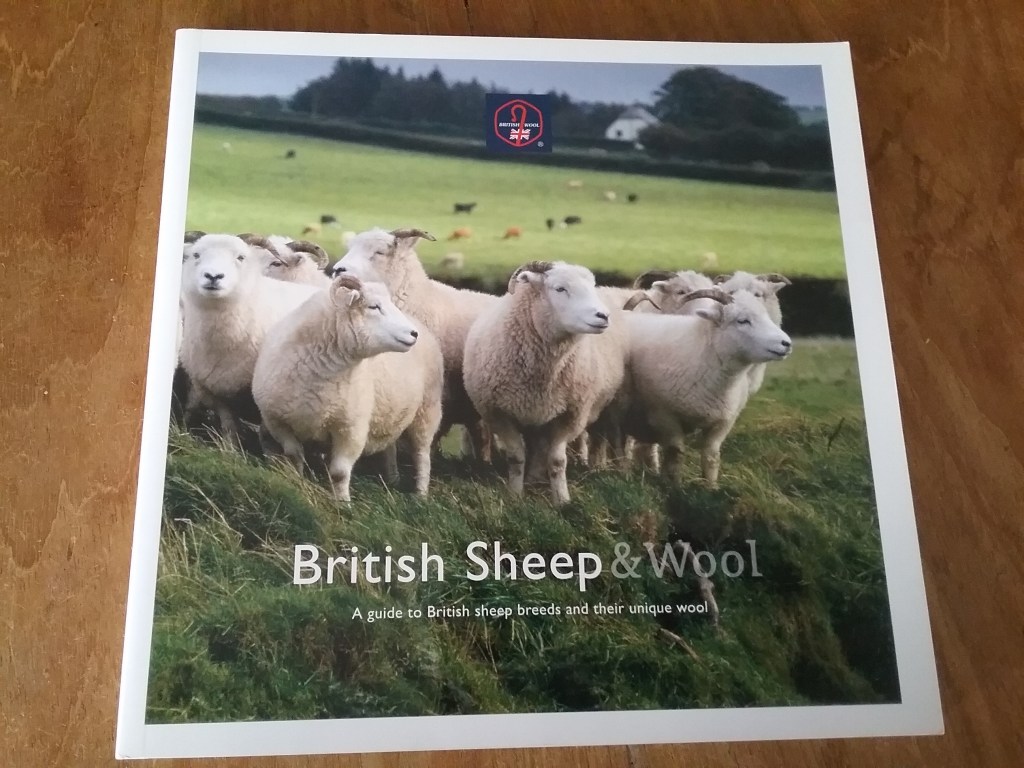
This book focuses on British sheep breeds and their fleece. It has snapshot information for each breed including their history, wool characteristics, uses and facts/figures. The book is more strongly focused on the breeds and their characteristics than working with their wool, so contains little information on fibre prep etc.
The Spinners Book of Yarn Designs
Author/s: Sarah Anderson
ISBN: 9781603427388
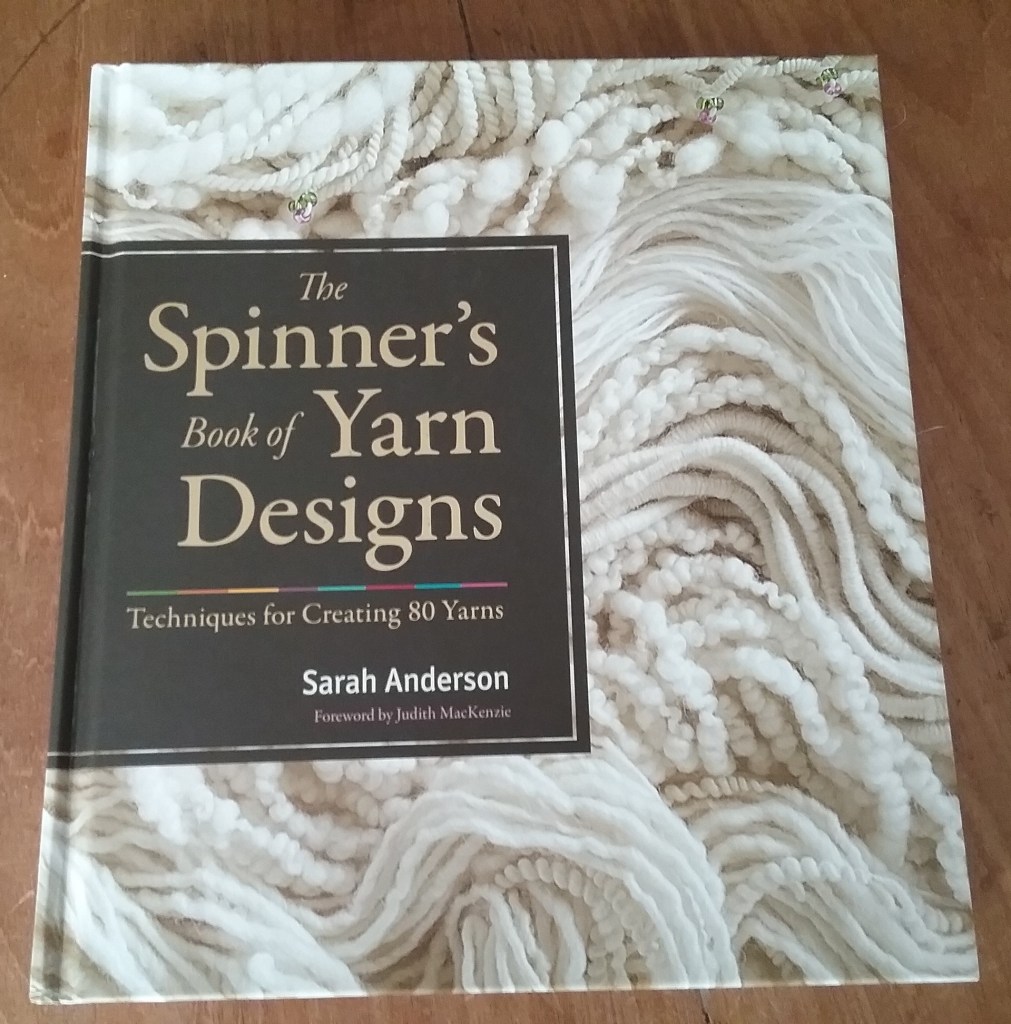
This book is quite art yarn centred, although it does have a section on spinning basics and fibre prep. The bulk of the book teaches you how to spin custom art yarns and also how to work with them; in knitting for example. It also comes with abbreviated reference cards in the back that can be kept by the wheel during spinning.
Spinning Wheels, Spinners & Spinning
Author/s: Patricia Baines
ISBN: 0713408227
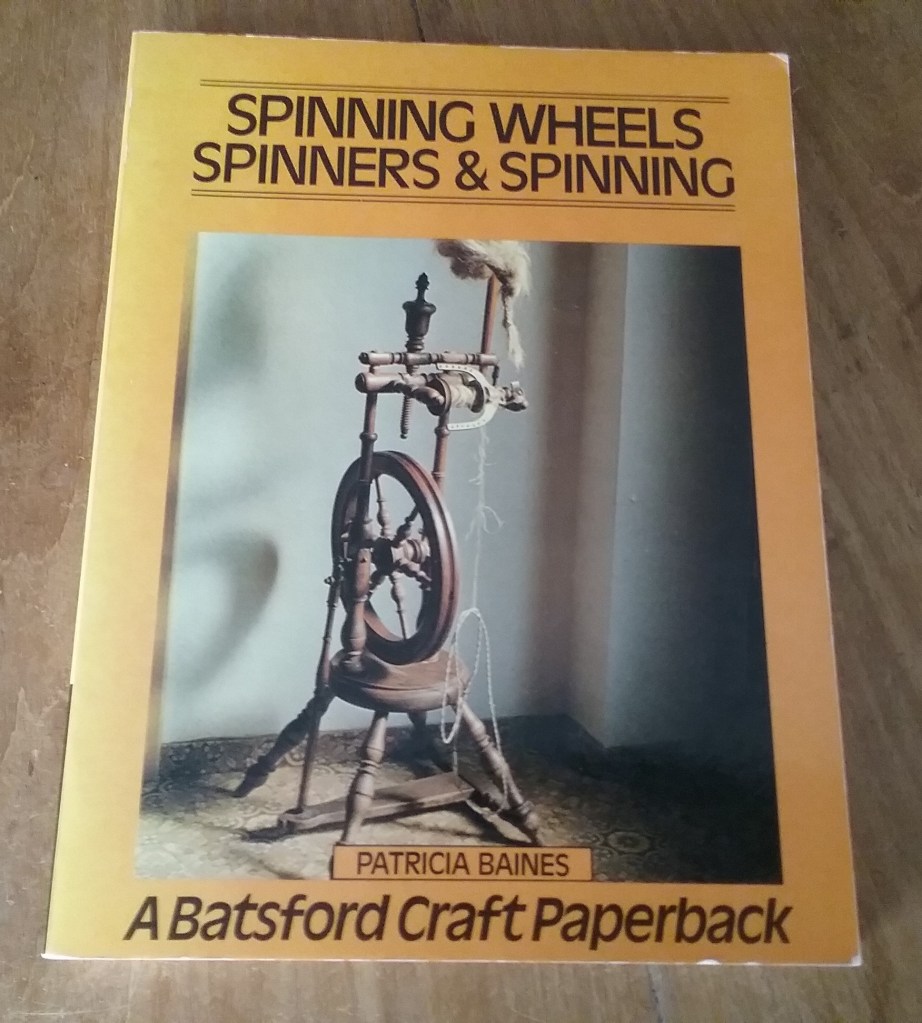
The good thing about fibre books is that they rarely date, as the process has been virtually the same throughout history. I purchased this book from a charity shop about two years ago, it was first published in the 1970’s, but contains so much useful information. Although lacking in colourful photographs, it contains an overwhelming amount of information on the history of spinning around the world, spinning wheels through the ages, wheel mechanics and the preparation of all types of fibres.
Respect the Spindle
Author/s: Abby Franquemont
ISBN: 9781596681552
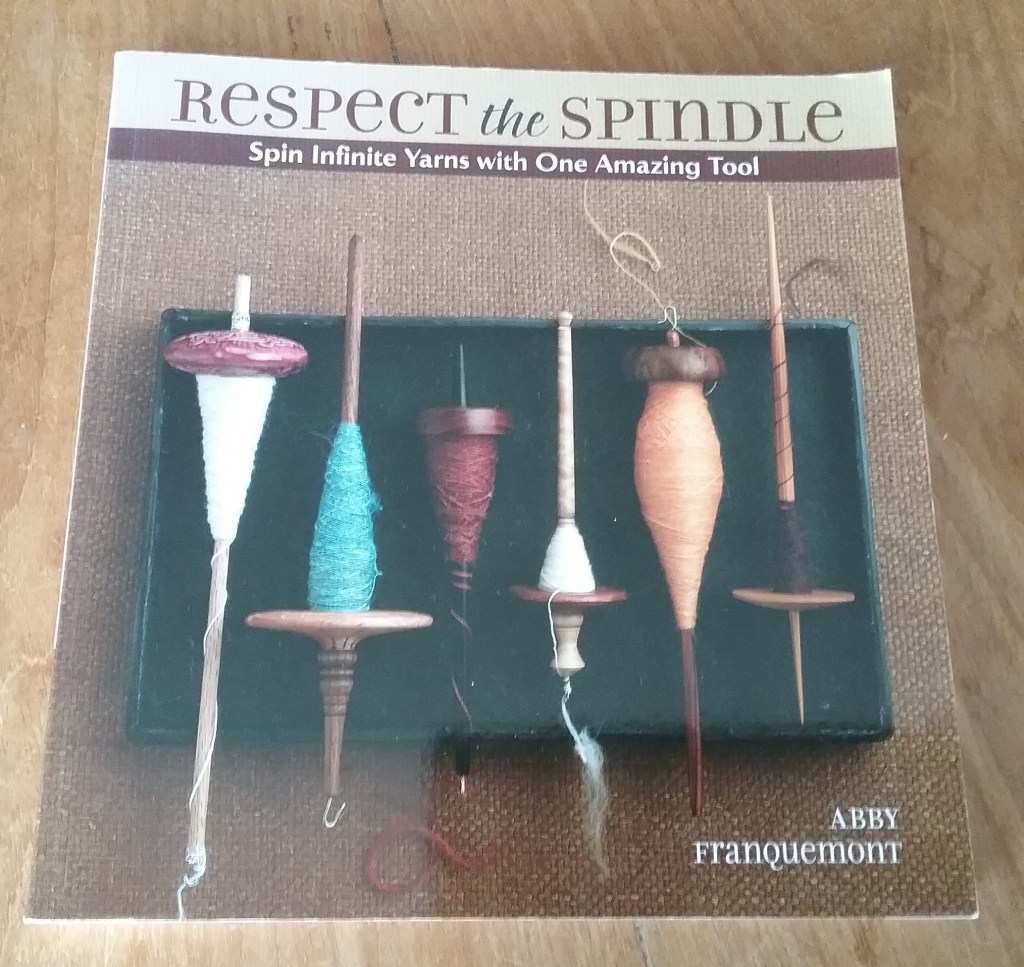
This is probably the ultimate spindle spinning book. Often spinning books tend to focus more on spinning wheels than on spindles. This book however, covers the history of spindles, including their cultural significance and relevancy today. It contains basic tutorials, alongside more advanced spindle work and also provides information on selecting the best type of spindle for spinning certain fibres. It also has a chapter on the science of the spindle and ways to optimise the process of spindle spinning.
If you are looking to purchase a fibre book, then please do consider supporting an independent bookshop or craft store. I’ve recently heard of a website called Bookshop (I’m not affiliated – this isn’t an ad) that lets you order books online, but supports the indie bookshop of your choice.
I would love to know if there are any fibre books that should be on my reading list, please leave me any sugestions in the comments below. For Fibre Library Part 1 click here
Happy Crafting!
 Loose Ends