Researching
Several weeks ago whilst browing the internet, I came across a mention of a wool picker and being curious, decided to do some research. A wool picker is a device that can be used to separate out fibre before carding to make the task easier (as far as I can tell, it is primarily used before drum carding). At the time, I was halfway through hand carding my ryeland fleece, which was proving quite time consuming, as there was a lot of VM and dust. I felt like this would be the perfect opportunity to experiment with this tool and see if it made the job any easier, so I turned to the internet to see if anyone had DIYed one.
Lo and behold, multiple blog posts emerged and it seems that two types of wool picker exist, these being a box picker and a swinging picker (the latter is generally just known as a wool picker). I watched a few videos on youtube of wool pickers and although the box picker appeared simplest in construction, I felt the swinging picker seemed more efficient for larger quantities of fleece. I discovered several good blog posts with instructions for making DIY Box Pickers that I will link below:
- colourcottage.wordpress.com/2015/06/02/diy-wool-picker/
- borealweaver.wordpress.com/building-a-wool-picker/
- spidersworkshop.wordpress.com/2012/03/23/building-a-wool-picker/
I couldn’t find very much information for making a swinging wool picker, however I did find a very informative blog post by Fleecewood, which contained measurements that would form the basis for my own (if you are thinking of making your own swinging picker, please do have a look at it).
That being said, this is in no way a tutorial, as it’s heavily based on the aforementioned post and I cannot take the credit for making the picker, as this was kindly done by my father. As I had no idea if a picker would actually make my fibre prep any easier, I didn’t want it to be expensive, so used materials already to hand. This means my picker does not look very uniform and has very few safety features, but it does the job!
Disclaimer – Please consider your safety and use common sense when making/using wool pickers DIY or otherwise. Nails are sharp and I have come close to getting caught, despite being careful. It is recommended to wear a thick apron, use your picker on a flat surface and clamp it down to reduce the chance of accidents. Wool pickers should definitely not be used by/near children or pets.
Making
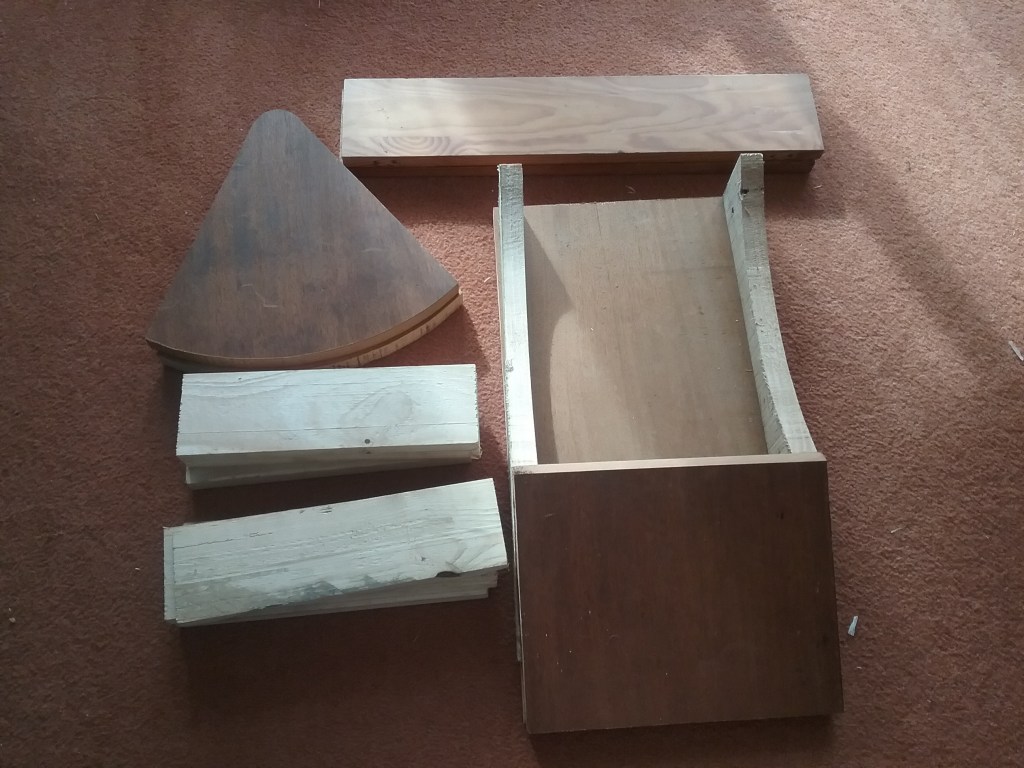
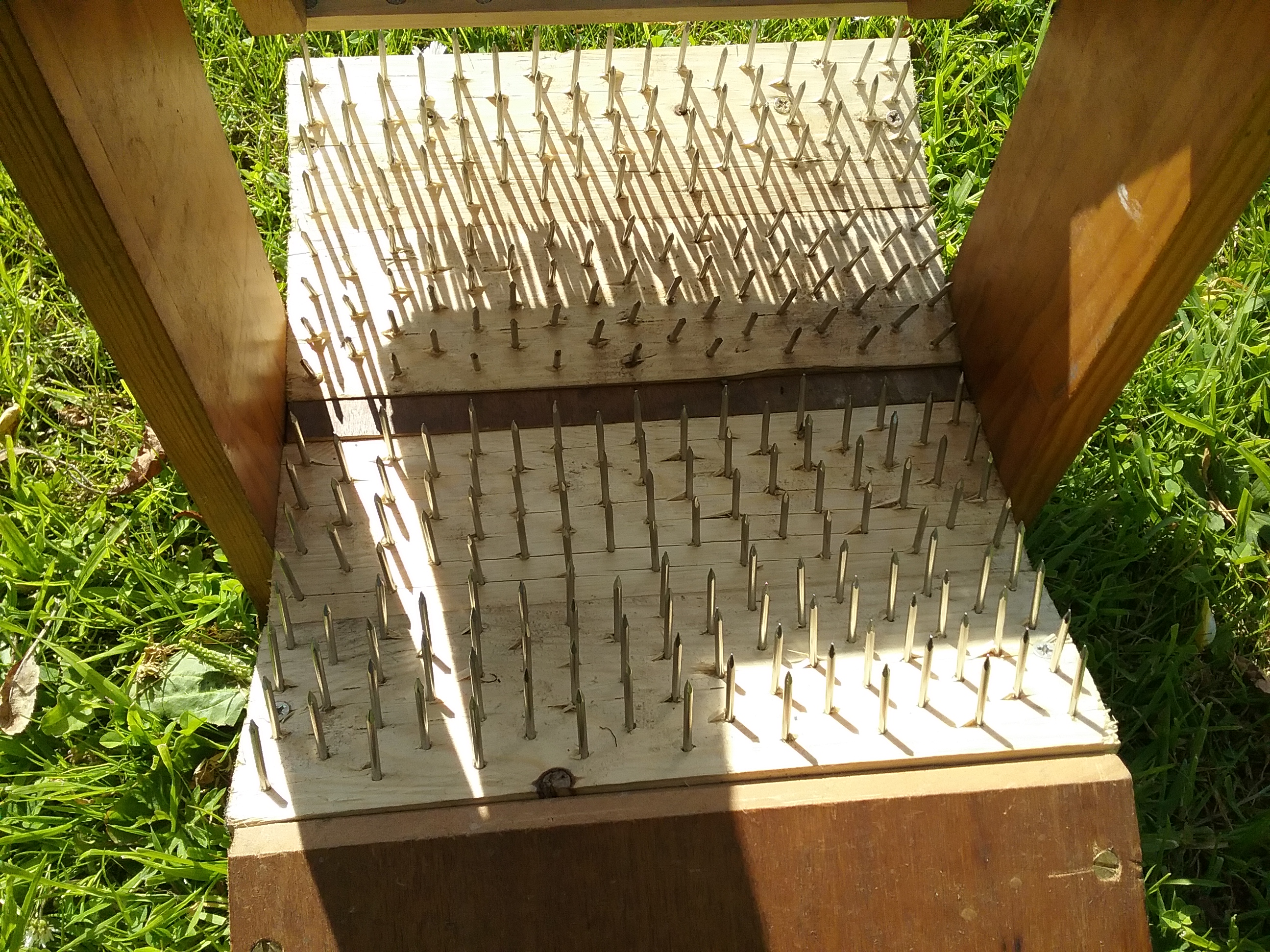
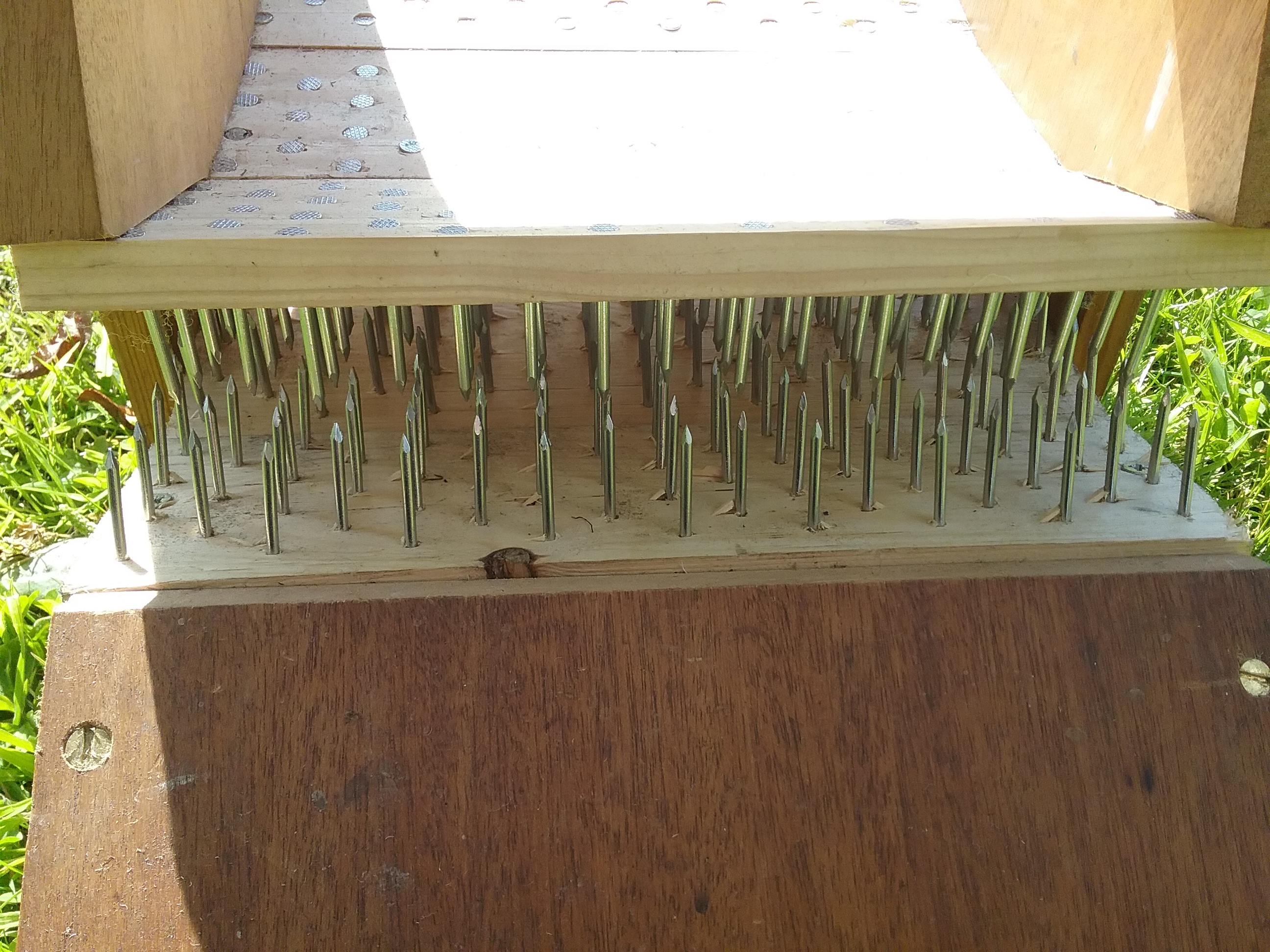
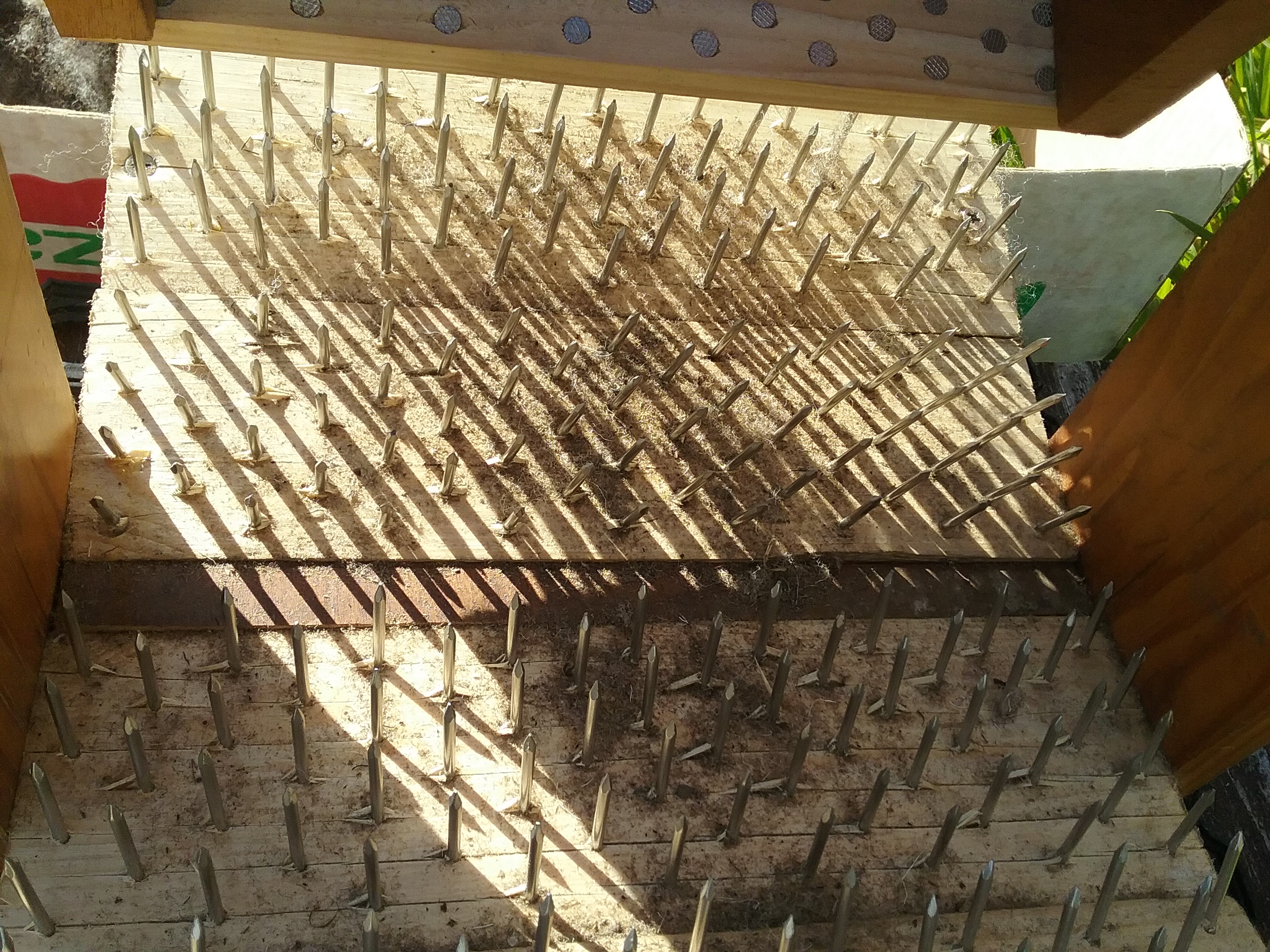
The bulk of the structure was made from pallet wood and some wood from a cabinet made by my late grandfather that had been broken down for firewood. The handle (which is not shown on the left) is part of a broken chair and the metal bolts came from my father’s sheds. The nails were purchased as they needed to be the right length and ideally rust resistant so they would last longer and wouldn’t colour the fleece. Below is a slideshow of images after it’s construction.
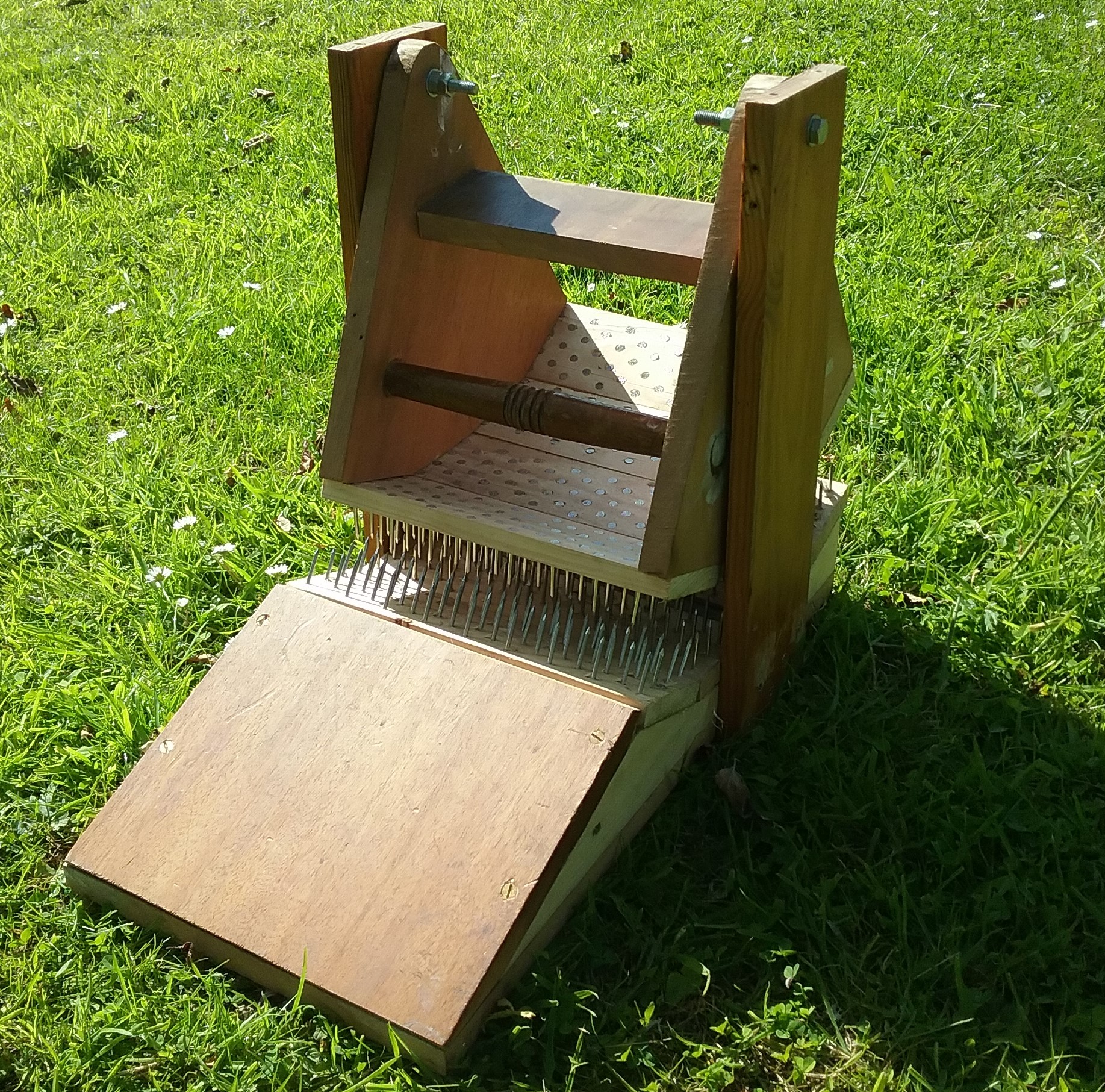
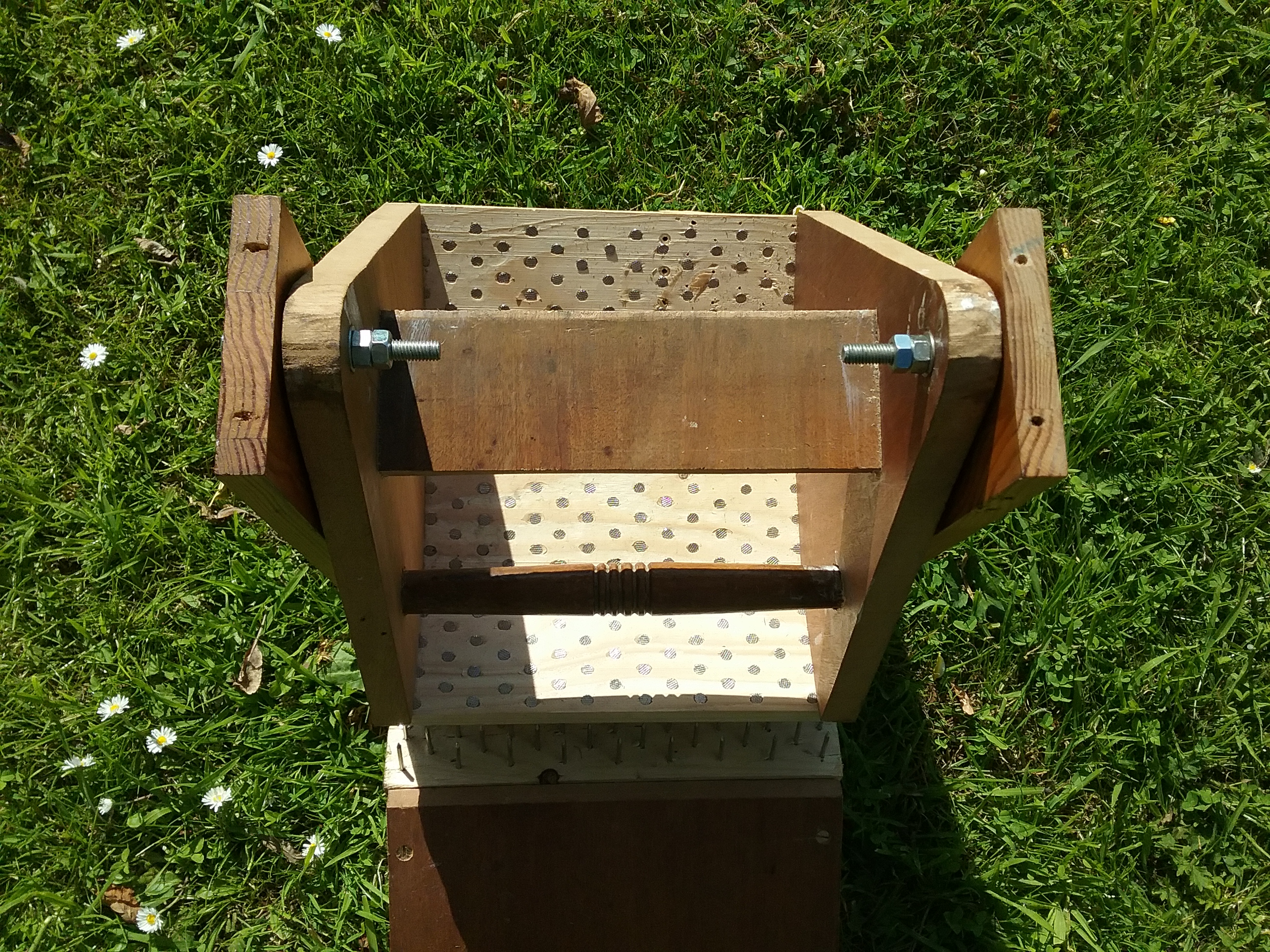
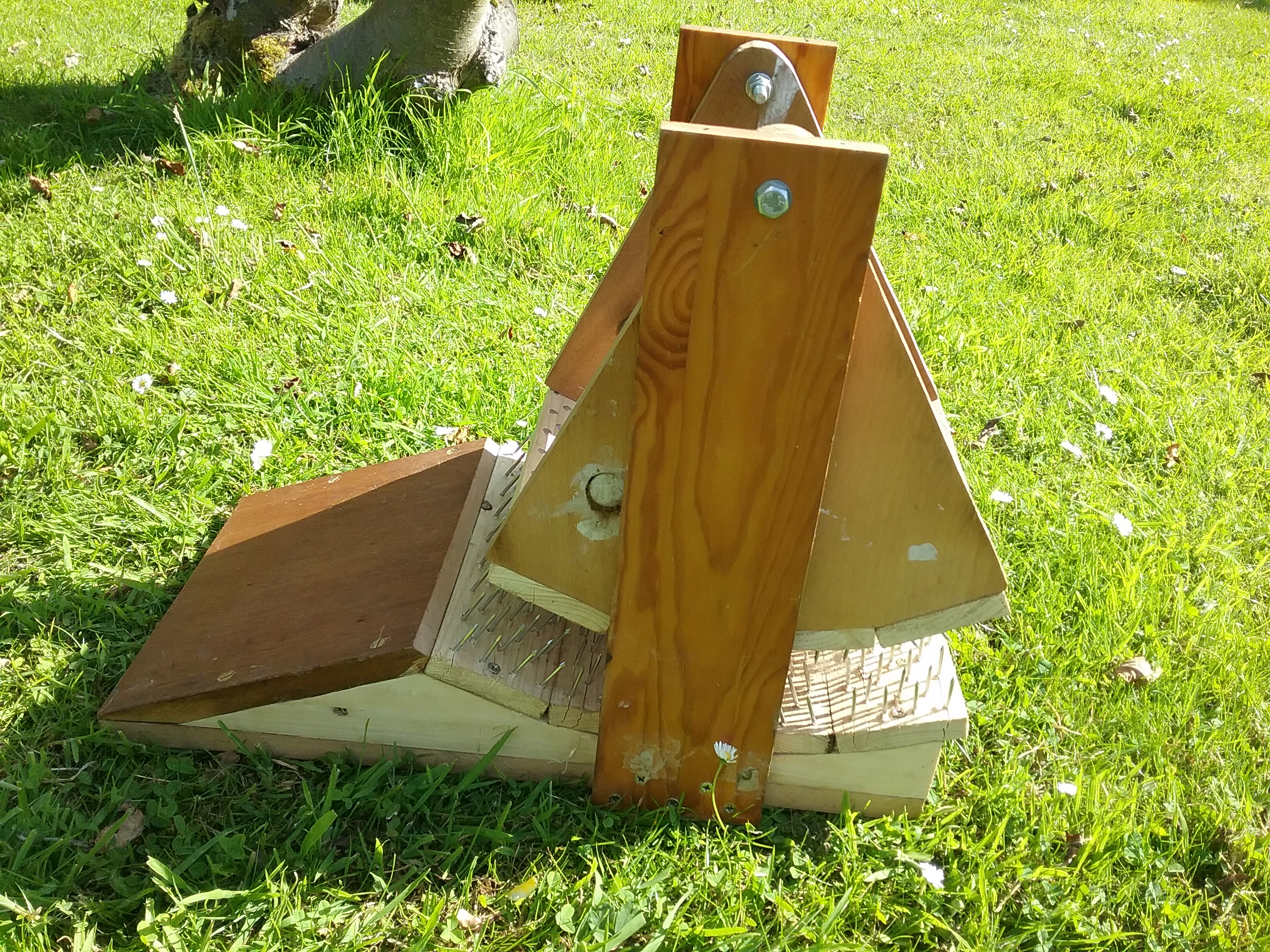
Does it Work?
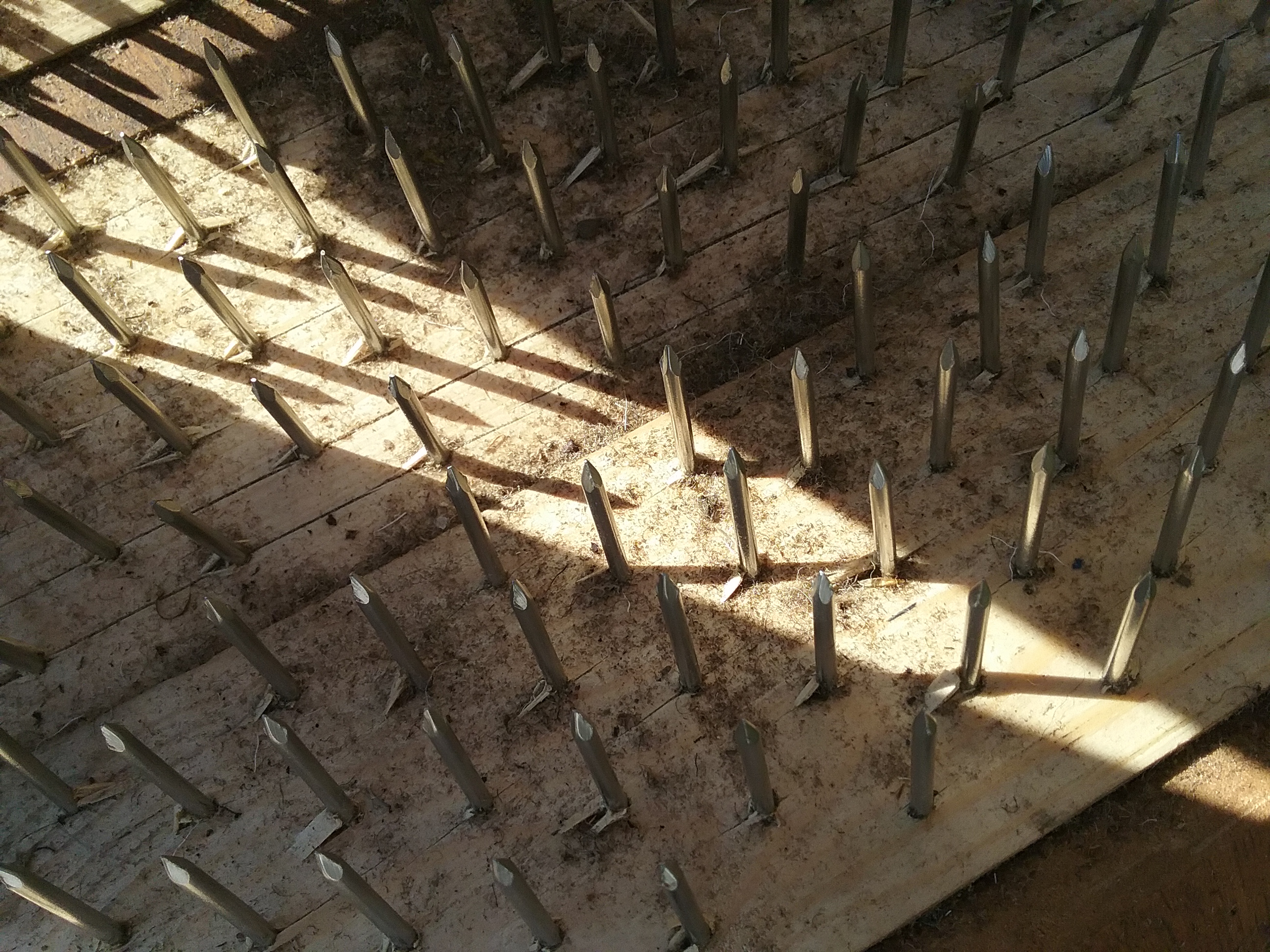
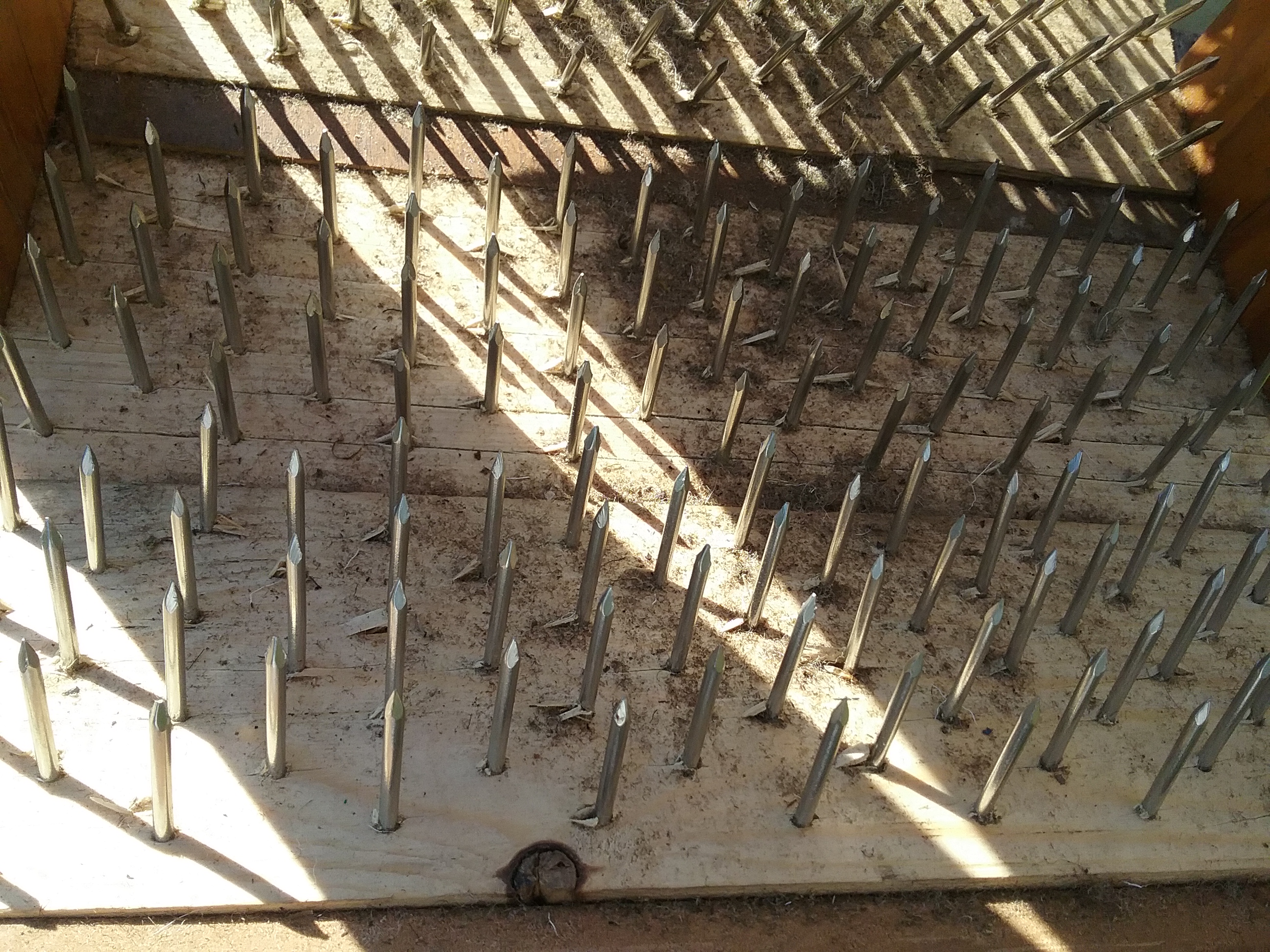
I’ve found it’s best function is to open up fibres to remove any dust and debris. The Ryeland fleece had been covering me with dust during carding and it was difficult to identify dark VM against dark fleece. By opening up the fibres, the wool picker allows most of this to fall out and that which doesn’t is easier to identify when carding, speeding up the process considerably (below are some photos of the dirt after picking a handful of fleece). It doesn’t work with fleeces that are very short stapled as the fleece gets stuck to the nails and doesn’t move through. I am yet to try it with longer fleeces, but I will update this post when I’ve tested it.
If your fleece is not dusty and doesn’t contain much VM, then it probably isn’t necessary to put it through a wool picker first. If you’ve got a fleece that has more VM than you expected that you’re struggling to get out before you spin it, or it is very tangled, then a wool picker does make the job easier.
Happy Crafting!
 Loose Ends