The Fleece
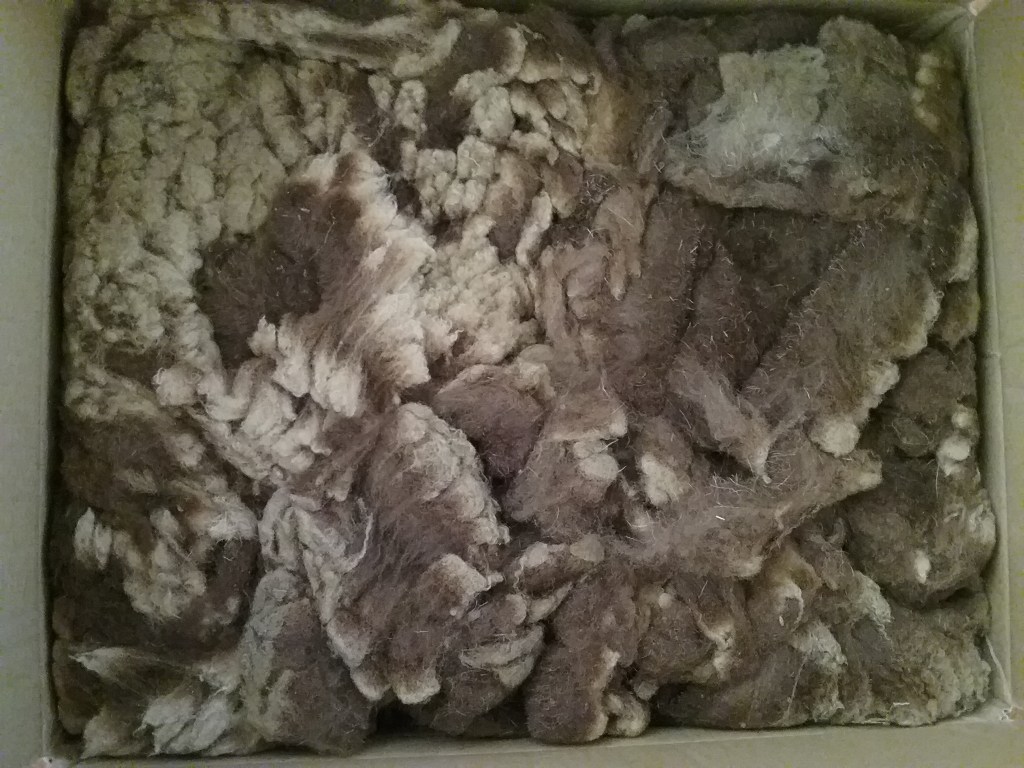
The fleece as it arrived was very clean, it had very little VM in it (I found about 3-5 obvious long pieces of grass), had no soiled sections and minimal kemp as far as I could see. Like all fleeces I spread it out on a tarpaulin, but I didn’t worry about skirting it further since any other tiny bits of VM would fall out during washing or carding later on. Although short stapled, the fleece didn’t feel particularly greasy to the touch, but I have found that short stapled fleeces tend to hold onto a surprising amount of dust, most of which comes out when the fibres are loosened during washing.
Washing
Since Castlemilk Moorit is not commonly used by handspinners, I could find very little on it’s tendency to felt, so testing was particularly important in this case. I decided to try out my usual washing powder and hot water approach first, since most spinning books/pamphlets suggest it, as long as agitation is kept to a minimum. I was very careful not to be heavy handed with my sample, so just lightly pressed it into the water until it submerged. I have found that washing up bowls with drains in the bottom are invaluble for washing smaller quantities of fleece as it minimises the amount of times you have to touch it (and they are brilliant for catching tiny bits of fleece that otherwise try and escape down the plughole!).
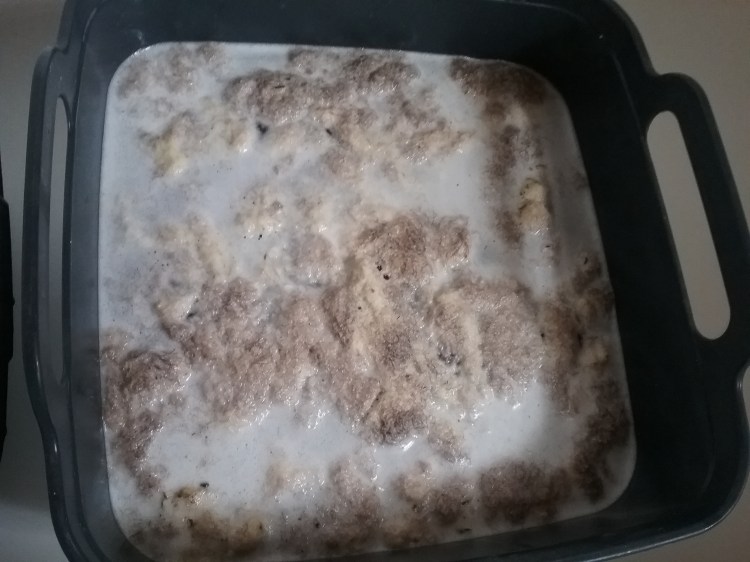
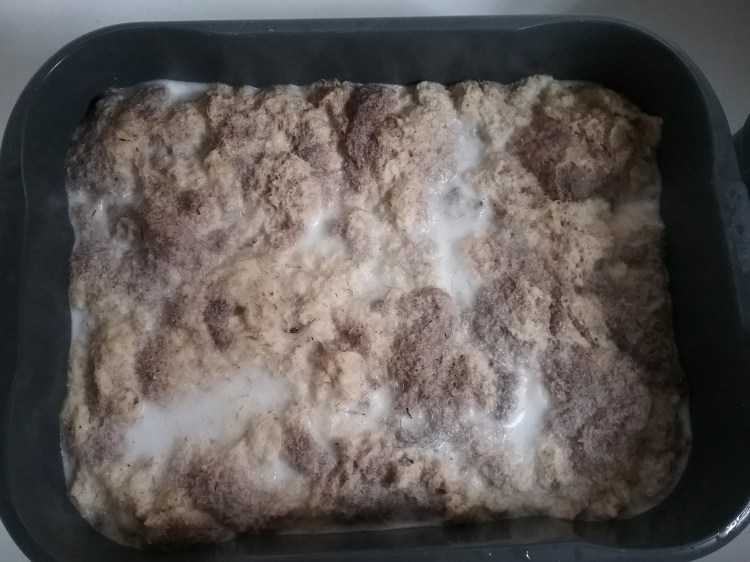
The sample held up well to some more forceful handling when I squeezed the water out of it, so I probably didn’t need to have worried about handling it as much. I split the rest of the fleece into sections and washed them over the course of a week soaking them twice in washing powder for about 20 minutes each time and then rinsing them through once.
Drying
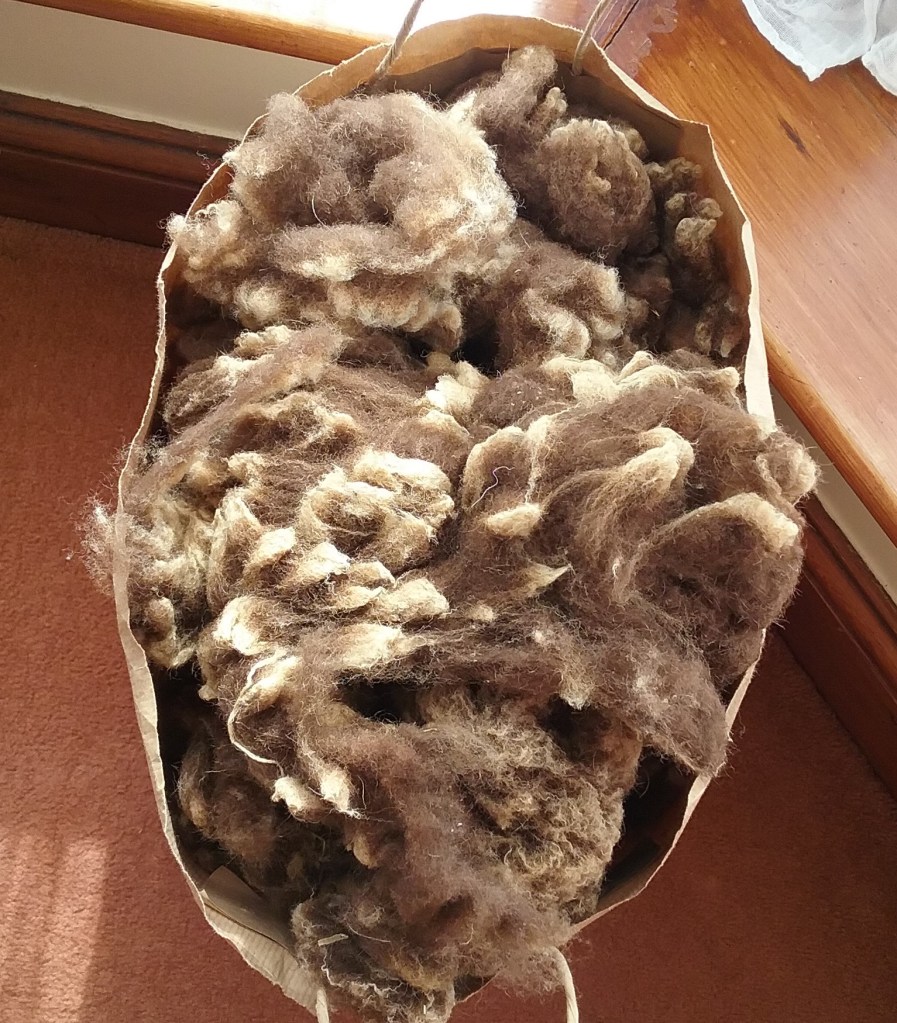
I had a little more difficulty drying the Castlemilk Moorit as the weather turned cold and after I spread one section out on the washing line, I brought it back indoors just as wet as when I put it out. Last year I discovered someone using a hydrophonic plant drying rack to dry fleece outside (reasonably cheap on eBay or Amazon) and I purchased one with the intention of using it this spring to dry lots of fleece. I found however, that I could use it indoors as well. My solution was to hang the rack from my showerhead and fill it with fleece so all the drips went into the shower tray. Since the dehumidifier had done wonders at finishing the drying of the Ryeland, I put it in the shower room and by the morning the fleece was dry.
Carding
When I began to card the Castlemilk Moorit and started to apply the fleece to the carders it became more obvious that there was actually a coarser second coat I hadn’t noticed before. As Castlemilk Moorit has a very short staple (I measured 5cm) these fibres blend in very well and are hard to separate since they are of similar length. Although hand carding was easy I wasn’t happy with the rolags produced, so put the fleece to the side for a couple of years.
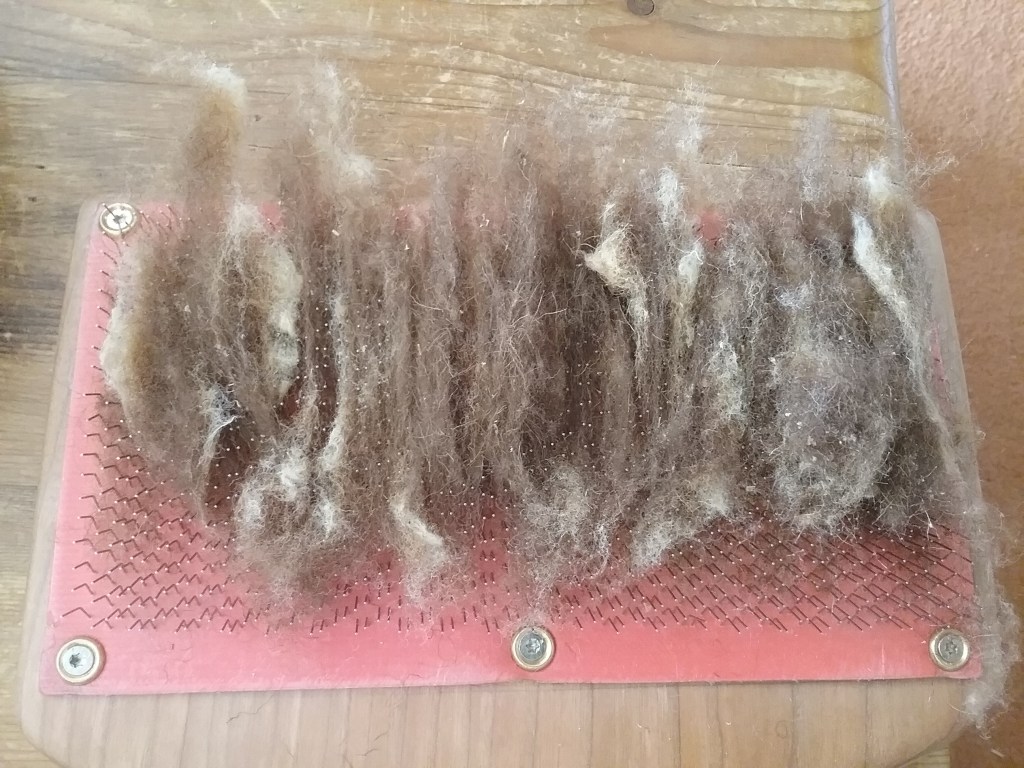
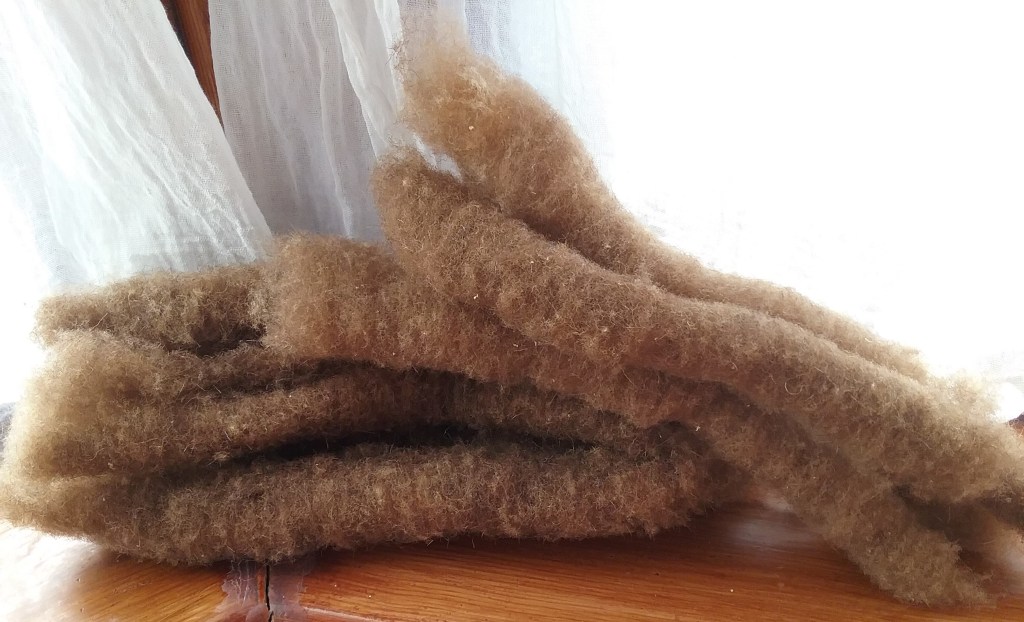
This portion of the post has been updated as I spent part of Tour de Fleece 2025 using my drum carder to card the rest of this fleece. I was much happier with the fleece in batts – the short staples were holding together much more easily and the coarser fibres weren’t quite as ingrained into the fibre, so would be more likely to fall out during spinning. Something that became apparent when drum carding was the sheer amount of fine dust that was in this fleece, so much so that the rest of the carding was done outside.
I initially thought I would use this fleece to make something to wear next to the skin as the fibre is incredibly fluffy – I’ve done my best to separate out areas of the fleece with more/less coarse fibres, so they kept separate while spinning and the batt’s didn’t feel particularly scratchy, but whether I go for the project I had planned or think of something else will depend on what a knitted swatch feels like.
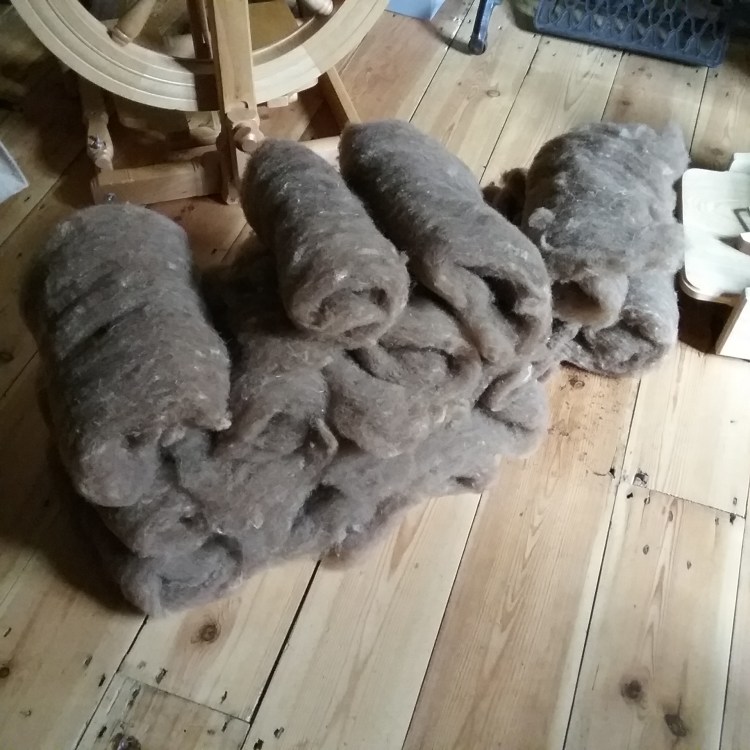
As always, let me know if you have any tips/advice in the comments below.
Happy Crafting!
Further Reading about Castlemilk Moorit
- Breed Society Website – castlemilkmooritsociety.co.uk
 Loose Ends